


Big Cat Breeds: A Pet Parent’s Guide to Large, Lovable Cats
By PawHappiness Team | Updated | 4 minutes read | Cat Breeds
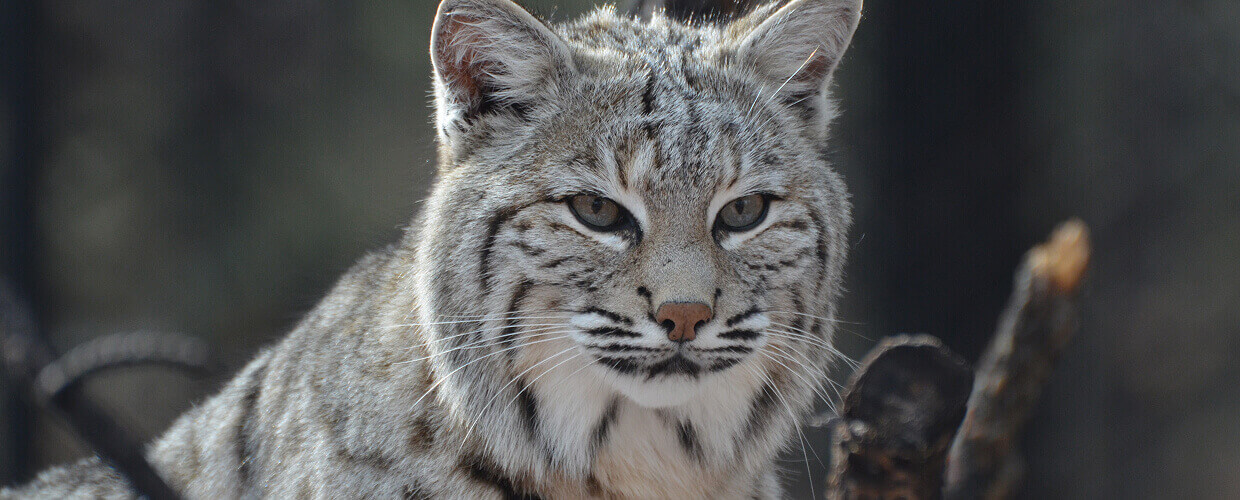
Table of Contents
- What Are Big Cat Breeds?
- Popular Big Cat Breeds Loved by Pet Parents
- Are Big Cat Breeds Right for Your Lifestyle?
- Feeding and Nutrition for Big Cat Breeds
- Grooming Needs You Should Plan For
- Big Cat Breeds and Indoor Living
- Common Myths About Big Cat Breeds
- Creating a Comfortable Home for a Big Cat
- Final Thoughts on Big Cat Breeds
If you’re a pet parent who loves cats with a strong presence, you’ve probably been drawn to big cat breeds at some point. These are the cats that stretch across the couch, fill your lap instantly, and make everything else in your home feel slightly smaller. At first glance, they look impressive and cuddly—but living with a large cat isn’t always as simple as it seems.
Many pet parents fall in love with big cats based on photos or videos online. However, once the cat comes home, they realize that bigger cats need more food, stronger furniture, and extra grooming. As a result, some owners feel unprepared or overwhelmed. The good news is that with the right knowledge, these challenges are very manageable.
In this guide, we’ll explore what big cat breeds really are, which ones are popular with pet parents, and how to care for them properly. By the end, you’ll know exactly what to expect and how to create a comfortable, happy home for a large feline companion.
What Are Big Cat Breeds?
Big cat breeds are domestic cats that are significantly larger than the average house cat. They usually have longer bodies, heavier bones, and more muscle mass. Because of this, they often appear powerful and majestic.
However, despite their size, these cats are fully domesticated. Unlike wild big cats, they are bred specifically to live with humans. In fact, many big cat breeds are known for being calmer and more affectionate than smaller cats.
Common characteristics include:
- Adult weights of 6–10 kg or more
- Large paws and long, thick tails
- Slower movements and relaxed energy
For pet parents, understanding this distinction helps avoid unrealistic expectations and ensures better care.
Popular Big Cat Breeds Loved by Pet Parents
Several big cat breeds stand out because of their temperament, appearance, and adaptability. Let’s look at a few favorites.
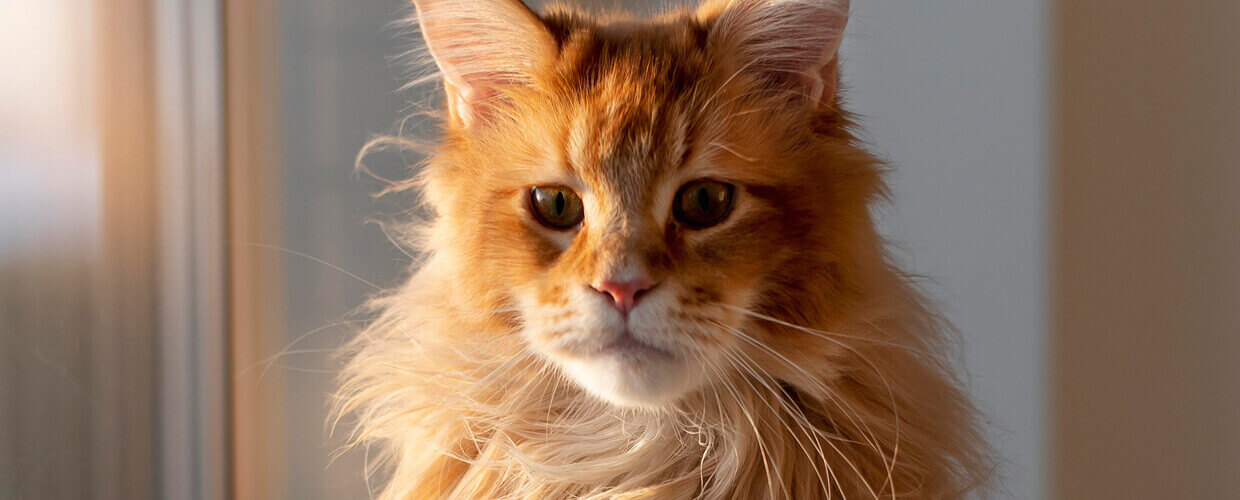
Maine Coon
The Maine Coon is one of the most well-known big cat breeds. Despite their size, they are gentle and social.
Why pet parents love them:
- Friendly and playful personality
- Good with children and other pets
- Highly intelligent and curious
As a result, Maine Coons are often called “gentle giants.”
Ragdoll
Ragdolls are large, heavy cats with an extremely relaxed nature.
Key traits include:
- Very affectionate and calm
- Enjoy being held or sitting close
- Ideal for indoor-only homes
Because of their laid-back attitude, they’re perfect for pet parents who want a cuddly companion.
Norwegian Forest Cat
This breed developed in colder climates and has a strong, athletic build.
Notable features:
- Thick, weather-resistant fur
- Independent but loyal personality
- Loves climbing and high spaces
Therefore, they do best in homes with vertical space.
Are Big Cat Breeds Right for Your Lifestyle?
Before adopting a big cat, it’s important to consider your daily routine. While these cats are loving, they do require adjustments.
Ask yourself:
- Do I have enough space for a large cat to move comfortably?
- Can I handle higher food and grooming costs?
- Am I ready for a long-term commitment?
In addition, big cats usually need:
- Oversized litter boxes
- Strong scratching posts
- Durable cat trees
If you can meet these needs, a big cat can fit beautifully into your life.
Feeding and Nutrition for Big Cat Breeds
Because of their size, big cats need proper nutrition to stay healthy. However, feeding more food isn’t always the answer.
Helpful feeding tips:
- Choose high-protein, high-quality food
- Measure portions carefully
- Avoid free-feeding when possible
As a result, maintaining a feeding schedule helps prevent obesity, which is common in large indoor cats.
Grooming Needs You Should Plan For
Grooming is another important factor for pet parents of big cats. Many large breeds have thick or long fur.
Regular grooming helps:
- Prevent matting
- Reduce shedding
- Minimize hairballs
In general:
- Short-haired big cats need weekly brushing
- Long-haired breeds need brushing 2–3 times per week
Using the right grooming tools makes the process easier and more comfortable.
Big Cat Breeds and Indoor Living
Many pet parents worry that big cats won’t be happy indoors. Fortunately, that’s not true.
With the right setup, indoor living works very well. Focus on:
- Vertical climbing areas
- Interactive toys
- Daily playtime
Meanwhile, rotating toys keeps your cat mentally stimulated and prevents boredom.
Common Myths About Big Cat Breeds
There are many myths that make pet parents hesitant about adopting large cats.
Let’s clear a few up:
- “Big cats are aggressive” – Size doesn’t determine behavior
- “They don’t like attention” – Many are extremely affectionate
- “They’re hard to manage” – Proper preparation makes it easy
Understanding these myths helps pet parents feel more confident.
Creating a Comfortable Home for a Big Cat
Small changes can make a big difference for your cat’s comfort.
Consider adding:
- Large cat beds
- Heavy-duty scratching posts
- Strong, stable furniture
As a result, your cat will feel more secure and relaxed in your home.
Final Thoughts on Big Cat Breeds
Big cat breeds offer pet parents a wonderful mix of size, beauty, and affection. While they do require more space, food, and grooming, the rewards are well worth it. With proper care, big cats are gentle, loyal companions that form strong bonds with their families.
If you’re thinking about welcoming one into your home, take time to research the breed and prepare your space. For more pet-parent tips and breed guides, explore trusted resources and continue learning to give your cat the happiest, healthiest life possible.
FAQS
What are big cat breeds?


Big cat breeds are large domestic cat breeds known for their impressive size, strong build, and often wild-looking features, while still being suitable as household pets.
What are some big cat breeds?
Some big cat breeds include large domestic cats that are known for their impressive size, strong build, and striking appearance while still being suitable as pets.



Extra Deals & Recommendations From Our Partners
Discover exclusive offers, tools, and products from brands we collaborate with.


Petmate Open Top Litter Pan — Best for Easy Cleaning
This covered litter box provides cat privacy with high walls and a wide opening, perfect even for large cats. The grated top helps trap loose litter from paws to keep floors clean. Built-in handles make lifting easy, and a handy hook keeps your scoop within reach. Made in the USA from 95% post-industrial recycled materials, it’s an eco-friendly, practical choice for any home.

Benebone Wishbone Durable Dog Chew Toy
Built for super chewers, Benebone Wishbone is tougher than real bones and lasts for weeks. Made with 100% real bacon for irresistible flavor dogs love. Its curved, paw-friendly shape makes it easy to grip and chew. Proudly made and sourced in the USA, and backed by a happiness guarantee for you and your pup.

Meow Mix Gravy Bursts Dry Cat Food, Chicken, 3 LB Bag
This pet food formula contains corn, wheat, soybean meal, and animal by-product meals, including chicken and turkey. It is preserved with mixed tocopherols and potassium sorbate, and fortified with essential vitamins, minerals, taurine, and amino acids to support overall nutrition. Added flavors, colors, and bone broth enhance taste and appeal.

Outward Hound Medium Slow Feeder Bowl
This medium slow feeder dog bowl is designed to slow eating up to 10X, making it ideal for fast eaters and small to medium dogs. Holding up to 2 cups of food, its deep, challenging maze helps reduce bloat, regurgitation, and obesity. Non-slip, food-safe, BPA-free, and top-rack dishwasher safe for easy cleaning.

Hill’s Science Diet Sensitive Stomach & Skin
Give your small or mini breed dog the precise nutrition they need with Hill’s Science Diet Small & Mini Adult. Made with easy-to-digest ingredients like pumpkin, it supports healthy digestion and stool quality. Balanced protein, fats, and carbs help maintain ideal weight, while a proprietary antioxidant blend boosts lifelong immune health in a kibble perfect for small dogs.

A pet-proof trash can can prevent dumpster diving.
This durable trash can lock turns nearly any hinged-lid bin into an animal-proof solution, keeping raccoons, pets, and even bears out. Built for all-weather protection with adjustable straps for a universal fit, it installs easily with the included hardware. The one-hand release design offers quick, convenient access while keeping your yard clean and critter-free.

Pet Grooming Combo – Blue Deshedding Brush
This 2-in-1 grooming brush and comb set makes dematting and deshedding easy for dogs and cats. Designed with safe, rounded edges, it gently removes knots, loose fur, and undercoat without hurting your pet. The undercoat rake features wide and dense sides for dematting and shedding, while the dual-sided metal comb reaches legs, head, and tail. Durable stainless steel teeth and a lightweight, ergonomic handle ensure comfortable, long-lasting grooming.

The Farmer’s Dog Fresh Beef Recipe Alternative
Blue Buffalo Homestyle Recipe Adult Wet Dog Food offers chicken and beef dinners made with real meat as the first ingredient, plus garden vegetables for a nutritious, home-cooked taste. Free from poultry by-product meals, corn, wheat, and soy, it’s ideal for picky eaters and mixes easily with dry food. A wholesome, flavorful meal that keeps your dog excited every time you open a can.