


Black Cat Breeds: A Friendly Guide to These Mysterious and Loving Cats
By PawHappiness Team | Updated | 6 minutes read | Cat Breeds
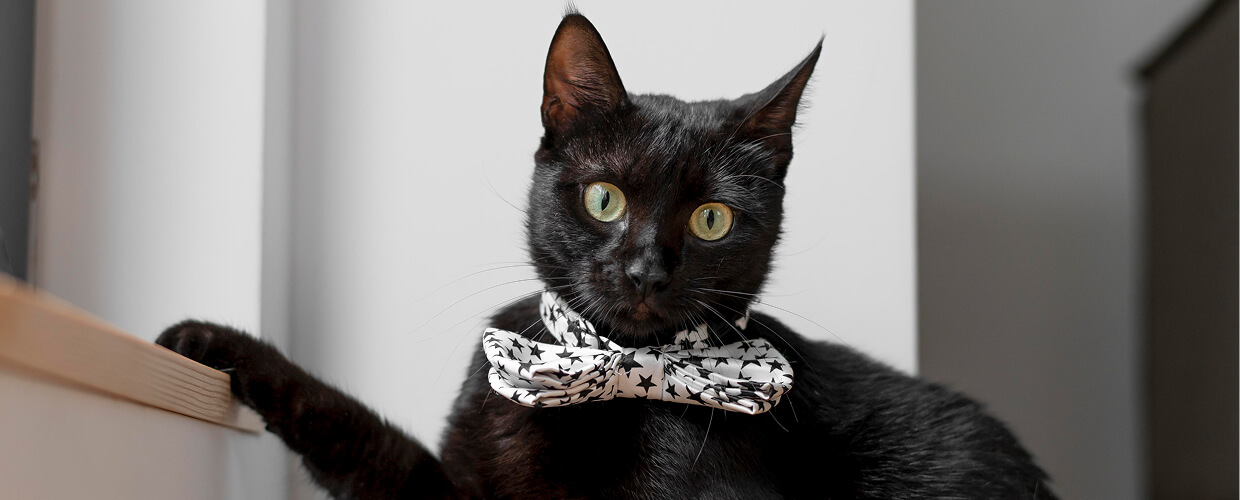
Table of Contents
- Why Black Cat Breeds Are Often Misunderstood
- Popular Black Cat Breeds You Should Know
- Personality Traits Common in Black Cat Breeds
- Caring for Black Cats: Practical Tips
- Choosing the Right Black Cat Breed for Your Lifestyle
- Black Cats and Adoption: Giving Them a Fair Chance
- Fun Facts About Black Cat Breeds
- Final Thoughts on Black Cat Breeds
Black cats have long been surrounded by mystery, myths, and a whole lot of misunderstanding. For some people, they’re symbols of bad luck. For others, they’re sleek, elegant, and incredibly charming. If you’ve ever found yourself curious about black cat breeds, you’re definitely not alone. Many internet users search for information because they want to adopt a black cat, learn the differences between breeds, or simply understand why these cats deserve more love.
The problem is, black cats are often grouped together as if they’re all the same. In reality, their personalities, coat textures, and care needs can vary widely depending on the breed. This lack of clear information sometimes leads to hesitation when choosing a black cat as a pet. The good news? Once you understand the different black cat breeds and what makes each one special, it becomes much easier to appreciate them—and even fall in love with one.
In this guide, we’ll break down popular black cat breeds, clear up common myths, and share practical tips to help you decide if a black cat is right for you.
Why Black Cat Breeds Are Often Misunderstood
Black cats have been unfairly judged for centuries. Old superstitions linked them to bad luck or witchcraft, and those ideas still linger today.
Because of this, black cats are often overlooked in shelters, even though they’re just as loving and playful as cats of any other color. Many internet users searching for black cat breeds are actually trying to separate fact from fiction.
Here’s the reality:
- Coat color does not affect a cat’s personality
- Black cats can be just as friendly, calm, or energetic as any other cat
- Many black cat breeds are known for being especially affectionate
Once you look past the myths, you’ll see that black cats are simply cats—with unique traits shaped by their breed and upbringing.
Popular Black Cat Breeds You Should Know
Not all black cats belong to the same breed. Some breeds are famous for their jet-black coats, while others can appear in many colors, including black.
Bombay Cat: The “Mini Panther”
The Bombay cat is probably the first breed people think of when talking about black cat breeds. They are known for their shiny black coat and striking copper or gold eyes.
Key traits include:
- Short, glossy fur that looks almost polished
- Friendly and people-oriented personality
- Enjoys attention and human interaction
Bombay cats are great for households that want a social and affectionate companion.
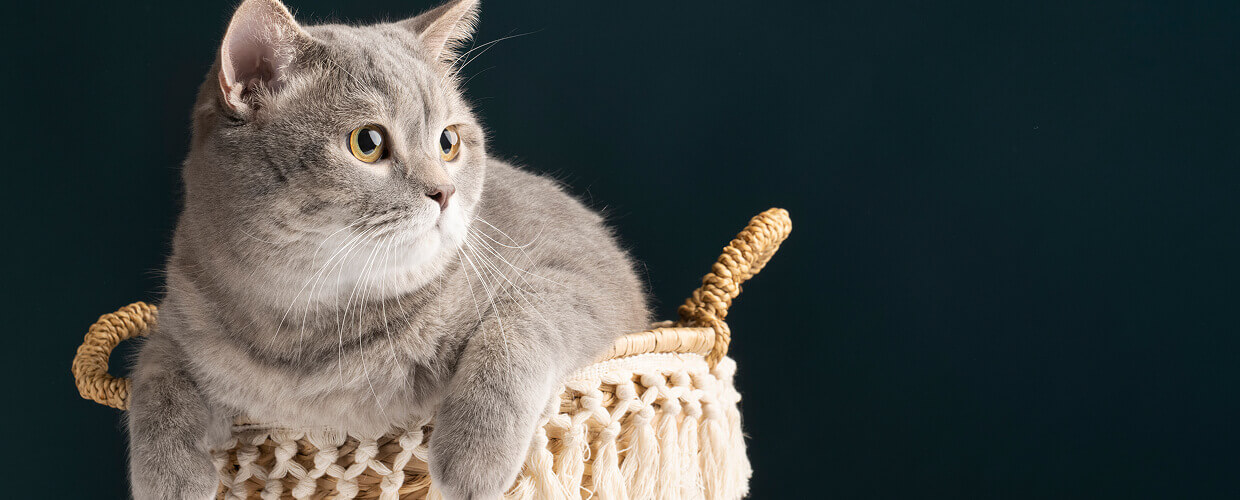
British Shorthair (Black Variety)
British Shorthairs come in many colors, but the black variety stands out for its plush coat and round face.
What makes them special:
- Calm and easygoing temperament
- Thick, dense fur with a soft texture
- Independent but still enjoys companionship
They’re ideal for people who want a relaxed cat that doesn’t demand constant attention.
Oriental Shorthair (Black Coat)
Oriental Shorthairs are sleek, vocal, and full of personality. When they come in black, their elegant body shape really shines.
Notable characteristics:
- Very talkative and expressive
- Strong bond with their owners
- High energy and playful nature
This breed is perfect if you enjoy an interactive and chatty cat.
American Shorthair (Black Color)
American Shorthairs are known for their adaptability and good health. Black-coated American Shorthairs are common and loved for their balanced personalities.
Why people love them:
- Friendly and adaptable to different homes
- Good with children and other pets
- Low-maintenance grooming needs
They’re a solid choice for first-time cat owners.
Personality Traits Common in Black Cat Breeds
While every cat is unique, many owners notice shared traits among black cats. These observations don’t apply to every individual, but they’re common enough to mention.
Black cat breeds are often described as:
- Affectionate and loyal
- Calm but playful when engaged
- Curious without being overly destructive
Many people who adopt black cats report that they form strong emotional bonds with their owners. This may be one reason why those who give black cats a chance often become lifelong fans.
Caring for Black Cats: Practical Tips
Caring for black cat breeds doesn’t require anything unusual, but there are a few practical tips that can make life easier for both you and your cat.
Grooming and Coat Care
Black fur can show dust, dandruff, and loose hair more easily.
Helpful grooming tips:
- Brush short-haired cats once a week
- Brush long-haired black cats two to three times a week
- Provide a balanced diet to keep the coat shiny
Regular grooming helps keep their coat healthy and looking its best.
Nutrition for a Healthy Shine
A shiny black coat is often a sign of good health.
Focus on:
- High-quality protein
- Essential fatty acids like omega-3 and omega-6
- Fresh water available at all times
Good nutrition supports both coat quality and overall well-being.
Indoor Safety and Visibility
One small challenge with black cats is visibility, especially in low light.
Simple solutions include:
- Using reflective or brightly colored collars
- Keeping night lights in hallways
- Being mindful when walking in dark rooms
These small steps can help prevent accidental trips or injuries.
Choosing the Right Black Cat Breed for Your Lifestyle
One of the biggest mistakes people make is choosing a cat based only on looks. When exploring black cat breeds, it’s important to consider how a breed fits into your daily routine.
Ask yourself:
- Do I want an active or laid-back cat?
- How much time can I spend interacting each day?
- Do I live alone, with family, or with other pets?
For example, a Bombay or Oriental Shorthair may thrive in a home where someone is around often. A British Shorthair may be happier with a quieter, more independent setup.
Matching personality with lifestyle leads to a happier cat and owner.
Black Cats and Adoption: Giving Them a Fair Chance
Many shelters report that black cats are adopted less frequently than lighter-colored cats. This is often due to outdated beliefs or even photography challenges that make them less noticeable online.
If you’re browsing adoption websites, take an extra moment to click on black cats. You may find a wonderful companion waiting patiently for a home.
Adopting a black cat can be especially rewarding because:
- You’re helping reduce shelter overcrowding
- Black cats are just as loving and playful
- You’re giving a misunderstood pet a fresh start
Sometimes, the best companions are the ones most people overlook.
Fun Facts About Black Cat Breeds
To wrap things up, here are a few fun facts that many people don’t know:
- In some cultures, black cats symbolize good luck and prosperity
- Their black coat comes from high melanin levels
- Some black cats appear brown or reddish in sunlight
These little details make black cats even more fascinating.
Final Thoughts on Black Cat Breeds
Black cats are more than just their color. As we’ve explored, black cat breeds include a wide range of personalities, energy levels, and care needs. From the affectionate Bombay to the calm British Shorthair, there’s a black cat out there for almost every type of home.
The main challenge is moving past old myths and focusing on what really matters: compatibility, care, and connection. By understanding different breeds and their traits, you can make a more confident and informed choice.
If you’re considering adding a cat to your life, don’t overlook black cats. Take time to learn, explore adoption resources, and keep an open mind. You might just discover that a black cat is exactly the companion you’ve been looking for.
FAQS
What are black cat breeds?


Black cat breeds refer to various cat breeds that can have a naturally solid black coat, rather than a single breed defined only by color.



Extra Deals & Recommendations From Our Partners
Discover exclusive offers, tools, and products from brands we collaborate with.


Hill’s Science Diet Sensitive Stomach & Skin
Give your small or mini breed dog the precise nutrition they need with Hill’s Science Diet Small & Mini Adult. Made with easy-to-digest ingredients like pumpkin, it supports healthy digestion and stool quality. Balanced protein, fats, and carbs help maintain ideal weight, while a proprietary antioxidant blend boosts lifelong immune health in a kibble perfect for small dogs.
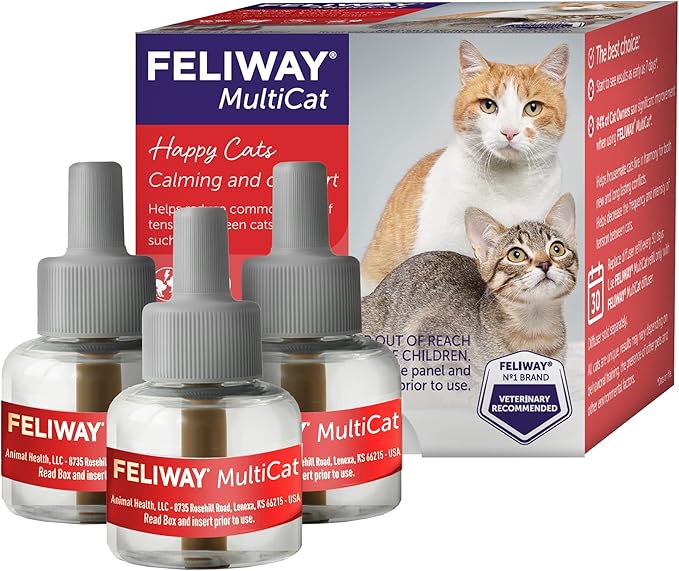
FELIWAY® MultiCat 3 x 30 Day Cat
FELIWAY MultiCat is a vet-recommended pheromone diffuser that helps reduce tension and conflict between cats, including fighting, chasing, and blocking. The drug-free formula provides up to 30 days of calming support per refill and covers up to 700 sq ft. Safe for all cats, it’s an easy, effective way to promote peace in multi-cat homes.

Natural Hemp Calming Chews for Dogs Maximum Strength
This natural calming formula blends Valerian Root, Chamomile, Passion Flower, Hemp Seed, Ashwagandha, and Lemon Balm to help reduce stress and anxiety. L-Theanine, L-Tryptophan, Magnesium, and Melatonin support relaxation and restful sleep, while ginger aids digestion. Made with wholesome ingredients like pumpkin, sweet potato, coconut oil, and natural duck flavor for a tasty, gentle, and effective calming supplement.

Happy Hoodie The Original Dog & Cat Calming Band
Made for groomers by groomers, Happy Hoodie calms and protects dogs from loud noise and air pressure during drying, grooming, nail clipping, and other stressful situations. Its gentle compression reduces noise, helps soothe anxiety, protects ears, and can aid with hematomas or post-surgery care. Soft, stretchy, washable, and long-lasting, it keeps pets comfortable at home or in the salon.

TheraTears Omega 3 Supplement for Eye Care
TheraTears Omega-3 supplements provide 1200mg of key nourishment to support eye health. This clinically tested blend of triglyceride fish oil, organic flaxseed oil, and vitamin E delivers 450mg EPA, 300mg DHA, and 450mg ALA per serving to promote eye comfort. Created by an ophthalmologist and recommended by doctors, TheraTears helps restore balance and hydration to dry eyes.

Yipetor Frozen Treat Dispensing Dog Toy
Frozen treat, slow-feeder, and interactive IQ dog toy in one—durable, safe, and great for mental stimulation.

Yaheetech Large Multi-Level Cat Tree
This cat tree offers a cozy, fun layout with a condo, hammock, scratching posts, ladder, perch, and detachable hanging ball. Rounded corners ensure safety, and the hammock hooks make removal easy. An anti-toppling kit adds extra stability by securing it to the wall. Includes a clear manual for easy assembly. A practical, stylish cat house for sleep, play, and relaxation.

Ninja Foodi 9-in-1 Pressure Cooker & Air Fryer
Cook 2 foods, 2 ways at once with this air fryer’s 2 independent baskets—no back-to-back batches. DualZone Technology offers Smart Finish for synchronized cooking and Match Cook to copy settings across both zones. Enjoy 6 functions: Air Fry, Broil, Roast, Bake, Reheat, and Dehydrate. With an 8-qt capacity, separate heating zones, easy cleaning, and up to 75% less fat, it’s perfect for fast family meals.