


Hairless Cat Breeds: A Friendly Guide for Curious Pet Parents
By PawHappiness Team | Updated | 4 minutes read | Cat Breeds
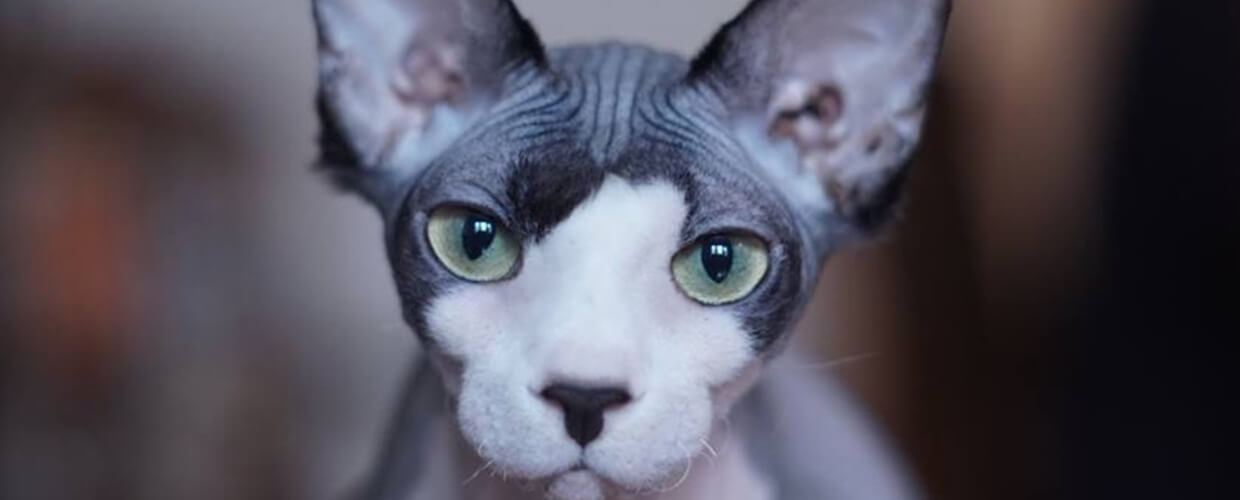
Table of Contents
- What Are Hairless Cat Breeds?
- Popular Hairless Cat Breeds Pet Parents Should Know
- Personality Traits of Hairless Cats
- Are Hairless Cats Hypoallergenic?
- Skin Care and Bathing Tips
- Temperature Sensitivity and Comfort
- Feeding and Nutrition Needs
- Health Considerations to Keep in Mind
- Are Hairless Cats Good for Families?
- Indoor Living and Enrichment
- Adoption vs Breeder: What to Consider
- Is a Hairless Cat Right for You?
- Final Thoughts for Pet Parents
Hairless cats tend to stop people in their tracks. Some pet parents instantly fall in love with their unique look, while others aren’t quite sure what to think. If you’ve ever wondered whether hairless cat breeds make good pets, you’re definitely not alone. These cats are becoming more popular, but they also come with plenty of questions.
Many people assume hairless cats are completely bald, low-maintenance, or even hypoallergenic. In reality, that’s only part of the story. While these cats don’t shed fur like typical cats, they still need specific care to stay healthy and comfortable. Things like skin care, temperature control, and diet matter more than you might expect.
The good news is that hairless cats can be loving, playful, and deeply bonded to their humans. With the right knowledge, they’re not as intimidating as they seem. This guide breaks down popular hairless cat breeds, what daily life with them looks like, and how pet parents can decide if one is the right match.
What Are Hairless Cat Breeds?
Hairless cats are breeds that naturally have little to no fur due to a genetic mutation. Some appear completely bald, while others have a fine layer of peach-fuzz-like hair.
They are often described as:
- Warm to the touch
- Wrinkled or soft-skinned
- Very people-oriented
Because they lack a full coat, their skin is more exposed. This means they need slightly different care compared to furry cats, but they’re still fully domestic and affectionate pets.
Popular Hairless Cat Breeds Pet Parents Should Know
Not all hairless cats are the same. Each breed has its own personality and care needs.
Sphynx
The most well-known hairless cat, the Sphynx is social, energetic, and loves attention. They’re often described as “dog-like” because they follow their humans around.
Peterbald
Peterbald cats range from completely hairless to lightly coated. They are intelligent, vocal, and enjoy constant interaction.
Donskoy
Similar in appearance to the Sphynx, the Donskoy has a different genetic origin. They are loyal, calm, and very affectionate.
Bambino
A mix of Sphynx and Munchkin, Bambinos are hairless with short legs. They are playful, friendly, and curious.
Each breed offers a unique balance of energy, affection, and care requirements.
Personality Traits of Hairless Cats
One surprise for many pet parents is how loving hairless cats can be. Without fur, they often seek warmth and closeness.
Common personality traits include:
- Strong attachment to humans
- High social needs
- Playful and curious behavior
They usually don’t enjoy being alone for long periods. If you’re away often, providing companionship or enrichment is important.
Are Hairless Cats Hypoallergenic?
This is a common misconception. Hairless cats are not completely hypoallergenic. Allergies are usually triggered by proteins in saliva and skin oils, not fur.
However:
- Less fur means fewer allergens spread around the home
- Some allergy sufferers find them easier to tolerate
Spending time with a hairless cat before adoption is the best way to know how your allergies will react.
Skin Care and Bathing Tips
Because hairless cats don’t have fur to absorb oils, their skin can become oily over time. Regular cleaning is essential.
Helpful skin care tips:
- Bathe once every 1–2 weeks
- Use gentle, cat-safe shampoo
- Wipe skin folds to prevent buildup
Skipping baths can lead to clogged pores or skin irritation, so consistency matters.
Temperature Sensitivity and Comfort
Without fur, these cats feel temperature changes more strongly. They love warmth and cozy spaces.
To keep them comfortable:
- Provide soft blankets and heated beds
- Avoid cold drafts
- Consider cat-safe sweaters in cooler weather
They also need protection from direct sunlight, as their skin can burn.
Feeding and Nutrition Needs
Hairless cats often have faster metabolisms because they burn more energy staying warm. This means they may eat more than furry cats of the same size.
Nutrition tips include:
- High-quality, protein-rich food
- Consistent feeding schedule
- Monitoring weight regularly
Always consult your vet to adjust portions as needed.
Health Considerations to Keep in Mind
Hairless cats are generally healthy, but they do have breed-specific concerns.
Potential issues include:
- Skin infections if hygiene is poor
- Dental issues in some breeds
- Heart conditions like hypertrophic cardiomyopathy (HCM)
Regular vet visits and early screening help catch problems early.
Are Hairless Cats Good for Families?
Hairless cats can be excellent family pets, especially in homes where they get plenty of attention. They tend to enjoy gentle handling and interaction.
They do best in homes with:
- Older children who handle pets carefully
- Warm, stable indoor environments
- Consistent routines
Because of their sensitive skin, rough play should always be avoided.
Indoor Living and Enrichment
Hairless cats should live indoors only. Their lack of fur makes outdoor life unsafe.
To keep them happy indoors:
- Offer interactive toys
- Use climbing structures
- Schedule daily play sessions
Mental stimulation is just as important as physical comfort.
Adoption vs Breeder: What to Consider
Hairless cats are less common in shelters, but adoption is still possible. Reputable breeders are often the main source.
When choosing a breeder:
- Ask for health testing records
- Meet the kitten’s parents if possible
- Avoid sellers who rush the process
Responsible sourcing ensures a healthier pet and better experience.
Is a Hairless Cat Right for You?
Before bringing one home, it’s important to think honestly about your lifestyle.
Ask yourself:
- Can I commit to regular skin care?
- Is my home warm enough year-round?
- Do I want a highly social cat?
If the answer is yes, a hairless cat can be an incredibly rewarding companion.
Final Thoughts for Pet Parents
Hairless cat breeds may look unusual, but they offer warmth, affection, and personality in abundance. While they need extra care compared to furry cats, many pet parents find the effort well worth it.
By understanding their skin care needs, social nature, and health considerations, you can decide with confidence whether a hairless cat fits your home. If you’re curious to learn more, explore breed-specific resources or speak with experienced owners and vets. The right match makes all the difference.
FAQS
How many hairless cat breeds are there?


There are about four to five recognized hairless cat breeds worldwide, including the Sphynx, Peterbald, Donskoy, Bambino, and Elf, though recognition may vary by cat associations.
What hairless cat breeds?
Hairless cat breeds include the Sphynx, Peterbald, Donskoy, Bambino, Elf, and Ukrainian Levkoy. These cats have little to no fur and are known for their affectionate nature.


Extra Deals & Recommendations From Our Partners
Discover exclusive offers, tools, and products from brands we collaborate with.


A pet-proof trash can can prevent dumpster diving.
This durable trash can lock turns nearly any hinged-lid bin into an animal-proof solution, keeping raccoons, pets, and even bears out. Built for all-weather protection with adjustable straps for a universal fit, it installs easily with the included hardware. The one-hand release design offers quick, convenient access while keeping your yard clean and critter-free.

PETKIT Ultra Quiet Smart Water Fountain
The upgraded cat water fountain uses a safer wireless 3.0 pump with foam filtering to extend pump life. A separable tank and base make refilling and cleaning easy. PETKIT Filter 3.0 offers better filtration, while dry-burn protection stops the pump when water is low. An indicator light alerts you to refill, and the quiet gushing flow encourages pets to drink more.

NaturVet – ArthriSoothe-Gold Advanced Care Liquid
Liquid joint supplement for dogs & cats with glucosamine, MSM, chondroitin,and antioxidants to support mobility, cartilage health, and joint comfort. Vet-approved, made in the USA.
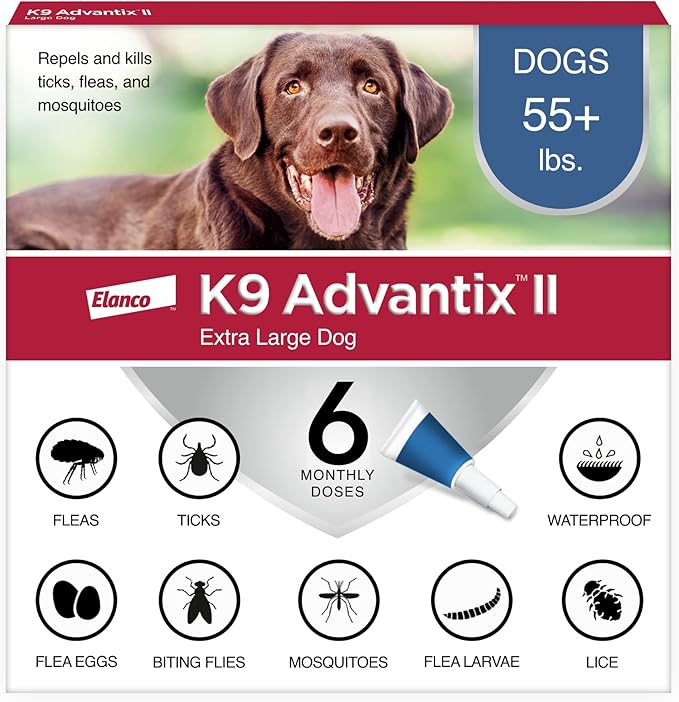
K9 Advantix II (Flea & Tick Prevention)
Imidacloprid 8.80% Permethrin* 44.00% Pyriproxyfen 0.44% Other Ingredients 46.76%.
K9 Advantix II protects extra-large dogs from fleas, ticks, mosquitoes, biting flies, and lice. It kills and repels pests fast, is easy to apply, waterproof, and offers monthly, prescription-free protection.

Vet’s Best Natural Flea and Tick Home Spray
This natural flea & tick spray protects your dog and home by killing fleas, eggs, larvae, ticks, and mosquitoes. Gentle enough for dogs 12 weeks and older, it can be applied directly to skin and used on carpets or furniture without staining. Made with certified natural plant-based ingredients like peppermint oil and eugenol, it’s proven effective and proudly made in the USA.

Orthopedic Dog Beds for Medium Dogs
This dog bed is made of high-density egg-crate foam,which can evenly distribute the dog's weight,relieve all joints and pressure points.The quadrilateral cushion design enhances ultimate comfort and security,providing your pet with various comfortable snuggling positions.The shape of the soft cushion is filled with fullness,which can support the pet's head and neck,making it sleep more comfortably.

LEVOIT Core P350 Pet Allergies Air Purifier
Choose AHAM-Verifide air purifiers for trusted, independently tested performance and safety. The activated carbon filter neutralizes pet odors, litter smells, and smoke with over 92% deodorization. Perfect for pet parents, Core P350-P reduces sneezing and congestion while eliminating odors. Its pre-filter traps fur, dust, and lint, keeping your home cleaner.

Wuffes Advanced Dog Hip and Joint Supplement with Glucosamine
Powerful Joint Support: Advanced Hip & Joint Support chews are designed to help maintain your pet’s joint health and overall mobility, promoting comfort and a better quality of life - especially for aging or active dogs.