


Large Cat Breeds: Gentle Giants That Make Amazing Pets
By PawHappiness Team | Updated | 4 minutes read | Cat Breeds
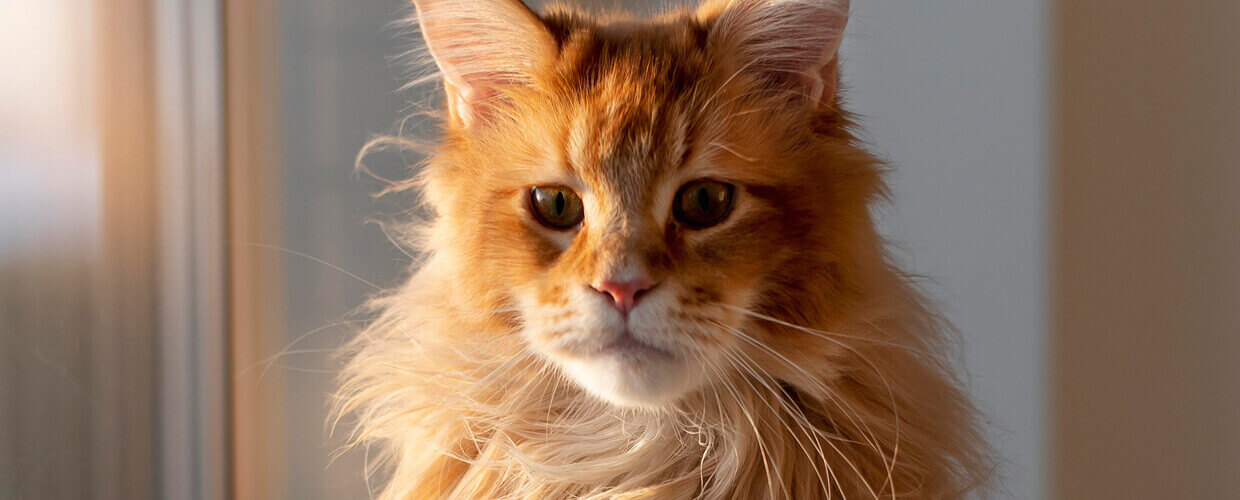
Table of Contents
If you’ve ever looked at your cat and thought, “Why does this one feel more like a small lion?”—you’re not alone. Many pet parents are drawn to cats that are bigger than average, both in size and personality. Large cat breeds are known for their impressive build, fluffy coats, and often surprisingly gentle nature.
That said, bringing home a bigger cat isn’t the same as adopting a typical-sized feline. Larger cats need more space, more food, and sometimes more grooming. This can leave pet parents wondering if they’re truly prepared. Will a big cat fit comfortably in an apartment? Are they harder to care for? Do they get along with kids and other pets?
The good news is that with the right knowledge, these concerns are easy to manage. By understanding the traits, needs, and lifestyle requirements of bigger cats, you can decide whether one of these gentle giants is a good match for your home. Let’s take a closer look at what makes these cats special and how to care for them properly.
What Defines Large Cat Breeds?
Not all big cats are the same, and size alone doesn’t tell the full story. Some cats are tall and lean, while others are heavy, muscular, or extra fluffy.
Generally, cats considered “large” tend to:
- Weigh between 15–25 pounds or more
- Have longer bodies and broader frames
- Mature more slowly than smaller cats
Because of their size, these cats often feel more solid when you pick them up. However, many are known for being calm, friendly, and people-oriented.
Understanding what contributes to their size helps pet parents prepare for their needs, especially when it comes to space and nutrition.
Popular Large Cat Breeds Pet Parents Love
Some breeds are well-known for their impressive size and lovable personalities. Here are a few favorites.
Maine Coon
Often called the “gentle giant,” the Maine Coon is one of the most popular large domestic cats. They are friendly, playful, and great with families.
Norwegian Forest Cat
This breed has a strong build and thick coat designed for cold climates. They’re independent but still enjoy human companionship.
Ragdoll
Ragdolls are big, soft, and famously relaxed. They love being around people and often go limp when picked up.
Siberian
Despite their size and dense fur, Siberians are agile and energetic. They’re also known to be affectionate and intelligent.
Each of these cats offers a different personality, making it easier for pet parents to find one that suits their lifestyle.
Personality Traits You Can Expect
Size doesn’t mean attitude. In fact, many larger cats are calmer than their smaller counterparts.
Common traits include:
- Gentle and patient behavior
- Strong bonds with their humans
- Social but not overly demanding
Because they mature slowly, some big cats stay playful well into adulthood. This makes them great companions for households that enjoy interactive play.
That said, each cat is still an individual. Spending time with the breed before adoption helps set realistic expectations.
Space and Home Setup Tips
A common concern among pet parents is whether large cats need a huge home. While they don’t require mansions, they do benefit from thoughtful setups.
To keep them comfortable:
- Choose sturdy cat trees that support their weight
- Provide wide scratching posts
- Make sure litter boxes are spacious
Vertical space is just as important as floor space. Tall shelves or window perches allow them to move and relax comfortably.
With a few adjustments, even apartments can work well for bigger cats.
Feeding and Nutrition Considerations
Larger cats eat more, but that doesn’t mean free-feeding is a good idea. Portion control is key.
Helpful feeding tips:
- Choose high-protein, balanced food
- Measure portions based on weight and activity level
- Avoid excessive treats
Overfeeding can quickly lead to weight issues, which puts stress on joints. A consistent feeding routine keeps them healthy and active.
Grooming Needs for Bigger Cats
Many large cats have long or thick coats, which means grooming is essential.
Regular grooming helps:
- Prevent mats and tangles
- Reduce shedding
- Strengthen your bond
Most long-haired cats benefit from brushing at least 2–3 times a week. Starting early makes grooming easier as they grow.
Health and Lifespan Awareness
Overall, many large breeds are healthy, but size can come with specific concerns.
Things to watch for include:
- Joint health
- Heart conditions common to certain breeds
- Obesity-related issues
Routine vet visits and early screening help catch problems early. With proper care, many larger cats live long, happy lives.
Are Large Cat Breeds Right for You?
Before bringing home a bigger cat, it’s important to be honest about your lifestyle.
Ask yourself:
- Do I have time for grooming and play?
- Can I afford higher food and vet costs?
- Am I comfortable handling a heavier cat?
If the answer is yes, then a larger feline could be a wonderful addition to your family.
Final Thoughts for Pet Parents
Large cat breeds offer the best of both worlds: impressive size and loving personalities. While they may need a bit more space, food, and grooming, they often repay that effort with affection and loyalty.
By understanding their needs and planning ahead, pet parents can enjoy life with a gentle giant who fits seamlessly into their home. If you’re curious to learn more, explore breed-specific guides or speak with experienced breeders and vets. The right knowledge makes all the difference when choosing your next feline companion.
FAQS
What are large cat breeds ?


Large cat breeds are domestic cats known for their bigger size, longer bodies, and strong build compared to average cats. Popular examples include the Maine Coon, Ragdoll, Siberian, and Norwegian Forest Cat.
What cat breeds have large paws?
Cat breeds with large paws include the Maine Coon, Norwegian Forest Cat, Siberian, Bengal, and Savannah. Their oversized paws help with balance, climbing, and moving on snow or rough surfaces.


Extra Deals & Recommendations From Our Partners
Discover exclusive offers, tools, and products from brands we collaborate with.


Purina Pro Plan Large Breed Dry Puppy Food, Chicken and Rice Formula
Formulated to support an appropriate growth rate for large breed puppies, High protein formula, with real chicken as the first ingredient, Vitamin A and omega-6 fatty acids to nourish skin and coat, DHA from omega-rich fish oil nourishes brain and vision development. Glucosamine supports developing joints and cartilage

Benebone Wishbone Durable Dog Chew Toy
Built for super chewers, Benebone Wishbone is tougher than real bones and lasts for weeks. Made with 100% real bacon for irresistible flavor dogs love. Its curved, paw-friendly shape makes it easy to grip and chew. Proudly made and sourced in the USA, and backed by a happiness guarantee for you and your pup.

Buddy Biscuits Trainers Training Bites Soft & Chewy Dog Treats, Beef, 10 oz. Bag
Buddy Training Bites are bite-sized, low-calorie dog treats made with real pork liver as the first ingredient. With only 1.5 calories per treat, they’re perfect for extended training sessions. Made in the USA with no corn, soy, artificial flavors, or preservatives, each bag includes about 500 tasty treats in recyclable packaging dogs love.

Loving Pets Bella Dog Bowls
A durable 27 oz stainless steel bowl with a poly-resin exterior that’s dishwasher-safe and hygienic. Includes a removable rubber base to prevent slipping and spills. Its award-winning design comes in vibrant colors and multiple sizes for dogs and cats. Vet-recommended and perfect for food or water at home or on the go.

Dog Allergy Chews 200ct
Soft allergy chews for dogs that relieve itching, hot spots, and rashes while supporting skin, immune, and gut health with omega-3 salmon oil, colostrum, and probiotics.

Purina Tidy Cats Breeze System — Best for Low Maintenance
These Tidy Cats Breeze Multi-Cat Pads are designed for the Breeze system, offering fast absorption and up to 7 days of ammonia odor control for two cats. Each pack includes 8 disposable pads that lock in moisture to keep the litter box dry and your home smelling fresh. Cleanup is simple with no urine clumps to scoop. Backed by a satisfaction guarantee for worry-free use.

FRONTLINE Plus Flea and Tick
FRONTLINE Plus for Dogs is a fast-acting, waterproof monthly topical that kills fleas, flea eggs, larvae, chewing lice, and ticks, breaks the flea life cycle, and provides 30 days of trusted protection for dogs and puppies 8 weeks and older.

Greenies Pill Pockets for Cats
These Feline Greenies Smartbites are vet-designed cat treats made with omega-3–rich fish oil and flaxseed to support healthy skin and fur. They include added vitamins and minerals for balanced nutrition, and come in a tasty chicken flavor with a crunchy-soft texture. Perfect as daily treats or for use in treat-dispensing toys to keep adult cats happy and engaged.