


Orange Cat Breeds: A Pet Parent’s Guide to Ginger Cats and Their Unique Charm
By PawHappiness Team | Updated | 4 minutes read | Cat Breeds
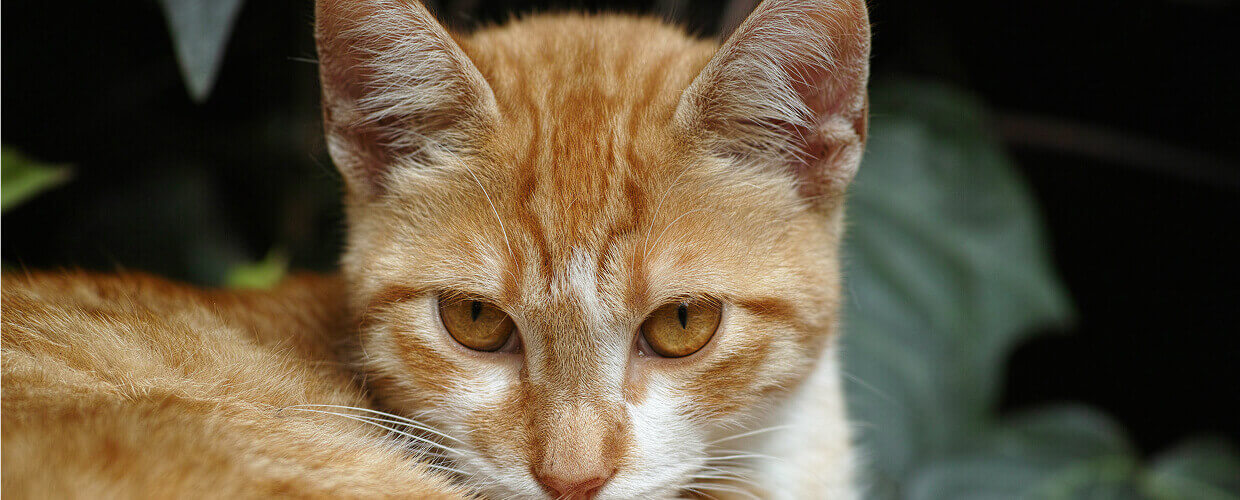
Table of Contents
- What Are Orange Cat Breeds?
- Popular Orange Cat Breeds Pet Parents Love
- Are Orange Cats Really More Friendly?
- Male vs Female Orange Cats: What Pet Parents Should Know
- Caring for Orange Cat Breeds at Home
- Orange Cat Breeds and Indoor Living
- Common Myths About Orange Cat Breeds
- Choosing the Right Orange Cat for Your Family
- Final Thoughts on Orange Cat Breeds
If you’re a pet parent who can’t resist a cat with a warm, sunny coat, you’ve probably found yourself curious about orange cat breeds. These ginger cats seem to have a special place on the internet—and in many homes—thanks to their expressive faces, playful behavior, and sometimes hilarious personalities. However, while orange cats are easy to fall in love with, they’re often misunderstood.
Many pet parents assume orange cats are all the same, or they believe common myths like “orange cats are always crazy” or “they’re all male.” As a result, choosing or caring for an orange cat can feel confusing, especially for first-time owners. The truth is, orange is a coat color, not a personality type, and understanding this makes a big difference.
In this guide, we’ll explore what orange cat breeds really are, which breeds commonly have orange coats, and how pet parents can care for them properly. By the end, you’ll know what to expect and how to give your ginger cat a happy, healthy life.
What Are Orange Cat Breeds?
Orange cat breeds aren’t a single breed. Instead, the term refers to many cat breeds that can have orange, ginger, or marmalade-colored fur. This coloring comes from genetics linked to the X chromosome, which explains why most orange cats are male.
Orange cats can appear in several patterns, including:
- Orange tabby (striped, classic, or ticked)
- Solid orange
- Orange and white
Because color and breed are separate, orange cats can vary widely in size, coat length, and personality. Therefore, understanding the breed behind the color is more important than focusing on appearance alone.
Popular Orange Cat Breeds Pet Parents Love
Many well-known cat breeds commonly come in orange coats. Here are some favorites among pet parents.
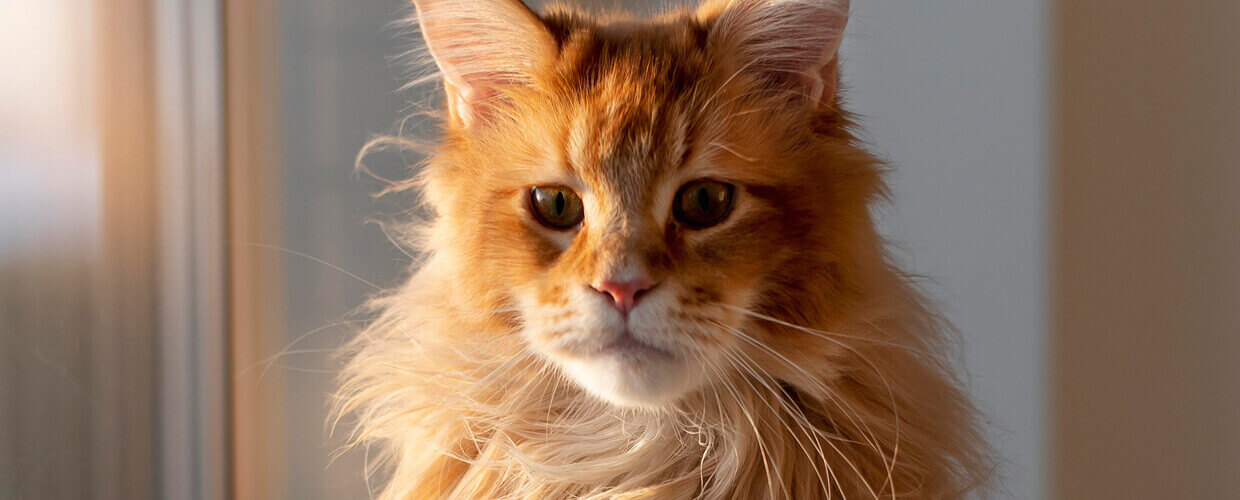
Maine Coon
Maine Coons are one of the largest domestic cat breeds, and orange is a very common color for them.
Why they’re loved:
- Friendly and social personality
- Great with kids and other pets
- Fluffy coat and lion-like appearance
As a result, orange Maine Coons often look majestic but act gentle.
American Shorthair
American Shorthairs frequently appear as orange tabbies.
Key traits:
- Adaptable and easygoing
- Low-maintenance grooming
- Healthy and long-lived
They’re a great option for busy pet parents.
British Shorthair
British Shorthairs with orange coats look like plush teddy bears.
What stands out:
- Calm and independent nature
- Thick, dense fur
- Ideal for indoor living
Therefore, they suit quieter households very well.
Are Orange Cats Really More Friendly?
One of the most common questions pet parents ask is whether orange cats are more affectionate. While coat color doesn’t scientifically determine personality, many owners notice similar traits.
Commonly reported behaviors include:
- Social and people-oriented
- Playful and curious
- Confident in new environments
However, these traits are usually linked to breed and upbringing. In other words, environment matters just as much as genetics.
Male vs Female Orange Cats: What Pet Parents Should Know
Because orange coloring is linked to genetics, about 70–80% of orange cats are male. This leads to the belief that female orange cats are rare.
Here’s what to keep in mind:
- Male orange cats are more common
- Female orange cats exist, just less frequently
- Personality depends on socialization, not gender
So, while you may need patience to find a female ginger cat, it’s definitely possible.
Caring for Orange Cat Breeds at Home
Caring for orange cat breeds is very similar to caring for any domestic cat. Still, there are a few things pet parents should pay attention to.
Nutrition and Weight Control
Orange cats, especially indoor ones, can gain weight easily.
Helpful tips include:
- Feeding measured portions
- Choosing high-protein food
- Encouraging daily play
As a result, your cat stays active and healthy.
Grooming Based on Coat Type
Grooming needs depend on fur length, not color.
General guidelines:
- Short-haired orange cats: brush once a week
- Long-haired breeds: brush 2–3 times weekly
Regular grooming reduces shedding and hairballs.
Orange Cat Breeds and Indoor Living
Most orange cats adapt very well to indoor life. However, they still need stimulation.
Important indoor essentials:
- Scratching posts
- Interactive toys
- Window perches or climbing shelves
Meanwhile, rotating toys helps prevent boredom and destructive behavior.
Common Myths About Orange Cat Breeds
There are many myths that can confuse pet parents.
Let’s clear a few up:
- “Orange cats are dumb” – They’re often just expressive
- “They’re all hyper” – Energy levels vary by breed
- “They all act the same” – Personality is individual
Understanding these myths helps set realistic expectations.
Choosing the Right Orange Cat for Your Family
When adopting, it’s best to focus on compatibility rather than color alone.
Consider:
- Your living space
- Time for play and bonding
- Long-term commitment
For example, a calm British Shorthair suits apartment living, while a playful Maine Coon needs more interaction.
Final Thoughts on Orange Cat Breeds
Orange cat breeds are loved for their warm coloring, expressive personalities, and strong bond with their pet parents. While their ginger coats make them stand out, their care needs depend more on breed, lifestyle, and environment. By understanding common myths, choosing the right breed, and providing proper nutrition, grooming, and enrichment, you can give your orange cat a happy and balanced life.
If you’re considering adding a ginger cat to your family, take time to research and prepare your home. For more helpful pet-parent guides and breed tips, explore trusted resources and continue learning to become the best companion your cat could ask for.
FAQS
What are orange cat breeds called?


Orange cat breeds are not called by a single official name, because “orange” refers to a coat color rather than a specific breed.
What cat breeds are orange?
Several cat breeds can be orange, since orange is a coat color rather than a specific breed.


Extra Deals & Recommendations From Our Partners
Discover exclusive offers, tools, and products from brands we collaborate with.


Kurgo Dog Car Seat Belt Tether + Harness
The Kurgo Auto Zip Line keeps your dog safely secured in the backseat while allowing controlled freedom during car rides. It installs easily between two fixed points in most vehicles and includes a tether that can double as a short lead. Built with durable steel hardware and rugged materials, it’s designed for real-world travel and backed by Kurgo’s lifetime warranty.

Hemp Calming Chews for Dogs 150 Count (11.6 oz)
Vet-recommended calming chews that naturally reduce dog anxiety from barking, separation, travel, fireworks, and vet visits. Works in 30 minutes and lasts up to 12 hours, also helping ease joint pain and discomfort. Made with hemp oil, valerian, chamomile, B1, passionflower, and turmeric—no corn, wheat, soy, or artificials. Peking Duck flavor dogs love. Safe for all breeds and sizes.

Petsfit Dog Car Seat Carrier
This dog booster car seat fits medium dogs up to 45 lbs or two small pets. Made from durable oxford with a removable, washable pad, it offers comfort and support for anxious or carsick dogs. Adjustable straps, safety clips, and anti-slip buckles reduce distracted driving, while the elevated design gives pets a clear window view. It’s easy to install, fold, store, and includes storage pockets.
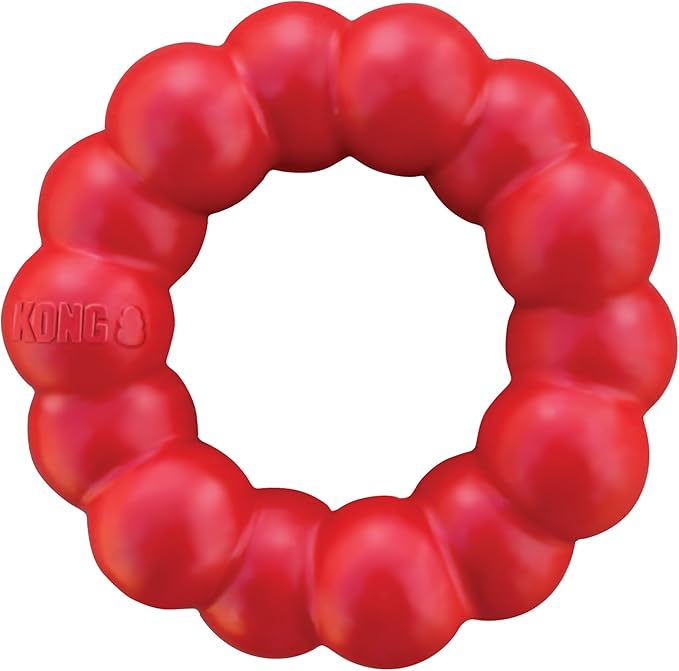
KONG Puppy Toy for Stress Relief
The KONG Ring is a durable chew toy made from KONG’s natural red rubber, designed for long-lasting chewing sessions. Its added nubs enhance the chewing experience while helping clean teeth and support healthy gums. This toy provides enrichment, satisfies natural chewing instincts, and encourages healthy chewing habits.

Pet MD Antiseptic & Antifungal Spray
1% Hydrocortisone spray provides fast relief from bites and skin irritations. This non-stinging, fragrance-free formula helps reduce inflammation, itching, redness, and swelling to break the cycle of scratching. Safe for dogs, cats, and horses, it soothes hot spots and supports quick healing. Made in the USA with strict quality control you can trust.

Pet-safe flameless candles
These flameless LED tea lights feature a flickering warm glow and melted-edge design for a realistic candle look. Each light offers 200+ hours of runtime thanks to its 240mAh battery. Safe and mess-free, they eliminate fire risks and wax drips—perfect for homes with kids or pets. Made with secure, sealed battery compartments and UN38.8-certified CR2032 batteries for reliable performance.

Veterinary Formula Clinical Care Hot Spot & Itch Relief Spray
Fast-acting oatmeal and aloe shampoo quickly soothes irritated skin, reducing licking and scratching. This vet-recommended, pH-balanced formula softens the coat and helps calm hot spots from allergies, bites, or moisture. Free of parabens, soaps, and dyes, it hydrates and nourishes pets 12+ weeks. Use with the matching conditioner for complete, affordable skin relief.

Purina Tidy Cats Breeze System — Best for Low Maintenance
These Tidy Cats Breeze Multi-Cat Pads are designed for the Breeze system, offering fast absorption and up to 7 days of ammonia odor control for two cats. Each pack includes 8 disposable pads that lock in moisture to keep the litter box dry and your home smelling fresh. Cleanup is simple with no urine clumps to scoop. Backed by a satisfaction guarantee for worry-free use.