


Rare Cat Breeds: Unique Feline Companions You Don’t See
By PawHappiness Team | Updated | 3 minutes read | Cat Breeds
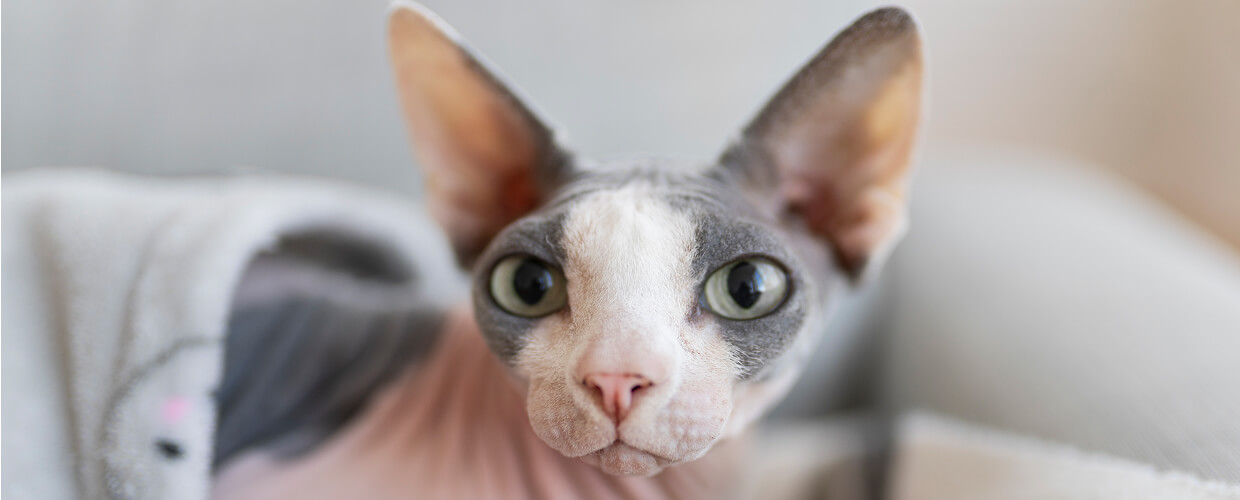
If you’re a pet parent who loves cats, chances are you’ve seen the usual favorites everywhere. While those cats are wonderful, some people want something a little different. That’s where rare cat breeds come in. These cats stand out because of their unusual appearance, limited population, or fascinating background.
However, owning a less common cat isn’t just about having a unique pet. It also comes with questions. Are they harder to care for? Do they need special grooming? Are they good with families? Many pet parents feel excited but unsure at the same time.
Luckily, learning about these unique feline companions makes all the difference. By understanding their traits, care needs, and personalities, you can decide whether one is right for your home. In this guide, we’ll explore what makes certain cats rare, highlight some truly special breeds, and share practical tips to help you become a confident and responsible pet parent.
What Makes a Cat Breed Rare?
Not every uncommon-looking cat is considered rare. In most cases, rarity comes down to availability and history.
Some cats are rare because:
- They come from a small breeding population
- They originate from specific regions
- They have unique genetic traits
- They are newly recognized by cat associations
Because of this, these cats are often harder to find than popular breeds. As a result, they may also come with higher costs and stricter adoption requirements.
Still, rarity doesn’t always mean difficulty. Many lesser-known cats adapt well to family life when their needs are understood early on.
Popular Rare Cat Breeds Worth Knowing
Although there are many uncommon cats worldwide, a few stand out among pet parents.
Savannah Cat
The Savannah cat is known for its tall build and wild appearance. Despite its exotic look, it can be affectionate and social when raised properly.
Peterbald
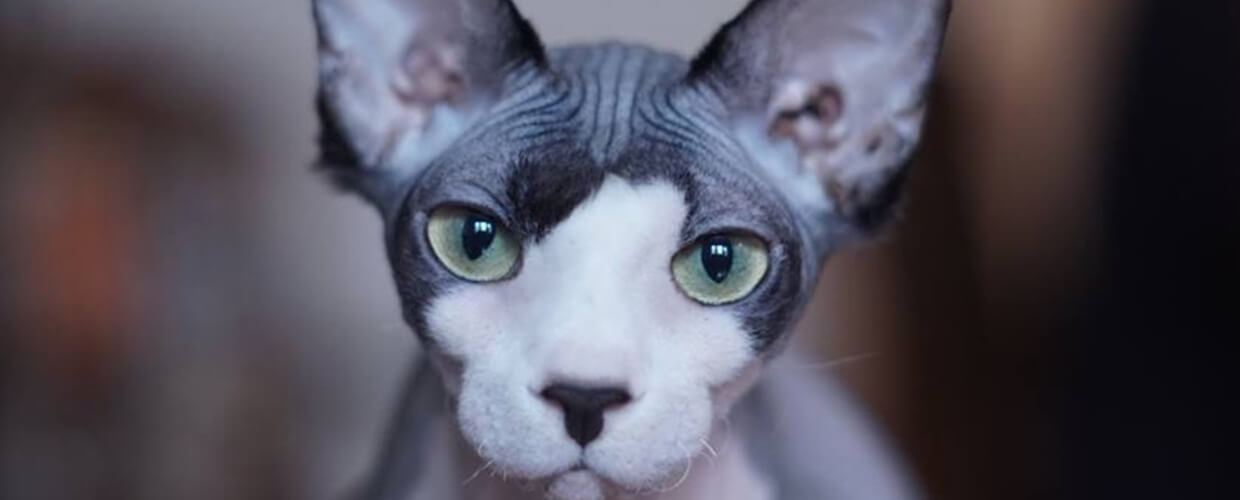
This elegant breed is often hairless or has a very fine coat. Because of that, it needs extra skin care and warmth.
Khao Manee
This striking white cat with jewel-like eyes comes from Thailand. It’s friendly, vocal, and deeply bonded with its humans.
Kurilian Bobtail
With a naturally short tail and playful personality, this breed is both intelligent and adaptable.
Each of these cats offers something different, which is why they appeal to pet parents looking beyond common choices.
Personality and Lifestyle Compatibility
Before choosing a rare feline, it’s important to look past appearances. Personality matters just as much.
Some uncommon cats are:
- Very social and attention-seeking
- Highly energetic and playful
- More independent than average
For example, active households may enjoy energetic breeds, while quieter homes might prefer calmer companions. By matching a cat’s temperament with your daily routine, you reduce stress for both you and your pet.
Grooming and Care Considerations
Many rare cat breeds have specific grooming needs. This can surprise first-time owners.
Common care requirements include:
- Regular brushing for unique coats
- Skin care for hairless or short-coated cats
- Nail and ear maintenance
In addition, some breeds are sensitive to temperature changes. Because of that, indoor environments are often the safest option.
Understanding grooming early helps prevent health issues and builds a stronger bond with your cat.
Health and Longevity Factors
While many uncommon cats are healthy, some carry genetic traits that require attention. Responsible breeders usually screen for these issues.
To support long-term health:
- Schedule regular vet visits
- Ask breeders about health testing
- Maintain a balanced diet
By staying proactive, pet parents can enjoy many happy years with their feline companions.
Is a Rare Cat Breed Right for You?
Owning a unique cat can be incredibly rewarding. Still, it’s not a decision to rush.
Ask yourself:
- Do I have time for special care needs?
- Can I afford higher upfront or medical costs?
- Am I prepared to research and learn continuously?
If the answer is yes, then a less common breed may be a great match for your lifestyle.
Final Thoughts for Curious Pet Parents
Rare cat breeds offer beauty, personality, and a sense of connection that feels truly special. While they may require extra research and care, the reward is a deep bond with a one-of-a-kind companion.
By understanding their traits, grooming needs, and health considerations, you set yourself up for success. If you’re curious to learn more, keep exploring trusted resources, talk to experienced breeders, and connect with other pet parents who share your passion. With the right knowledge, your next feline friend could be unlike any other.


Extra Deals & Recommendations From Our Partners
Discover exclusive offers, tools, and products from brands we collaborate with.
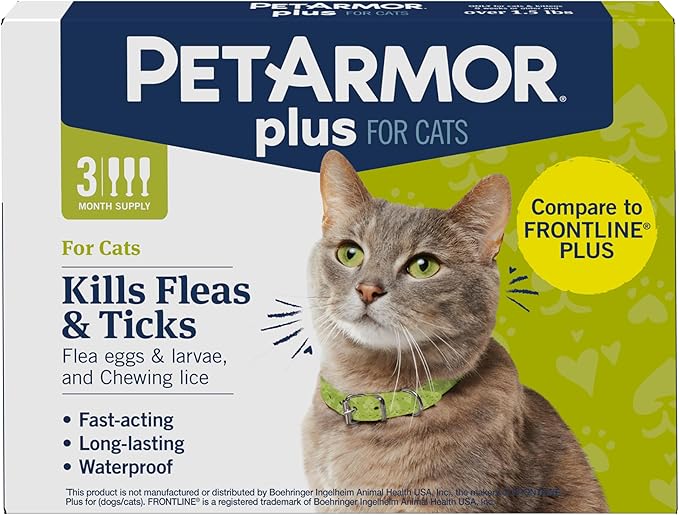

PetArmor Plus Flea and Tick Prevention for Cats
Active Ingredients: Friponil (9.80%), (S)-Methoprene (11.80%). Other Ingredients: (78.40%), Total (100.00%). Your pets are family, and PETARMOR helps you confidently care for your cat, especially when it comes to flea and tick control.

INABA Churu Cat Treats, Grain-Free, Lickable
Made with human-grade ingredients like farm-raised chicken and wild-caught tuna, Churu treats keep cats hydrated with 91% moisture and only 6 calories per tube. They’re free from grains, preservatives, artificial colors, and carrageenan, with added taurine for health. These creamy, lickable tubes are perfect for hand-feeding, topping food, or hiding meds, and come in many tasty flavors.

SHARLOVY Dog Squeaky Toys 5 Pack
5 pack dog squeaky toys, cute animal dog toy bundle includes squirrel, cow, fox, wolf, tiger dog toys, all in the long size and stuffing free, suitable for dogs of all breeds to carry. It’s the unique pack on the market, toys for dogs to keep them busy, design for your best furry friend.

Pet Products Heated Cat Bed Indoor
This large heated cat bed features soft, flexible sidewalls and a 4-watt removable heater that warms to your pet’s body temperature for safe, energy-efficient comfort. Fully washable once the heater is removed, it’s ideal for large cats and small dogs. Designed by K&H with 25+ years of expertise, this safety-certified bed offers year-round coziness and reliable quality.

Beastron Electric Food Processor
The stack & press design makes chopping simple—just press the lid to chop and release to stop, with no tricky locking needed. This 3-cup chopper is ideal for daily use and easy to store. Stainless steel blades chop, purée, and emulsify with ease, while the lid’s oil dispenser helps create dressings and dips. With dishwasher-safe parts and a powerful 350W motor, it handles tough ingredients effortlessly.
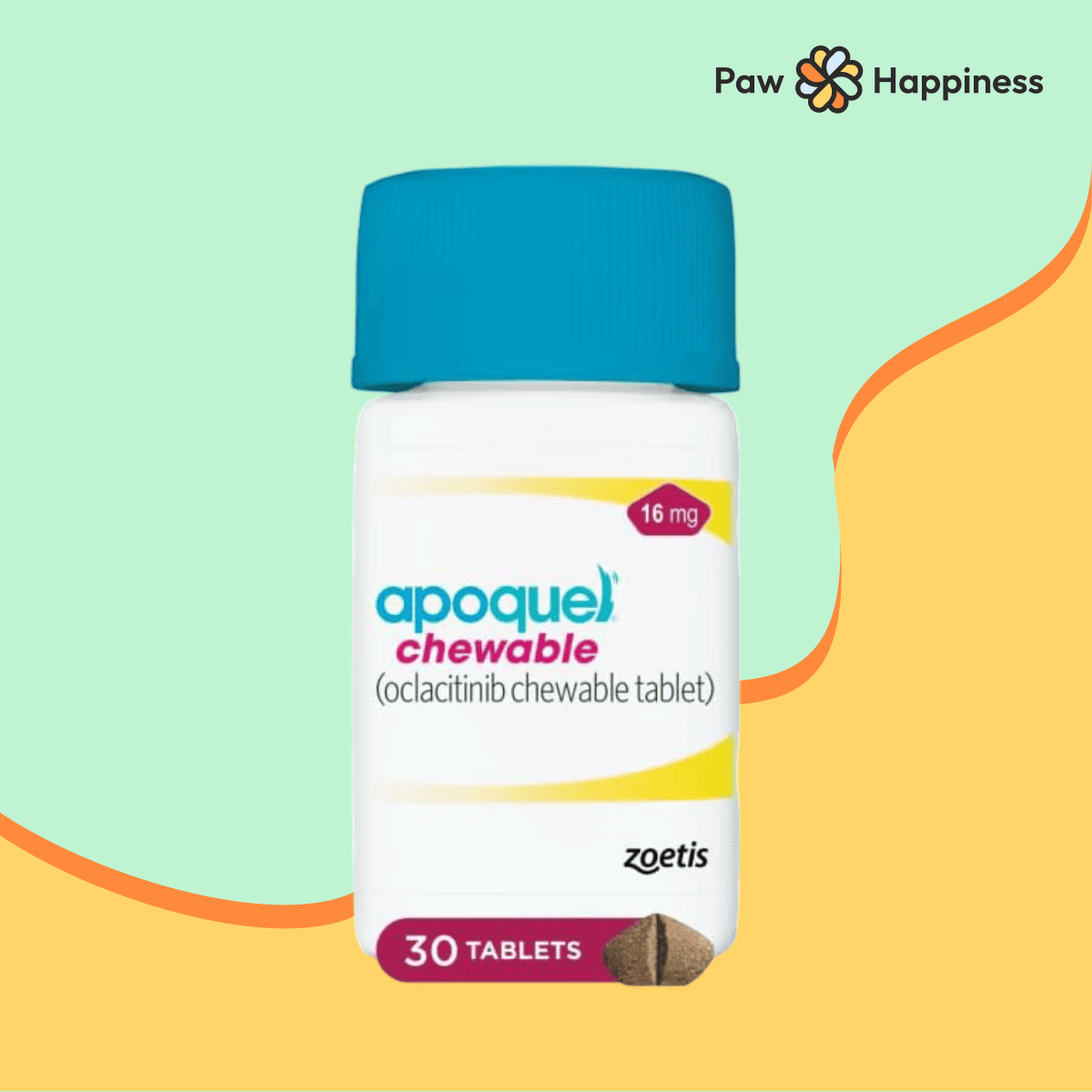
Apoquel Chewable (oclacitinib chewable Tablet) for Dogs
Apoquel Chewable – Prescription oral medicine for dogs 12 months+ to stop allergic itch at the source. Fast-acting relief within 24 hours. Comes in 3.6 mg, 5.4 mg, and 16 mg pork-liver flavored tablets. Can be used short- or long-term under vet guidance.

Miracle Vet High-Calorie Weight Gainer
High-calorie weight gainer for dogs and cats with omega-3 fish oil and 29 vitamins & minerals to support healthy weight gain, appetite, skin, coat, energy, and overall wellness. Vet-reviewed and made in the USA.

Buddy Biscuits Trainers Training Bites Soft & Chewy Dog Treats, Beef, 10 oz. Bag
Buddy Training Bites are bite-sized, low-calorie dog treats made with real pork liver as the first ingredient. With only 1.5 calories per treat, they’re perfect for extended training sessions. Made in the USA with no corn, soy, artificial flavors, or preservatives, each bag includes about 500 tasty treats in recyclable packaging dogs love.