


Small Cat Breeds: Perfect Little Companions for Pet Parents
By PawHappiness Team | Updated | 4 minutes read | Cat Breeds
Table of Contents
- What Defines Small Cat Breeds?
- Popular Small Cat Breeds Pet Parents Love
- Personality Traits of Smaller Cats
- Are Small Cats Good for Apartments?
- Feeding and Nutrition for Small Cat Breeds
- Grooming Needs and Coat Care
- Health Considerations to Keep in Mind
- Small Cats and Family Life
- Indoor Enrichment for Petite Cats
- How to Choose the Right Small Cat Breed
- Adoption vs Breeder: What’s Best?
- Final Thoughts for Pet Parents
Not every pet parent dreams of a big, fluffy cat taking over the couch. For many people, a smaller cat feels like the perfect fit—easy to handle, great for limited space, and just as loving as their larger cousins. That’s why interest in small cat breeds keeps growing, especially among apartment dwellers and first-time cat owners.
Still, choosing a smaller cat isn’t always straightforward. Some cats stay petite for life, while others only look small as kittens and grow quickly. On top of that, size doesn’t automatically mean low energy or low maintenance. Some small cats are incredibly active and need lots of play, while others are calm and content with quiet companionship.
The key is understanding which breeds naturally stay small and what their personalities and care needs look like. With the right information, you can avoid surprises and choose a cat that truly matches your lifestyle. This guide is designed to help pet parents explore popular small-sized cats, learn what makes them unique, and feel confident about their decision.
What Defines Small Cat Breeds?
Small cats are generally lighter and shorter than average domestic cats. Most weigh under 8–10 pounds when fully grown.
They often have:
- Slim or fine-boned bodies
- Shorter legs or compact frames
- Faster maturity compared to large breeds
However, small doesn’t always mean fragile. Many of these cats are athletic, healthy, and surprisingly energetic.
Popular Small Cat Breeds Pet Parents Love
Some breeds are naturally smaller and stay that way throughout adulthood. Here are a few well-known favorites.
Singapura
Singapura cats are one of the smallest cat breeds in the world. They are curious, affectionate, and love human attention.
Munchkin
Known for their short legs, Munchkins are playful and outgoing. Despite their appearance, they are active and agile.
Cornish Rex
This breed has a slender body and soft, curly coat. Cornish Rex cats are energetic, social, and love interactive play.
Devon Rex
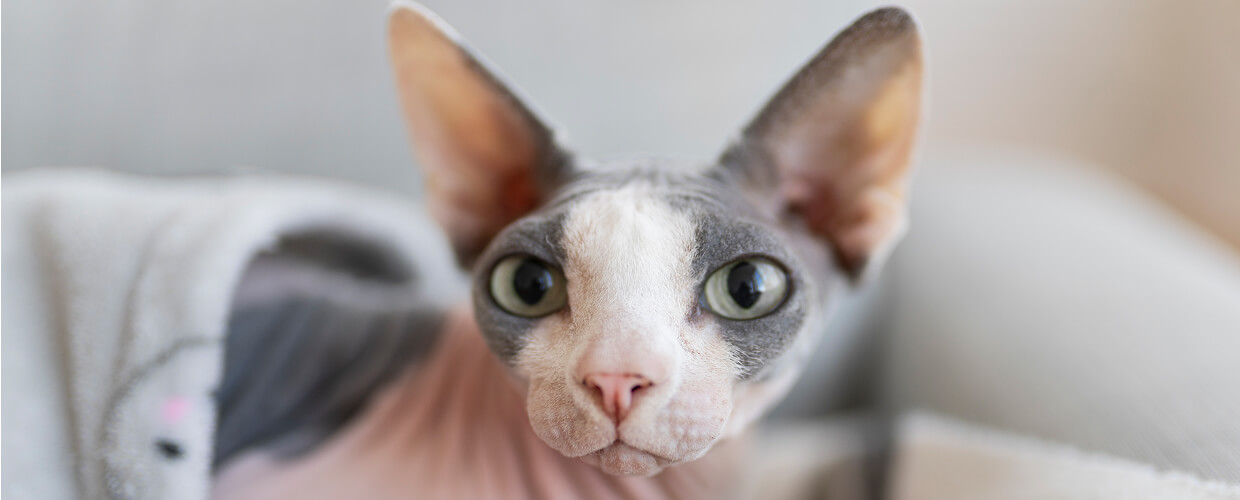
With large ears and a petite build, Devon Rex cats are friendly and people-oriented. They often follow their owners around.
Each of these cats offers a different personality, even though they share a smaller size.
Personality Traits of Smaller Cats
Many pet parents assume small cats are quiet or shy. In reality, personality depends more on breed than size.
You may notice:
- High energy in breeds like Cornish Rex
- Strong attachment to humans
- Playful behavior that lasts into adulthood
Some small cats act like kittens well into their senior years, which can be a joy for active households.
Are Small Cats Good for Apartments?
Yes, many smaller cats adapt very well to apartment living. Their size makes them easier to manage in limited space.
That said, they still need:
- Vertical space like shelves or cat trees
- Daily playtime to burn energy
- Mental stimulation through toys
Even a small home can feel exciting with the right setup.
Feeding and Nutrition for Small Cat Breeds
Smaller cats eat less, but that doesn’t mean their food quality matters less. In fact, proper nutrition is essential to maintain energy and health.
Helpful tips include:
- Choose high-protein food
- Measure portions carefully
- Avoid overfeeding treats
Because they are lightweight, even small weight changes can affect their health.
Grooming Needs and Coat Care
Grooming depends on coat type, not size. Some small cats have short coats, while others need more maintenance.
General grooming advice:
- Short-haired cats need weekly brushing
- Curly or fine coats may need gentle care
- Nail trimming is important for indoor cats
Starting grooming early helps make it a stress-free routine.
Health Considerations to Keep in Mind
Most small cat breeds are healthy, but some have breed-specific concerns.
Potential issues may include:
- Dental crowding in small jaws
- Joint concerns in short-legged breeds
- Sensitivity to cold due to thin coats
Regular vet visits and early care make a big difference in long-term health.
Small Cats and Family Life
Small cats can be great companions for families, but gentle handling is key. Because of their size, they may feel overwhelmed by rough play.
They do best in homes with:
- Calm or respectful children
- Predictable routines
- Quiet spaces to rest
Proper socialization helps them feel confident and secure.
Indoor Enrichment for Petite Cats
Smaller cats are often active and curious. Keeping them engaged prevents boredom-related behavior.
Simple enrichment ideas:
- Puzzle feeders
- Wand toys and laser play
- Window views for stimulation
Rotating toys weekly keeps things fresh and exciting.
How to Choose the Right Small Cat Breed
Before adopting, think about your daily life and expectations.
Ask yourself:
- Do I want a playful or calm cat?
- How much time can I spend playing?
- Is my home busy or quiet?
Matching energy levels matters more than size alone.
Adoption vs Breeder: What’s Best?
Many small cats can be found in shelters, especially mixed breeds that stay petite. Adoption is a great option for pet parents on any budget.
Breeders may be helpful if:
- You want a specific breed
- You prefer predictable traits
Both paths can lead to a loving companion.
Final Thoughts for Pet Parents
Small cat breeds prove that great things really do come in small packages. They offer affection, personality, and companionship without taking up much space.
By understanding their needs, energy levels, and personalities, pet parents can choose a cat that fits seamlessly into their home. If you’re ready to learn more, explore breed guides or visit local shelters—you might just meet the perfect little feline waiting for you.
FAQS
What cat breeds stay small ?


Cat breeds that stay small include the Singapura, Munchkin, Cornish Rex, Devon Rex, and Japanese Bobtail. These cats are naturally petite and usually remain lightweight as adults.
What cat breeds are small?
Small cat breeds include the Singapura, Munchkin, Cornish Rex, Devon Rex, Japanese Bobtail, and some Oriental Shorthairs, all known for their petite size and lightweight build.


Extra Deals & Recommendations From Our Partners
Discover exclusive offers, tools, and products from brands we collaborate with.


Purina Tidy Cats Breeze System — Best for Low Maintenance
These Tidy Cats Breeze Multi-Cat Pads are designed for the Breeze system, offering fast absorption and up to 7 days of ammonia odor control for two cats. Each pack includes 8 disposable pads that lock in moisture to keep the litter box dry and your home smelling fresh. Cleanup is simple with no urine clumps to scoop. Backed by a satisfaction guarantee for worry-free use.

Rocco & Roxie Stain & Odor Eliminator
Certified gentle and safe, this pet carpet cleaner is chlorine-free and color-safe, approved by the CRI for all carpets. Its powerful enzymes eliminate tough stains and odors from urine, feces, vomit, and other organic spills. Works on carpets, floors, furniture, clothes, and pet areas. Effective, pet-friendly, and backed by a satisfaction guarantee for worry-free cleaning.

Bedsure Calming Dog Bed Medium Size Dog
Calming, plush donut dog bed with extra-soft faux fur and raised rim for secure, comfortable sleep.

VetriScience Senior 27+ Active Health Chews
Senior cat multivitamin soft chews with 27+ essential nutrients to support healthy aging. Vet-formulated with taurine, antioxidants, and omega fatty acids for heart, brain, joint, skin, and coat health.

Amazon Basics Dog and Puppy Pee Pads
XL 5-layer leakproof puppy pads with quick-dry gel core, built-in attractant, and strong floor protection.
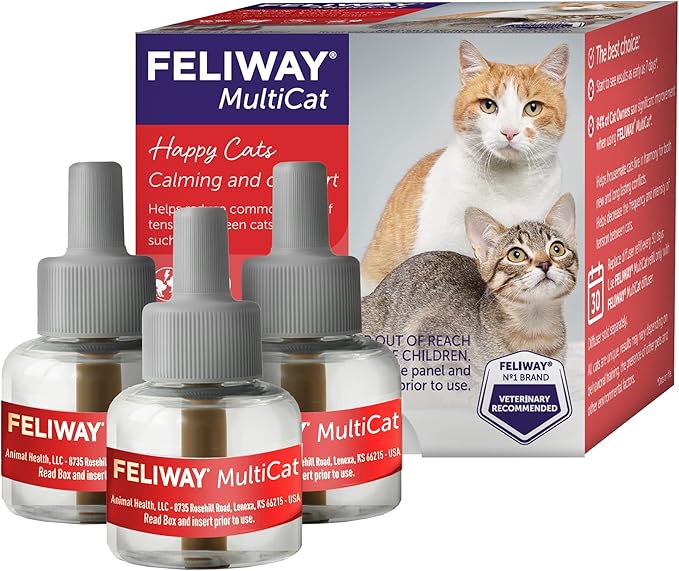
FELIWAY® MultiCat 3 x 30 Day Cat
FELIWAY MultiCat is a vet-recommended pheromone diffuser that helps reduce tension and conflict between cats, including fighting, chasing, and blocking. The drug-free formula provides up to 30 days of calming support per refill and covers up to 700 sq ft. Safe for all cats, it’s an easy, effective way to promote peace in multi-cat homes.

Beastron Electric Food Processor
The stack & press design makes chopping simple—just press the lid to chop and release to stop, with no tricky locking needed. This 3-cup chopper is ideal for daily use and easy to store. Stainless steel blades chop, purée, and emulsify with ease, while the lid’s oil dispenser helps create dressings and dips. With dishwasher-safe parts and a powerful 350W motor, it handles tough ingredients effortlessly.

Blue Buffalo Life Protection Formula Adult Small Breed Dry Dog Food
BLUE Life Protection Formula Chicken & Brown Rice Small Breed Dry Dog Food is crafted with real chicken as the first ingredient to support the health and energy needs of adult small breed dogs. Made with natural ingredients enhanced with vitamins and minerals, it features antioxidant-rich LifeSource Bits to help support immunity, providing balanced, high-quality nutrition dogs love.