


Most Aggressive Dog Breeds: What Pet Parents Need to Know
By PawHappiness Team | Updated | 2 minutes read | Dog Breeds
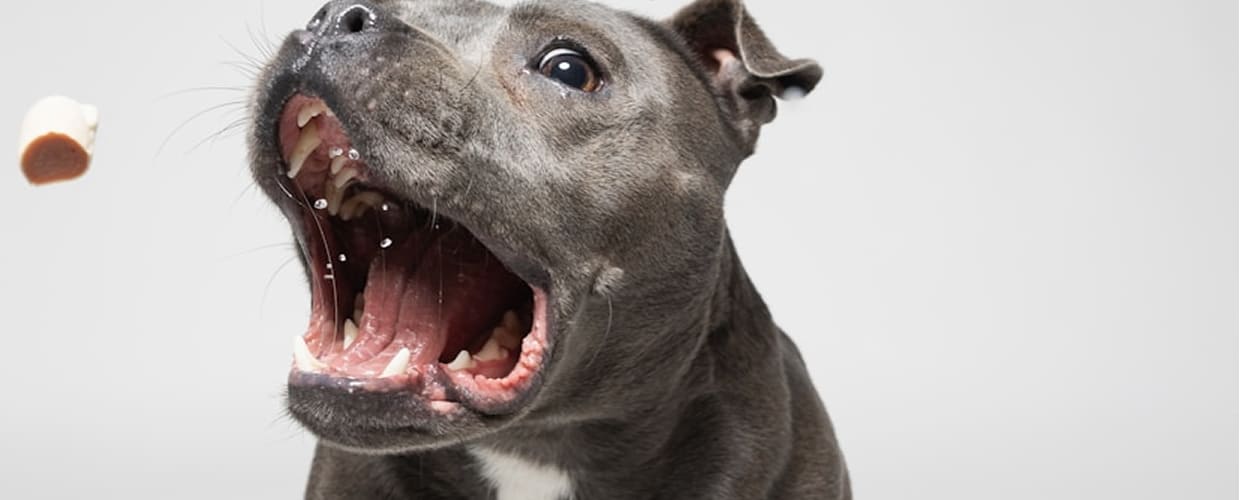
Every dog has its own personality, but some breeds are more prone to aggressive behavior than others. Understanding the most aggressive dog breeds is essential for pet parents who want to ensure safety, proper training, and a happy home. Aggression doesn’t mean a dog is “bad”—it’s often a combination of genetics, upbringing, and environment. By knowing which breeds tend to show aggressive tendencies and how to manage them, you can enjoy a safe and rewarding relationship with your furry friend.
Whether you’re considering adopting a dog or already live with one, awareness and proactive care are key. From socialization to training techniques, this guide will help you understand aggressive tendencies while providing practical tips to handle them responsibly.
Breeds Often Listed as the Most Aggressive
While behavior varies individually, some breeds have historically shown more aggression if not properly trained:
- Chow Chow – independent and territorial
- Akita – loyal but can be dominant
- Doberman Pinscher – protective and alert
- Rottweiler – strong guarding instincts
- German Shepherd – highly protective of family
Recognizing these tendencies early can help you take preventive measures to avoid conflicts.
Why Some Dogs Show Aggressive Behavior
Aggression is usually influenced by multiple factors:
- Genetics: Certain breeds were historically bred for protection or guarding
- Poor Socialization: Dogs not exposed to people or other pets early may act fearful or defensive
- Lack of Training: Without consistent guidance, dogs may struggle to control impulses
- Fear or Pain: Stressful situations or health issues can trigger aggressive reactions
Understanding the root causes allows pet parents to implement appropriate strategies for safer interactions.
Practical Tips to Manage Aggressive Dogs
Even breeds prone to aggression can be trained to be well-behaved family companions with the right approach:
- Start Early: Begin socialization and training as soon as possible
- Positive Reinforcement: Reward calm, friendly behavior rather than punishing aggression
- Consistent Rules: Ensure every family member applies the same expectations
- Exercise and Mental Stimulation: Boredom can lead to destructive or aggressive behavior
- Seek Professional Help: Certified trainers or behaviorists can provide expert guidance
These strategies can dramatically reduce aggressive tendencies and make your dog safer around children, guests, and other pets.
Handling Aggressive Situations Safely
If your dog shows signs of aggression:
- Stay calm and avoid yelling
- Remove the dog from the trigger situation if possible
- Use a leash or barrier for safety
- Never encourage fighting or aggressive play
- Gradually desensitize the dog to stressful situations with professional support
Safety is always the priority, and responsible handling strengthens your bond.
Conclusion: Aggression Can Be Managed
Knowing the most aggressive dog breeds doesn’t mean avoiding them—it means being prepared. With early socialization, consistent training, and awareness of triggers, even dogs with aggressive tendencies can thrive as loving family members. Responsible pet parents who invest time and patience will enjoy loyal, protective, and well-behaved companions. Understanding your dog’s breed traits is the first step toward a safe and happy household.
FAQS
What are the most aggressive dog breeds?


The most aggressive dog breeds often include Rottweilers, Doberman Pinschers, Chow Chows, Akitas, and German Shepherds. Aggression usually stems from genetics, lack of socialization, or poor training, but proper guidance can help manage these tendencies safely.
Extra Deals & Recommendations From Our Partners
Discover exclusive offers, tools, and products from brands we collaborate with.


Nutro Ultra Grain-Free Turkey Recipe
Nutro Ultra Wet Dog Food delivers a flavorful, nutrient-rich paté made with real chicken as the #1 ingredient, plus lamb and whitefish for a trio of high-quality proteins. Crafted with natural ingredients, vitamins, and minerals, it contains no artificial flavors, colors, or preservatives. This grain-free recipe provides the wholesome, premium nutrition your dog deserves.

INABA Churu Cat Treats, Grain-Free, Lickable
Made with human-grade ingredients like farm-raised chicken and wild-caught tuna, Churu treats keep cats hydrated with 91% moisture and only 6 calories per tube. They’re free from grains, preservatives, artificial colors, and carrageenan, with added taurine for health. These creamy, lickable tubes are perfect for hand-feeding, topping food, or hiding meds, and come in many tasty flavors.
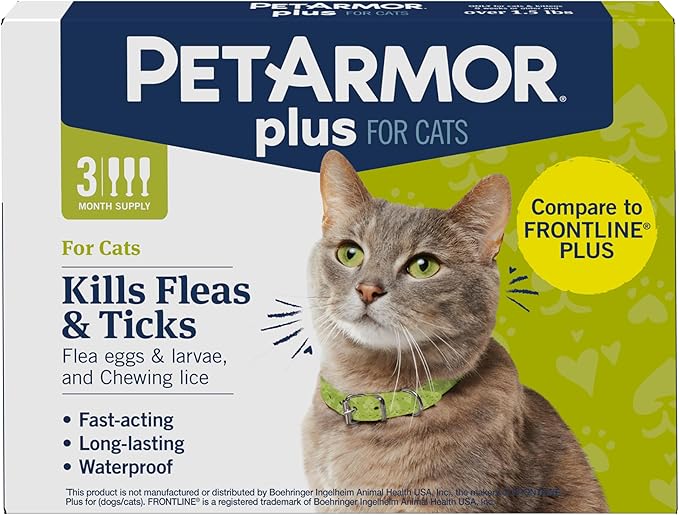
PetArmor Plus Flea and Tick Prevention for Cats
Active Ingredients: Friponil (9.80%), (S)-Methoprene (11.80%). Other Ingredients: (78.40%), Total (100.00%). Your pets are family, and PETARMOR helps you confidently care for your cat, especially when it comes to flea and tick control.
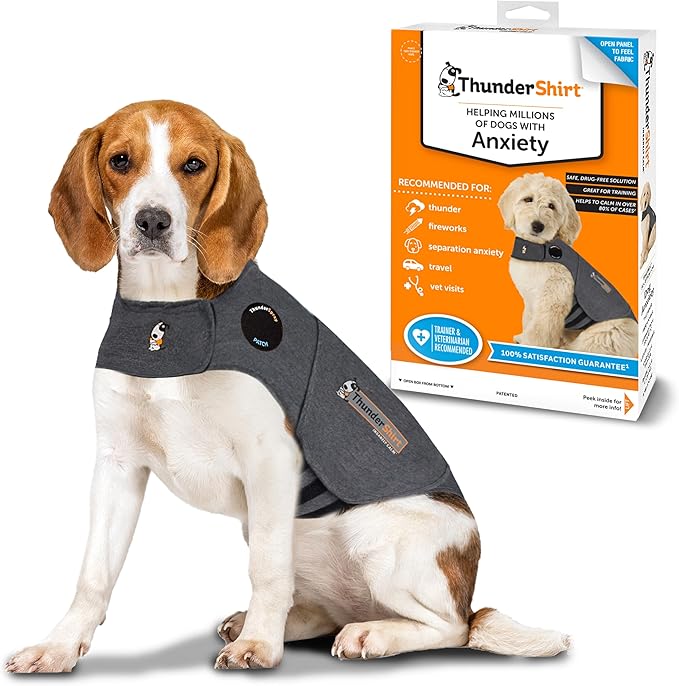
Thundershirt Classic Dog Anxiety Jacket
The ThunderShirt is a patented pressure wrap that naturally calms dogs by applying gentle, constant pressure—similar to swaddling a baby. With an 80% success rate, it helps reduce anxiety from thunder, fireworks, separation, travel, vet visits, and more. It’s easy to use, adjustable, comfortable, machine-washable, and made from soft, breathable fabric.

Impact Collapsible Dog Crate
This enhanced dog crate features secure slide-bolt latches with Paw Block and locking tips for added safety. Measuring 36.6" x 21.9" x 24.5", it suits medium breeds 40–70 lbs and includes a divider panel, leak-proof pan, rubber feet, and handle. Easy to assemble without tools, it folds flat for travel. Durable construction, proper ventilation, and rounded corners ensure a safer, more comfortable den for your dog.

TUG 360° Tangle-Free Retractable Dog Leash
This retractable dog leash is designed for dogs of all sizes, with Small for pets under 35 lbs, Medium under 55 lbs, and Large under 110 lbs. Featuring a durable 16 ft retractable tape with a 360° tangle-free design, it offers smooth retraction and control. The quick lock and unlock button allows easy one-handed operation, while the ergonomic anti-slip handle ensures comfort on long walks. A heavy-duty internal coil provides reliable, consistent recoil for safe outdoor adventures.

Dog Treat Pouch with Training Clicker
Train like a pro with this compact dog treat pouch and clicker kit. The 5×4×2" food-grade silicone pouch holds 1.67 cups, with a small magnetic opening that prevents spills and keeps treats fresh. Easy one-hand access makes rewarding fast. Includes a versatile clicker for training any pet. The adjustable 25–47" waist belt ensures secure, worry-free use during walks or sessions.

Nutricost Taurine Powder 250 Grams
This taurine supplement provides 250 grams per bottle with a convenient 2-gram serving size and included scoop for easy dosing. It is Non-GMO, gluten-free, and third-party tested to ensure quality and purity. Manufactured in an NSF-certified, GMP-compliant, and FDA-registered facility, it offers a reliable and high-quality option for daily supplementation.