


Understanding Cat Behavior After Shaving: What Pet Parents
By PawHappiness Team | Updated | 3 minutes read | Cat Behavior
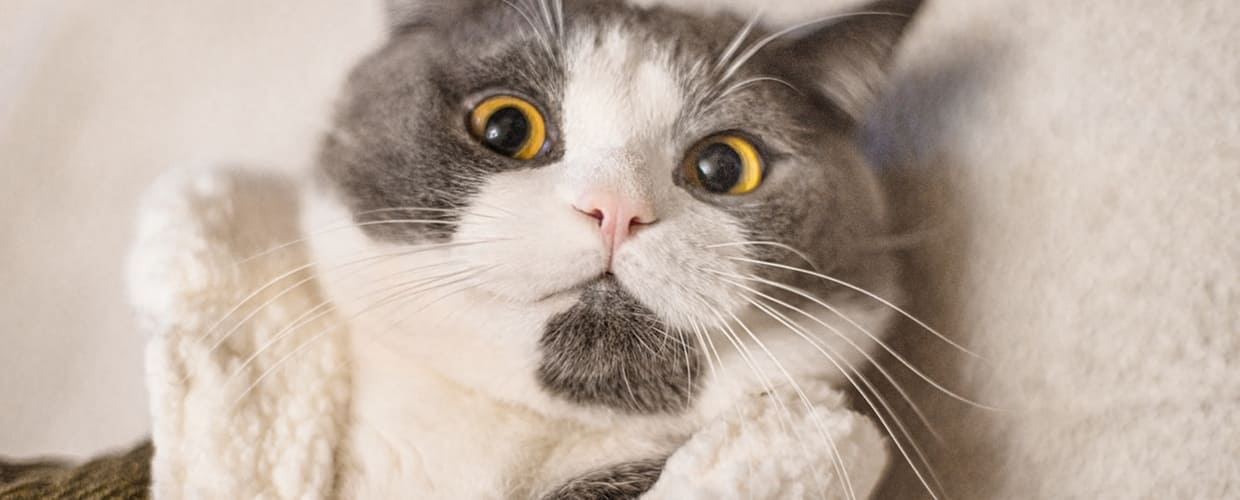
Giving your cat a shave can be necessary for hygiene, mat removal, or to keep them cool during hot months. However, it’s common for pet parents to notice changes in their cat’s behavior after shaving. Cats may act skittish, hide more often, or even seem irritated. Understanding cat behavior after shaving can help you distinguish between normal adjustment reactions and signs of discomfort or stress. By knowing what to expect and how to support your feline friend, you can make the grooming experience less stressful and strengthen your bond. In this guide, we’ll explore the behavioral changes cats often show after a shave and offer practical strategies to help them feel comfortable and confident in their new coat—or lack thereof.
Why Cats React Differently After a Shave
Cats rely heavily on their fur for protection, warmth, and sensory input. When this layer is suddenly removed, it can trigger a range of behaviors:
- Increased Sensitivity: Exposed skin can make cats more cautious or jumpy.
- Self-Grooming Changes: Cats may lick shaved areas more frequently to adjust to the new texture.
- Temperature Awareness: Without fur, cats may seek warm spots or blankets.
- Mood Swings: Temporary irritability, withdrawal, or clinginess is common after shaving.
Common Cat Behavior After Shaving
- Hiding or Avoidance: Your cat may retreat to safe, enclosed spaces to cope with feeling exposed.
- Increased Vocalization: Meowing or yowling may signal stress or discomfort.
- Excessive Licking or Chewing: Over-grooming shaved areas is a normal reaction but should be monitored.
- Playfulness Changes: Some cats may become more cautious, while others act hyperactive due to the unfamiliar sensation.
- Clinginess to Owners: Seeking reassurance through cuddles or rubbing against you is common.
Tips to Help Your Cat Adjust After a Shave
- Provide Warmth: Offer soft blankets or heated pads to help them feel secure.
- Limit Exposure: Keep your cat indoors or in safe areas until their fur grows back.
- Gentle Interaction: Avoid excessive handling if your cat seems irritable.
- Monitor Grooming: Ensure over-licking doesn’t cause skin irritation; consider a protective collar if needed.
- Positive Reinforcement: Treats and gentle praise can reassure your cat and reduce stress.
- Routine Maintenance: Keep feeding, play, and cuddle times consistent to create a sense of security.
When to Consult a Vet
Behavioral changes are usually temporary, but see a veterinarian if your cat shows:
- Persistent aggression or extreme hiding
- Severe over-grooming causing bald spots or wounds
- Signs of pain, infection, or unusual lethargy
A vet can rule out medical issues and advise on stress-reduction techniques or topical care for shaved areas.
Conclusion
Observing cat behavior after shaving is an important part of responsible pet care. Most cats will gradually adjust to their new look, but temporary changes such as hiding, irritability, or increased grooming are normal. By providing warmth, gentle reassurance, and monitoring their skin, pet parents can ease the transition and ensure their feline feels safe and comfortable. Understanding these behaviors not only helps reduce stress for your cat but also strengthens the bond between you and your furry companion.
Related Articles

Extra Deals & Recommendations From Our Partners
Discover exclusive offers, tools, and products from brands we collaborate with.


Automatic Cat Feeder, 4L Cat Food Dispenser
This automatic pet feeder ensures smooth, clog-free feeding with a smart food distribution system, eliminating the need for shaking or manual fixes. It features programmable meal scheduling, dual power supply for reliability, a freshness-locking design with desiccant, an anti-theft lid, and a 10-second custom voice recording to call your pet at mealtime.

Instant Pot Duo 7-in-1 Electric Pressure Cooker
Enjoy 7 cooking functions in one appliance—pressure cook, slow cook, sauté, steam, make rice, yogurt, or keep food warm. With 13 smart one-touch programs, meals are easy and customizable. The Easy-Release switch provides safe steam release. Cook up to 70% faster, using the pro-grade stainless steel pot. A 6-quart size fits family meals, and the dishwasher-safe lid and pot make cleanup simple.

Veterinary Formula Clinical Care Hot Spot & Itch Relief Spray
Fast-acting oatmeal and aloe shampoo quickly soothes irritated skin, reducing licking and scratching. This vet-recommended, pH-balanced formula softens the coat and helps calm hot spots from allergies, bites, or moisture. Free of parabens, soaps, and dyes, it hydrates and nourishes pets 12+ weeks. Use with the matching conditioner for complete, affordable skin relief.

Bousnic Dog Shock Collar
Humane dog training collar with beep, vibration, and safe shock modes. Features 3300ft range, fits dogs 5–120 lbs, IP67 waterproof receiver, dual-dog training, and long-lasting battery life.
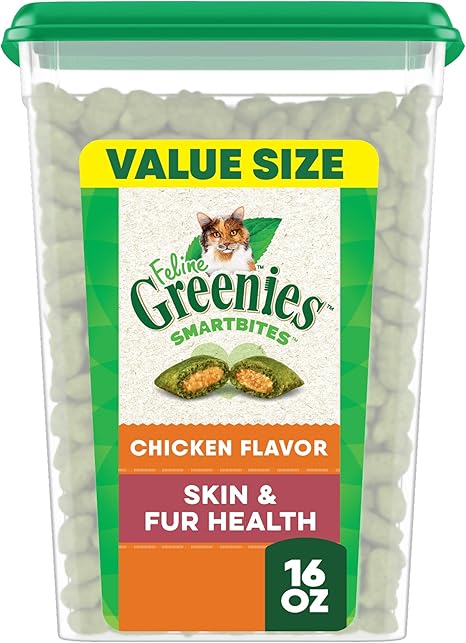
Greenies Pill Pockets for Cats
These Feline Greenies Smartbites are vet-designed cat treats made with omega-3–rich fish oil and flaxseed to support healthy skin and fur. They include added vitamins and minerals for balanced nutrition, and come in a tasty chicken flavor with a crunchy-soft texture. Perfect as daily treats or for use in treat-dispensing toys to keep adult cats happy and engaged.

Miracle Vet High-Calorie Weight Gainer
High-calorie weight gainer for dogs and cats with omega-3 fish oil and 29 vitamins & minerals to support healthy weight gain, appetite, skin, coat, energy, and overall wellness. Vet-reviewed and made in the USA.

Portable Dog Small Animals Water Bottle
This foldable dog water bottle saves space while offering a larger drinking trough. Its double leak-proof design with sealing rings and a lock button prevents spills, and the one-touch release controls water flow efficiently. Easy to carry with a nylon lanyard, it’s made from safe, food-grade materials, fully removable for cleaning, and suitable for dogs and small pets.
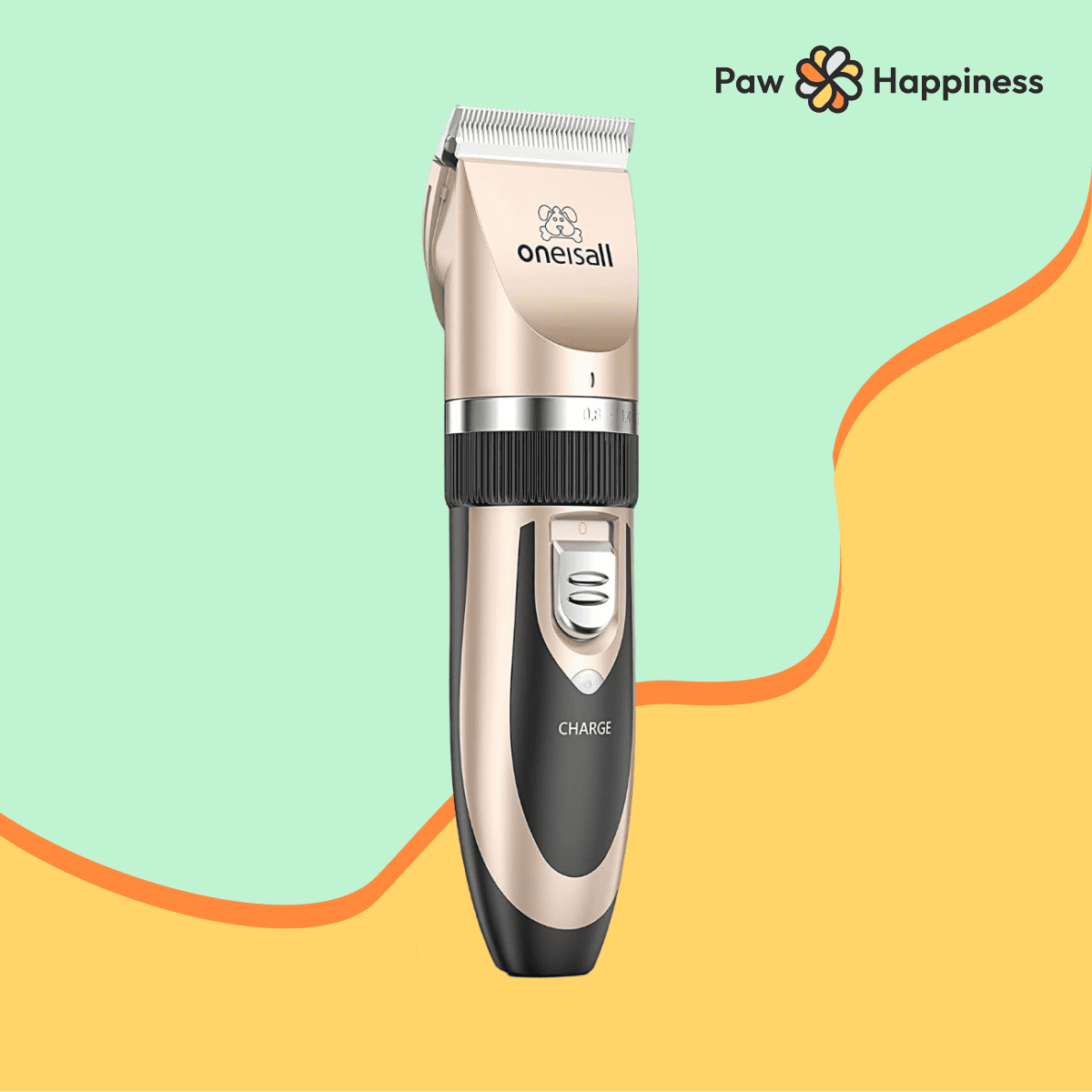
oneisall Dog Clipper Low Noise
The Oneisall silent motor reduces noise by 17%, ensuring that even the most sensitive pets won't be scared, allowing them to enjoy a comfortable grooming experience