


Understanding Persian Cat Behavior Problems: A Guide for Pet Parents
By PawHappiness Team | Updated | 3 minutes read | Cat Behavior
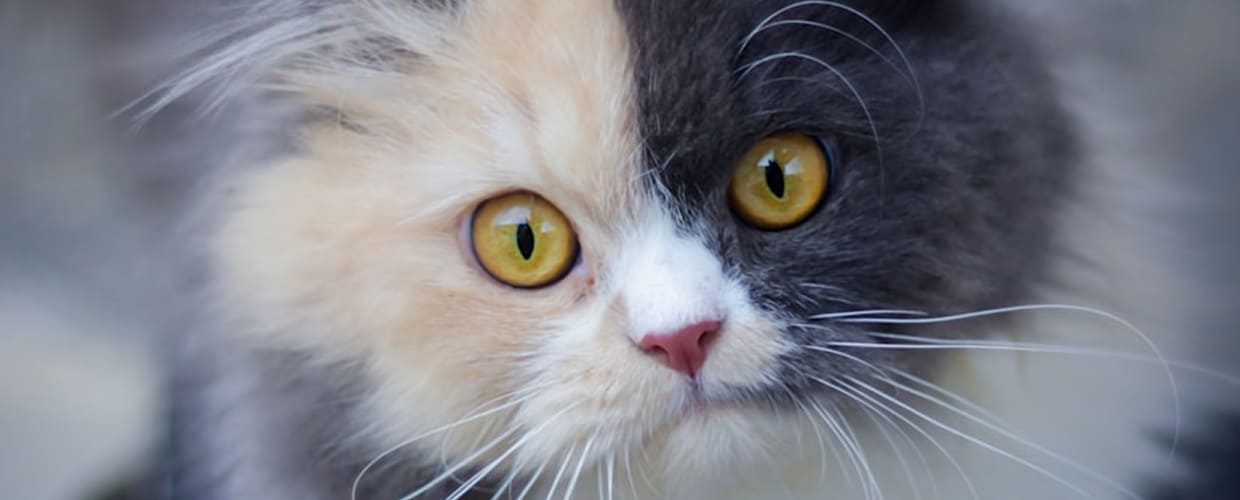
Persian cats are adored for their luxurious coats, round faces, and calm, affectionate personalities. While they’re generally gentle and easygoing, even these sweet cats can display certain quirks or behaviors that may puzzle pet parents. Recognizing Persian cat behavior problems early helps you provide the right care and prevent frustration at home. From subtle mood changes to litter box issues or stubbornness, understanding why these behaviors happen—and how to manage them—can make your life and your cat’s life much happier. In this guide, we’ll explore common challenges Persian owners face and offer practical strategies to maintain a peaceful and loving environment for your feline friend. Whether you’re welcoming a kitten or have an adult Persian, these insights will help you strengthen your bond and enjoy their calm companionship to the fullest.
Common Persian Cat Behavior Problems
- Litter Box Avoidance: Some Persians may develop selective litter box habits, often due to cleanliness sensitivity or stress.
- Shyness or Withdrawal: Persian cats can be reserved, sometimes hiding or avoiding interaction if they feel insecure.
- Over-Grooming: Their thick fur requires regular care, and stress or boredom may cause excessive licking.
- Clinginess or Separation Anxiety: They form strong attachments and may feel anxious when left alone.
- Playful Aggression: Though gentle, Persians may occasionally nip or swat during play, especially with energetic kittens.
Reasons Behind These Behaviors
Several factors can contribute to Persian cat behavior problems:
- Personality Traits: Persian cats are naturally calm and reserved, making them sensitive to changes in their environment.
- Grooming Needs: Their long fur demands regular attention; discomfort or matting can lead to stress.
- Health Concerns: Dental issues, respiratory problems, or pain may cause changes in behavior.
- Environmental Stress: Loud noises, new pets, or changes in routine can trigger anxiety.
Practical Tips to Manage Persian Cat Behavior Problems
- Regular Grooming: Brush your Persian daily to prevent matting, reduce stress, and minimize over-grooming.
- Clean Litter Boxes: Keep litter boxes spotless and provide multiple boxes if you have more than one cat.
- Provide Safe Spaces: Ensure quiet areas or cozy hiding spots where your cat feels secure.
- Interactive Play: Use toys and gentle games to stimulate your cat and prevent boredom.
- Consistent Routine: Feeding, play, and cuddle times help reduce anxiety and promote predictable behavior.
- Positive Reinforcement: Reward calm and friendly behaviors with treats or affection to encourage repeat behavior.
When to Consult a Veterinarian or Behaviorist
Sometimes, persistent or sudden behavior problems may indicate medical or emotional concerns. Seek professional guidance if your Persian:
- Stops using the litter box or has sudden aggression
- Shows excessive grooming causing skin irritation
- Displays severe anxiety or hiding
- Exhibits changes in eating, drinking, or sleeping habits
A vet or feline behaviorist can rule out health issues and provide behavior management strategies tailored to your cat’s needs.
Conclusion
Understanding Persian cat behavior problems is essential for creating a happy and harmonious home. While Persians are naturally gentle and affectionate, their reserved personalities and grooming needs can sometimes present challenges. By maintaining regular grooming, providing interactive play, and establishing a consistent routine, pet parents can address common behavior issues effectively. These strategies ensure your Persian remains a loving, calm, and joyful companion, making your bond stronger and your home more peaceful.



Extra Deals & Recommendations From Our Partners
Discover exclusive offers, tools, and products from brands we collaborate with.
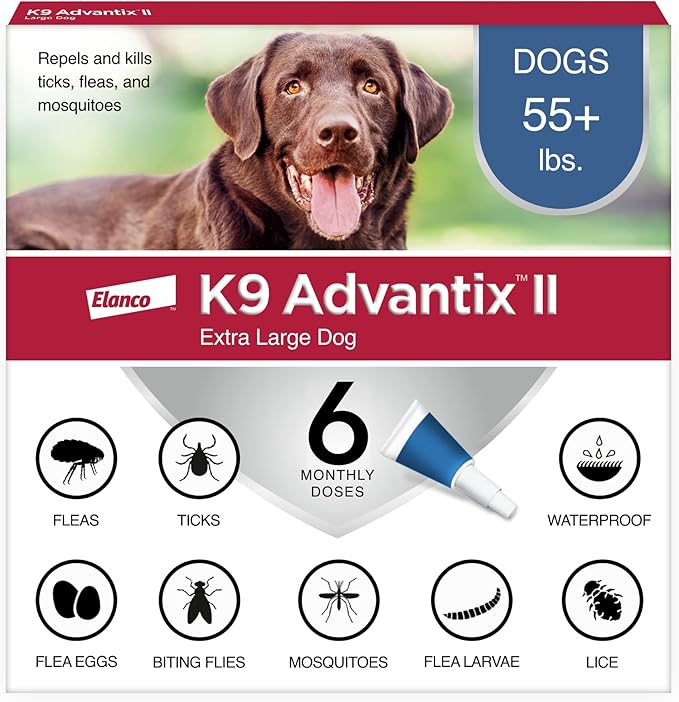

K9 Advantix II (Flea & Tick Prevention)
Imidacloprid 8.80% Permethrin* 44.00% Pyriproxyfen 0.44% Other Ingredients 46.76%.
K9 Advantix II protects extra-large dogs from fleas, ticks, mosquitoes, biting flies, and lice. It kills and repels pests fast, is easy to apply, waterproof, and offers monthly, prescription-free protection.

TickCheck Tick Remover Spoon
Lightweight tick removal kit with three spoons featuring deep notches for safely removing ticks from people or pets. University-tested for effective removal of adult and nymph ticks. Includes a waterproof tick ID card and a carabiner clip for travel and outdoor use. Fast removal helps reduce the risk of tick-borne issues like Lyme. Perfect for hiking and everyday carry.

Cat Toys for Indoor Cats, Retractable Wand Toy
Keep cats endlessly entertained with this interactive feather wand toy that sparks natural hunting instincts. The telescopic wand extends for wide-range play, encouraging running, jumping, and exercise. Includes multiple feather and worm attachments for variety and long-term fun. Lightweight, durable, and safe for supervised interactive play that strengthens your bond and keeps indoor cats happy.

Purina Tidy Cats Breeze System — Best for Low Maintenance
These Tidy Cats Breeze Multi-Cat Pads are designed for the Breeze system, offering fast absorption and up to 7 days of ammonia odor control for two cats. Each pack includes 8 disposable pads that lock in moisture to keep the litter box dry and your home smelling fresh. Cleanup is simple with no urine clumps to scoop. Backed by a satisfaction guarantee for worry-free use.

Dog Bowl Pet Collapsible Bowls
Collapsible dog bowls fold flat for easy storage and are perfect for travel, hiking, and daily outings. Lightweight and portable, each bowl includes a carabiner to attach to bags or leashes. Made of durable, odorless soft plastic, they hold up to 12 oz of water or 1.5 cups of food. Suitable for small to medium pets and easy to clean, with two colors for food and water.

Automatic Cat Feeder, 4L Cat Food Dispenser
This automatic pet feeder ensures smooth, clog-free feeding with a smart food distribution system, eliminating the need for shaking or manual fixes. It features programmable meal scheduling, dual power supply for reliability, a freshness-locking design with desiccant, an anti-theft lid, and a 10-second custom voice recording to call your pet at mealtime.

FRONTLINE Plus Flea and Tick
FRONTLINE Plus for Dogs is a fast-acting, waterproof monthly topical that kills fleas, flea eggs, larvae, chewing lice, and ticks, breaks the flea life cycle, and provides 30 days of trusted protection for dogs and puppies 8 weeks and older.

Pet Products Heated Cat Bed Indoor
This large heated cat bed features soft, flexible sidewalls and a 4-watt removable heater that warms to your pet’s body temperature for safe, energy-efficient comfort. Fully washable once the heater is removed, it’s ideal for large cats and small dogs. Designed by K&H with 25+ years of expertise, this safety-certified bed offers year-round coziness and reliable quality.