


Understanding Ragdoll Cat Behavior Problems: A Guide for Pet Parents
By PawHappiness Team | Updated | 2 minutes read | Cat Behavior
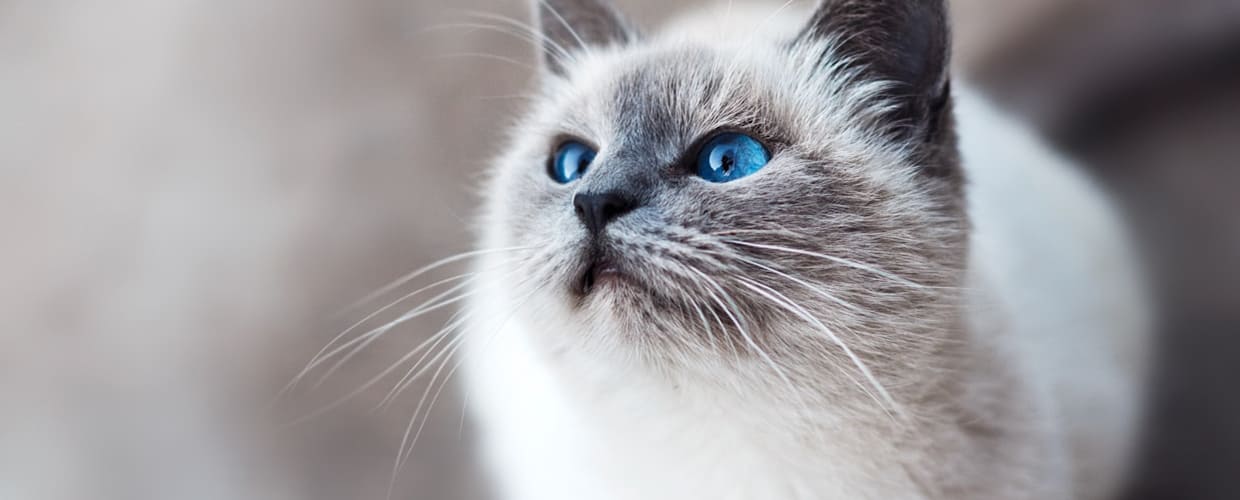
Ragdoll cats are widely known for their gentle, affectionate, and calm personalities, making them one of the most beloved breeds among cat lovers. However, even these friendly felines can display certain quirks or misbehaviors that can surprise pet parents. Understanding Ragdoll cat behavior problems is essential for providing the right care and maintaining a peaceful home. From occasional stubbornness to separation anxiety, recognizing these behaviors and learning how to address them can help you nurture a well-balanced and happy cat. In this article, we’ll explore common behavior issues, why they happen, and practical strategies for managing them. Whether you’re welcoming a Ragdoll kitten or caring for an adult cat, these insights will make your journey smoother and more rewarding.
Common Ragdoll Cat Behavior Problems
- Clinginess: Ragdolls are affectionate and may follow you everywhere, which can feel overwhelming at times.
- Separation Anxiety: Being highly social, Ragdolls may become anxious or destructive when left alone for long periods.
- Playful Aggression: While generally gentle, some Ragdolls may display nipping or rough play during energetic moments.
- Stubbornness: Their independent streak can make training or introducing new routines slightly challenging.
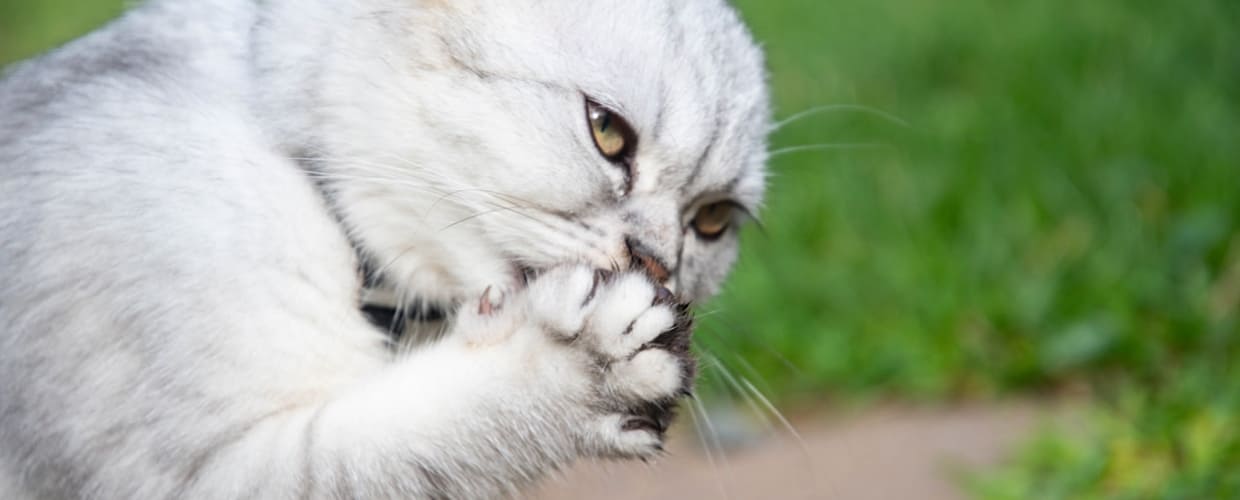
- Excessive Grooming: Ragdolls have semi-long fur, and stress or boredom may lead to over-grooming.
Why These Behaviors Occur
Ragdoll cat behavior problems often stem from their inherent personality traits and environmental factors:
- Highly Social Nature: They crave interaction and may struggle with long periods of isolation.
- Intelligence and Curiosity: Ragdolls are smart cats, but their curiosity can lead to testing boundaries or exploring off-limits areas.
- Sensitivity to Environment: They can be affected by loud noises, sudden changes, or lack of mental stimulation.
Practical Tips to Manage Ragdoll Cat Behavior Problems
- Provide Companionship: Consider another pet or scheduled playtime to reduce loneliness and separation anxiety.
- Interactive Toys and Activities: Puzzle feeders, climbing towers, and interactive toys help satisfy their mental and physical needs.
- Positive Reinforcement: Reward calm behavior and gentle interactions with treats or affection rather than punishing minor misbehavior.
- Create Safe Retreats: Give your cat cozy spots where they can relax and feel secure.
- Consistent Routines: Feeding, play, and bedtime schedules help reduce anxiety and improve overall behavior.
When to Seek Professional Help
Sometimes, behavior problems may indicate stress, medical issues, or deeper emotional concerns. Consult a veterinarian or feline behaviorist if your Ragdoll:
- Shows sudden aggression or frequent biting
- Exhibits excessive grooming leading to skin irritation
- Displays severe anxiety or destructive tendencies despite enrichment
- Avoids the litter box or shows significant changes in eating or sleeping patterns
Conclusion
Understanding Ragdoll cat behavior problems is key to fostering a happy, healthy, and well-adjusted pet. While they are naturally gentle and affectionate, Ragdolls require attention, mental stimulation, and consistent routines to thrive. By providing companionship, interactive play, and a safe environment, pet parents can address common behavior issues effectively. These strategies ensure your Ragdoll remains a loving, calm, and joyful companion, enriching your home every day.



Extra Deals & Recommendations From Our Partners
Discover exclusive offers, tools, and products from brands we collaborate with.


Benebone Wishbone Durable Dog Chew Toy
Built for super chewers, Benebone Wishbone is tougher than real bones and lasts for weeks. Made with 100% real bacon for irresistible flavor dogs love. Its curved, paw-friendly shape makes it easy to grip and chew. Proudly made and sourced in the USA, and backed by a happiness guarantee for you and your pup.

Wahl USA Dry Skin & Itch Relief Pet Shampoo for Dogs
Made in the USA, this oatmeal pet shampoo is pH balanced, alcohol-free, paraben-free, and PEG-80 free. Its coconut lime verbena scent helps moisturize dry skin, soothe itching, and clean dirty coats. The concentrated formula means you use less while still getting a rich, easy-rinse lather. Allergy-friendly and trusted by vets and groomers for over 50 years.
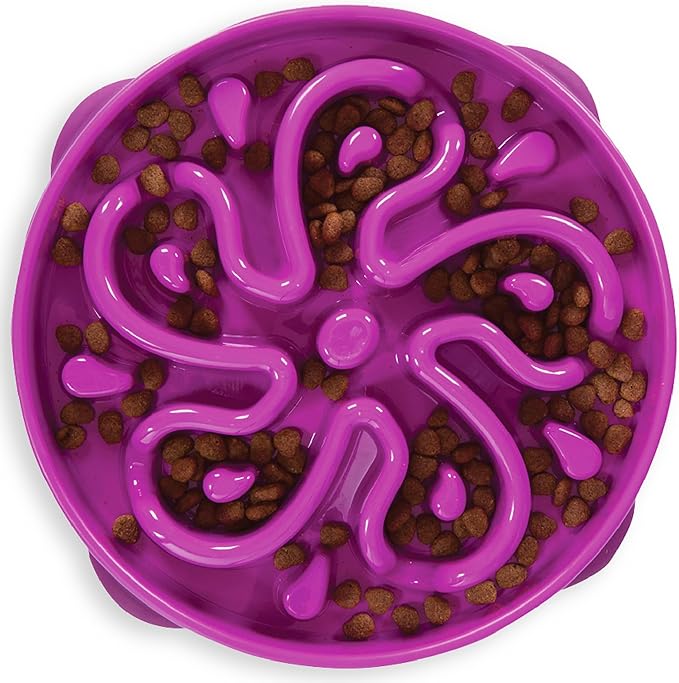
Outward Hound Fun Feeder Slow Bowl
Outward Hound Fun Feeder Slo Bowls use ridges and maze-like patterns to slow dogs’ eating by up to 10x, helping reduce bloat, obesity, and digestive issues. Available in various sizes, colors, and slow levels—including options for flat-faced breeds—these non-slip, food-safe bowls hold full meals, are dishwasher safe, and make mealtime healthier and more engaging.

Greenies Veterinarian-Recommended Adult Natural Dental Dog Treats Regular Size
According to the AVMA, 80% of dogs develop dental disease by age 3. Greenies Adult Dental Dog Treats help fight plaque, tartar, bad breath, and support healthy gums. Their chewy, toothbrush-like design cleans down to the gumline, reducing tartar by 47% and plaque by 40% in 28 days. Made with natural ingredients, vitamins, and minerals, these rawhide-free chews are easy to digest and ideal for dogs 25–50 lbs.

Zesty Paws Dog Multivitamin
8-in-1 multifunctional dog supplement chews supporting joint, heart, immune, skin, gut, liver, and performance health with probiotics, antioxidants, MSM, glucosamine, and cod liver oil.

Nature’s Miracle Cat Calming Spray, 8 Ounces, Stress-Reducing Formula for Cats
Nature’s Miracle Calming Spray uses soothing, natural scents to help reduce anxiety in cats. Ideal for easing stress from routine changes, travel, or separation, it helps skittish cats feel secure and relaxed—without sedatives. The comforting scent creates a sense of safety, making it easier for your cat to stay calm in stressful situations.

Royal Canin Canine Care Nutrition
Royal Canin Digestive Care Wet Dog Food supports healthy digestion for adult dogs with sensitive stomachs. Highly digestible formula helps promote balanced gut flora, optimal stool quality, and overall well-being.

TickCheck Tick Remover Spoon
Lightweight tick removal kit with three spoons featuring deep notches for safely removing ticks from people or pets. University-tested for effective removal of adult and nymph ticks. Includes a waterproof tick ID card and a carabiner clip for travel and outdoor use. Fast removal helps reduce the risk of tick-borne issues like Lyme. Perfect for hiking and everyday carry.