


Understanding Sphynx Cat Behavior Problems: A Guide for Pet Parents
By PawHappiness Team | Updated | 3 minutes read | Cat Behavior
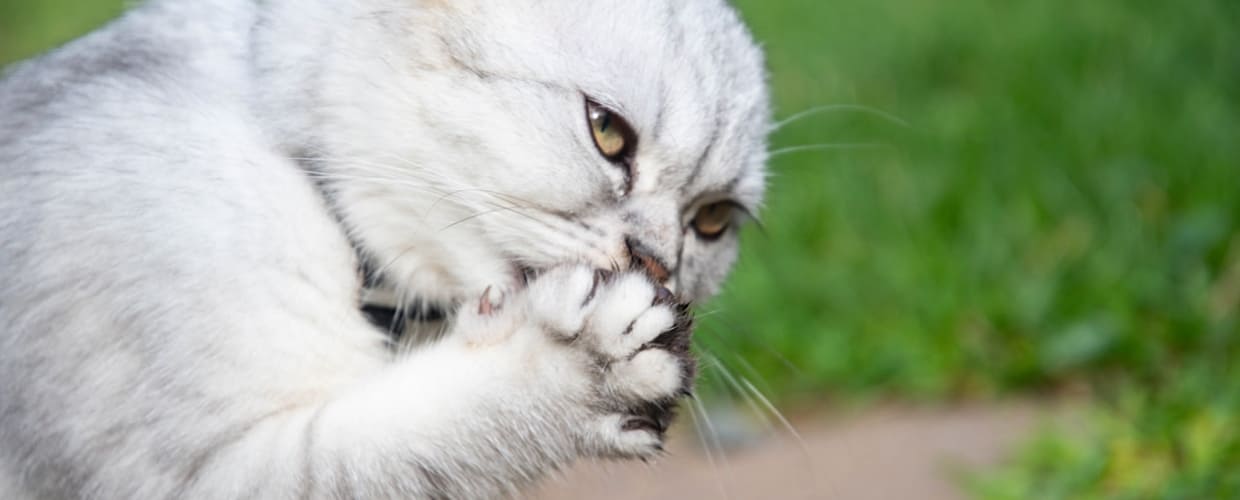
Sphynx cats are undeniably unique with their hairless appearance and affectionate personalities, but they can also present some behavioral challenges. Many pet parents notice certain quirks and misbehaviors that, if left unmanaged, can create stress for both cat and owner. Sphynx cat behavior problems may include excessive vocalization, separation anxiety, or even stubbornness during training. Understanding the root causes of these behaviors is crucial for creating a happy and balanced environment. In this guide, we’ll explore the most common behavior issues seen in Sphynx cats, explain why they happen, and provide practical solutions that help pet parents manage them effectively. Whether you’re a new Sphynx owner or an experienced cat lover, knowing how to handle these behaviors ensures your feline friend thrives in your home.
Common Behavior Problems in Sphynx Cats
- Separation Anxiety: Sphynx cats are social and crave attention. When left alone for long periods, they may become anxious or destructive.
- Excessive Vocalization: These cats are known for being talkative, sometimes meowing loudly to get attention.
- Clinginess: Sphynx cats often follow their owners everywhere, which can be overwhelming for some households.
- Scratching and Climbing: Their playful and active nature may lead to furniture scratching or climbing on forbidden surfaces.
- Stubbornness During Training: Sphynx cats are intelligent but can show independent streaks, making training a bit tricky.
Why These Behaviors Happen
Behavioral quirks in Sphynx cats are often linked to their unique personality traits and needs:
- Social Needs: Sphynx cats thrive on interaction and companionship. Lack of attention can trigger anxiety or attention-seeking behavior.
- High Energy Levels: Their active nature requires physical and mental stimulation. Without outlets, they may develop destructive habits.
- Intelligence and Curiosity: Sphynx cats are smart problem-solvers, but this can lead to testing boundaries if not properly guided.
Practical Tips to Manage Sphynx Cat Behavior Problems
- Provide Companionship: If possible, consider adopting a second cat or arranging playdates to keep your Sphynx entertained.
- Interactive Play: Use puzzle toys, climbing structures, and regular play sessions to burn off excess energy.
- Positive Reinforcement: Reward good behavior with treats or affection rather than punishing misbehavior.
- Create Safe Spaces: Give your cat cozy spots where they can retreat and feel secure.
- Consistent Routine: Sphynx cats respond well to predictable feeding and play schedules, reducing anxiety.
When to Seek Professional Help
Some behavior problems may indicate underlying health or stress issues. Consult a veterinarian or feline behaviorist if your Sphynx cat exhibits:
- Sudden aggressive behavior or frequent biting
- Excessive grooming or hair loss (even though hairless, they may damage their skin)
- Persistent anxiety despite environmental enrichment
- Litter box avoidance or changes in eating habits
Conclusion
Understanding Sphynx cat behavior problems is key to creating a happy and harmonious household. Their affectionate, social, and intelligent nature makes them wonderful companions, but they require attention, stimulation, and patient guidance. By providing a stimulating environment, consistent routines, and gentle training, pet parents can manage common behaviors effectively. Investing in their emotional and mental wellbeing ensures your Sphynx thrives, making every day with your hairless feline friend enjoyable and stress-free.
Extra Deals & Recommendations From Our Partners
Discover exclusive offers, tools, and products from brands we collaborate with.


Hartz Powdered Puppy Milk Replacer – 12oz
Precisely formulated to mirror a mother dog’s milk, this puppy milk replacer supports healthy growth during the first 6 weeks of life. The quick-mix powder blends easily with room-temperature water for convenient feeding. Enriched with calcium, magnesium, vitamins, and essential nutrients, it also works as a supplement for pregnant, nursing, or recovering dogs.

Greenies Veterinarian-Recommended Adult Natural Dental Dog Treats Regular Size
According to the AVMA, 80% of dogs develop dental disease by age 3. Greenies Adult Dental Dog Treats help fight plaque, tartar, bad breath, and support healthy gums. Their chewy, toothbrush-like design cleans down to the gumline, reducing tartar by 47% and plaque by 40% in 28 days. Made with natural ingredients, vitamins, and minerals, these rawhide-free chews are easy to digest and ideal for dogs 25–50 lbs.

Dog Bowl Pet Collapsible Bowls
Collapsible dog bowls fold flat for easy storage and are perfect for travel, hiking, and daily outings. Lightweight and portable, each bowl includes a carabiner to attach to bags or leashes. Made of durable, odorless soft plastic, they hold up to 12 oz of water or 1.5 cups of food. Suitable for small to medium pets and easy to clean, with two colors for food and water.

Nutro Ultra Grain-Free Turkey Recipe
Nutro Ultra Wet Dog Food delivers a flavorful, nutrient-rich paté made with real chicken as the #1 ingredient, plus lamb and whitefish for a trio of high-quality proteins. Crafted with natural ingredients, vitamins, and minerals, it contains no artificial flavors, colors, or preservatives. This grain-free recipe provides the wholesome, premium nutrition your dog deserves.

TRI-HEART PLUS Chewable Tablet
Monthly chewable tablet that prevents heartworm disease and treats roundworms and hookworms. Kills heartworm larvae early, offers year-round protection, is beef-flavored, and safe for dogs with beef allergies.

Snoozer Luxury Console Car Seat
This center-console dog car seat is designed for small pets up to 9 lbs, featuring side safety hooks and adjustable bottom straps for a secure, no-slip fit. Made from waterproof PU leather with plush rabbit-velvet lining, it includes a harness hook, shoulder straps, storage pocket, and a reversible washable cushion. Its elevated design gives anxious pets a calming window view during travel.

Milk-Bone Soft & Chewy Dog Treats, Beef & Filet Mignon Recipe
Milk-Bone Soft & Chewy Beef & Filet Mignon Recipe dog treats are made with real chuck roast for a delicious, tender texture dogs love. Suitable for dogs of all sizes, these treats come in a 25-ounce container and are fortified with 12 essential vitamins and minerals. A trusted, feel-good reward dogs have loved since 1908.

Calming Music or White Noise Machine
This white noise machine offers 20 non-looping sleep sounds, including white, brown, pink noise, rain, ocean, and more—ideal for babies, kids, and adults. With 32 volume levels, multiple timer options, and a compact solid-state design, it’s great for home or travel. Features memory function, AC/USB power, and safety certifications for worry-free use.