


Understanding Unneutered Male Cat Behavior: Pet Parent
By PawHappiness Team | Updated | 3 minutes read | Cat Behavior
Owning a male cat that hasn’t been neutered can come with unique challenges. Unneutered male cat behavior often includes aggression, marking territory, and roaming, which can surprise even experienced cat owners. Understanding why these behaviors occur and how to manage them is key to keeping your home calm and your cat happy. Whether you’ve just adopted a young male kitten or have an older cat, knowing what to expect helps you prepare and respond effectively. In this guide, we’ll explore common behaviors of unneutered males, provide practical tips for managing them, and explain how neutering can positively impact both your cat’s health and behavior.
Common Behaviors of Unneutered Male Cats
- Spraying and Marking Territory: One of the most noticeable behaviors is urine spraying. This instinctive behavior is meant to mark territory and attract females.
- Roaming and Escaping: Unneutered males are more likely to roam in search of a mate, increasing the risk of injury or getting lost.
- Aggression and Fighting: They may become more aggressive towards other cats, especially males, leading to scratches, bites, and stress for both pets.
- Vocalization: Loud yowling or calling can occur, especially during mating season.
Why These Behaviors Happen
These behaviors are largely driven by hormones. Testosterone in unneutered males increases sexual drive and territorial instincts. Even if your cat lives indoors, these instincts can manifest as behaviors that seem difficult to manage.
- Territorial instincts: Males naturally defend their space from other males.
- Sexual drive: Seeking mates triggers roaming and vocalization.
- Social dominance: Aggression can be a way to assert authority over other pets.
Tips for Managing Unneutered Male Cat Behavior
- Provide Stimulation: Play and mental enrichment help reduce aggressive and destructive behaviors. Toys, scratching posts, and interactive games are essential.
- Secure Your Home: Prevent escapes by ensuring windows and doors are secure. Consider a cat harness for safe outdoor time.
- Behavioral Training: Redirect aggression with positive reinforcement. Avoid punishment, which can worsen behaviors.
- Litter Box Maintenance: Keep multiple clean litter boxes to reduce marking inside the house.
- Separate Conflicts: If multiple cats are in the household, provide separate feeding and resting areas to reduce tension.
The Benefits of Neutering
Neutering can significantly reduce unwanted behaviors in male cats:
- Less spraying and marking of territory.
- Reduced aggression and fighting with other cats.
- Lower tendency to roam, making them safer indoors.
- Decreased sexual frustration, leading to calmer behavior overall.
Veterinarians typically recommend neutering around 5–6 months of age, but it can be done safely in adult cats as well.
When to Seek Professional Help
Some behaviors may indicate stress, health issues, or behavioral disorders. Consult a veterinarian or animal behaviorist if your cat exhibits:
- Excessive aggression towards humans or other pets.
- Sudden changes in behavior or appetite.
- Persistent marking despite attempts to manage it.
Conclusion
Understanding unneutered male cat behavior helps pet parents anticipate challenges and respond with effective strategies. While behaviors like spraying, roaming, and aggression are natural, proper care, enrichment, and neutering can significantly improve your cat’s quality of life. By staying patient and proactive, you can ensure a safe, happy environment for both your feline companion and your household.


Extra Deals & Recommendations From Our Partners
Discover exclusive offers, tools, and products from brands we collaborate with.


Snoozer Luxury Console Car Seat
This center-console dog car seat is designed for small pets up to 9 lbs, featuring side safety hooks and adjustable bottom straps for a secure, no-slip fit. Made from waterproof PU leather with plush rabbit-velvet lining, it includes a harness hook, shoulder straps, storage pocket, and a reversible washable cushion. Its elevated design gives anxious pets a calming window view during travel.

Whiskas Catmilk Plus Drink for Cats
Cats love milk, but lactose can upset their stomachs. WHISKAS CATMILK PLUS is a 98% lactose-reduced, protein-rich drink made by expert nutritionists as a gentle, easy-to-digest alternative. Enriched with essential nutrients and naturally high in calcium, it supports strong teeth and bones. Give your cat the creamy milk taste they crave—made safely just for cats and kittens.

Benebone Wishbone Durable Dog Chew Toy
Built for super chewers, Benebone Wishbone is tougher than real bones and lasts for weeks. Made with 100% real bacon for irresistible flavor dogs love. Its curved, paw-friendly shape makes it easy to grip and chew. Proudly made and sourced in the USA, and backed by a happiness guarantee for you and your pup.
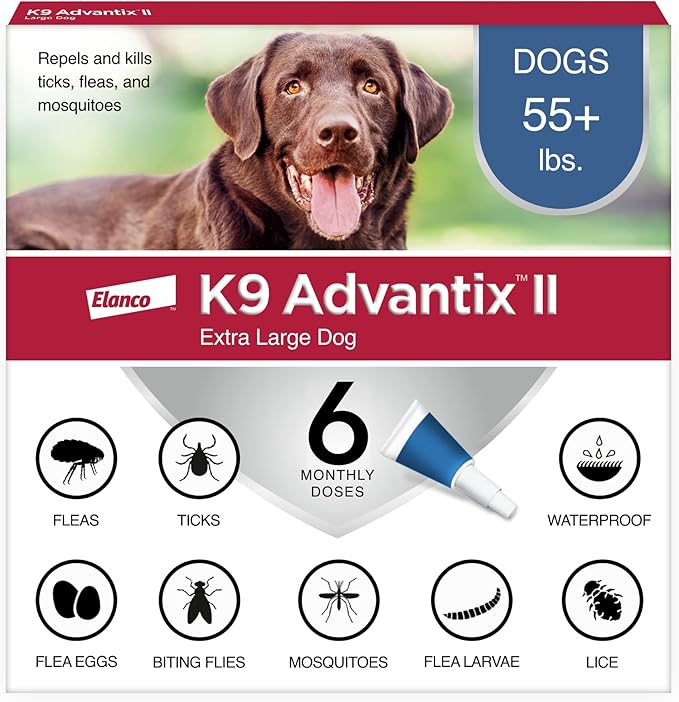
K9 Advantix II (Flea & Tick Prevention)
Imidacloprid 8.80% Permethrin* 44.00% Pyriproxyfen 0.44% Other Ingredients 46.76%.
K9 Advantix II protects extra-large dogs from fleas, ticks, mosquitoes, biting flies, and lice. It kills and repels pests fast, is easy to apply, waterproof, and offers monthly, prescription-free protection.

TickCheck Tick Remover Spoon
Lightweight tick removal kit with three spoons featuring deep notches for safely removing ticks from people or pets. University-tested for effective removal of adult and nymph ticks. Includes a waterproof tick ID card and a carabiner clip for travel and outdoor use. Fast removal helps reduce the risk of tick-borne issues like Lyme. Perfect for hiking and everyday carry.

25 Pack Dog Vaccines Large
Bulk Pack of 25 Dog Vaccine Record Books – Tri-fold design with double-sided printing, made from durable 120g paper. Keep track of vaccinations, deworming, and health events easily. Ideal for breeders, vets, and multi-pet households.

Yaheetech Large Multi-Level Cat Tree
This cat tree offers a cozy, fun layout with a condo, hammock, scratching posts, ladder, perch, and detachable hanging ball. Rounded corners ensure safety, and the hammock hooks make removal easy. An anti-toppling kit adds extra stability by securing it to the wall. Includes a clear manual for easy assembly. A practical, stylish cat house for sleep, play, and relaxation.

Bedsure Calming Dog Bed Medium Size Dog
Calming, plush donut dog bed with extra-soft faux fur and raised rim for secure, comfortable sleep.