


Why Does My Cat Lick Me? 7 Real Reasons Behind This Furry Habit
By PawHappiness Team | Updated | 4 minutes read | Cat Behavior
Table of Contents
- Understanding Why Cats Lick Their Humans
- 1. Licking as a Sign of Affection
- 2. Marking You as “Their Person”
- 3. Your Cat Likes the Taste of Your Skin
- 4. Licking as a Self-Soothing Behavior
- 5. Licking for Attention or Interaction
- 6. Motherly or Protective Instincts
- 7. When Licking Might Signal a Problem
- How to Gently Discourage Excessive Licking
- Amazon Products That Help With Cat Stress or Licking Behavior
- Conclusion
If you’ve ever been relaxing on the couch and your cat suddenly walks up, sits comfortably, and starts licking your arm like you’re a giant popsicle, you might wonder, “Why does my cat lick me?” Cat owners often feel a mix of amusement and confusion—because sometimes it’s cute, but let’s be real, it can also feel a little… weird. Licking is one of your cat’s strongest forms of communication, and understanding why they do it can make your bond even stronger.
Cats lick for many reasons: affection, stress, habit, or even subtle health clues. What feels like a tiny sandpaper kiss might actually be a message your cat wants you to understand. The good news? Once you discover what your cat is trying to “say,” you’ll know whether they’re showing love, seeking comfort, or asking for a little help. In this article, we’ll break down the most common causes, simple ways to respond, and when it might be time to pay attention to something deeper.
Understanding Why Cats Lick Their Humans
Cats use licking as one of their most natural behaviors. In the wild, it’s part of grooming, bonding, and claiming territory. So when your cat licks you, it’s rarely random—it’s instinct. But the meaning behind the lick depends on context, frequency, and their overall behavior.
Let’s explore the most common explanations.
1. Licking as a Sign of Affection
Many cat owners are surprised to learn that licking is one of the biggest signs of love. If you’re thinking, “Why does my cat lick me so much?” it could be their way of bonding.
Cats groom their buddies (called “allogrooming”) as a way to:
- Strengthen their connection
- Show trust
- Establish social bonding
If your cat licks you during snuggle time, after you come home, or when they knead on your lap, it’s their version of saying, “You’re family.”
How to respond:
- Gently pet them back.
- Speak softly to reinforce the bond.
- Redirect if it becomes too intense (use a soft toy or brush).
2. Marking You as “Their Person”
Cats have scent glands in their tongues. When they lick you, they’re leaving their scent behind. So yes — your cat might literally be claiming you.
This behavior usually appears when:
- A new pet enters the home
- You’ve been around unfamiliar animals
- Your routine changes
Your cat is basically saying, “Just reminding everyone that you’re mine.”
How to help them feel secure:
- Keep a consistent routine.
- Give each cat their own resources (bowls, hiding spots).
- Use pheromone diffusers to reduce territorial stress.
3. Your Cat Likes the Taste of Your Skin
As funny as it sounds, your cat may lick you because you taste interesting. Sweaty skin carries salt, oils, and scents your cat wants to explore.
You may notice this when:
- You just exercised
- You’re cooking or eating
- You applied lotion or skincare products
Tip:
If you use scented lotions or chemicals, gently discourage licking to avoid ingestion.
4. Licking as a Self-Soothing Behavior
Stress or anxiety can cause repetitive licking. Some cats lick themselves excessively; others lick their humans to relieve tension.
Common stress triggers include:
- Loud noises
- Being alone for long hours
- New pets or visitors
- Changes in your schedule
If you’re wondering “Why does my cat lick me before sleeping?” it may be their bedtime ritual to feel safe.
Support your cat by:
- Creating cozy hiding spots
- Offering structured play
- Using calming supplements or pheromones
(Recommended products listed at the end.)
5. Licking for Attention or Interaction
Cats quickly learn what gets a response from you. If they lick you and you:
- Talk
- Laugh
- Pet them
- Move
…they realize it works.
This becomes a learned behavior, especially for affectionate cats or clingy personalities.
Healthy ways to manage it:
- Provide more daytime stimulation
- Add interactive toys
- Build predictable bonding time
6. Motherly or Protective Instincts
Some cats, especially females, lick to “mother” their humans. It’s the same behavior mama cats use to groom and soothe kittens.
You may notice this if your cat:
- Licks you gently
- Purrs deeply
- Stays close during emotional moments
Cats are surprisingly sensitive to human emotions. If you’re sad or stressed, they may lick you as comfort.
7. When Licking Might Signal a Problem
Most licking is harmless. But sometimes frequent or aggressive licking can point to something else:
Possible concerns:
- Anxiety
- Compulsive disorder
- Dental discomfort
- Nausea
- Skin irritation from licking chemicals
If licking becomes obsessive or paired with other changes (appetite, hiding, weight loss), consider a vet check.
How to Gently Discourage Excessive Licking
If licking becomes too much, here are kind and practical ways to redirect it:
Use Redirection
- Offer a soft chew toy
- Provide a grooming brush
- Introduce a lick mat
Increase Mental & Physical Stimulation
Bored cats are more likely to lick out of habit. Try:
- Puzzle feeders
- Cat tunnels
- Wand toy games
- Daily play sessions (10–15 minutes each)
Soothe Their Anxiety
If licking is stress-driven, calming tools can help (see affiliate product list).
Provide predictability and safe spots around your home.
Avoid Punishment
Never push, yell, or punish. It breaks trust and increases anxiety — which then leads to more licking.
Amazon Products That Help With Cat Stress or Licking Behavior
These products support calming, enrichment, and healthy redirection:
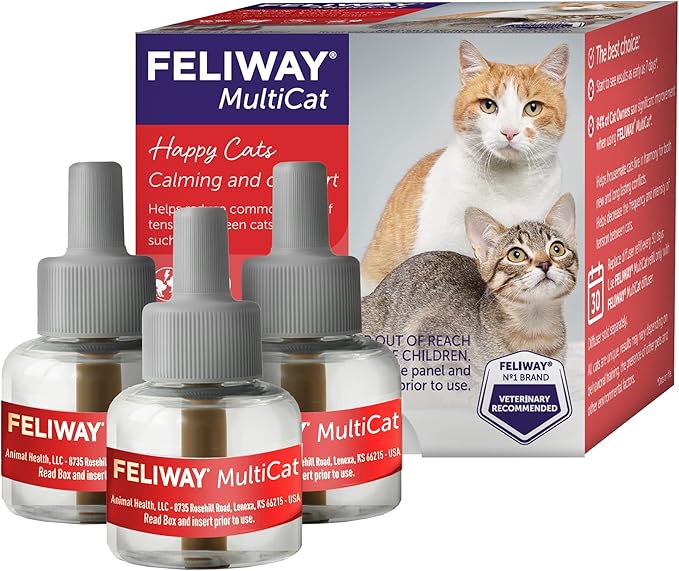
FELIWAY® MultiCat 3 x 30 Day Cat
FELIWAY MultiCat is a vet-recommended pheromone diffuser that helps reduce tension and conflict between cats, including fighting, chasing, and blocking. The drug-free formula provides up to 30 days of calming support per refill and covers up to 700 sq ft. Safe for all cats, it’s an easy, effective way to promote peace in multi-cat homes.
Buy NowConclusion
So, why does my cat lick me? In most cases, the answer is simple: love, bonding, and instinct. Licking is your cat’s way of connecting with you—sometimes to comfort you, sometimes to mark you, and sometimes to soothe themselves. By understanding what each lick means, you can support your cat’s emotional needs while keeping your bond happy and healthy.
If the licking becomes excessive, focus on gentle redirection, reducing stress, and enriching their daily routine. Want to learn more about cat behavior and how to build an even stronger relationship with your furry friend? Explore more pet-care guides anytime!
Related Articles


Extra Deals & Recommendations From Our Partners
Discover exclusive offers, tools, and products from brands we collaborate with.


Meow Mix Gravy Bursts Dry Cat Food, Chicken, 3 LB Bag
This pet food formula contains corn, wheat, soybean meal, and animal by-product meals, including chicken and turkey. It is preserved with mixed tocopherols and potassium sorbate, and fortified with essential vitamins, minerals, taurine, and amino acids to support overall nutrition. Added flavors, colors, and bone broth enhance taste and appeal.

PetSafe Viva Pet Fountain
The PetSafe Viva Pet Fountain encourages healthy hydration with a flowing design and double filtration for cleaner water. Made from BPA-free plastic and stainless steel, it features an LED water level indicator and auto-shutoff. Easy to clean and dishwasher safe, PetSafe delivers vet-recommended quality backed by 25 years of trusted innovation.

NaturVet – ArthriSoothe-Gold Advanced Care Liquid
Liquid joint supplement for dogs & cats with glucosamine, MSM, chondroitin,and antioxidants to support mobility, cartilage health, and joint comfort. Vet-approved, made in the USA.

2 Pack Hemp Calming Chews for Dogs 300 Count with Melatonin-Stress & Anxiety Relief
Calming chews help dogs stay relaxed during thunder, fireworks, travel, vet visits, and separation. Premium ingredients like chamomile, valerian, vitamin B1, melatonin, L-tryptophan, and L-theanine ease tension, boost sleep, and support mood. Works in 30–45 minutes and lasts up to 12 hours. Made in the USA with natural, wheat- and corn-free ingredients in a tasty chicken-flavored soft chew.

Snoozer Luxury Console Car Seat
This center-console dog car seat is designed for small pets up to 9 lbs, featuring side safety hooks and adjustable bottom straps for a secure, no-slip fit. Made from waterproof PU leather with plush rabbit-velvet lining, it includes a harness hook, shoulder straps, storage pocket, and a reversible washable cushion. Its elevated design gives anxious pets a calming window view during travel.

KONG Puppy – Natural Teething Rubber Chew Toy for Dogs
The KONG Puppy toy is made with soft, natural rubber specially designed for a puppy’s developing teeth and gums. Gentle yet durable, it provides healthy chewing enrichment and a fun bounce for fetch. It can be stuffed with treats or kibble to extend playtime and support training or crate comfort. Made in the USA with globally sourced materials.

PETLIBRO Automatic Cat Feeder, 5G WiFi Automatic Dog Feeder
Control your pet’s meals anytime with this smart Wi-Fi automatic feeder (2.4GHz & 5GHz) via the PETLIBRO App. Schedule up to 10 meals daily, customize portions, and track feeding records. Features personalized voice meal calls, freshness-lock design with desiccant, stainless steel bowl, and smart alerts for jams, low food, or low battery.

ANWA 2 Pack Cat Recovery Suit
This cat recovery suit prevents licking and scratching after surgery, promoting faster healing and lowering infection risk. Made from breathable, gentle fabric, it offers a secure fit with adjustable elastic and Velcro. Ideal for spay recovery, wounds, skin issues, or overgrooming, it’s a comfortable, washable alternative to cones, allowing free movement and reduced stress.