


Can Cats Eat Avocado? What Every Cat Parent Should Know Before Sharing This Trendy Fruit
By PawHappiness Team | Updated | 5 minutes read | Cat Nutrition
Table of Contents
- Can Cats Eat Avocado? The Short Answer
- Understanding Persin: Why the Question “Can Cats Eat Avocado?” Is Complicated
- Is the Avocado Flesh Safe for Cats to Eat?
- Avocado Pit & Skin: The Most Dangerous Parts for Cats
- What Should You Do if Your Cat Eats Avocado?
- Healthy Treat Alternatives If Your Cat Can't Have Avocado
- How to Keep Your Cat Safe Around Avocados at Home
- Can Cats Eat Avocado-Based Products?
- Does Avocado Offer Any Benefits to Cats?
- Conclusion
Avocados are everywhere—on toast, in smoothies, and even in pet owners’ kitchens as a quick snack. So it’s completely normal for cat parents to wonder, “Can cats eat avocado?” Maybe your cat tried to sneak a lick while you were prepping guacamole, or maybe they just love investigating whatever you’re eating. Before you panic (or offer your cat a tiny taste), it’s important to understand how avocados affect cats, which parts are safe, and which parts can be harmful.
While avocado has a reputation for being healthy for humans, the same doesn’t necessarily apply to your cat. Some parts of the fruit contain substances that can be toxic, while others might be relatively harmless in small amounts. In this article, we’ll break down everything you need to know—clearly, simply, and without fear-mongering—so you can keep your cat safe and avoid unnecessary stress.
Can Cats Eat Avocado? The Short Answer
The short answer: cats can eat small amounts of the avocado flesh, but many parts of the avocado plant are unsafe. The skin, pit, leaves, and bark contain persin, a natural toxin harmful to certain animals.
Cats are more resistant to persin than dogs or birds, but that doesn’t mean avocado is risk-free.
Safe:
- A tiny amount of ripe avocado flesh
Unsafe:
- Skin
- Pit
- Leaves
- Stems
- Unripe avocado
Even though the flesh is generally low-risk, it’s still not ideal as a regular treat. Avocado is high in fat, and cats have sensitive stomachs.
Understanding Persin: Why the Question “Can Cats Eat Avocado?” Is Complicated
Persin is a fungicidal toxin naturally found in various parts of the avocado plant. Though cats are not as sensitive as other species, persin exposure can still irritate their stomach or cause discomfort.
Possible symptoms of persin exposure include:
- Vomiting
- Diarrhea
- Belly discomfort
- Lethargy
- Drooling
The highest concentration of persin is found in the pit, skin, bark, and leaves—not so much in the flesh. But if your cat is curious or a “food thief,” the risk increases the moment an avocado is left unattended.
Why it’s still not recommended as a treat:
Cats are obligate carnivores. They thrive on meat—not plant fats. Too much avocado can upset their stomach or add unnecessary calories, especially for indoor cats with lower activity levels.
Is the Avocado Flesh Safe for Cats to Eat?
When discussing “Can cats eat avocado?”, most cat owners want to know specifically about the green fruit inside. The flesh itself contains minimal persin and is unlikely to cause severe toxicity.
However, flesh can still cause issues:
- High fat content → may lead to vomiting or diarrhea
- Cats with pancreatitis should never eat avocado
- Cats with weight issues don’t need the extra calories
If your cat eats a tiny accidental lick or nibble, don’t panic. Most cats will be completely fine. Just monitor their behavior for the next 24 hours.
Safe but still not recommended:
If you insist on offering a taste, keep it to a pea-sized amount and only rarely.
Avocado Pit & Skin: The Most Dangerous Parts for Cats
When answering “Can cats eat avocado?”, the biggest concern is not the flesh but the pit and skin. These parts contain higher levels of persin and are also physical hazards.
The pit:
- Can cause choking
- Can cause intestinal blockage
- Contains more persin than the flesh
The skin:
- Higher persin levels
- Hard to digest
- May be contaminated with pesticides
Make sure to never leave avocado scraps in trash bins your cat can reach. Some cats love digging through garbage, especially if it smells like food.
What Should You Do if Your Cat Eats Avocado?
If your cat eats a tiny amount of the flesh, you can usually just observe them. Most cats won’t show major symptoms.
However, if your cat ate the skin, pit, or a large amount of flesh, you should act quickly.
Steps to take:
- Remove any remaining avocado from your cat’s mouth.
- Monitor for symptoms for 24–48 hours.
- Provide fresh water to prevent dehydration.
- Call your veterinarian if symptoms appear.
Warning signs that require immediate vet attention:
- Repeated vomiting
- Uncontrolled diarrhea
- Weakness or wobbliness
- Signs of abdominal pain
- Swollen belly
When in doubt, always call your vet or a 24-hour emergency clinic.
Healthy Treat Alternatives If Your Cat Can’t Have Avocado
If you’re feeling guilty about not sharing your avocado toast, don’t worry—cats don’t actually need fruit treats at all. But if you want to give them something special, here are safe and cat-friendly alternatives.
Great cat treat options:
- Freeze-dried chicken
- Freeze-dried salmon
- Tuna flakes
- Cooked plain chicken
- Catnip or cat grass
- Low-calorie commercial treats
These treats are healthier, easier to digest, and aligned with a cat’s natural diet.
How to Keep Your Cat Safe Around Avocados at Home
Most avocado-related problems happen because a curious cat gets into something not meant for them. A few simple changes can prevent accidents.
Tips to keep avocado out of your cat’s reach:
- Store whole avocados in cabinets, not on the counter.
- Dispose of pits and skins in a sealed trash bin.
- Never leave guacamole on the table unattended.
- Rinse cutting boards immediately after use.
- Keep grocery bags sealed or stored high.
Bonus tip:
If your cat loves human food, you may want to keep healthy treat alternatives on hand to distract them.
Can Cats Eat Avocado-Based Products?
Avocado may appear in several human foods:
- Guacamole
- Avocado oil
- Avocado salad dressing
- Smoothies
- Avocado toast
Here’s what you should know:
Guacamole:
Absolutely unsafe. Contains onions, garlic, and spices—all toxic to cats.
Avocado oil:
Much safer than the fruit itself, but still unnecessary for cats.
Other foods containing avocado:
Almost always risky due to added ingredients.
If your cat accidentally licks a bowl, they’ll probably be fine. But avoid intentionally giving avocado-based foods.
Does Avocado Offer Any Benefits to Cats?
Some pet food companies use avocado oil or avocado meal in trace amounts. These are usually processed and tested for safety.
Possible benefits include:
- Healthy skin
- Shinier coat
- Natural fatty acids
But these benefits can also be obtained from fish oil, which is much more cat-friendly and safer.
Highly recommended alternative:

Grizzly Salmon Oil for Cats
Made from wild Alaskan salmon, Grizzly Omega Health provides cleaner, nutrient-rich omega-3s with high DHA and EPA to support your pet’s skin, coat, cognition, vision, and immune health. Wild salmon offers fewer calories and more omega-3s than farmed fish, making this supplement a powerful choice for overall wellness and healthy nerve-based functions, including fertility.
Buy NowConclusion
So, can cats eat avocado? Technically, yes—very small amounts of the ripe flesh are generally safe. But the risks usually outweigh the benefits. Parts like the pit, skin, leaves, and stems contain persin, which can upset your cat’s stomach or cause more serious issues. And avocado-based dishes like guacamole are completely unsafe.
The best approach is to avoid intentionally giving your cat avocado and instead offer species-appropriate, cat-friendly treats that are much healthier. With proper caution and a little awareness, you can keep your furry friend both curious and safe.
If you’d like, I can create a short version, FAQ section, or WordPress-ready formatting with spacing and bullets.





Extra Deals & Recommendations From Our Partners
Discover exclusive offers, tools, and products from brands we collaborate with.


Hemp Calming Chews for Dogs 150 Count (11.6 oz)
Vet-recommended calming chews that naturally reduce dog anxiety from barking, separation, travel, fireworks, and vet visits. Works in 30 minutes and lasts up to 12 hours, also helping ease joint pain and discomfort. Made with hemp oil, valerian, chamomile, B1, passionflower, and turmeric—no corn, wheat, soy, or artificials. Peking Duck flavor dogs love. Safe for all breeds and sizes.

Amazon Basics Dog and Puppy Pee Pads
XL 5-layer leakproof puppy pads with quick-dry gel core, built-in attractant, and strong floor protection.

Vet’s Best Natural Flea and Tick Home Spray
This natural flea & tick spray protects your dog and home by killing fleas, eggs, larvae, ticks, and mosquitoes. Gentle enough for dogs 12 weeks and older, it can be applied directly to skin and used on carpets or furniture without staining. Made with certified natural plant-based ingredients like peppermint oil and eugenol, it’s proven effective and proudly made in the USA.
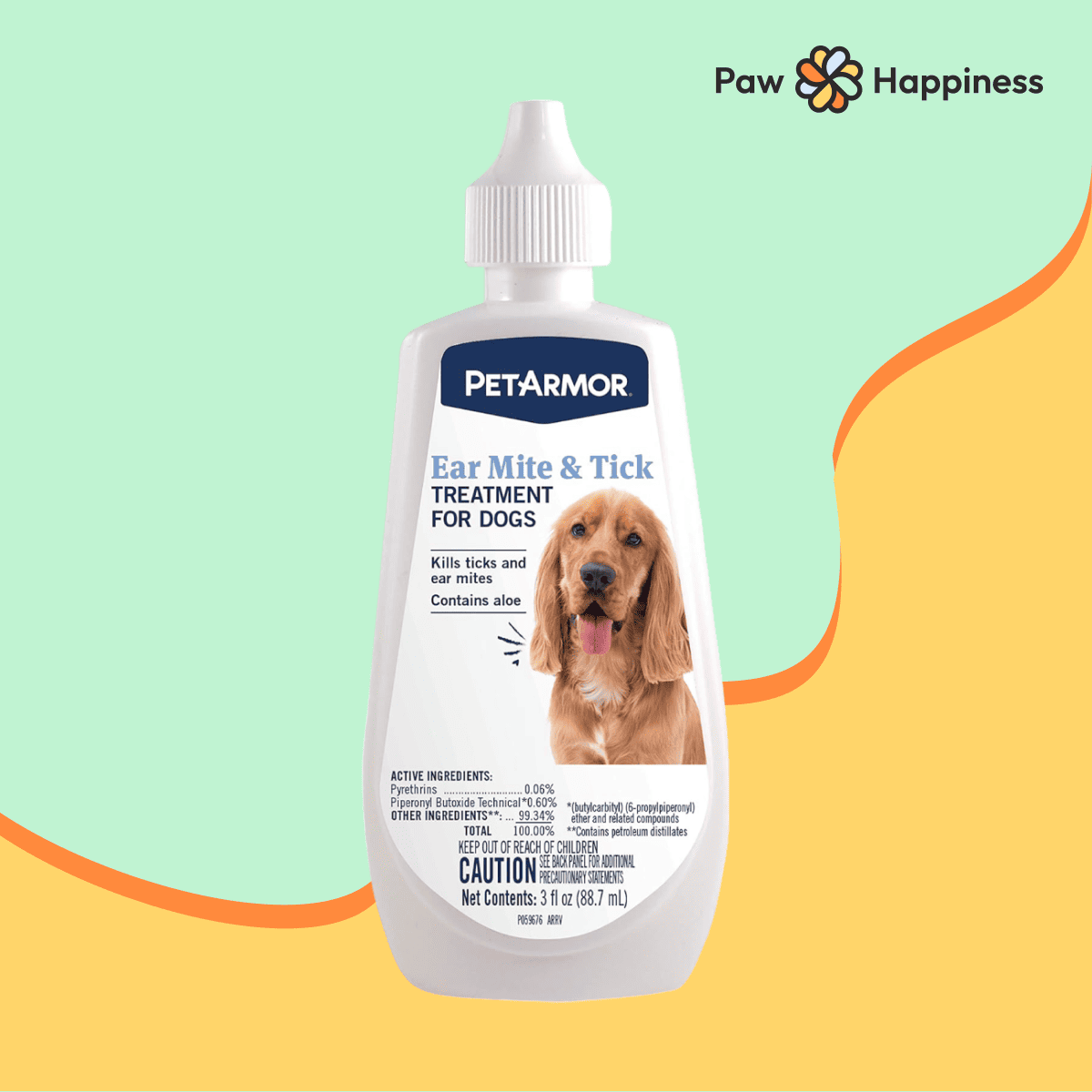
PetArmor Ear Mite Treatment for Dogs
PetArmor Ear Mite & Tick Treatment kills ear mites and ticks while soothing itchy ears with aloe. Safe for dogs 12 weeks and older; apply 5 drops per ear twice daily for effective relief.

Bedsure Calming Dog Bed Medium Size Dog
Calming, plush donut dog bed with extra-soft faux fur and raised rim for secure, comfortable sleep.

Fashion’s Talk Cat Toys Variety Pack for Kitty 20 Pieces
This randomly assembled 20-pack cat toy bundle includes wands, balls, catnip mice, rattles, feathers, and more to keep your cat active and entertained, even when you're away. Helps release energy and reduce boredom. Always supervise play—some items are small. Not indestructible; replace if damaged. A perfect gift set for holidays, birthdays, or everyday fun.

Impact Collapsible Dog Crate
This enhanced dog crate features secure slide-bolt latches with Paw Block and locking tips for added safety. Measuring 36.6" x 21.9" x 24.5", it suits medium breeds 40–70 lbs and includes a divider panel, leak-proof pan, rubber feet, and handle. Easy to assemble without tools, it folds flat for travel. Durable construction, proper ventilation, and rounded corners ensure a safer, more comfortable den for your dog.

The Farmer’s Dog Fresh Beef Recipe Alternative
Blue Buffalo Homestyle Recipe Adult Wet Dog Food offers chicken and beef dinners made with real meat as the first ingredient, plus garden vegetables for a nutritious, home-cooked taste. Free from poultry by-product meals, corn, wheat, and soy, it’s ideal for picky eaters and mixes easily with dry food. A wholesome, flavorful meal that keeps your dog excited every time you open a can.