


Can You Give Cats Milk? The Truth Every Cat Owner Needs to Know
By PawHappiness Team | Updated | 5 minutes read | Cat Nutrition
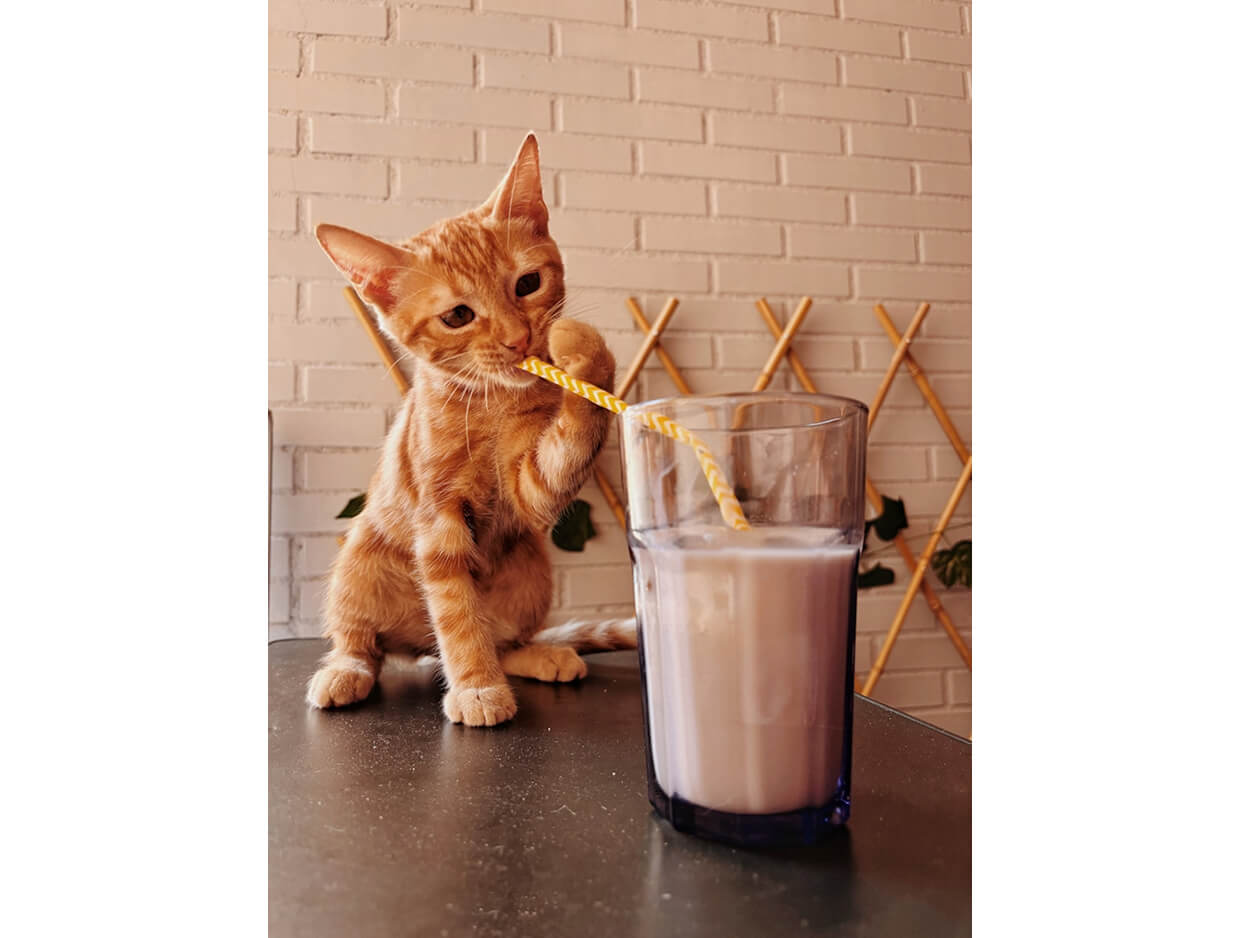
Table of Contents
- Why Cats and Milk Don’t Actually Mix
- What Happens If You Give Your Cat Milk?
- Can Kittens Drink Milk?
- What Types of Milk Are Safe for Cats?
- How Much Milk Can Cats Have Safely?
- Healthier Hydration and Treat Alternatives
- How to Introduce Milk Alternatives Safely
- Amazon Product Recommendations
- Why Milk Isn’t a Necessary Part of a Cat’s Diet
- Can Lactose-Free Milk Be Given to Cats?
- What About Cats Who Never Have Problems With Milk?
- Final Thoughts
We’ve all seen the classic image: a cute kitten happily lapping milk from a bowl. It’s adorable… but here’s the twist—Can You Give Cats Milk? Despite popular belief, most cats actually struggle to digest dairy. If you’ve ever offered your cat milk and noticed stomach issues afterward, you’re not alone. Many pet owners still wonder whether milk is safe, why some cats love it anyway, and what alternatives are okay to give.
In everyday life, we just want to make our cats happy and treat them once in a while. But choosing the wrong treat can lead to tummy problems, diarrhea, and long-term discomfort. This article breaks down the truth about cats and milk in a simple, friendly way—so you feel confident about what’s safe, what’s not, and what you can offer instead. Whether you live with a curious kitten or a picky senior cat, knowing the right information helps keep them healthy, comfortable, and purr-happy.
Why Cats and Milk Don’t Actually Mix
The idea that cats love milk isn’t entirely wrong—they’re attracted to the smell of fat in dairy. But loving it doesn’t mean their stomach can handle it.
Most Cats Are Lactose Intolerant
After kittens are weaned from their mother, their bodies produce much less lactase—the enzyme needed to digest lactose (the sugar in milk). Without enough lactase, milk moves undigested through their system, leading to:
- Gas
- Diarrhea
- Stomach cramps
- Bloating
- Vomiting
So while milk isn’t toxic, it can cause a lot of discomfort.
Why Some Cats Still Want Milk
Milk has:
- Fat (which cats love)
- A tempting smell
- A creamy texture
Cats may want it, but their digestive system often disagrees.
What Happens If You Give Your Cat Milk?
If your cat drinks milk occasionally, you may notice symptoms within 8–12 hours. Even a small amount can upset sensitive stomachs.
Common Signs of Milk Sensitivity
Watch for:
- Soft stool or diarrhea
- Excessive gas
- Lethargy
- Stomach rumbling
- Vomiting
If symptoms appear, it’s best to remove milk from their diet entirely.
Long-Term Effects
Regular dairy consumption can lead to chronic digestive irritation. In some cases, it may also cause nutrient imbalances if milk replaces proper cat food.
Can Kittens Drink Milk?
This is where things often get confusing.
Newborn Kittens
Yes, newborn kittens need milk—but only from their mother or a proper kitten formula. Cow’s milk does not meet their nutritional needs.
Orphaned Kittens
Use kitten-specific formula, not regular dairy. Cow’s milk lacks essential nutrients and can cause dehydration due to diarrhea.
Safe options include:
- Kitten Milk Replacer (KMR)
- Powdered kitten formula
If you’re caring for newborn or orphaned kittens, always talk to a vet for guidance.
What Types of Milk Are Safe for Cats?
While regular cow’s milk is risky, some alternatives are cat-friendly in moderation.
Cat-Safe Milk Products
There are dairy-free or lactose-free formulas specifically made for pets.
Safe alternatives include:
- Cat-Specific Lactose-Free Milk
- Goat’s Milk (in small amounts)
- Commercial Cat Milk Treats
These options are easier on the stomach and made with cats’ digestive needs in mind.
Milk Alternatives to Avoid
Even lactose-free human milk can be too fatty.
Avoid giving:
- Regular cow milk
- Condensed milk
- Flavored milk (chocolate, vanilla)
- Plant milks like almond, coconut, oat, or soy
Most plant milks contain sugars, oils, or additives that aren’t safe for cats.
How Much Milk Can Cats Have Safely?
Even with safe alternatives, milk should stay a treat—not a daily drink.
General Guidelines
- Offer 1–2 tablespoons occasionally
- Never replace water with milk
- Monitor your cat after trying a new milk product
If stools stay normal and your cat stays energetic, it’s likely safe as an occasional treat.
Healthier Hydration and Treat Alternatives
If you want to give your cat something special without the tummy trouble, here are better options.
Better Treat Options
- Freeze-dried meat treats
- Cooked chicken (plain)
- Cat-safe broth
- Catnip or cat grass
Ways to Encourage Hydration Without Milk
- Add water to wet food
- Use a cat drinking fountain
- Offer hydrating treats like tuna water (not brine)
Cats naturally drink less water, so these strategies help replace the “treat feeling” milk gives without digestive risks.
How to Introduce Milk Alternatives Safely
If you decide to try a cat-safe milk product, introduce it slowly.
Step-by-Step Introduction
- Offer 1 teaspoon the first time
- Watch for signs of discomfort
- If everything looks normal, increase slightly next time
- Keep servings small and occasional
Every cat’s digestive system is different, so gradual testing is the safest approach.
Amazon Product Recommendations
Here are safe, vet-recommended options for cats who enjoy occasional milky treats:

Whiskas Catmilk Plus Drink for Cats
Cats love milk, but lactose can upset their stomachs. WHISKAS CATMILK PLUS is a 98% lactose-reduced, protein-rich drink made by expert nutritionists as a gentle, easy-to-digest alternative. Enriched with essential nutrients and naturally high in calcium, it supports strong teeth and bones. Give your cat the creamy milk taste they crave—made safely just for cats and kittens.
Buy NowWhy Milk Isn’t a Necessary Part of a Cat’s Diet
It’s important to remember that:
- Cats get all their nutrients from a balanced diet
- Milk does not add essential nutrients
- Milk is more of a “comfort treat” than a health booster
A complete cat diet includes:
- Animal protein
- Healthy fats
- Essential vitamins
- Water
Milk doesn’t replace any of these needs.
Can Lactose-Free Milk Be Given to Cats?
Lactose-free milk designed for humans may still contain:
- Too much fat
- Added sugar
- Added vitamins not suitable for cats
While not as harmful as regular milk, it’s still not the best choice. Pet-specific milk is always safer.
What About Cats Who Never Have Problems With Milk?
Some cats appear unaffected by small amounts of dairy—and that’s okay! Digestive tolerance varies.
But even if your cat seems fine:
- Avoid giving milk regularly
- Use minimal amounts
- Watch stool consistency
Just because they tolerate it doesn’t mean it’s nutritionally beneficial.
Final Thoughts
So, Can You Give Cats Milk? The short answer: yes—but only the right kind and only in small amounts. Most cats are lactose intolerant, which means regular cow’s milk can cause digestive upset, diarrhea, and discomfort. Thankfully, there are plenty of cat-safe, lactose-free alternatives that let your furry friend enjoy a creamy treat without stomach issues.
Remember, milk should stay an occasional treat, not a daily habit. Always pay attention to how your cat responds, introduce new treats slowly, and choose products made specifically for pets.
If you’d like more tips on cat nutrition or recommendations for safe treats, feel free to explore more guides on our site. Your cat’s health and happiness are worth every bit of extra care!


Extra Deals & Recommendations From Our Partners
Discover exclusive offers, tools, and products from brands we collaborate with.


Cat Toys Laser Pointer for Indoor
This interactive cat toy features a durable aluminum shell, pocket-size design, and easy slide adjustment. With 7-in-1 modes—including 5 red patterns plus red, purple, and white lights—it’s perfect for play, pet checks, and even emergency lighting. USB rechargeable and eco-friendly, it keeps indoor cats active and strengthens your bond. A fun, practical gift for any pet.
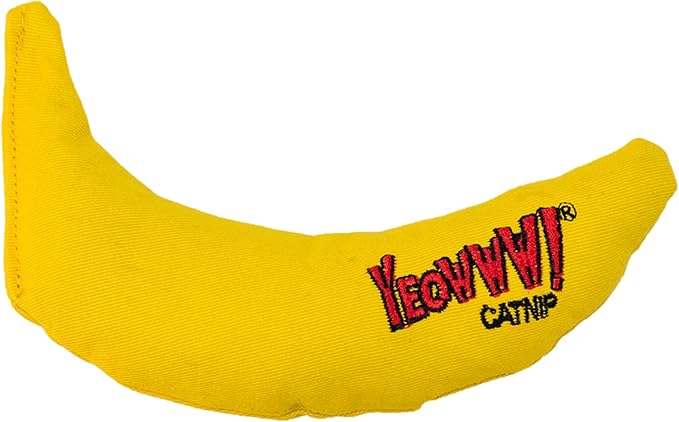
Yeowww! Organic Catnip
Yeowww! Banana Catnip Toy is a capnip toy that actually works! This banana shaped toy is filled with 100% organically grown catnip. Your cat will love the curve of the Yeowww! Banana Catnip Toy and you will love to watch them play with it. 7" in length Filled with 100% organic catnip Stronger aroma

Vailge Waterproof Dog Hammock Car Seat Cover
This dog car seat cover features side flaps for full backseat and door protection, converting easily from hammock to bench cover or cargo liner. Waterproof 4-layer fabric keeps seats clean from mud, hair, and spills, while nonslip backing and anchors ensure safety. Made with no-smell material and fits most sedans, SUVs, and mid-size trucks. Easy to install and clean for stress-free travel.
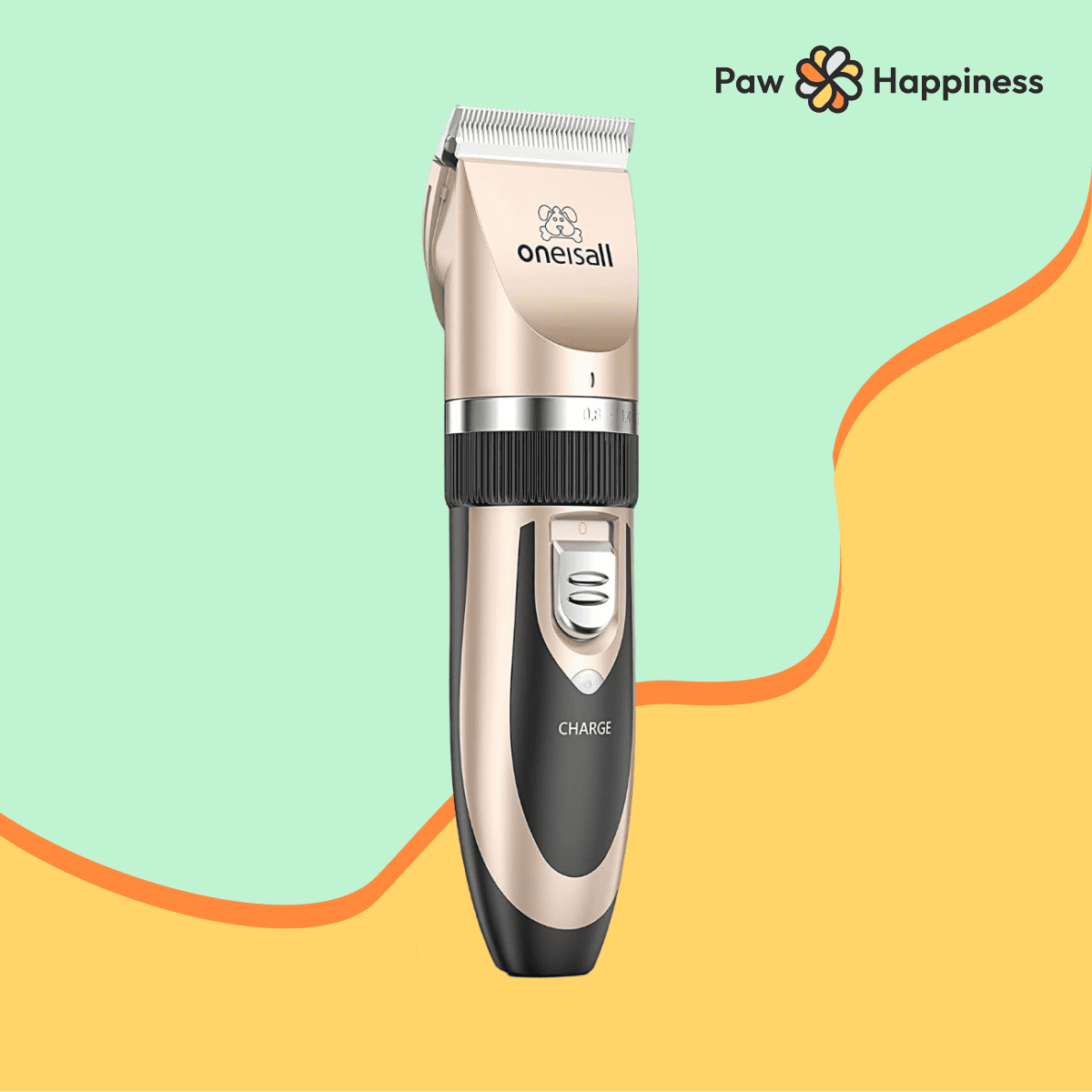
oneisall Dog Clipper Low Noise
The Oneisall silent motor reduces noise by 17%, ensuring that even the most sensitive pets won't be scared, allowing them to enjoy a comfortable grooming experience

INABA Churu Cat Treats, Grain-Free, Lickable
Made with human-grade ingredients like farm-raised chicken and wild-caught tuna, Churu treats keep cats hydrated with 91% moisture and only 6 calories per tube. They’re free from grains, preservatives, artificial colors, and carrageenan, with added taurine for health. These creamy, lickable tubes are perfect for hand-feeding, topping food, or hiding meds, and come in many tasty flavors.

Bseen LED Dog Collar USB Rechargeable Collar
Adjustable, rechargeable LED dog collar with 3 light modes and 360° visibility for safe, easy nighttime walks.

KONG Puppy Toy for Stress Relief
The KONG Ring is a durable chew toy made from KONG’s natural red rubber, designed for long-lasting chewing sessions. Its added nubs enhance the chewing experience while helping clean teeth and support healthy gums. This toy provides enrichment, satisfies natural chewing instincts, and encourages healthy chewing habits.

IRIS USA Large Hooded Litter Box — Best for Odor Control
This enclosed litter box keeps odors contained with an easy-access flap door that prevents spills and messes. The spacious 9.25" x 9" opening gives cats privacy and comfort. A sturdy handle and secure buckles make transport simple, while the included scoop hangs neatly under the hood for quick access. Measuring 21" x 18.75" x 17", it offers ample room for small to medium cats.