


Cat Supplements for Homemade Food: Homemade Meals
By PawHappiness Team | Updated | 5 minutes read | Cat Nutrition
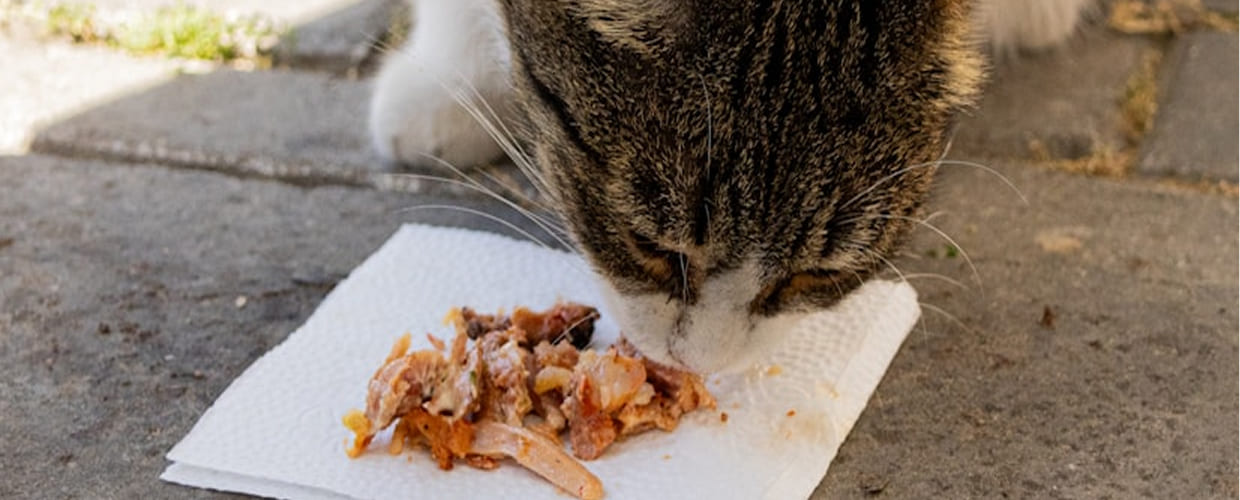
Table of Contents
- Why Homemade Cat Food Often Isn’t Nutritionally Complete
- Understanding the Unique Nutritional Needs of Cats
- Common Nutrient Gaps in Homemade Cat Diets
- Why Cat Supplements for Homemade Food Are So Important
- Taurine: One of the Most Critical Nutrients for Cats
- The Role of Probiotics in Homemade Cat Food
- Vitamins and Minerals Cats Need Every Day
- Choosing the Right Cat Supplements for Homemade Food
- How Life Extension Cat Mix Supports Homemade Feeding
- Supporting Heart, Eye, and Organ Health Naturally
- How to Add Supplements to Homemade Cat Food
- Homemade Diets for Kittens vs Adult Cats
- Signs Your Cat May Be Missing Essential Nutrients
- Working With Your Veterinarian
- Making Homemade Feeding Sustainable for Pet Parents
- Common Myths About Cat Supplements
- Balancing Love and Nutrition in Homemade Feeding
- Final Thoughts on Cat Supplements for Homemade Food

Life Extension Cat Mix, cat Food Supplements
Cat multivitamin that supports overall health with 10+ essential vitamins, probiotics for digestion, and amino acids like taurine and arginine for heart, eye, and organ health. Made with quality ingredients in the USA.
Buy NowMore pet parents are choosing to cook for their cats at home. Some want better ingredient control, others are managing food sensitivities, and many simply want to give their cats fresher meals made with love. While this approach comes from the best intentions, homemade diets often miss one critical piece: complete nutrition. That’s why cat supplements for homemade food play such an important role.
Cats have very specific dietary needs that go far beyond protein and calories. They rely on certain vitamins, minerals, and amino acids that aren’t always easy to provide through home cooking alone. Even carefully planned recipes can fall short, especially when key nutrients are lost during cooking or overlooked altogether. The tricky part is that nutrient deficiencies don’t always show up right away. Your cat may seem healthy while their body slowly runs low on essential support.
The good news is that homemade feeding doesn’t have to be risky or overwhelming. With the right supplements and a better understanding of feline nutrition, you can confidently serve homemade meals that support long-term health. This guide will walk you through why supplements matter, which nutrients cats need most, and how to make homemade feeding both safe and sustainable.
Why Homemade Cat Food Often Isn’t Nutritionally Complete
Homemade cat food may look healthy, but it’s rarely complete on its own.
Most recipes focus on:
- Protein sources like chicken, fish, or beef
- Simple carbs or vegetables
- Natural fats
What’s often missing are micronutrients that cats need in precise amounts. Unlike humans, cats can’t adapt easily to nutritional gaps. Their bodies are designed to get very specific nutrients from animal-based diets.
Understanding the Unique Nutritional Needs of Cats
Cats are obligate carnivores.
This means they depend on nutrients that come mainly from animal tissues, including:
- Taurine
- Arginine
- Vitamin A (preformed)
- Certain fatty acids
Without these, cats can develop serious health issues even if they’re eating enough calories.
Common Nutrient Gaps in Homemade Cat Diets
Many homemade diets lack essential nutrients.
Some of the most common deficiencies include:
- Taurine for heart and eye health
- Calcium for bone strength
- B vitamins for energy and metabolism
- Vitamin E for immune support
- Trace minerals like zinc and copper
These nutrients are difficult to balance accurately without supplementation.
Why Cat Supplements for Homemade Food Are So Important
Cat supplements for homemade food help fill nutritional gaps safely.
They are designed to:
- Complement homemade recipes
- Provide essential vitamins and minerals
- Support overall wellness
Using a supplement helps turn a good homemade meal into a complete one.
Taurine: One of the Most Critical Nutrients for Cats
Taurine deserves special attention.
It supports:
- Healthy heart function
- Vision and eye health
- Proper digestion and immunity
Cats cannot make enough taurine on their own, and cooking food reduces taurine levels even further.
The Role of Probiotics in Homemade Cat Food
Homemade diets can sometimes disrupt digestion.
Cats may experience:
- Soft stools
- Gas or bloating
- Inconsistent appetite
Probiotics help support gut balance and improve nutrient absorption, especially when switching diets.
Vitamins and Minerals Cats Need Every Day
Cats require a wide range of micronutrients.
These include:
- Vitamin A for vision and skin
- B-complex vitamins for metabolism
- Vitamin D for calcium balance
- Minerals for nerve and muscle function
Supplements ensure these needs are met consistently.
Choosing the Right Cat Supplements for Homemade Food
Not all supplements are created equal.
When choosing a supplement, look for one that:
- Is formulated specifically for cats
- Includes essential amino acids
- Provides vitamins and trace minerals
- Supports digestion
A well-rounded formula simplifies homemade feeding.
How Life Extension Cat Mix Supports Homemade Feeding
Some supplements are designed specifically for homemade diets.
Life Extension Cat Mix, cat Food Supplements is a cat multivitamin that supports overall health with:
- 10+ essential vitamins
- Probiotics for digestive support
- Amino acids like taurine and arginine for heart, eye, and organ health
It’s made with quality ingredients in the USA and can help simplify nutrition for pet parents who prepare meals at home.
Supporting Heart, Eye, and Organ Health Naturally
Certain nutrients directly impact vital organs.
Balanced supplementation supports:
- Heart health through taurine and arginine
- Eye health with vitamin A and amino acids
- Liver and kidney health through proper micronutrients
This becomes especially important as cats age.
How to Add Supplements to Homemade Cat Food
Adding supplements doesn’t need to be complicated.
Helpful tips include:
- Mix powders thoroughly into food
- Follow recommended serving guidelines
- Introduce supplements gradually
Consistency is more important than perfection.
Homemade Diets for Kittens vs Adult Cats
Nutritional needs change with age.
Kittens need:
- Higher protein
- More calories
- Extra nutrients for growth
Adult cats need balanced maintenance nutrition. Supplements help support both life stages when used correctly.
Signs Your Cat May Be Missing Essential Nutrients
Deficiencies aren’t always obvious at first.
Watch for signs like:
- Dull coat or excessive shedding
- Low energy or lethargy
- Digestive upset
- Vision or coordination issues
If symptoms appear, consult your veterinarian.
Working With Your Veterinarian
Your vet is a valuable partner in homemade feeding.
They can:
- Review your recipe
- Check for nutrient gaps
- Recommend appropriate supplements
This ensures your homemade feeding plan supports long-term health.
Making Homemade Feeding Sustainable for Pet Parents
Many pet parents worry about time and effort.
Supplements help by:
- Reducing guesswork
- Supporting consistency
- Simplifying meal prep
This makes homemade feeding easier to maintain.
Common Myths About Cat Supplements
There are many misconceptions about supplements.
Common myths include:
- “Homemade food is automatically complete”
- “Supplements are only for sick cats”
- “Natural diets don’t need vitamins”
In reality, supplements support prevention and wellness.
Balancing Love and Nutrition in Homemade Feeding
Homemade feeding is about care and intention.
The key is combining:
- Fresh ingredients
- Proper supplementation
- Ongoing monitoring
This approach supports both enjoyment and health.
Final Thoughts on Cat Supplements for Homemade Food
Homemade cat food can be a wonderful way to care for your pet, but nutrition must always come first. Cat supplements for homemade food help bridge the gap between fresh ingredients and complete feline nutrition. Cats rely on specific vitamins, minerals, amino acids, and digestive support that homemade recipes alone often can’t provide.
With the right supplement and a consistent routine, pet parents can feel confident that their cat is getting everything they need to thrive. Whether you’re new to homemade feeding or refining your current approach, learning about proper supplementation is one of the most important steps you can take. For personalized guidance, your veterinarian can help ensure your homemade diet supports a healthy, happy life for your cat.
Related Articles




Extra Deals & Recommendations From Our Partners
Discover exclusive offers, tools, and products from brands we collaborate with.


Amazon Basics Cat Scratcher – Indoor Classic Single Cat
This cat scratching post gives your feline a dedicated place to sharpen claws and maintain healthy nails. Made with natural jute fiber, it offers an ideal scratching surface while the sturdy base helps prevent tipping. It includes a replaceable dangling toy for added fun and helps redirect scratching away from furniture and carpets. Perfect for everyday use and easy to spot clean.

Happy Hoodie The Original Dog & Cat Calming Band
Made for groomers by groomers, Happy Hoodie calms and protects dogs from loud noise and air pressure during drying, grooming, nail clipping, and other stressful situations. Its gentle compression reduces noise, helps soothe anxiety, protects ears, and can aid with hematomas or post-surgery care. Soft, stretchy, washable, and long-lasting, it keeps pets comfortable at home or in the salon.

Automatic Cat Feeder, 4L Cat Food Dispenser
This automatic pet feeder ensures smooth, clog-free feeding with a smart food distribution system, eliminating the need for shaking or manual fixes. It features programmable meal scheduling, dual power supply for reliability, a freshness-locking design with desiccant, an anti-theft lid, and a 10-second custom voice recording to call your pet at mealtime.

Meow Mix Gravy Bursts Dry Cat Food, Chicken, 3 LB Bag
This pet food formula contains corn, wheat, soybean meal, and animal by-product meals, including chicken and turkey. It is preserved with mixed tocopherols and potassium sorbate, and fortified with essential vitamins, minerals, taurine, and amino acids to support overall nutrition. Added flavors, colors, and bone broth enhance taste and appeal.
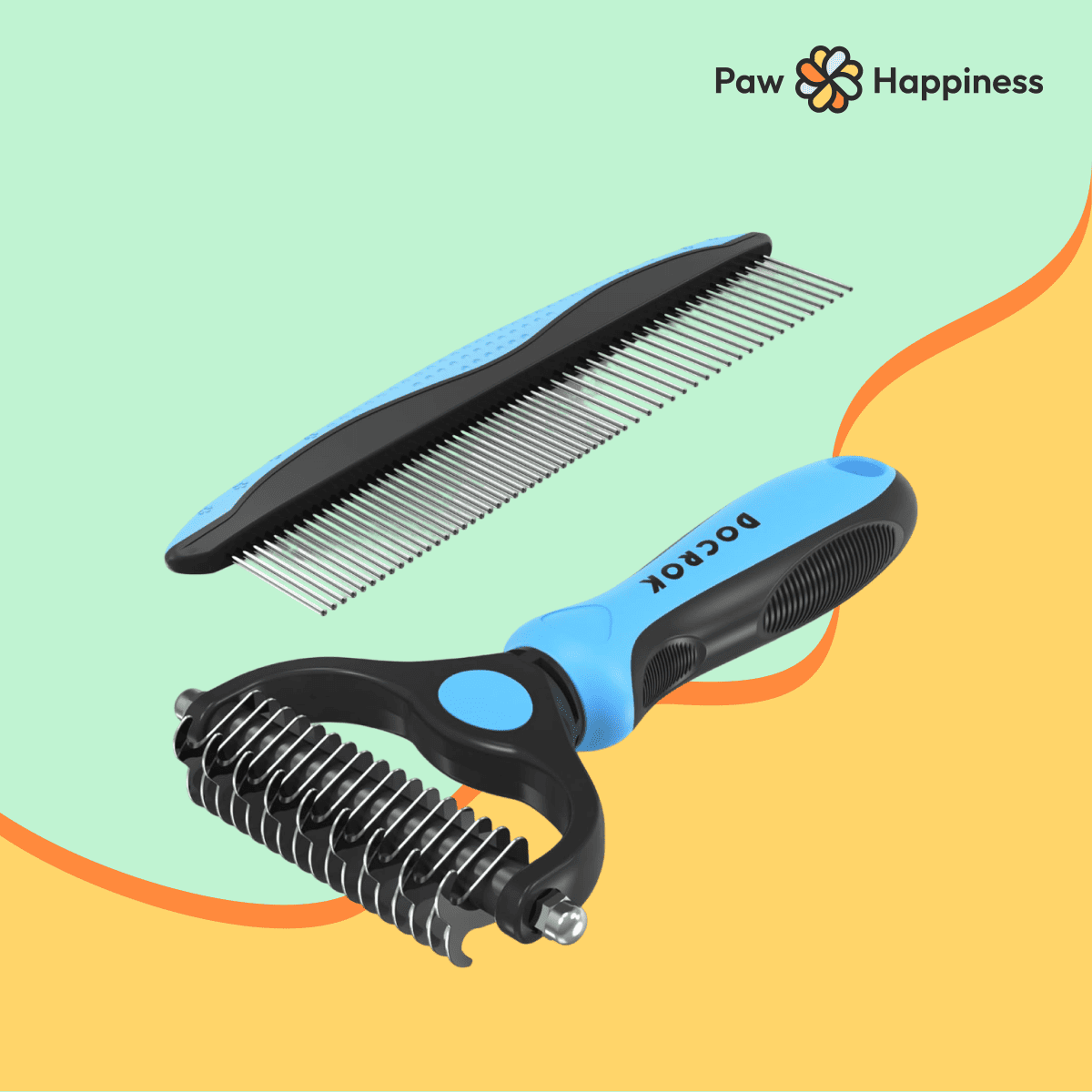
Pet Grooming Combo – Blue Deshedding Brush
This 2-in-1 grooming brush and comb set makes dematting and deshedding easy for dogs and cats. Designed with safe, rounded edges, it gently removes knots, loose fur, and undercoat without hurting your pet. The undercoat rake features wide and dense sides for dematting and shedding, while the dual-sided metal comb reaches legs, head, and tail. Durable stainless steel teeth and a lightweight, ergonomic handle ensure comfortable, long-lasting grooming.

Fish Tank, 2.4 Gallon Fish Aquarium
This smart 2.4-gallon multi-functional aquarium combines a self-circulating 3-in-1 filtration pump, ultra-quiet oxygenation, and adjustable 7-color LED lighting for a relaxing display. Made with ultra-clear HD glass, it features a real-time temperature display, feeding port lid, decorative plants, and a built-in aromatherapy humidifier with three spray modes to enhance mood, reduce stress, and create a soothing indoor environment.

Virbac C.E.T. Enzymatic Toothpaste for Cats
Enzymatic toothpaste for dogs and cats with the C.E.T. Dual Enzyme System to reduce plaque and freshen breath. Its poultry flavor pets love makes brushing easier. Free of foaming agents, it's safe to swallow. Vet-recommended and made in the USA. For best results, use daily with a soft-bristled toothbrush or as directed by your veterinarian.

Milk-Bone Soft & Chewy Dog Treats, Beef & Filet Mignon Recipe
Milk-Bone Soft & Chewy Beef & Filet Mignon Recipe dog treats are made with real chuck roast for a delicious, tender texture dogs love. Suitable for dogs of all sizes, these treats come in a 25-ounce container and are fortified with 12 essential vitamins and minerals. A trusted, feel-good reward dogs have loved since 1908.