


Cat Supplements for Itchy Skin: Your Cat Feel Comfortable
By PawHappiness Team | Updated | 4 minutes read | Cat Nutrition

Table of Contents
- Why Cats Get Itchy Skin in the First Place
- Signs Your Cat’s Itchy Skin Needs Attention
- The Difference Between Occasional Itching and a Skin Problem
- How Itchy Skin Affects Your Cat’s Well-Being
- What Are Cat Supplements for Itchy Skin?
- Topical vs Nutritional Skin Support
- When a Topical Skin Cream Makes Sense
- Ingredients That Help Soothe Itchy Skin
- The Importance of Lick-Safe Products
- How Hot Spots Develop on Cats
- Where Hot Spot & Itch Relief Skin Cream Fits In
- How to Apply Skin Cream Safely on Cats
- How Often Should You Use Topical Skin Support?
- Supporting Skin Health Beyond Supplements
- The Role of Diet in Skin Health
- Seasonal Itching and Dry Skin
- How Long Does It Take to See Improvement?
- When to See a Veterinarian
- Common Mistakes Pet Parents Make
- Creating a Skin Care Routine for Your Cat
- Final Thoughts on Cat Supplements for Itchy Skin

Hot Spot & Itch Relief Skin Cream for Dogs & Cats
Fast-acting skin cream for dogs, cats, and small pets that soothes itching, hot spots, rashes, and minor wounds. Made with natural ingredients, vet-approved, lick-safe, and promotes healthy skin and fur recovery.
Buy NowIf your cat is constantly scratching, licking, or biting at their skin, it can be worrying to watch. Itchy skin is one of the most common issues pet parents face, and it often shows up when you least expect it. One day your cat seems fine, and the next they’re obsessively grooming one spot or developing small red patches. That’s when many people start searching for cat supplements for itchy skin and other gentle solutions.
Cats can develop itchy skin for many reasons, including allergies, dry skin, insect bites, or minor wounds. While some cases require veterinary care, many mild skin issues can be managed with the right daily support. Supplements and topical treatments can help soothe irritation, protect the skin barrier, and support healthy fur regrowth when used properly.
In this article, we’ll walk through common causes of itchy skin in cats, signs to watch for, and practical ways to help your cat feel more comfortable. If your goal is to calm irritated skin without stressing your cat, this guide will help you take the next step with confidence.
Why Cats Get Itchy Skin in the First Place
Itchy skin doesn’t always have one clear cause.
Common triggers include:
- Environmental allergies like dust or pollen
- Food sensitivities
- Fleas or insect bites
- Dry air or seasonal changes
- Minor cuts, rashes, or hot spots
Even indoor cats can develop skin irritation.
Signs Your Cat’s Itchy Skin Needs Attention
Cats hide discomfort well, but their behavior gives clues.
Watch for:
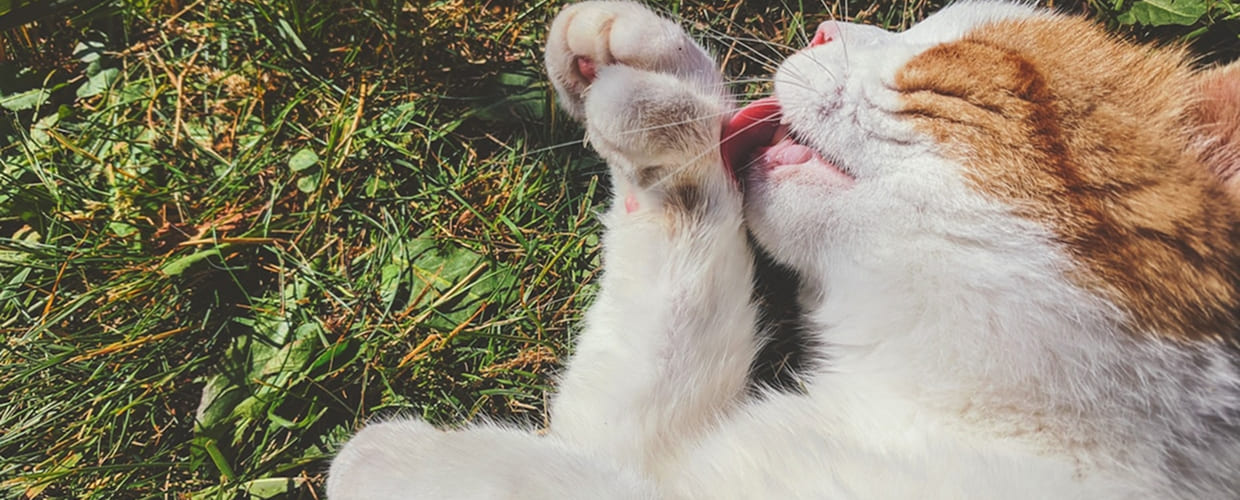
- Excessive licking or chewing
- Scratching one area repeatedly
- Redness or flaky skin
- Thinning fur or bald patches
Early care can prevent worsening irritation.
The Difference Between Occasional Itching and a Skin Problem
All cats scratch sometimes.
It may be a concern if:
- Scratching happens daily
- Skin looks inflamed or raw
- Your cat seems restless or irritated
That’s when extra skin support matters.
How Itchy Skin Affects Your Cat’s Well-Being
Skin irritation isn’t just uncomfortable.
It can lead to:
- Open wounds from scratching
- Increased risk of infection
- Stress or behavioral changes
Addressing itch early improves overall comfort.
What Are Cat Supplements for Itchy Skin?
Cat supplements for itchy skin support the skin from the outside or inside.
They may:
- Soothe irritated areas
- Protect the skin barrier
- Support healing and fur regrowth
- Reduce the urge to scratch
Topical solutions are especially helpful for visible irritation.
Topical vs Nutritional Skin Support
Different problems need different approaches.
Topical products:
- Target specific itchy spots
- Provide fast relief
- Help protect damaged skin
Nutritional support helps long-term skin health.
When a Topical Skin Cream Makes Sense
Topical creams are useful when:
- Irritation is localized
- There are hot spots or rashes
- Your cat keeps licking one area
They work directly where needed.
Ingredients That Help Soothe Itchy Skin
Effective skin products often include:
- Natural soothing agents
- Ingredients that support skin repair
- Gentle formulas safe for pets
Always choose cat-safe options.
The Importance of Lick-Safe Products
Cats groom constantly.
That’s why it’s important that topical products are:
- Lick-safe
- Free from harsh chemicals
- Vet-approved
Safety matters just as much as effectiveness.
How Hot Spots Develop on Cats
Hot spots form when irritation worsens.
They often start with:
- Minor itch or bite
- Repeated licking
- Broken skin
Quick action helps stop the cycle.
Where Hot Spot & Itch Relief Skin Cream Fits In
Some topical solutions are designed for quick comfort.
Hot Spot & Itch Relief Skin Cream for Dogs & Cats is a fast-acting skin cream made to soothe:
- Itching
- Hot spots
- Rashes
- Minor wounds
It’s made with natural ingredients, vet-approved, lick-safe, and supports healthy skin and fur recovery when applied to irritated areas.
How to Apply Skin Cream Safely on Cats
Application should be gentle and stress-free.
Helpful tips:
- Clean the area first
- Apply a thin layer
- Distract your cat briefly after use
Consistency improves results.
How Often Should You Use Topical Skin Support?
Follow label instructions carefully.
In general:
- Apply as directed
- Monitor skin response
- Reduce use once healing improves
Never overapply.
Supporting Skin Health Beyond Supplements
Creams help, but daily habits matter too.
Support skin health by:
- Using gentle grooming tools
- Washing bedding regularly
- Avoiding strong fragrances
A clean environment reduces irritation.
The Role of Diet in Skin Health
Skin reflects nutrition.
A balanced diet supports:
- Strong skin barrier
- Healthy fur growth
- Reduced sensitivity
Food changes can make a difference.
Seasonal Itching and Dry Skin
Dry air can worsen itching.
During colder months:
- Indoor heating dries skin
- Hydration becomes important
- Skin may flake more
Extra skin care helps during seasonal changes.
How Long Does It Take to See Improvement?
Relief timing varies.
You may notice:
- Reduced scratching within days
- Skin healing over 1–2 weeks
- Fur regrowth over time
Patience is key.
When to See a Veterinarian
Supplements support, but don’t replace care.
See your vet if:
- Skin worsens or spreads
- There’s swelling or discharge
- Your cat seems lethargic
Some conditions need medical treatment.
Common Mistakes Pet Parents Make
Avoid these pitfalls:
- Using human creams
- Ignoring persistent itching
- Over-bathing cats
Simple changes prevent setbacks.
Creating a Skin Care Routine for Your Cat
A routine keeps problems under control.
Include:
- Regular checks
- Gentle grooming
- Targeted topical support
Consistency keeps skin calm.
Final Thoughts on Cat Supplements for Itchy Skin
Itchy skin can quickly affect your cat’s comfort, mood, and daily habits. Thankfully, with the right approach, many mild skin issues can be managed at home. Cat supplements for itchy skin, especially topical solutions, can help soothe irritation, support healing, and reduce scratching when used correctly.
By paying attention to early signs, choosing gentle, lick-safe products, and supporting your cat’s skin through daily care, you can help prevent small irritations from turning into bigger problems. Every cat is different, so observe how your pet responds and adjust as needed. When in doubt, your veterinarian is always the best partner in keeping your cat’s skin healthy and comfortable.




Extra Deals & Recommendations From Our Partners
Discover exclusive offers, tools, and products from brands we collaborate with.


Hemp Calming Chews for Dogs 150 Count (11.6 oz)
Vet-recommended calming chews that naturally reduce dog anxiety from barking, separation, travel, fireworks, and vet visits. Works in 30 minutes and lasts up to 12 hours, also helping ease joint pain and discomfort. Made with hemp oil, valerian, chamomile, B1, passionflower, and turmeric—no corn, wheat, soy, or artificials. Peking Duck flavor dogs love. Safe for all breeds and sizes.

Rocco & Roxie Stain & Odor Eliminator
Certified gentle and safe, this pet carpet cleaner is chlorine-free and color-safe, approved by the CRI for all carpets. Its powerful enzymes eliminate tough stains and odors from urine, feces, vomit, and other organic spills. Works on carpets, floors, furniture, clothes, and pet areas. Effective, pet-friendly, and backed by a satisfaction guarantee for worry-free cleaning.

Pet-safe flameless candles
These flameless LED tea lights feature a flickering warm glow and melted-edge design for a realistic candle look. Each light offers 200+ hours of runtime thanks to its 240mAh battery. Safe and mess-free, they eliminate fire risks and wax drips—perfect for homes with kids or pets. Made with secure, sealed battery compartments and UN38.8-certified CR2032 batteries for reliable performance.

Love’s cabin Round Donut Cat and Dog Cushion Bed
Love’s cabin donut dog bed features cozy nest-like walls and 25% extra filling to better hold its shape. The round cuddler design lets pets curl up while the raised rim supports the head and neck, easing joint and muscle pain. Made with OEKO-TEX certified ultra-soft fabric, it’s warm, machine washable, and has a non-slip bottom.

KONG Puppy Toy for Stress Relief
The KONG Ring is a durable chew toy made from KONG’s natural red rubber, designed for long-lasting chewing sessions. Its added nubs enhance the chewing experience while helping clean teeth and support healthy gums. This toy provides enrichment, satisfies natural chewing instincts, and encourages healthy chewing habits.

Fashion’s Talk Cat Toys Variety Pack for Kitty 20 Pieces
This randomly assembled 20-pack cat toy bundle includes wands, balls, catnip mice, rattles, feathers, and more to keep your cat active and entertained, even when you're away. Helps release energy and reduce boredom. Always supervise play—some items are small. Not indestructible; replace if damaged. A perfect gift set for holidays, birthdays, or everyday fun.
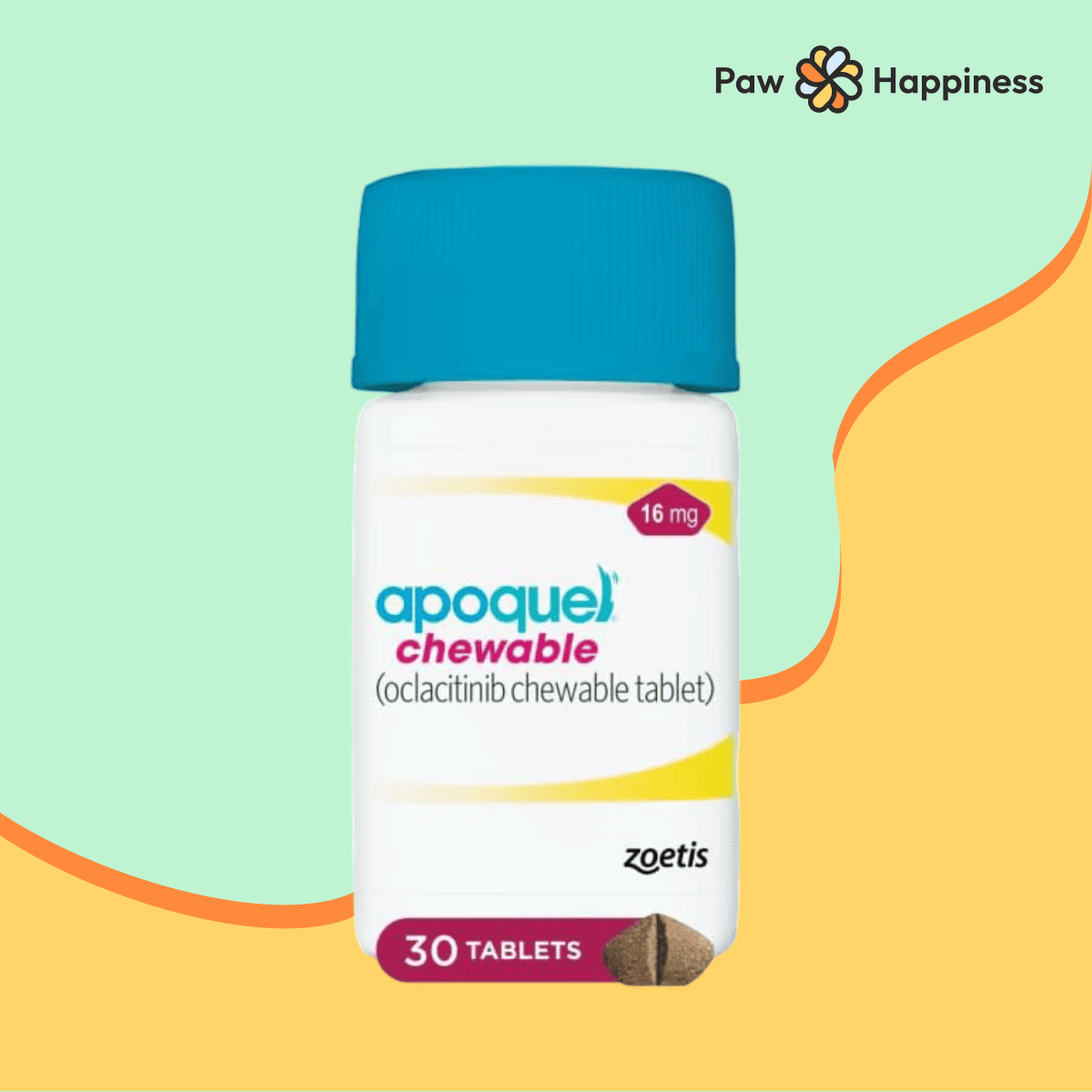
Apoquel Chewable (oclacitinib chewable Tablet) for Dogs
Apoquel Chewable – Prescription oral medicine for dogs 12 months+ to stop allergic itch at the source. Fast-acting relief within 24 hours. Comes in 3.6 mg, 5.4 mg, and 16 mg pork-liver flavored tablets. Can be used short- or long-term under vet guidance.

Yipetor Frozen Treat Dispensing Dog Toy
Frozen treat, slow-feeder, and interactive IQ dog toy in one—durable, safe, and great for mental stimulation.