


10 Hidden Signs Your Dog Is Stressed Out (And How to Help Them Feel Better)
By PawHappiness Team | Updated | 4 minutes read | Dog Behavior
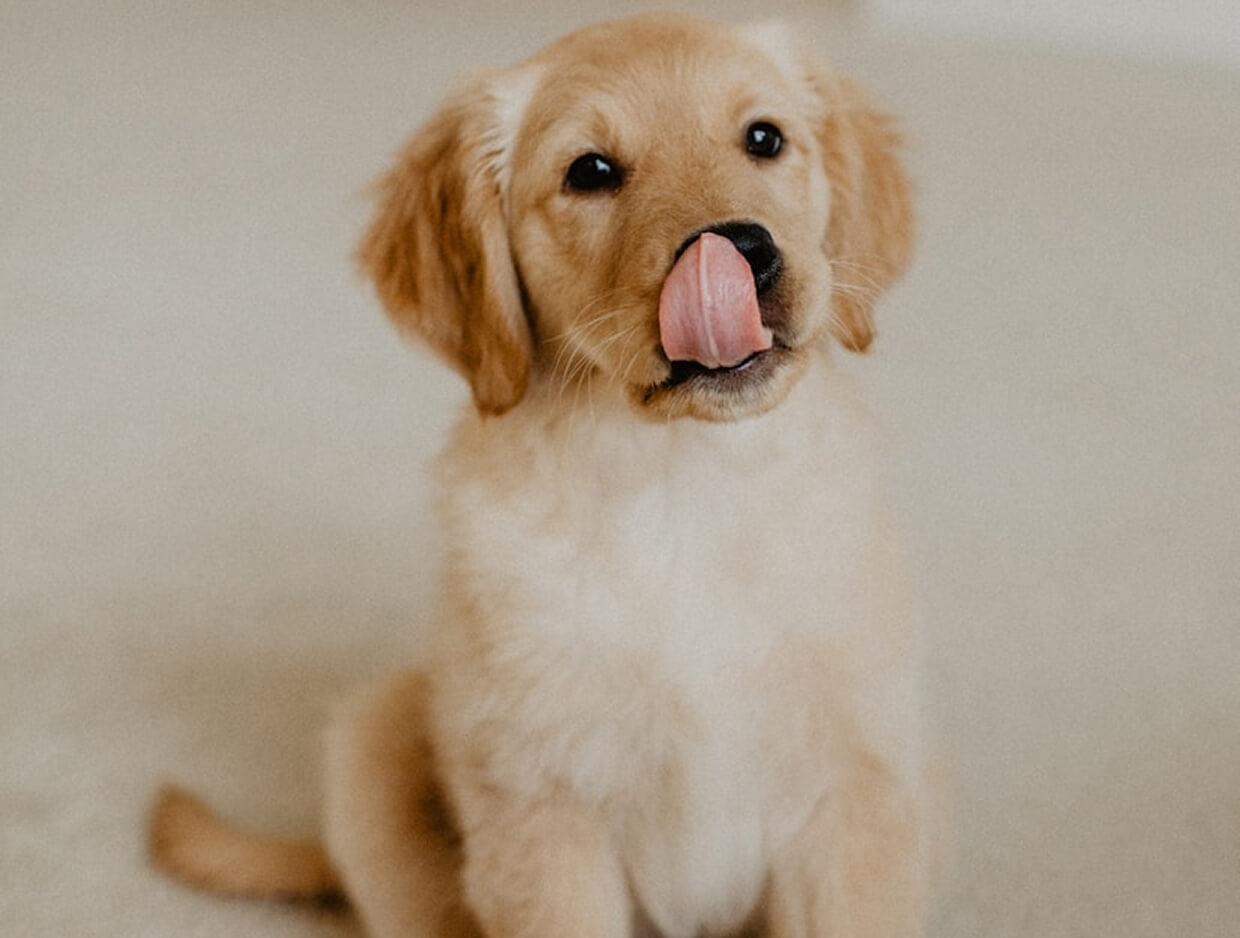
Table of Contents
- Why Dogs Hide Their Stress
- 1. Changes in Appetite
- 2. Excessive Licking or Chewing
- 3. Yawning Outside of Bedtime
- 4. Hiding or Avoiding Eye Contact
- 5. Sudden Clinginess or Following You Everywhere
- 6. Panting When It’s Not Hot
- 7. Shaking or Trembling
- 8. Pacing Back and Forth
- 9. Ears Pinned Back or Tail Tucked
- 10. Unexpected Aggression or Irritability
- Common Causes of Stress in Dogs
- How to Calm a Stressed Dog Naturally
- When to Seek Professional Help
- Recommended Amazon Products for Stress Relief
- Conclusion
When your dog suddenly starts acting “different,” it’s easy to assume they’re just tired or moody. But many dogs show stress in subtle ways we often overlook. In fact, the 10 hidden signs your dog is stressed out are usually behavior changes you might mistake for stubbornness or bad habits. Whether it’s clinginess, whining, or excessive licking, these signals are your dog’s way of saying, “Hey, I need help.”
Stress in dogs can come from almost anything — changes at home, loud noises, boredom, or even our own mood. And because dogs can’t tell us what’s wrong, it’s up to us to read their clues. The good news? Once you recognize these early signs, you can take simple steps to help your dog feel more relaxed and secure.
Let’s break down the subtle signs, why they happen, and what you can do at home to ease your dog’s anxiety in a healthy, comforting way.
Why Dogs Hide Their Stress
Dogs are experts at masking discomfort. In the wild, showing stress or weakness could be dangerous, so even domesticated dogs keep this instinct. That means many stress cues appear small — but they grow quickly if ignored. By catching them early, you can prevent bigger behavioral issues like aggression, destructive chewing, or separation anxiety.
1. Changes in Appetite
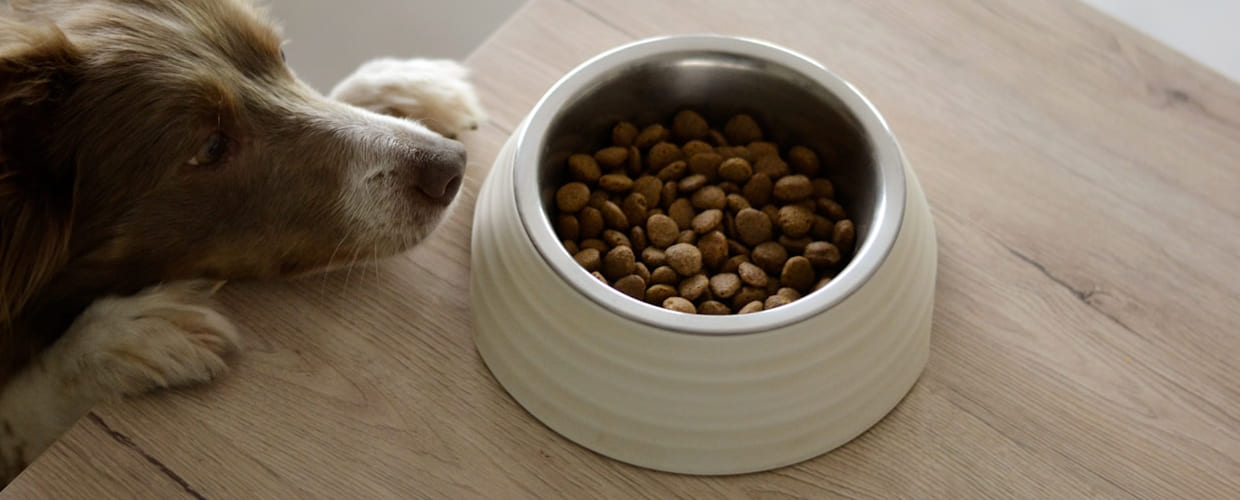
A sudden drop — or spike — in appetite is one of the most overlooked indicators among the 10 hidden signs your dog is stressed out. Some dogs refuse treats during stressful moments, while others overeat out of anxiety.
How to help:
- Keep mealtime consistent.
- Offer calm, quiet spaces away from noise.
- Try slow-feeder bowls for anxious eaters who rush food.
2. Excessive Licking or Chewing
Dogs may lick their paws or chew fur as a self-soothing behavior, similar to humans fidgeting or biting nails.
Watch for:
- Red, irritated skin
- Repetitive licking after loud noises or when left alone
How to help:
- Use puzzle toys to distract their mind.
- Ensure daily exercise to release built-up energy.
3. Yawning Outside of Bedtime
Yawning isn’t always about being sleepy. Stress yawns are longer, louder, and often paired with lip licking.
What to do:
- Give your dog more space from overstimulating environments.
- Use calming phrases and a gentle tone.
4. Hiding or Avoiding Eye Contact
Dogs trying to escape situations — hiding behind furniture, looking away, or avoiding touch — are often signaling discomfort.
At-home support:
- Let your dog observe from afar instead of forcing interactions.
- Create a “safe zone” with blankets, toys, and low light.
5. Sudden Clinginess or Following You Everywhere
This is a big one in the 10 hidden signs your dog is stressed out. Dogs may become extra attached when they’re unsure or insecure.
How to help:
- Practice short separation training.
- Reward calm behavior instead of anxious following.
6. Panting When It’s Not Hot
If your dog pants heavily indoors without exercise, it could be stress or overstimulation.
Try this:
- Lower household noise.
- Avoid chaotic environments when possible.
7. Shaking or Trembling
This can happen during storms, fireworks, vet visits, or unfamiliar places.
How to support them:
- Stay calm — your mood influences your dog.
- Provide comforting pressure using a calming vest.
8. Pacing Back and Forth
Repetition is a classic sign of mental discomfort. If your dog keeps walking the same path, they may be anxious or restless.
Solutions:
- Increase structured playtime.
- Add enrichment (snuffle mats, hide-and-seek toys).
9. Ears Pinned Back or Tail Tucked
Body language reveals stress even before behavior does. Tight posture, low tail, or pinned ears all point to fear or anxiety.
Helpful steps:
- Avoid punishment; it increases fear.
- Use positive reinforcement to build confidence.
10. Unexpected Aggression or Irritability
Growling, snapping, or guarding behavior often stems from stress, not “bad behavior.”
What you can do:
- Remove triggers where possible.
- Consult a trainer if behavior escalates.
Common Causes of Stress in Dogs
Understanding why these signs appear helps you solve the root problem.
Common triggers include:
- Loud noises (thunder, fireworks, vacuum cleaners)
- New environments or people
- Lack of physical or mental stimulation
- Separation from owners
- Changes in routine
- Conflicts with other pets
Identifying the trigger is the first step toward helping your dog feel safe again.
How to Calm a Stressed Dog Naturally
Now that you know the 10 hidden signs your dog is stressed out, here are practical strategies to help your pup relax — without overwhelming them.
Create a Comforting Routine
Dogs love predictability. Try to keep feeding, walking, and sleep times consistent. A stable routine helps them feel secure.
Offer Enrichment Activities
Mental stimulation reduces anxiety. Use:
- Snuffle mats
- Treat puzzles
- Chew toys
- DIY scent games
Use Calming Tools (When Needed)
Some dogs respond well to gentle pressure or calming scents. Consider:
- Calming dog vest
- Pheromone diffusers
- Anti-anxiety dog beds
(Relevant Amazon product below)
Stay Calm Yourself
Dogs mirror your emotions. If you’re tense, they become tense too. Try slow breathing, soft talking, and gentle movements.
Train Confidence With Positive Reinforcement
Reward brave moments, no matter how small. Over time, your dog becomes more secure and less reactive to stressors.
When to Seek Professional Help
If stress leads to aggression, loss of appetite for more than 24 hours, or destructive behavior, it’s best to consult a trainer or veterinarian. Chronic stress can affect your dog’s long-term immune system, digestion, and mood.
Recommended Amazon Products for Stress Relief
These products are helpful additions (not cures) for managing stress in dogs:
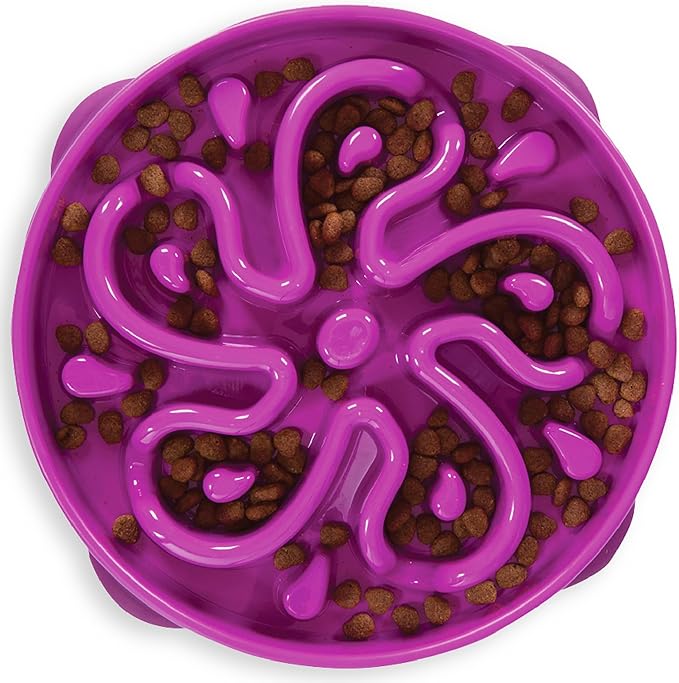
Outward Hound Fun Feeder Slow Bowl
Outward Hound Fun Feeder Slo Bowls use ridges and maze-like patterns to slow dogs’ eating by up to 10x, helping reduce bloat, obesity, and digestive issues. Available in various sizes, colors, and slow levels—including options for flat-faced breeds—these non-slip, food-safe bowls hold full meals, are dishwasher safe, and make mealtime healthier and more engaging.
Buy NowConclusion
Learning the 10 hidden signs your dog is stressed out helps you understand what your pup has been trying to tell you all along. Dogs rarely show stress loudly — instead, they communicate through small changes in behavior and body language. By noticing these cues early, you can comfort your dog, strengthen your bond, and create a calmer environment at home.
If you’d like to dive deeper into behavior cues, anxiety tips, or product recommendations, feel free to explore more articles on pet wellness. Your dog will thank you — probably with extra tail wags.



Extra Deals & Recommendations From Our Partners
Discover exclusive offers, tools, and products from brands we collaborate with.


Natural Hemp Calming Chews for Dogs Maximum Strength
This natural calming formula blends Valerian Root, Chamomile, Passion Flower, Hemp Seed, Ashwagandha, and Lemon Balm to help reduce stress and anxiety. L-Theanine, L-Tryptophan, Magnesium, and Melatonin support relaxation and restful sleep, while ginger aids digestion. Made with wholesome ingredients like pumpkin, sweet potato, coconut oil, and natural duck flavor for a tasty, gentle, and effective calming supplement.

Petsfit Dog Car Seat Carrier
This dog booster car seat fits medium dogs up to 45 lbs or two small pets. Made from durable oxford with a removable, washable pad, it offers comfort and support for anxious or carsick dogs. Adjustable straps, safety clips, and anti-slip buckles reduce distracted driving, while the elevated design gives pets a clear window view. It’s easy to install, fold, store, and includes storage pockets.

300Pcs Dog Eye Wipes Biodegradable, Hypoallergenic Cat Dog Eye Cleaner
Biodegradable pet wipes made from natural materials that break down over time, keeping your pet clean while being eco-friendly. The gentle, paraben-free and fragrance-free formula soothes without irritating eyes, nose, or mouth and helps prevent tear stains. Pre-soaked and easy to use, each soft cotton pad removes dirt and odors and is safe for dogs, cats, rabbits, and more.
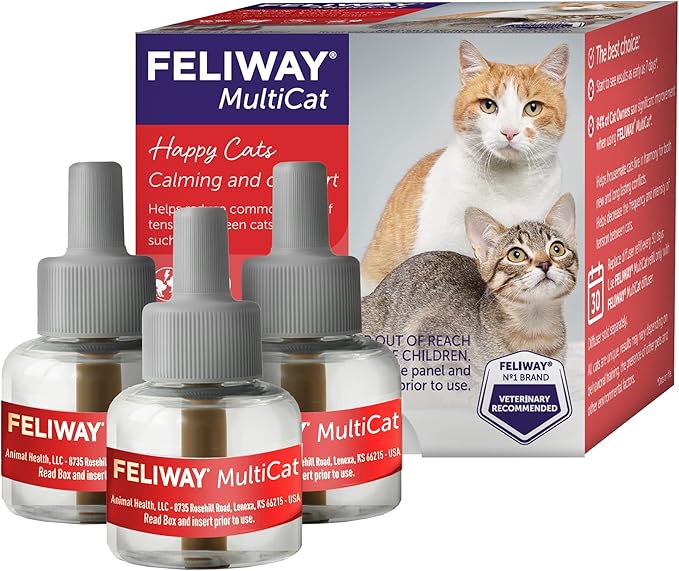
FELIWAY® MultiCat 3 x 30 Day Cat
FELIWAY MultiCat is a vet-recommended pheromone diffuser that helps reduce tension and conflict between cats, including fighting, chasing, and blocking. The drug-free formula provides up to 30 days of calming support per refill and covers up to 700 sq ft. Safe for all cats, it’s an easy, effective way to promote peace in multi-cat homes.

MJIYA Cat Collar with Bell
Introducing our Classic Plaid Cat Collars with bells—cute, stylish, and perfect for everyday wear or holidays. The adjustable 8–12 inch size fits most cats and small dogs, and the silver bell helps you locate your pet. A breakaway buckle ensures safety, while the smooth, cat-shaped clasp is designed to prevent sharp edges found on many other collars.

A pet-proof trash can can prevent dumpster diving.
This durable trash can lock turns nearly any hinged-lid bin into an animal-proof solution, keeping raccoons, pets, and even bears out. Built for all-weather protection with adjustable straps for a universal fit, it installs easily with the included hardware. The one-hand release design offers quick, convenient access while keeping your yard clean and critter-free.

Hot Spot & Itch Relief Skin Cream for Dogs & Cats
Fast-acting skin cream for dogs, cats, and small pets that soothes itching, hot spots, rashes, and minor wounds. Made with natural ingredients, vet-approved, lick-safe, and promotes healthy skin and fur recovery.
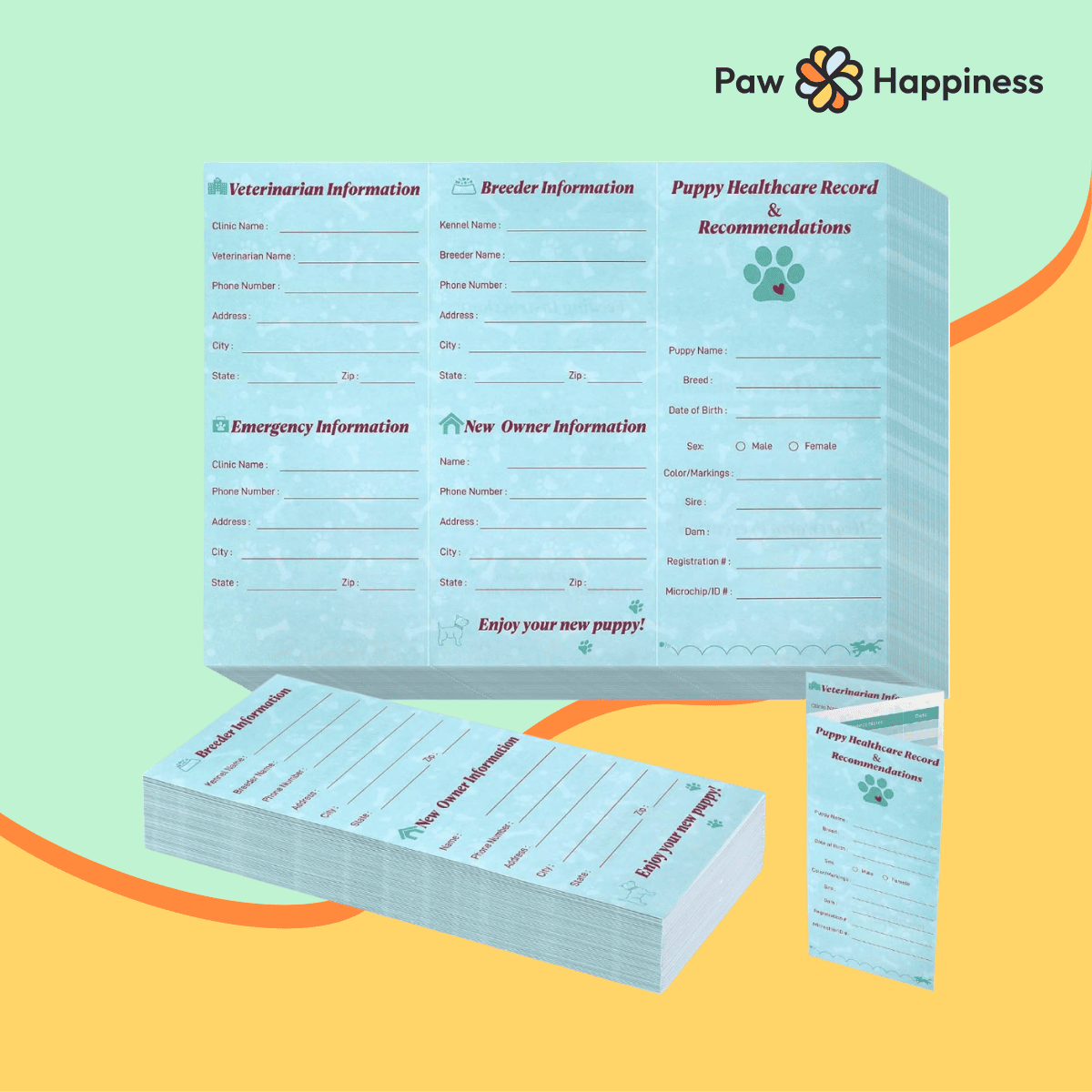
25 Pack Dog Vaccines Large
Bulk Pack of 25 Dog Vaccine Record Books – Tri-fold design with double-sided printing, made from durable 120g paper. Keep track of vaccinations, deworming, and health events easily. Ideal for breeders, vets, and multi-pet households.