


Abused Dog Behavior: Understanding and Helping Your Traumatized Pet
By PawHappiness Team | Updated | 2 minutes read | Dog Behavior
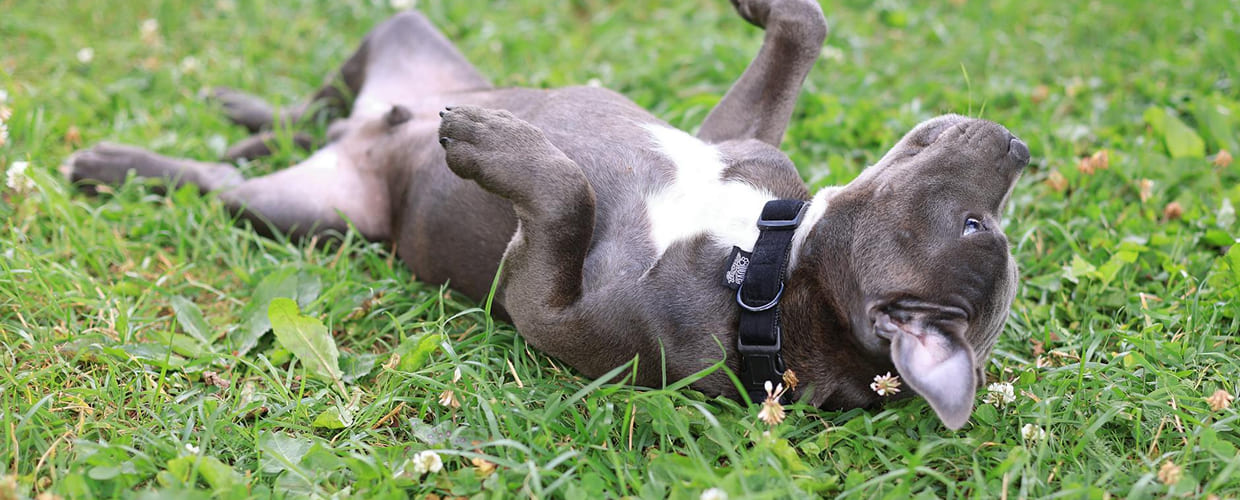
Dogs that have experienced abuse often display behaviors that can be confusing or even alarming for new pet parents. From fearfulness and aggression to withdrawal and anxiety, these behaviors are often misunderstood as “bad manners,” when in reality, they are coping mechanisms developed from past trauma. Understanding abused dog behavior is essential for building trust, providing proper care, and helping your dog adjust to a safe and loving home. In this guide, we’ll explore common signs of abuse in dogs, explain why these behaviors occur, and provide practical strategies to help your dog feel secure and happy again.
Common Signs of Abused Dog Behavior
Abused dogs may show a range of behaviors, including:
- Fear and anxiety: Trembling, cowering, or hiding from people or objects.
- Aggression: Growling, snapping, or barking when approached.
- Avoidance: Reluctance to make eye contact or being touched.
- Destructive behaviors: Chewing, digging, or other signs of stress.
- Excessive licking or pacing: Coping mechanisms for anxiety or discomfort.
Recognizing these behaviors helps pet parents approach their dog with empathy and patience.
Why Abuse Affects Dog Behavior
Abused dog behavior is often rooted in past trauma:
- Negative experiences: Physical punishment, neglect, or abandonment can trigger fear-based responses.
- Lack of socialization: Dogs not exposed to humans or other animals may develop anxiety.
- Learned coping mechanisms: Aggression, hiding, or destructive behaviors are ways dogs protect themselves.
Understanding the root cause allows pet parents to address the behavior effectively.
Strategies to Help an Abused Dog
Helping a traumatized dog requires patience, consistency, and compassion:
- Create a safe environment: Provide a quiet, comfortable space where the dog can relax.
- Positive reinforcement training: Reward calm and desired behaviors rather than punishing undesired ones.
- Slow socialization: Introduce new people, pets, and environments gradually.
- Routine and structure: Predictable feeding, walks, and playtime help reduce anxiety.
- Patience and observation: Learn your dog’s triggers and respect their boundaries.
These strategies foster trust and encourage the dog to feel secure in their new home.
When to Seek Professional Help
Sometimes, professional guidance is necessary:
- Certified dog trainers: Experienced in working with fearful or aggressive dogs.
- Animal behaviorists: Can assess and create behavior modification plans.
- Veterinarians: Rule out medical issues contributing to behavioral problems.
Early intervention can prevent worsening behaviors and support the dog’s emotional healing.
Conclusion
Abused dog behavior can be challenging, but with understanding, patience, and the right strategies, pet parents can help their traumatized dogs feel safe and loved. By providing a structured environment, using positive reinforcement, and seeking professional help when needed, you can build trust and guide your dog toward a happier, more confident life. Remember, healing from abuse takes time, but every step forward strengthens the bond between you and your furry companion.
Related Articles




Extra Deals & Recommendations From Our Partners
Discover exclusive offers, tools, and products from brands we collaborate with.


Nature’s Miracle Cat Calming Spray, 8 Ounces, Stress-Reducing Formula for Cats
Nature’s Miracle Calming Spray uses soothing, natural scents to help reduce anxiety in cats. Ideal for easing stress from routine changes, travel, or separation, it helps skittish cats feel secure and relaxed—without sedatives. The comforting scent creates a sense of safety, making it easier for your cat to stay calm in stressful situations.

KONG Puppy – Natural Teething Rubber Chew Toy for Dogs
The KONG Puppy toy is made with soft, natural rubber specially designed for a puppy’s developing teeth and gums. Gentle yet durable, it provides healthy chewing enrichment and a fun bounce for fetch. It can be stuffed with treats or kibble to extend playtime and support training or crate comfort. Made in the USA with globally sourced materials.

Pet Electrolyte Solution for Dogs
Replenish supplements, created by a veterinarian, offer all-natural support for canine health. The Dog Water Supplement provides a chicken-flavored vitamin boost to restore strength after activity or illness. The Superfood Topper delivers allergen-free immunity support, while the Paw Healing Solution helps protect and soothe paws in harsh weather for overall wellness.

LEVOIT Core P350 Pet Allergies Air Purifier
Choose AHAM-Verifide air purifiers for trusted, independently tested performance and safety. The activated carbon filter neutralizes pet odors, litter smells, and smoke with over 92% deodorization. Perfect for pet parents, Core P350-P reduces sneezing and congestion while eliminating odors. Its pre-filter traps fur, dust, and lint, keeping your home cleaner.

Cat Toys for Indoor Cats, Retractable Wand Toy
Keep cats endlessly entertained with this interactive feather wand toy that sparks natural hunting instincts. The telescopic wand extends for wide-range play, encouraging running, jumping, and exercise. Includes multiple feather and worm attachments for variety and long-term fun. Lightweight, durable, and safe for supervised interactive play that strengthens your bond and keeps indoor cats happy.

VetriScience Senior 27+ Active Health Chews
Senior cat multivitamin soft chews with 27+ essential nutrients to support healthy aging. Vet-formulated with taurine, antioxidants, and omega fatty acids for heart, brain, joint, skin, and coat health.

FRONTLINE Plus Flea and Tick
FRONTLINE Plus for Dogs is a fast-acting, waterproof monthly topical that kills fleas, flea eggs, larvae, chewing lice, and ticks, breaks the flea life cycle, and provides 30 days of trusted protection for dogs and puppies 8 weeks and older.

TRI-HEART PLUS Chewable Tablet
Monthly chewable tablet that prevents heartworm disease and treats roundworms and hookworms. Kills heartworm larvae early, offers year-round protection, is beef-flavored, and safe for dogs with beef allergies.