


Alpha Dog Behavior: Understanding and Managing Your Confident Pup
By PawHappiness Team | Updated | 2 minutes read | Dog Behavior
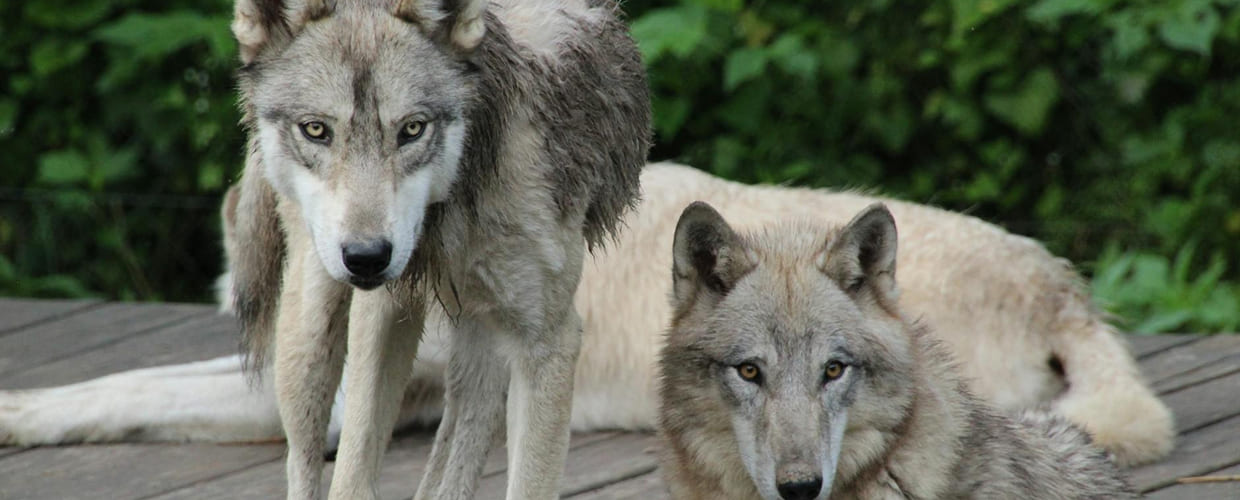
Does your dog seem to take charge during walks, at home, or around other dogs? This could be a sign of alpha dog behavior, a natural leadership trait in some dogs. While confident and assertive behavior can be healthy, excessive dominance can sometimes create tension or miscommunication within your household or during social interactions. Understanding the signs of alpha behavior, why they happen, and how to manage them positively is key to fostering a happy and balanced environment for your pup. In this guide, we’ll explore what alpha dog behavior looks like, practical strategies to manage it, and ways to strengthen your bond with your dog while respecting their personality.
Recognizing Alpha Dog Behavior
Alpha dogs display leadership traits in various ways. Common signs include:
- Resource guarding: Protecting toys, food, or resting areas.
- Dominant body language: Standing tall, direct eye contact, and forward posture.
- Controlling interactions: Taking charge during play or leading the way on walks.
- Ignoring commands: Testing boundaries to see what they can get away with.
Recognizing these signals is the first step in guiding your dog toward healthy social behavior.
Causes of Alpha Dog Behavior
Alpha traits can arise due to:
- Breed tendencies: Some breeds are naturally more assertive or confident.
- Early socialization: Limited exposure to other dogs or humans may amplify dominant traits.
- Training inconsistencies: Mixed messages from owners can confuse your dog about boundaries.
- Environment and pack structure: Dogs may try to assume a leadership role if they sense unclear rules.
Understanding the root of the behavior allows for more effective management and training.
Managing Alpha Dog Behavior
Managing alpha behavior focuses on creating a balanced relationship based on respect, consistency, and positive reinforcement:
- Establish clear rules: Ensure consistent expectations at home and during outings.
- Use positive reinforcement: Reward calm, obedient behavior instead of punishing dominance.
- Structured training sessions: Teach commands like sit, stay, and leave it to reinforce leadership from you.
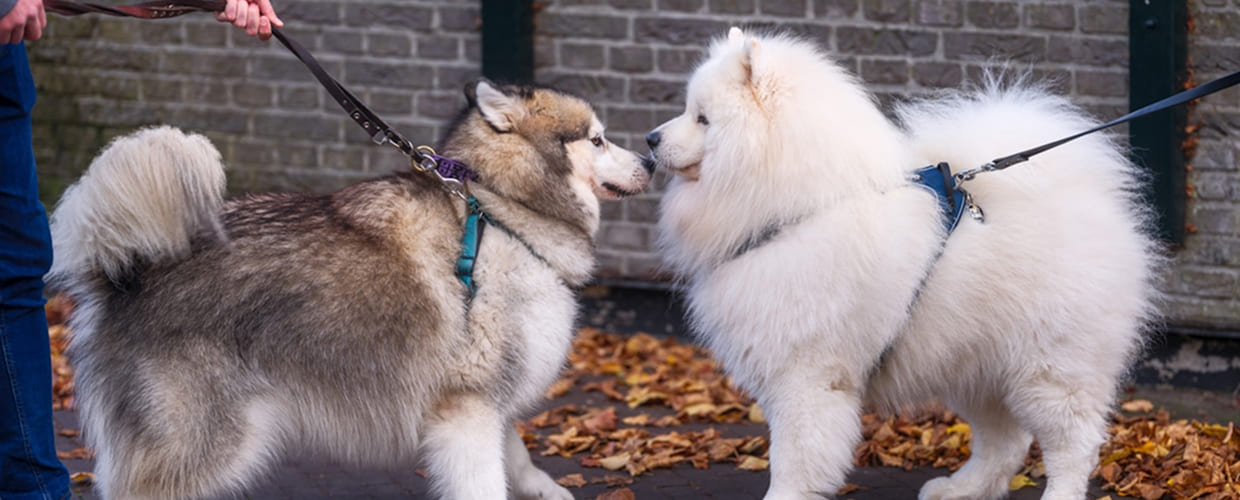
- Controlled socialization: Expose your dog gradually to other dogs in a calm environment.
- Provide physical and mental stimulation: Exercise and puzzle toys reduce boredom and tension.
These strategies help your dog channel confidence in positive ways.
When to Seek Professional Help
While many alpha behaviors are manageable, consult a professional trainer if your dog exhibits:
- Aggressive behavior toward people or other pets
- Persistent resource guarding that causes conflict
- Resistance to basic obedience training despite consistent effort
A certified dog trainer can develop a personalized plan for balancing leadership traits while keeping your dog and household safe.
Conclusion
Alpha dog behavior is a natural expression of confidence and leadership. By recognizing the signs, understanding the causes, and using consistent, positive training, you can guide your dog to become a well-balanced member of your family. Respect your dog’s personality, set clear boundaries, and foster a strong, trusting bond that allows both of you to thrive. With patience and guidance, alpha traits can become an asset rather than a challenge, creating a happy, harmonious relationship with your pup.

Extra Deals & Recommendations From Our Partners
Discover exclusive offers, tools, and products from brands we collaborate with.


K&H Pet Products Bucket Booster Seat
This dog booster car seat offers enhanced safety with adjustable leashes, shoulder straps, and a bottom harness channel for stability. Its ultra-soft surface, memory foam cushion, and raised sponge base keep pets comfortable while enjoying the view. Designed for small to medium dogs, it’s fully detachable for easy cleaning and installs in three simple steps. Support is available for any after-sales concerns.
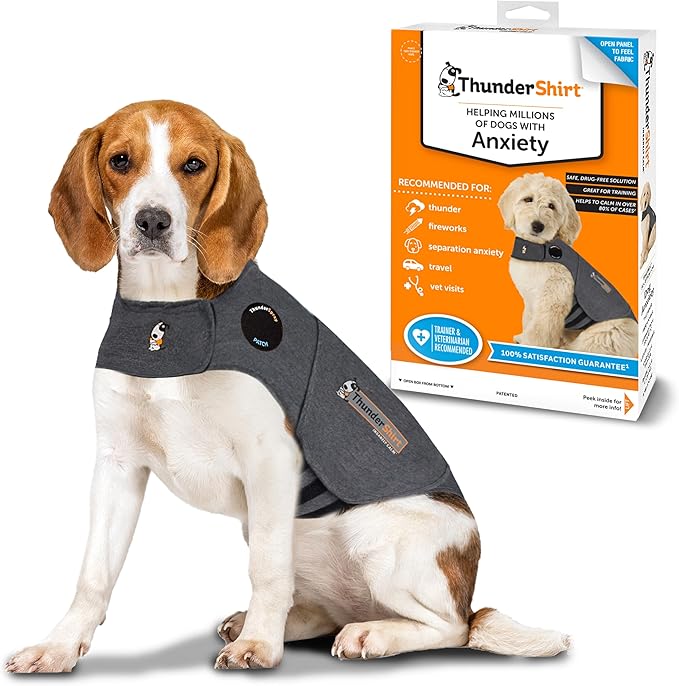
Thundershirt Classic Dog Anxiety Jacket
The ThunderShirt is a patented pressure wrap that naturally calms dogs by applying gentle, constant pressure—similar to swaddling a baby. With an 80% success rate, it helps reduce anxiety from thunder, fireworks, separation, travel, vet visits, and more. It’s easy to use, adjustable, comfortable, machine-washable, and made from soft, breathable fabric.

Bedsure Calming Dog Bed Medium Size Dog
Calming, plush donut dog bed with extra-soft faux fur and raised rim for secure, comfortable sleep.

Virbac C.E.T. Enzymatic Toothpaste for Cats
Enzymatic toothpaste for dogs and cats with the C.E.T. Dual Enzyme System to reduce plaque and freshen breath. Its poultry flavor pets love makes brushing easier. Free of foaming agents, it's safe to swallow. Vet-recommended and made in the USA. For best results, use daily with a soft-bristled toothbrush or as directed by your veterinarian.

Life Extension Cat Mix, cat Food Supplements
Cat multivitamin that supports overall health with 10+ essential vitamins, probiotics for digestion, and amino acids like taurine and arginine for heart, eye, and organ health. Made with quality ingredients in the USA.

Veterinary Formula Clinical Care Hot Spot & Itch Relief Spray
Fast-acting oatmeal and aloe shampoo quickly soothes irritated skin, reducing licking and scratching. This vet-recommended, pH-balanced formula softens the coat and helps calm hot spots from allergies, bites, or moisture. Free of parabens, soaps, and dyes, it hydrates and nourishes pets 12+ weeks. Use with the matching conditioner for complete, affordable skin relief.

Zuke’s Mini Training Treats
Zuke’s Mini Naturals Dog Treats give dogs healthy fuel for daily adventures. Made in the USA with real ingredients like chicken and cherries, they support overall well-being and work great as training rewards. These corn-, wheat-, and soy-free treats come in a resealable pouch for easy travel. Inspired by real adventures since 1995, Zuke’s helps dogs stay energized on every journey.

Blue Buffalo Life Protection Formula Adult Small Breed Dry Dog Food
BLUE Life Protection Formula Chicken & Brown Rice Small Breed Dry Dog Food is crafted with real chicken as the first ingredient to support the health and energy needs of adult small breed dogs. Made with natural ingredients enhanced with vitamins and minerals, it features antioxidant-rich LifeSource Bits to help support immunity, providing balanced, high-quality nutrition dogs love.