


Australian Cattle Dog Behavior Issues: What You Need to Know
By PawHappiness Team | Updated | 2 minutes read | Dog Behavior
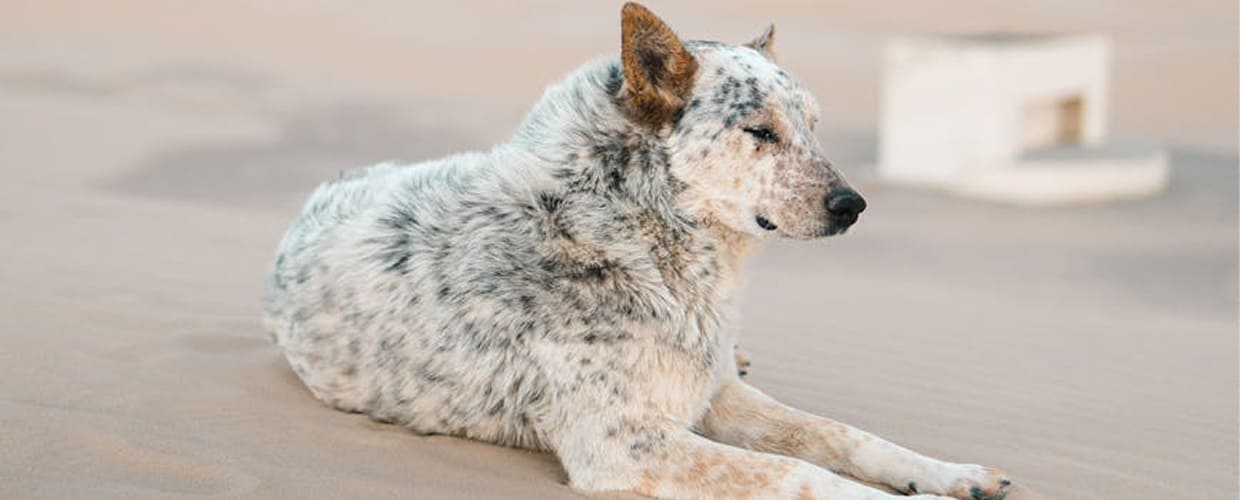
Australian Cattle Dogs are intelligent, energetic, and loyal companions—but their strong instincts can sometimes lead to behavior issues. From excessive barking to herding tendencies, these challenges can be confusing or frustrating for pet parents. Understanding why your Australian Cattle Dog exhibits certain behaviors and how to manage them effectively is key to keeping both your dog and household happy. In this guide, we’ll explore common behavior issues, their causes, and practical strategies for training and managing your dog, helping you build a stronger, more harmonious bond.
Common Australian Cattle Dog Behavior Issues
Some of the most frequent behavior issues include:
- Excessive herding: Chasing children, pets, or moving objects.
- High energy levels: Leading to restlessness, destruction, or overexcitement.
- Barking and vocalization: Alerting, attention-seeking, or frustration-related barking.
- Resource guarding: Protecting toys, food, or space aggressively.
- Stubbornness or independence: Challenging obedience or training.
Recognizing these behaviors helps you understand your dog’s needs and tendencies.
Causes of Behavior Issues
Understanding the root of behavior issues allows for better management:
- Breed instincts: Australian Cattle Dogs were bred for herding, which encourages control and alertness.
- Insufficient exercise: High energy needs unmet can result in destructive behaviors.
- Lack of mental stimulation: Intelligent dogs need mental challenges to prevent boredom.
- Inconsistent training or boundaries: Mixed signals can confuse your dog and encourage unwanted behavior.
Practical Tips for Managing Behavior Issues
Here are effective strategies to address these behaviors:
- Daily physical activity: Long walks, runs, or play sessions to burn energy.
- Mental stimulation: Puzzle toys, obedience training, or scent games.
- Structured training: Positive reinforcement for commands like sit, stay, and come.
- Consistent boundaries: Clear rules for toys, space, and behavior expectations.
- Socialization: Gradual exposure to other pets and people in controlled settings.
These techniques help your dog channel energy positively and reduce unwanted behaviors.
When to Seek Professional Help
If behavior issues escalate or are difficult to manage, consider consulting:
- Certified dog trainers: For structured obedience programs and behavior modification.
- Veterinarians or animal behaviorists: To rule out medical causes for sudden or severe behavior changes.
Early intervention ensures issues are managed effectively before they become ingrained.
Conclusion
Australian Cattle Dogs are remarkable companions, but their intelligence and energy can sometimes lead to behavior issues. By understanding their instincts, providing consistent training, mental stimulation, and plenty of physical activity, you can manage these behaviors and foster a happy, balanced relationship. With patience, guidance, and clear boundaries, your Australian Cattle Dog can thrive as a loyal and well-behaved family member.





Extra Deals & Recommendations From Our Partners
Discover exclusive offers, tools, and products from brands we collaborate with.


Fashion’s Talk Cat Toys Variety Pack for Kitty 20 Pieces
This randomly assembled 20-pack cat toy bundle includes wands, balls, catnip mice, rattles, feathers, and more to keep your cat active and entertained, even when you're away. Helps release energy and reduce boredom. Always supervise play—some items are small. Not indestructible; replace if damaged. A perfect gift set for holidays, birthdays, or everyday fun.

Meow Mix Gravy Bursts Dry Cat Food, Chicken, 3 LB Bag
This pet food formula contains corn, wheat, soybean meal, and animal by-product meals, including chicken and turkey. It is preserved with mixed tocopherols and potassium sorbate, and fortified with essential vitamins, minerals, taurine, and amino acids to support overall nutrition. Added flavors, colors, and bone broth enhance taste and appeal.

MJIYA Cat Collar with Bell
Introducing our Classic Plaid Cat Collars with bells—cute, stylish, and perfect for everyday wear or holidays. The adjustable 8–12 inch size fits most cats and small dogs, and the silver bell helps you locate your pet. A breakaway buckle ensures safety, while the smooth, cat-shaped clasp is designed to prevent sharp edges found on many other collars.

Outward Hound Granby Splash Dog Life Jacket
This high-performance dog life jacket offers strong buoyancy for swimmers of all levels, keeping your pup safe and supported in the water. Adjustable straps with quick-release buckles ensure a secure, comfortable fit. Bright colors with reflective trim enhance visibility, while dual grab handles and a front neck float add safety. Durable, lightweight ripstop material allows natural movement and all-day comfort.

INABA Churu Cat Treats, Grain-Free, Lickable
Made with human-grade ingredients like farm-raised chicken and wild-caught tuna, Churu treats keep cats hydrated with 91% moisture and only 6 calories per tube. They’re free from grains, preservatives, artificial colors, and carrageenan, with added taurine for health. These creamy, lickable tubes are perfect for hand-feeding, topping food, or hiding meds, and come in many tasty flavors.

Petmate Open Top Litter Pan — Best for Easy Cleaning
This covered litter box provides cat privacy with high walls and a wide opening, perfect even for large cats. The grated top helps trap loose litter from paws to keep floors clean. Built-in handles make lifting easy, and a handy hook keeps your scoop within reach. Made in the USA from 95% post-industrial recycled materials, it’s an eco-friendly, practical choice for any home.

Stella & Chewy’s Freeze- Dinner Patties (High Protein)
Stella & Chewy’s provides wholesome, natural nutrition with raw, simple, limited-ingredient recipes. Each batch starts with 85%+ meat, organs, and bone—often from a single protein source—ideal for pets with sensitivities. Proteins are grass-fed, cage-free, or wild-caught, and all produce is organic. Made in the USA, these raw, grain-free meals help pets thrive as nature intended.

Fish Tank, 2.4 Gallon Fish Aquarium
This smart 2.4-gallon multi-functional aquarium combines a self-circulating 3-in-1 filtration pump, ultra-quiet oxygenation, and adjustable 7-color LED lighting for a relaxing display. Made with ultra-clear HD glass, it features a real-time temperature display, feeding port lid, decorative plants, and a built-in aromatherapy humidifier with three spray modes to enhance mood, reduce stress, and create a soothing indoor environment.