


Dog Behavior Collar Guide: Training Better Habits
By PawHappiness Team | Updated | 5 minutes read | Dog Behavior
Table of Contents
- Understanding Dog Behavior Challenges
- What Is a Dog Behavior Collar?
- Clearing Up Myths About Training Collars
- When a Dog Behavior Collar Makes Sense
- Humane Training Starts With the Right Approach
- How Modern Collars Support Responsible Training
- Step-by-Step Tips for Using a Dog Behavior Collar
- Common Mistakes to Avoid
- Combining Tools With Positive Reinforcement
- Is a Dog Behavior Collar Right for Your Dog?
- Final Thoughts on Humane Training Tools
Living with a dog is one of life’s great joys—but let’s be honest, it can also come with a few behavior challenges. Excessive barking, ignoring commands, jumping on guests, or running off at the park can leave even the most patient pet parents feeling overwhelmed. You’re not alone, and more importantly, your dog isn’t being “bad.” Most unwanted behaviors come from confusion, anxiety, or inconsistent training.
That’s where modern training tools come into the picture. A dog behavior collar, when used correctly, can support clear communication between you and your dog. It’s not about punishment or fear—it’s about helping your dog understand boundaries in a way that’s calm, consistent, and fair.
Today’s collars are designed with safety and flexibility in mind, offering gentle cues like beeps and vibrations before stronger corrections are ever needed. Used alongside positive reinforcement, they can become part of a balanced training approach that builds trust instead of breaking it. In this guide, we’ll walk through how dog behavior collars work, when they make sense, and how to use them responsibly for better, happier training results.
Understanding Dog Behavior Challenges
Dogs don’t act out just to annoy us. Most behavior issues are rooted in natural instincts, lack of training, or emotional triggers.
Some common challenges include:
- Excessive barking due to boredom or alertness
- Pulling on the leash during walks
- Ignoring recall commands outdoors
- Jumping or overexcitement around people
- Anxiety-related behaviors like whining or pacing
In many cases, dogs simply don’t understand what we’re asking. Clear, timely feedback helps them connect actions with outcomes. That’s why consistency matters so much in training.
What Is a Dog Behavior Collar?
A dog behavior collar is a training tool designed to help guide and correct unwanted behaviors using different types of signals. Unlike old-school training myths, modern collars focus on communication—not control.
Most collars offer multiple modes, such as:
- Beep: An audible cue that grabs attention
- Vibration: A gentle physical signal, similar to a phone vibration
- Static correction: A controlled, adjustable sensation meant to interrupt behavior—not harm
The idea is to start with the least intrusive option and only increase if absolutely necessary. Many dogs respond well to sound or vibration alone.
Clearing Up Myths About Training Collars
There’s a lot of misinformation around dog behavior collars, and it often scares pet parents away from tools that could actually help when used correctly.
Let’s clear a few things up:
- Myth: All shock collars are cruel
Reality: Humane collars use adjustable, safe levels and are designed for training—not punishment. - Myth: Collars replace real training
Reality: They work best when combined with positive reinforcement and clear commands. - Myth: Dogs become fearful or aggressive
Reality: When introduced slowly and used responsibly, most dogs remain confident and responsive.
Education and proper use make all the difference.
When a Dog Behavior Collar Makes Sense
A dog behavior collar isn’t for every situation, but it can be helpful in specific cases—especially when other methods haven’t worked.
You might consider one if:
- Your dog ignores verbal commands outdoors
- Safety is a concern, like running toward roads
- You’re training in open spaces or long distances
- You need consistent cues across environments
For example, recall training in a large park can be challenging. A collar allows you to reinforce commands even when your dog is far away, helping keep them safe.
Humane Training Starts With the Right Approach
Before using any training collar, mindset matters. The goal is guidance, not fear.
Keep these principles in mind:
- Always start at the lowest setting
- Pair corrections with clear verbal commands
- Reward good behavior immediately
- Never use a collar out of frustration or anger
Dogs learn best when they feel safe and understood. A calm, patient approach builds better results than force ever could.
How Modern Collars Support Responsible Training
Today’s collars are a big step forward from older designs. Many are built with features that prioritize safety and ease of use.
A good example is the Bousnic Dog Shock Collar, which includes:
- Beep, vibration, and safe shock modes
- Long 3300ft range for outdoor training
- Adjustable levels for dogs 5–120 lbs
- IP67 waterproof receiver
- Dual-dog training capability
- Long-lasting battery life
Features like these allow pet parents to customize training based on their dog’s size, sensitivity, and environment—making the process more controlled and humane.
Step-by-Step Tips for Using a Dog Behavior Collar
If you decide to use a dog behavior collar, take it slow and follow a structured plan.
Here’s a simple approach:
- Introduce the collar without activation
Let your dog wear it like a regular collar so it feels normal. - Test the beep or vibration first
Many dogs respond without needing stronger correction. - Pair with known commands
Use cues your dog already understands, like “come” or “sit.” - Reward immediately
Treats, praise, or play reinforce the lesson. - Keep sessions short
10–15 minutes is plenty to avoid stress or confusion.
Consistency over time leads to lasting results.
Common Mistakes to Avoid
Even the best tools won’t help if used incorrectly. Avoid these common pitfalls:
- Skipping basic training foundations
- Using high settings too soon
- Inconsistent commands or timing
- Training when your dog is overly tired or stressed
- Leaving the collar on for too long
A dog behavior collar should support training—not replace patience, practice, and positive reinforcement.
Combining Tools With Positive Reinforcement
The most effective training plans don’t rely on just one method. Collars work best alongside rewards and encouragement.
Try combining:
- Verbal praise
- High-value treats
- Clicker training
- Structured routines
This balanced approach helps your dog understand not just what not to do—but what to do instead.
Is a Dog Behavior Collar Right for Your Dog?
Every dog is different. Age, temperament, past experiences, and energy levels all play a role.
A collar may be helpful if your dog:
- Is confident, not fearful
- Responds to training but needs clearer boundaries
- Is physically healthy
- Has been introduced gradually to new tools
If you’re unsure, consulting a professional trainer or veterinarian can help you make the best choice.
Final Thoughts on Humane Training Tools
Training is a journey, not a race. A dog behavior collar can be a helpful part of that journey when used thoughtfully and responsibly. The key is understanding your dog’s needs, choosing the right tool, and focusing on communication rather than correction.
When paired with patience, consistency, and positive reinforcement, modern collars can help guide better habits while keeping your dog safe and confident. If you’re exploring training options, take the time to learn, start slow, and stay focused on building trust. For more tips on dog training and behavior, consider exploring expert resources or speaking with a professional trainer who shares your humane approach.

Bousnic Dog Shock Collar
Humane dog training collar with beep, vibration, and safe shock modes. Features 3300ft range, fits dogs 5–120 lbs, IP67 waterproof receiver, dual-dog training, and long-lasting battery life.
Buy Now




Extra Deals & Recommendations From Our Partners
Discover exclusive offers, tools, and products from brands we collaborate with.


Vailge Waterproof Dog Hammock Car Seat Cover
This dog car seat cover features side flaps for full backseat and door protection, converting easily from hammock to bench cover or cargo liner. Waterproof 4-layer fabric keeps seats clean from mud, hair, and spills, while nonslip backing and anchors ensure safety. Made with no-smell material and fits most sedans, SUVs, and mid-size trucks. Easy to install and clean for stress-free travel.

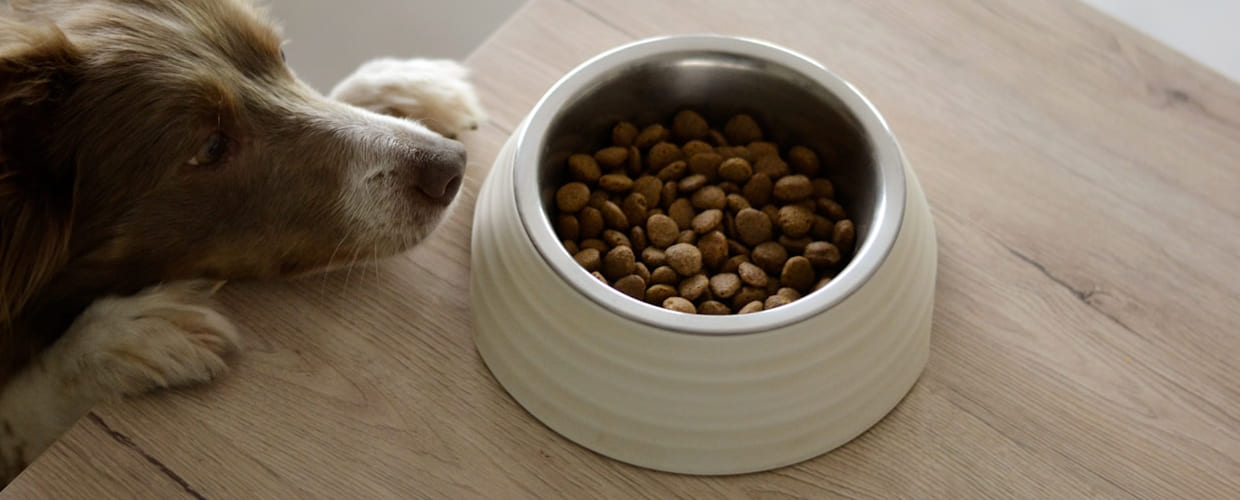
Taste of the Wild High-Protein Dog Food
Dogs still share the DNA of the wolf, even after years of domestication. While they’ve become our long-lived companions, their instinct for the taste of the wild remains. A balanced diet should honor their natural needs while delivering complete nutrition to help them thrive. Give your dog the flavors their wild past still craves.

Calming Chews for Cats
Cat calming treats that help reduce stress and anxiety from vet visits, travel, and separation. Made with L-theanine, chamomile, and vitamin B1 for relaxation cats love.
Bousnic Dog Shock Collar
Humane dog training collar with beep, vibration, and safe shock modes. Features 3300ft range, fits dogs 5–120 lbs, IP67 waterproof receiver, dual-dog training, and long-lasting battery life.

TickCheck Tick Remover Spoon
Lightweight tick removal kit with three spoons featuring deep notches for safely removing ticks from people or pets. University-tested for effective removal of adult and nymph ticks. Includes a waterproof tick ID card and a carabiner clip for travel and outdoor use. Fast removal helps reduce the risk of tick-borne issues like Lyme. Perfect for hiking and everyday carry.

Grizzly Salmon Oil for Cats
Made from wild Alaskan salmon, Grizzly Omega Health provides cleaner, nutrient-rich omega-3s with high DHA and EPA to support your pet’s skin, coat, cognition, vision, and immune health. Wild salmon offers fewer calories and more omega-3s than farmed fish, making this supplement a powerful choice for overall wellness and healthy nerve-based functions, including fertility.

INABA Churu Cat Treats, Grain-Free, Lickable
Made with human-grade ingredients like farm-raised chicken and wild-caught tuna, Churu treats keep cats hydrated with 91% moisture and only 6 calories per tube. They’re free from grains, preservatives, artificial colors, and carrageenan, with added taurine for health. These creamy, lickable tubes are perfect for hand-feeding, topping food, or hiding meds, and come in many tasty flavors.

Wahl USA Dry Skin & Itch Relief Pet Shampoo for Dogs
Made in the USA, this oatmeal pet shampoo is pH balanced, alcohol-free, paraben-free, and PEG-80 free. Its coconut lime verbena scent helps moisturize dry skin, soothe itching, and clean dirty coats. The concentrated formula means you use less while still getting a rich, easy-rinse lather. Allergy-friendly and trusted by vets and groomers for over 50 years.