


Female Dog Behavior Change After Spaying: What to Expect
By PawHappiness Team | Updated | 2 minutes read | Dog Behavior
Spaying is a common procedure that can improve your dog’s health and prevent unwanted litters, but it often comes with noticeable changes in behavior. Many pet parents notice that their furry friend acts differently after surgery—some dogs become calmer, others more affectionate, and a few may even show temporary irritability. Understanding female dog behavior change after spaying can help you provide the support your dog needs during this transition. While some changes are temporary and linked to recovery and hormonal adjustments, others may be long-term shifts in temperament. By knowing what to expect and how to respond, you can ensure your dog feels safe, comfortable, and loved. This guide will explore common behavioral changes, explain why they happen, and offer practical tips to help both you and your dog adjust smoothly.
Why Behavior Changes After Spaying
Spaying involves the removal of the ovaries and usually the uterus, which naturally reduces hormones like estrogen. These hormonal shifts can influence behavior:
- Calmer Demeanor: Many dogs show decreased anxiety and aggression.
- Appetite and Weight: Hormonal changes can increase appetite, leading to weight gain if not managed.
- Mood Fluctuations: Temporary irritability or clinginess can occur during recovery.
- Energy Levels: Some dogs may appear more relaxed or less hyperactive than before.
Common Female Dog Behavior Changes
- Increased Calmness: Dogs that were previously anxious or overactive may become more mellow.
- Attachment to Owners: Some dogs seek more attention and affection after surgery.
- Temporary Irritability: Mild mood swings are normal as your dog heals.
- Changes in Playfulness: Your dog may show less interest in running or playing during recovery but usually rebounds over time.
- Sleeping Patterns: More frequent naps or longer rest periods are common post-surgery.
Tips to Support Your Dog After Spaying
- Maintain Routine: Keep feeding, play, and walks consistent to provide stability.
- Monitor Behavior: Track changes in appetite, energy, and mood to detect any concerns.
- Provide Comfort: Soft bedding, quiet spaces, and gentle interaction can ease stress.
- Encourage Exercise: Once cleared by the vet, light activity helps maintain weight and energy.
- Positive Reinforcement: Treats and praise reassure your dog during emotional or anxious moments.
When to Consult Your Veterinarian
Most behavior changes are normal and temporary, but contact your vet if you notice:
- Persistent aggression or anxiety beyond the recovery period
- Drastic changes in appetite or weight
- Signs of pain, infection, or lethargy
- Unusual repetitive behaviors like excessive licking or chewing
A veterinarian can rule out complications and provide guidance on long-term behavior management.
Conclusion
Understanding female dog behavior change after spaying is key to ensuring your dog adjusts comfortably and remains happy and healthy. Most changes, such as increased calmness, temporary mood swings, and attachment to owners, are normal and resolve with time. By maintaining routines, providing comfort, and monitoring your dog’s behavior, you can help them transition smoothly and strengthen the bond you share. Spaying is a beneficial procedure, and with patience and care, your dog can thrive both physically and emotionally.
Extra Deals & Recommendations From Our Partners
Discover exclusive offers, tools, and products from brands we collaborate with.


Blue Buffalo Baby Blue Natural Kitten Wet Cat Food
Give your kitten a healthy start with Baby BLUE Wet Kitten Food, Chicken Recipe. Made with real chicken as the first ingredient, this high-protein paté supports strong muscle growth. It includes DHA and ARA—fatty acids found in mother’s milk—to aid cognitive and retinal development. With no by-product meals, corn, wheat, or soy, it’s a natural, wholesome meal your kitten will love.
Apoquel Chewable (oclacitinib chewable Tablet) for Dogs
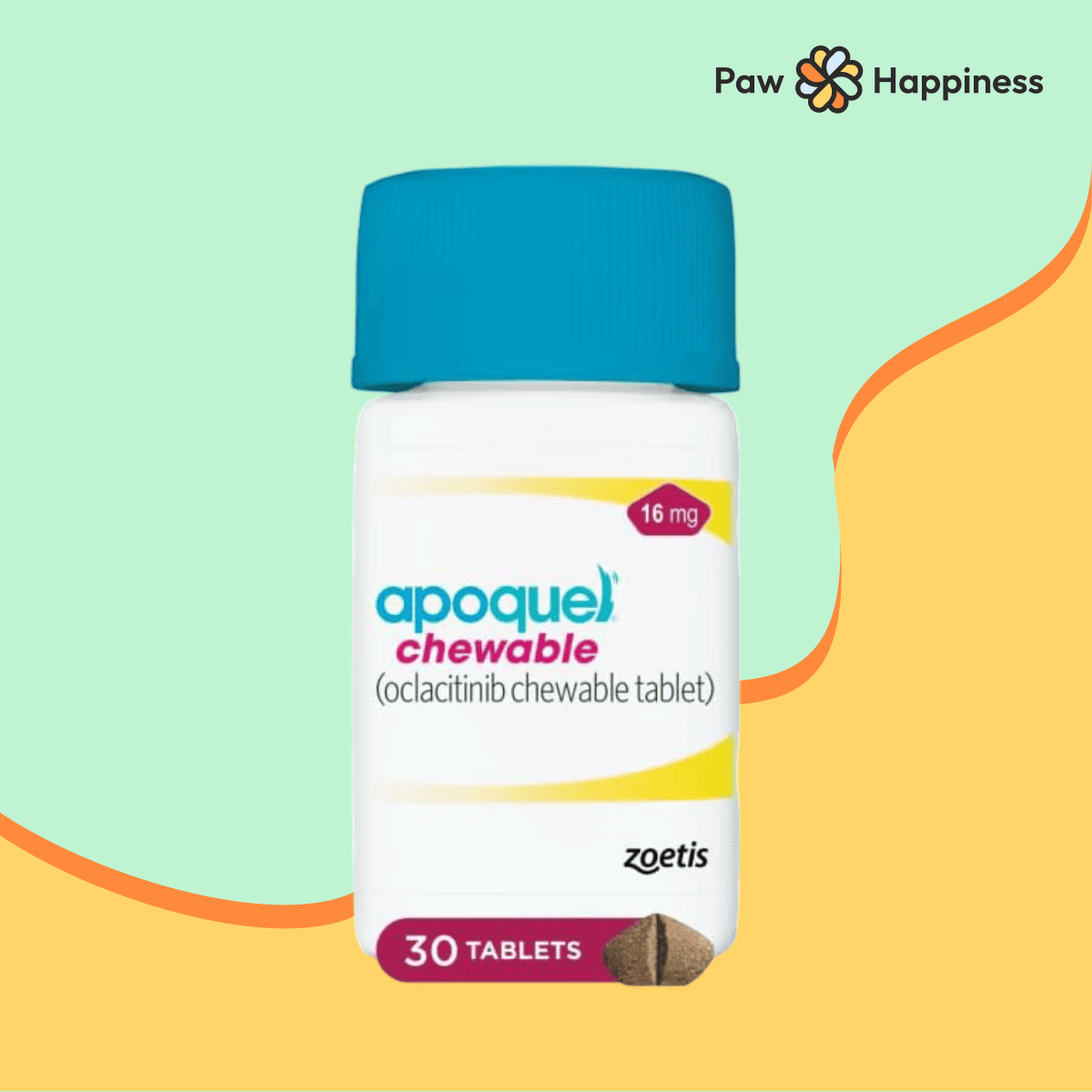
Apoquel Chewable – Prescription oral medicine for dogs 12 months+ to stop allergic itch at the source. Fast-acting relief within 24 hours. Comes in 3.6 mg, 5.4 mg, and 16 mg pork-liver flavored tablets. Can be used short- or long-term under vet guidance.

Royal Canin Canine Care Nutrition
Royal Canin Digestive Care Wet Dog Food supports healthy digestion for adult dogs with sensitive stomachs. Highly digestible formula helps promote balanced gut flora, optimal stool quality, and overall well-being.

Bedsure Calming Dog Bed Medium Size Dog
Calming, plush donut dog bed with extra-soft faux fur and raised rim for secure, comfortable sleep.

Veterinary Formula Clinical Care Hot Spot & Itch Relief Spray
Fast-acting oatmeal and aloe shampoo quickly soothes irritated skin, reducing licking and scratching. This vet-recommended, pH-balanced formula softens the coat and helps calm hot spots from allergies, bites, or moisture. Free of parabens, soaps, and dyes, it hydrates and nourishes pets 12+ weeks. Use with the matching conditioner for complete, affordable skin relief.

Puppia Soft Dog Harness No Choke Over
The authentic Puppia Soft Dog Harness is made from 100% polyester for lightweight comfort and durability. It features an adjustable chest belt, quick-release buckle, and a padded neck opening to ensure a secure yet comfortable fit. Machine washable for easy care, though hand washing and air drying are recommended. For proper sizing, use the two-finger rule at the neck and chest to ensure a safe, comfortable fit for your dog.

Beastron Electric Food Processor
The stack & press design makes chopping simple—just press the lid to chop and release to stop, with no tricky locking needed. This 3-cup chopper is ideal for daily use and easy to store. Stainless steel blades chop, purée, and emulsify with ease, while the lid’s oil dispenser helps create dressings and dips. With dishwasher-safe parts and a powerful 350W motor, it handles tough ingredients effortlessly.

Taste of the Wild High-Protein Dog Food
Dogs still share the DNA of the wolf, even after years of domestication. While they’ve become our long-lived companions, their instinct for the taste of the wild remains. A balanced diet should honor their natural needs while delivering complete nutrition to help them thrive. Give your dog the flavors their wild past still craves.