


Herding Dog Behavior: Understanding and Managing Your Dog’s Instincts
By PawHappiness Team | Updated | 2 minutes read | Dog Behavior

Herding dogs are known for their intelligence, energy, and natural instinct to control movement. While these traits make them excellent working companions, they can sometimes lead to behavior challenges in a home environment. From chasing children or other pets to excessive nipping and restlessness, herding dog behavior can be confusing for pet parents. Understanding why your dog behaves this way and learning strategies to manage these instincts is crucial. In this guide, we’ll break down common herding behaviors, explore their causes, and provide practical solutions to help your dog thrive while keeping your household safe and harmonious.
Common Herding Dog Behavior
Herding breeds like Border Collies, Australian Shepherds, and Corgis display specific behavioral traits:
- Chasing and nipping: Often directed at moving objects, children, or other pets.
- High energy levels: Leading to restlessness or destructive tendencies.
- Excessive barking: Alerting, herding instincts, or attention-seeking.
- Strong focus and intelligence: Can lead to problem-solving behaviors or manipulation.
- Stubbornness or independence: Challenging obedience or training at times.
Recognizing these behaviors is the first step in helping your dog adjust to a home environment.
Why Herding Dogs Exhibit These Behaviors
Herding instincts are rooted in history and genetics:
- Breed heritage: Bred to move and control livestock, resulting in strong chase and control instincts.
- Energy and intelligence: Herding dogs need both mental and physical stimulation.
- Insufficient exercise or training: Lack of activity or guidance can lead to unwanted behaviors.
- Environmental factors: New surroundings, stress, or boredom can trigger excessive herding behaviors.
Understanding the “why” behind the behavior helps you address it effectively.
Tips for Managing Herding Dog Behavior
Here are practical ways to manage and redirect your dog’s herding instincts:
- Provide regular exercise: Daily walks, runs, or play sessions to burn excess energy.
- Mental stimulation: Puzzle toys, obedience training, scent games, or agility courses.
- Structured training: Teach commands like “sit,” “stay,” “leave it,” and “come.”
- Redirection: Use toys or interactive games to channel herding behavior appropriately.
- Socialization: Gradually introduce your dog to children, pets, and new environments.
These strategies help your dog stay happy, healthy, and less likely to develop problematic behaviors.
When to Seek Professional Help
If herding behaviors escalate or are difficult to manage, consider:
- Certified dog trainers: Structured programs for obedience and behavior modification.
- Animal behaviorists: For severe or persistent behavioral challenges.
- Veterinarians: To rule out medical issues that could influence behavior.
Early intervention ensures your dog learns to channel instincts safely and positively.
Conclusion
Herding dog behavior is rooted in instinct and intelligence, making these breeds both remarkable and occasionally challenging companions. By understanding their natural tendencies, providing consistent training, mental stimulation, and plenty of physical activity, pet parents can manage behaviors effectively. With patience and guidance, herding dogs can thrive in a home setting, becoming loyal, well-adjusted, and happy members of your family.


Extra Deals & Recommendations From Our Partners
Discover exclusive offers, tools, and products from brands we collaborate with.


Hot Spot & Itch Relief Skin Cream for Dogs & Cats
Fast-acting skin cream for dogs, cats, and small pets that soothes itching, hot spots, rashes, and minor wounds. Made with natural ingredients, vet-approved, lick-safe, and promotes healthy skin and fur recovery.

FRONTLINE Plus Flea and Tick
FRONTLINE Plus for Dogs is a fast-acting, waterproof monthly topical that kills fleas, flea eggs, larvae, chewing lice, and ticks, breaks the flea life cycle, and provides 30 days of trusted protection for dogs and puppies 8 weeks and older.

Puppia Soft Dog Harness No Choke Over
The authentic Puppia Soft Dog Harness is made from 100% polyester for lightweight comfort and durability. It features an adjustable chest belt, quick-release buckle, and a padded neck opening to ensure a secure yet comfortable fit. Machine washable for easy care, though hand washing and air drying are recommended. For proper sizing, use the two-finger rule at the neck and chest to ensure a safe, comfortable fit for your dog.

Sports Research® Omega-3 Fish Oil 1250
Always fresh, never fishy—this triple-strength Omega-3 Fish Oil uses a 10-step purification process for clean, potent EPA and DHA. Each softgel delivers 1250mg fish oil with 1040mg Omega-3s, so one a day meets your needs. Sourced from wild Alaska Pollock and MSC certified. Supports heart, joints, and eyes. Made in the USA, non-GMO, gluten-free, and third-party tested for purity and potency.
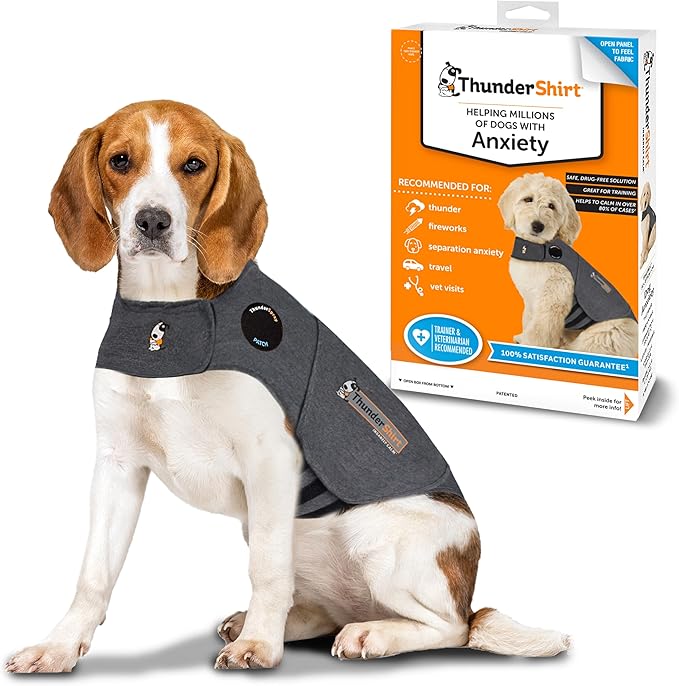
Thundershirt Classic Dog Anxiety Jacket
The ThunderShirt is a patented pressure wrap that naturally calms dogs by applying gentle, constant pressure—similar to swaddling a baby. With an 80% success rate, it helps reduce anxiety from thunder, fireworks, separation, travel, vet visits, and more. It’s easy to use, adjustable, comfortable, machine-washable, and made from soft, breathable fabric.

Sleepypod Clickit Sport Crash-Tested Harness
This durable dog seat belt is made from heavy-duty nylon with reinforced stitching and strong metal hardware to prevent snapping or unbuckling. Its elastic bungee design absorbs sudden pulls for safer, more comfortable rides. The adjustable, tangle-free swivel clip fits most vehicles and attaches easily to any harness. Each pack includes two seat belts and a collapsible water bowl.

Bseen LED Dog Collar USB Rechargeable Collar
Adjustable, rechargeable LED dog collar with 3 light modes and 360° visibility for safe, easy nighttime walks.

Pet Electrolyte Solution for Dogs
Replenish supplements, created by a veterinarian, offer all-natural support for canine health. The Dog Water Supplement provides a chicken-flavored vitamin boost to restore strength after activity or illness. The Superfood Topper delivers allergen-free immunity support, while the Paw Healing Solution helps protect and soothe paws in harsh weather for overall wellness.