


Life Expectancy Cushing Disease Dog Behavior: Pet Parents
By PawHappiness Team | Updated | 3 minutes read | Dog Behavior

Caring for a dog with Cushing’s disease can feel overwhelming, especially when you notice changes in their behavior. From increased drinking and urination to restlessness or anxiety, Cushing disease dog behavior can be confusing for pet parents. Understanding these behavioral shifts and how they relate to your dog’s overall health is key to ensuring the best quality of life. Alongside behavior, one of the most pressing concerns is life expectancy. While every dog is different, early diagnosis, proper treatment, and attentive care can make a significant difference. In this guide, we’ll explore how Cushing’s disease impacts behavior, what it means for your dog’s lifespan, and practical ways to support them through this condition.
What Is Cushing’s Disease in Dogs?
Cushing’s disease, or hyperadrenocorticism, occurs when a dog’s body produces too much cortisol, a stress hormone. This hormone imbalance can affect many systems in the body, leading to symptoms that impact both health and behavior. Common signs include:
- Excessive thirst and urination
- Increased appetite
- Panting and restlessness
- Skin changes or hair loss
- Behavioral changes, including irritability or lethargy
Behavioral Changes in Dogs with Cushing’s Disease
Dogs with Cushing’s often show noticeable shifts in their daily behavior. Recognizing these changes early helps pet parents manage them effectively:
- Increased Restlessness: Dogs may pace, bark more, or have trouble settling down.
- Anxiety or Irritability: Hormonal imbalance can make some dogs more sensitive or reactive.
- Changes in Sleep Patterns: Some dogs may sleep more during the day or have disrupted nighttime sleep.
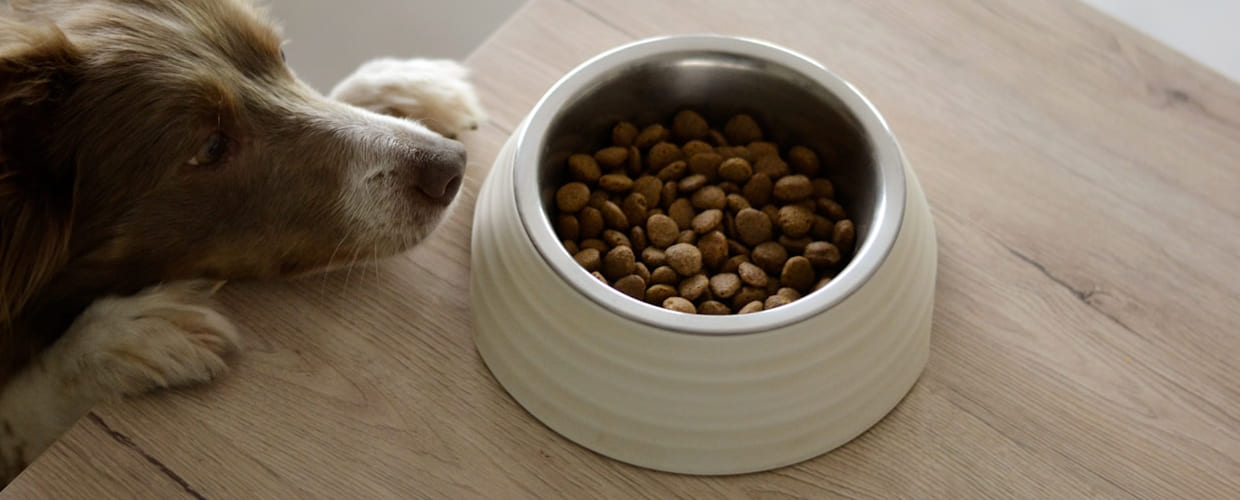
- Appetite Shifts: Dogs may seem constantly hungry or exhibit food-seeking behaviors.
Understanding these behaviors allows you to provide a supportive environment and reduce stress for your dog.
Life Expectancy for Dogs with Cushing’s Disease
Many pet parents worry about their dog’s lifespan after a Cushing’s diagnosis. Life expectancy varies depending on the type of Cushing’s (pituitary or adrenal), the dog’s age, and treatment plan. Key points include:
- With early diagnosis and treatment, dogs can live several years with good quality of life.
- Pituitary-dependent Cushing’s often allows longer survival than adrenal-dependent forms.
- Regular monitoring, medication, and veterinary checkups are crucial for extending lifespan and managing symptoms.
Practical Tips to Support Your Dog
Managing Cushing disease dog behavior goes hand-in-hand with supporting overall health:
- Follow Veterinary Treatment Plans:
- Administer medications as prescribed.
- Schedule routine blood tests to monitor hormone levels.
- Provide a Comfortable Environment:
- Minimize stress and maintain a consistent routine.
- Ensure a cozy, quiet resting space.
- Monitor Behavior and Health:
- Keep a log of any new or worsening behaviors.
- Address changes promptly with your veterinarian.
- Maintain Nutrition and Exercise:
- Feed a balanced diet suited for your dog’s needs.
- Encourage gentle daily activity to maintain muscle tone and overall wellbeing.
When to Seek Professional Help
Seek veterinary advice immediately if your dog shows:
- Extreme lethargy or sudden behavioral shifts
- Signs of pain, infection, or severe hair loss
- Significant changes in appetite or weight
A veterinarian may adjust medication or recommend additional testing to keep your dog comfortable and healthy.
Conclusion
Caring for a dog with Cushing’s disease requires understanding, patience, and proactive management. Recognizing Cushing disease dog behavior and following veterinary guidance can help maintain a good quality of life and positively influence life expectancy. By providing consistent care, monitoring symptoms, and supporting your dog emotionally, you can ensure they remain happy, comfortable, and loved throughout their journey. Early detection and attentive care are your best tools for helping your furry companion thrive despite this condition.



Extra Deals & Recommendations From Our Partners
Discover exclusive offers, tools, and products from brands we collaborate with.


TUG 360° Tangle-Free Retractable Dog Leash
This retractable dog leash is designed for dogs of all sizes, with Small for pets under 35 lbs, Medium under 55 lbs, and Large under 110 lbs. Featuring a durable 16 ft retractable tape with a 360° tangle-free design, it offers smooth retraction and control. The quick lock and unlock button allows easy one-handed operation, while the ergonomic anti-slip handle ensures comfort on long walks. A heavy-duty internal coil provides reliable, consistent recoil for safe outdoor adventures.

Blueberry Pet Essentials Dog Collar
This adjustable dog collar is designed for large dogs with neck sizes from 18”–26”, offering a secure and comfortable fit. Made from durable high-density nylon webbing, it’s built for everyday strength and long-lasting use. Featuring a classic True Navy color and eco-friendly plastic buckle, this stylish collar combines comfort, durability, and sustainability for any occasion.

Wahl USA Dry Skin & Itch Relief Pet Shampoo for Dogs
Made in the USA, this oatmeal pet shampoo is pH balanced, alcohol-free, paraben-free, and PEG-80 free. Its coconut lime verbena scent helps moisturize dry skin, soothe itching, and clean dirty coats. The concentrated formula means you use less while still getting a rich, easy-rinse lather. Allergy-friendly and trusted by vets and groomers for over 50 years.

PetSafe Viva Pet Fountain
The PetSafe Viva Pet Fountain encourages healthy hydration with a flowing design and double filtration for cleaner water. Made from BPA-free plastic and stainless steel, it features an LED water level indicator and auto-shutoff. Easy to clean and dishwasher safe, PetSafe delivers vet-recommended quality backed by 25 years of trusted innovation.

Interactive Dog Treat Puzzle Toys for IQ Training & Mental Stimulating
10x10x1.2 inches. This interactive dog puzzle encourages pets to slide pieces to find treats, boosting IQ and reducing boredom. A built-in squeaker adds extra fun and engagement. Made of food-safe, durable PP (not for chewing), easy to wash and great for slowing eating. Helps ease anxiety and destructive behavior. Always supervise use, and contact us for replacement or refund if needed.

JustFoodForDogs Chicken & White Rice Fresh Frozen Dog Food
BLUE Wilderness Wet Dog Food Beef & Chicken Grill delivers high protein from quality meats to support your dog’s energy and activity. This grain-free recipe contains no poultry by-product meals, corn, wheat, soy, or artificial flavors and preservatives. With rich taste and texture, it helps dogs stay healthy and active with natural, premium nutrition.

Pet MD Antiseptic & Antifungal Spray
1% Hydrocortisone spray provides fast relief from bites and skin irritations. This non-stinging, fragrance-free formula helps reduce inflammation, itching, redness, and swelling to break the cycle of scratching. Safe for dogs, cats, and horses, it soothes hot spots and supports quick healing. Made in the USA with strict quality control you can trust.

Ninja Foodi 9-in-1 Pressure Cooker & Air Fryer
Cook 2 foods, 2 ways at once with this air fryer’s 2 independent baskets—no back-to-back batches. DualZone Technology offers Smart Finish for synchronized cooking and Match Cook to copy settings across both zones. Enjoy 6 functions: Air Fry, Broil, Roast, Bake, Reheat, and Dehydrate. With an 8-qt capacity, separate heating zones, easy cleaning, and up to 75% less fat, it’s perfect for fast family meals.