


Submissive Dog Behavior: Understanding and Managing Your Gentle Pup
By PawHappiness Team | Updated | 3 minutes read | Dog Behavior
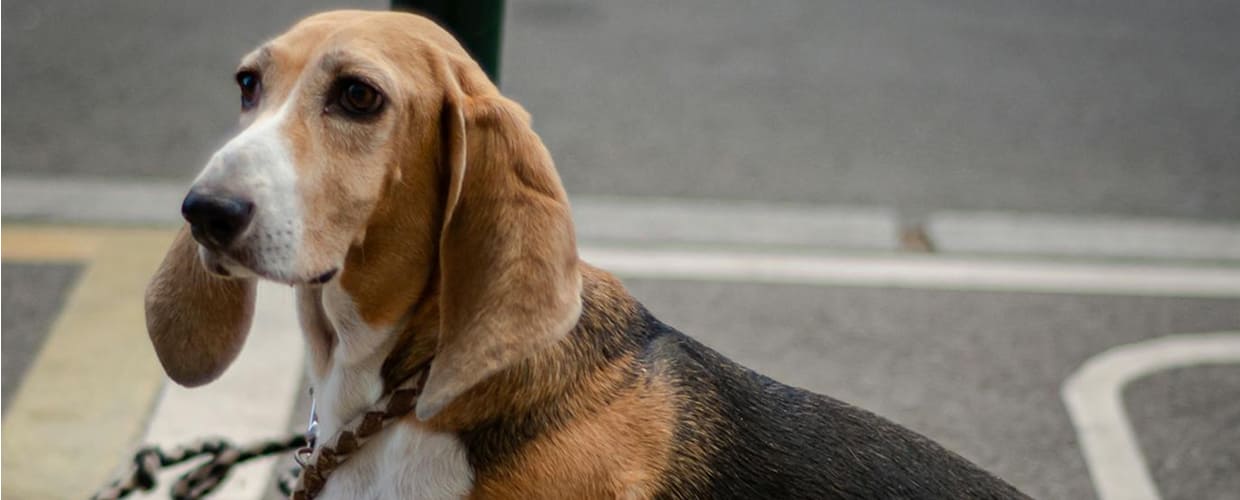
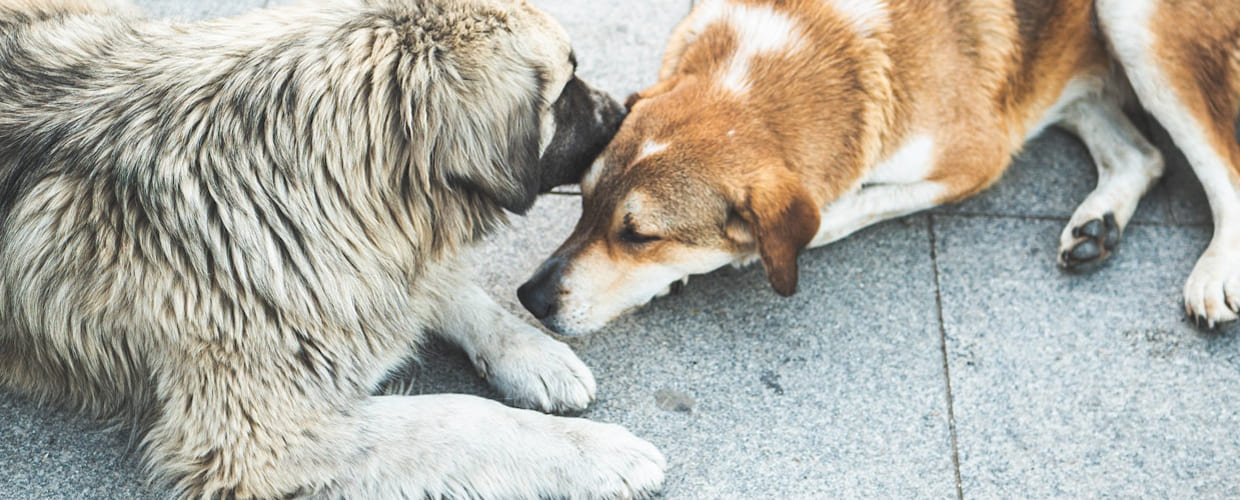
Have you noticed your dog lowering its body, avoiding eye contact, or rolling over when meeting new people or other dogs? These are signs of submissive dog behavior, a natural communication style in canines that shows respect, deference, or sometimes insecurity. While this behavior is usually harmless, it can sometimes lead to stress or confusion for your pup. Understanding why your dog acts this way and how to respond appropriately can strengthen your bond and help them feel more confident. In this guide, we’ll explore the common causes of submissive behavior, practical tips for managing it, and ways to support your dog’s emotional well-being so they can thrive in your family.
Recognizing Submissive Dog Behavior
Submissive dogs display certain body language cues that are easy to spot once you know what to look for:
- Lowered body posture: Your dog may crouch or lower its head when approaching others.
- Rolling over: This classic belly-exposure signal shows trust and deference.
- Avoiding eye contact: Submissive dogs often look away to prevent conflict.
- Urinating when excited or nervous: Also known as submissive urination, common in puppies and shy adults.
- Tail and ears tucked: These are signs of anxiety or deference.
Recognizing these signals is the first step in helping your dog feel more secure and confident.
Why Dogs Display Submissive Behavior
Submissive dog behavior can be rooted in a variety of factors:
- Genetics and temperament: Some breeds are naturally more submissive and gentle.
- Early socialization: Dogs that experienced limited interaction or mild intimidation may develop submissive habits.
- Environment and stress: Loud households, rough play, or inconsistent training can trigger submissive signals.
Understanding the “why” behind your dog’s behavior helps you respond appropriately and reduces the chance of stress-induced reactions.
Managing Submissive Dog Behavior
Helping a submissive dog requires patience, consistency, and positive reinforcement:
- Avoid punishment: Harsh scolding increases fear and reinforces submissive signals.
- Use gentle encouragement: Reward calm, confident behavior with treats and praise.
- Build confidence through training: Teach basic commands and practice obedience in a low-stress environment.
- Controlled socialization: Gradually introduce your dog to new people, pets, and situations to build comfort.
- Provide safe spaces: A quiet corner, crate, or designated bed can help your dog feel secure.
Over time, these strategies encourage a healthy balance between submission and confidence.
When to Seek Professional Help
While submissive dog behavior is often normal, certain signs may indicate the need for expert guidance:
- Extreme anxiety or panic in social situations
- Aggressive reactions due to fear or overstimulation
- Persistent submissive urination beyond puppyhood
A certified dog trainer or veterinary behaviorist can create a tailored plan to help your dog overcome excessive fear or insecurity safely.
Conclusion
Submissive dog behavior is a natural part of canine communication, signaling respect, trust, or nervousness. By understanding your dog’s body language, offering consistent support, and building confidence through gentle training, you can strengthen your bond and help your pup feel secure. Every dog has a unique personality, and with patience and positive reinforcement, even the most shy or submissive dogs can thrive in a loving home.

Extra Deals & Recommendations From Our Partners
Discover exclusive offers, tools, and products from brands we collaborate with.


Nutricost Taurine Powder 250 Grams
This taurine supplement provides 250 grams per bottle with a convenient 2-gram serving size and included scoop for easy dosing. It is Non-GMO, gluten-free, and third-party tested to ensure quality and purity. Manufactured in an NSF-certified, GMP-compliant, and FDA-registered facility, it offers a reliable and high-quality option for daily supplementation.

Bseen LED Dog Collar USB Rechargeable Collar
Adjustable, rechargeable LED dog collar with 3 light modes and 360° visibility for safe, easy nighttime walks.

Automatic Cat Feeder, 4L Cat Food Dispenser
This automatic pet feeder ensures smooth, clog-free feeding with a smart food distribution system, eliminating the need for shaking or manual fixes. It features programmable meal scheduling, dual power supply for reliability, a freshness-locking design with desiccant, an anti-theft lid, and a 10-second custom voice recording to call your pet at mealtime.

Wahl USA Dry Skin & Itch Relief Pet Shampoo for Dogs
Made in the USA, this oatmeal pet shampoo is pH balanced, alcohol-free, paraben-free, and PEG-80 free. Its coconut lime verbena scent helps moisturize dry skin, soothe itching, and clean dirty coats. The concentrated formula means you use less while still getting a rich, easy-rinse lather. Allergy-friendly and trusted by vets and groomers for over 50 years.

Sleepypod Clickit Sport Crash-Tested Harness
This durable dog seat belt is made from heavy-duty nylon with reinforced stitching and strong metal hardware to prevent snapping or unbuckling. Its elastic bungee design absorbs sudden pulls for safer, more comfortable rides. The adjustable, tangle-free swivel clip fits most vehicles and attaches easily to any harness. Each pack includes two seat belts and a collapsible water bowl.

Pet-safe flameless candles
These flameless LED tea lights feature a flickering warm glow and melted-edge design for a realistic candle look. Each light offers 200+ hours of runtime thanks to its 240mAh battery. Safe and mess-free, they eliminate fire risks and wax drips—perfect for homes with kids or pets. Made with secure, sealed battery compartments and UN38.8-certified CR2032 batteries for reliable performance.

Dog Allergy Chews 200ct
Soft allergy chews for dogs that relieve itching, hot spots, and rashes while supporting skin, immune, and gut health with omega-3 salmon oil, colostrum, and probiotics.

Vet’s Best Natural Flea and Tick Home Spray
This natural flea & tick spray protects your dog and home by killing fleas, eggs, larvae, ticks, and mosquitoes. Gentle enough for dogs 12 weeks and older, it can be applied directly to skin and used on carpets or furniture without staining. Made with certified natural plant-based ingredients like peppermint oil and eugenol, it’s proven effective and proudly made in the USA.