


Can Dogs Eat Oranges? Safety, Benefits, and Feeding Guide
By PawHappiness Team | Updated | 7 minutes read | Dog Nutrition

You love sharing snacks with your furry friend, but not all human foods are safe for dogs. When you’re peeling an orange, you might wonder if your pup can enjoy this sweet citrus treat too.
Yes, dogs can safely eat oranges in moderation, but only the fleshy part after you remove the peel, seeds, and white pith. This juicy fruit offers some nutritional benefits like vitamin C and fiber, though it also comes with a few important safety rules you need to follow.
Before you toss your dog an orange slice, you should understand proper serving sizes, which dogs should avoid oranges completely, and how to prepare this fruit safely. This guide will walk you through everything you need to know about feeding oranges to your dog.
Key Takeaways
- Dogs can eat orange flesh in small amounts, but you must remove the peel, seeds, and white pith first
- Oranges provide vitamin C, fiber, and potassium, but dogs with diabetes or weight issues should avoid them due to their sugar content
- Treats like oranges should make up no more than 10% of your dog’s daily calories, with serving sizes ranging from half a segment for tiny dogs to two and a half segments for extra-large breeds
Can Dogs Eat Oranges?

Dogs can safely eat oranges in moderation, but proper preparation is essential to avoid digestive issues. The fleshy part provides nutritional benefits, while certain parts like peels and seeds should always be removed.
Oranges for Dogs: What You Need to Know
Yes, dogs can eat oranges as an occasional treat when served correctly. You need to feed only the flesh of the orange and remove all peels, pith, and seeds before offering any to your dog.
The white pith and orange peels are difficult for dogs to digest and can cause stomach upset or intestinal blockages. Seeds should also be removed to prevent choking hazards and digestive problems.
Oranges contain natural sugars and acids that can affect certain dogs differently. If your dog has diabetes or weight issues, you should avoid feeding oranges entirely. Dogs with sensitive stomachs may experience diarrhea or gas from the acidity.
Always start with a small piece to see how your dog reacts. Watch for signs of stomach upset like vomiting or diarrhea after introducing oranges for the first time.
Dogs and Oranges: Safe Types and Serving Forms
Your dog can enjoy several citrus varieties beyond regular oranges. Tangerines, clementines, and mandarins are all safe options when prepared the same way as oranges.
Safe citrus fruits:
- Oranges
- Tangerines
- Clementines
- Mandarins
You should avoid feeding your dog grapefruits, lemons, and limes. These citrus fruits are too acidic and will irritate your dog’s stomach.
Fresh orange segments work best for feeding oranges to dogs. Cut the flesh into small, bite-sized pieces appropriate for your dog’s size. You can also mix chopped oranges into their regular food, blend them into a fruit smoothie with dog-safe ingredients, or freeze small pieces in a toy for enrichment. Orange juice is not recommended because it contains concentrated sugar and acid without the beneficial fiber.
Health Benefits of Oranges for Dogs

Oranges provide several nutrients that can support your dog’s health when offered in small amounts. The fruit contains vitamin C, fiber, potassium, and antioxidants that work together to benefit various body systems.
Nutritional Value and Key Nutrients
Oranges contain vitamin C, which supports immune health and helps reduce oxidative stress in your dog’s body. Most dogs produce enough vitamin C on their own, but a little extra from food won’t cause harm.
The flesh of oranges provides dietary fiber that can help regulate bowel movements and support gut health. Your dog also gets potassium from oranges, which plays a key role in muscle contraction and nerve signaling.
Because commercial dog food is already nutritionally balanced, your dog doesn’t require supplementation of these nutrients. However, oranges can serve as a healthy occasional treat if your dog enjoys them. The natural sugars in oranges provide quick energy, though you should limit portions to avoid excess calories.
Antioxidants and Immune Support
Oranges are rich in antioxidants like flavonoids and carotenoids. These compounds may help protect your dog’s cells from damage caused by free radicals. Antioxidants support overall health by reducing inflammation and protecting against cellular stress.
The combination of vitamin C and antioxidants works together to strengthen your dog’s immune system. This can help your pet fight off common illnesses and maintain better health as they age. The high water content in oranges also provides hydration, which is especially beneficial during hot weather or after exercise.
Risks and Safety Considerations
While oranges offer nutritional benefits, they contain high sugar levels and acidic content that can cause problems for some dogs. The peel, seeds, and oils present additional hazards that require careful attention.
Sugar Content and Digestive Issues
Oranges contain natural sugars that can affect your dog’s health in several ways. Dogs with diabetes should not eat oranges because the sugar can impact blood sugar levels. Overweight dogs should also avoid this fruit due to excess calories.
The acidity in oranges can upset your dog’s stomach. Too much orange can lead to diarrhea, gas, or vomiting, especially in dogs with sensitive digestive systems. These symptoms happen because the citric acid irritates the stomach lining.
You should limit oranges to no more than 10% of your dog’s daily calories. Start with small amounts to see how your dog reacts. Watch for signs of digestive upset like loose stools or stomach discomfort after feeding oranges.
Toxic Parts: Seeds, Peels, and Orange Peel Oils
Can dogs eat orange peels? No, you should never feed orange peels to your dog. The peel is tough and difficult to digest, which can cause intestinal blockages. This is a serious medical emergency that may require surgery.
Orange peels contain oils that irritate your dog’s stomach. These oils can cause vomiting, diarrhea, and dehydration. The white pith under the peel is also hard to digest and should be removed.
Seeds must be taken out before feeding oranges to your dog. While not highly toxic, seeds can cause choking or digestive problems. Always wash, peel, and deseed oranges completely before offering them to your pet.
Feeding Guidelines and Serving Tips
Oranges should make up no more than 10% of your dog’s daily calories, with proper preparation and portion control based on your dog’s size. Most dogs can safely enjoy small amounts of orange flesh 1-2 times per week when introduced gradually.
How Much Orange Can a Dog Eat?
The amount of orange your dog can safely eat depends on their size and weight. Treats like oranges should not exceed 10% of your dog’s daily calorie intake, with the remaining 90% coming from balanced dog food.
Extra-small dogs weighing 2-10 pounds should only get half an orange segment 1-2 times per week. Small dogs between 11-20 pounds can have one full segment at the same frequency.
Medium dogs weighing 21-50 pounds can eat 1.5 orange segments per serving. Large dogs from 51-90 pounds can handle 2 segments, while extra-large dogs over 91 pounds can have up to 2.5 segments.
Always adjust these portions based on your dog’s:
- Overall health status
- Activity level
- Weight management needs
- Individual tolerance to citrus
How to Safely Introduce Oranges
Start by offering your dog a very small piece of orange flesh to test their reaction. Wash the orange thoroughly, peel it completely, remove all seeds, and cut it into small pieces before serving.
Watch your dog for 24-48 hours after their first taste. Look for signs of digestive upset like diarrhea, vomiting, or excessive gas.
Never feed your dog:
- Orange peels
- Seeds
- The white pith
- Processed orange products
You can serve oranges plain as a snack, mix chopped pieces into their regular food, or blend them with other safe fruits. Some dogs enjoy frozen orange pieces on hot days or oranges stuffed into puzzle toys.
Puppies and Oranges: Special Cautions
Puppies can eat oranges, but extra care is needed due to their sensitive digestive systems. Young dogs are more likely to experience stomach upset from the high acid content in citrus fruits.
Only offer puppies a tiny piece at first. Their developing digestive systems may react more strongly to new foods than adult dogs.
Wait until your puppy is at least 12 weeks old before introducing any new treats. Always remove peels and seeds completely, as puppies are more prone to choking hazards and intestinal blockages.
If your puppy shows any signs of discomfort, stop feeding oranges immediately. Consider waiting a few more months before trying again.
Can Dogs Have Orange Juice or Mandarin Oranges?
Orange juice is not recommended for dogs even though it’s non-toxic. The juice is too high in sugar and very acidic, which can upset your dog’s stomach without providing the fiber benefits of whole fruit.
Store-bought orange juice often contains added sugars and artificial ingredients that are harmful to dogs. Fresh-squeezed juice still concentrates the natural sugars without the beneficial fiber.
Dogs can eat mandarin oranges, tangerines, and clementines using the same guidelines as regular oranges. These varieties are safe when peeled, seedless, and fed in small amounts.
Avoid these citrus fruits entirely:
- Lemons
- Limes
- Grapefruits
These are too acidic and can irritate your dog’s stomach lining.
If you suspect your dog has ingested or consumed a toxic substance, immediately contact your veterinarian, the nearest animal hospital, or the Animal Poison Control Center (APCC) at (888) 426-4435 for urgent guidance and emergency assistance.
Frequently Asked Questions
Dogs can safely eat oranges in small amounts, but you need to remove peels and seeds first. The fruit provides vitamin C and fiber, though the sugar and acidity require careful portioning.
Is it safe for dogs to ingest citrus fruits like oranges?


Oranges are safe for dogs to eat when given in moderation. The flesh of the orange contains nutrients that can benefit your dog’s health.
You should only feed your dog the peeled segments of the orange. The fruit offers nutritional benefits like vitamin C and fiber, which support immune health and digestion.
The citric acid in oranges can upset some dogs’ stomachs. Start with small amounts to see how your dog reacts.
What are the potential health benefits of feeding oranges to my dog?
Oranges contain vitamin C, which supports your dog’s immune system and fights inflammation. The vitamin also helps with collagen production for healthy joints, skin, and coat.
The fruit provides potassium and fiber. These nutrients support your dog’s heart health and help their digestive system function properly.
Oranges contain antioxidants called flavonoids and carotenoids. These compounds protect your dog’s cells from damage.
The thiamine in oranges supports your dog’s energy metabolism. It also promotes healthy nerve and muscle function.
Are there any specific parts of an orange that dogs should avoid?
You must remove the peel before giving oranges to your dog. Orange peels are difficult to digest and can cause intestinal blockages or choking.
The peel contains oils like limonene that can upset your dog’s stomach. These oils may even cause toxicity if your dog eats large amounts.
Remove all seeds from orange segments before feeding them to your dog. Seeds can contain trace amounts of toxic compounds and pose choking hazards.
How much orange is it appropriate to feed a dog without causing digestive issues?
Treats should make up only 10% of your dog’s daily diet. The other 90% should come from balanced dog food.
Give small dogs just one or two orange segments. Medium dogs can have two to three segments, while large dogs can safely eat three to four segments.
Feed oranges as an occasional treat rather than a regular part of your dog’s diet. The natural sugar content means you shouldn’t give oranges too frequently.
Can the acidic content in oranges harm dogs in any way?
The citric acid in oranges can irritate your dog’s stomach. This may cause vomiting, diarrhea, or decreased appetite, especially in dogs with sensitive stomachs.
Dogs with heart problems should eat oranges with caution. A component in oranges called hesperetin can affect potassium ion channels that help regulate heart rhythm.
The acidity and sugar in oranges may contribute to tooth enamel erosion over time. You shouldn’t feed oranges too often to protect your dog’s dental health.


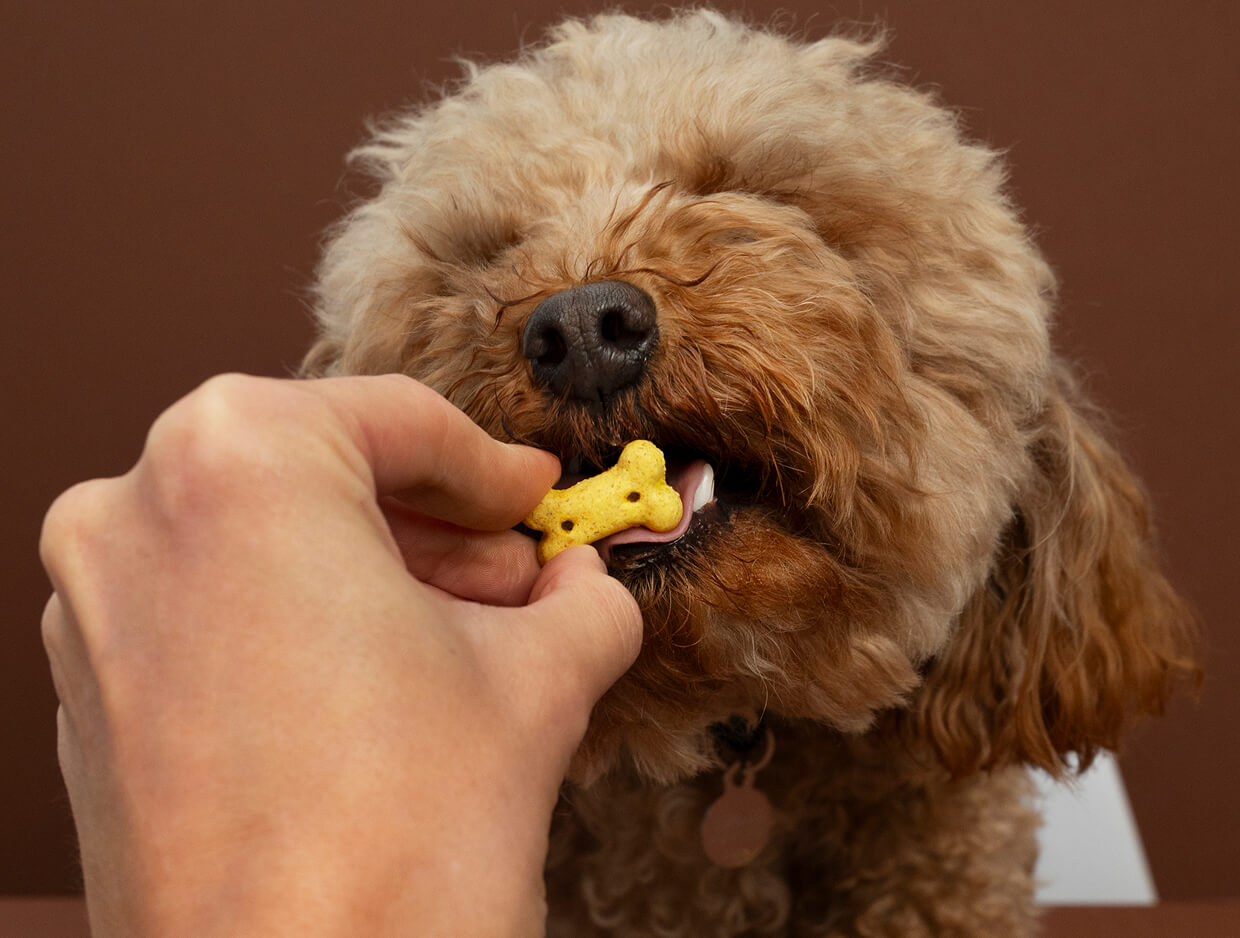





Extra Deals & Recommendations From Our Partners
Discover exclusive offers, tools, and products from brands we collaborate with.


Ninja Foodi 9-in-1 Pressure Cooker & Air Fryer
Cook 2 foods, 2 ways at once with this air fryer’s 2 independent baskets—no back-to-back batches. DualZone Technology offers Smart Finish for synchronized cooking and Match Cook to copy settings across both zones. Enjoy 6 functions: Air Fry, Broil, Roast, Bake, Reheat, and Dehydrate. With an 8-qt capacity, separate heating zones, easy cleaning, and up to 75% less fat, it’s perfect for fast family meals.

Grizzly Salmon Oil for Cats
Made from wild Alaskan salmon, Grizzly Omega Health provides cleaner, nutrient-rich omega-3s with high DHA and EPA to support your pet’s skin, coat, cognition, vision, and immune health. Wild salmon offers fewer calories and more omega-3s than farmed fish, making this supplement a powerful choice for overall wellness and healthy nerve-based functions, including fertility.

Vetericyn Triple-Action Ear Treatment for Dogs & Cats
Triple-Action Ear Treatment: Vetericyn’s ear solution for dogs and cats is a revolutionary topical treatment that relieves irritations caused by otitis externa and other serious issues.
Antibiotics for Cats, Natural Antibiotic Pet
Herbal cat antibiotic drops support ear, skin, urinary, and respiratory infections with Apple Cider Vinegar, Pau D-Arco, Goldenseal & Echinacea. Non-GMO, sugar-free, fast-absorbing, safe for all cats.

Bseen LED Dog Collar USB Rechargeable Collar
Adjustable, rechargeable LED dog collar with 3 light modes and 360° visibility for safe, easy nighttime walks.

TickCheck Tick Remover Spoon
Lightweight tick removal kit with three spoons featuring deep notches for safely removing ticks from people or pets. University-tested for effective removal of adult and nymph ticks. Includes a waterproof tick ID card and a carabiner clip for travel and outdoor use. Fast removal helps reduce the risk of tick-borne issues like Lyme. Perfect for hiking and everyday carry.

KONG Puppy – Natural Teething Rubber Chew Toy for Dogs
The KONG Puppy toy is made with soft, natural rubber specially designed for a puppy’s developing teeth and gums. Gentle yet durable, it provides healthy chewing enrichment and a fun bounce for fetch. It can be stuffed with treats or kibble to extend playtime and support training or crate comfort. Made in the USA with globally sourced materials.

JustFoodForDogs Chicken & White Rice Fresh Frozen Dog Food
BLUE Wilderness Wet Dog Food Beef & Chicken Grill delivers high protein from quality meats to support your dog’s energy and activity. This grain-free recipe contains no poultry by-product meals, corn, wheat, soy, or artificial flavors and preservatives. With rich taste and texture, it helps dogs stay healthy and active with natural, premium nutrition.