


Corn Dog Nutrition: What Pet Parents Should Know
By PawHappiness Team | Updated | 3 minutes read | Dog Nutrition

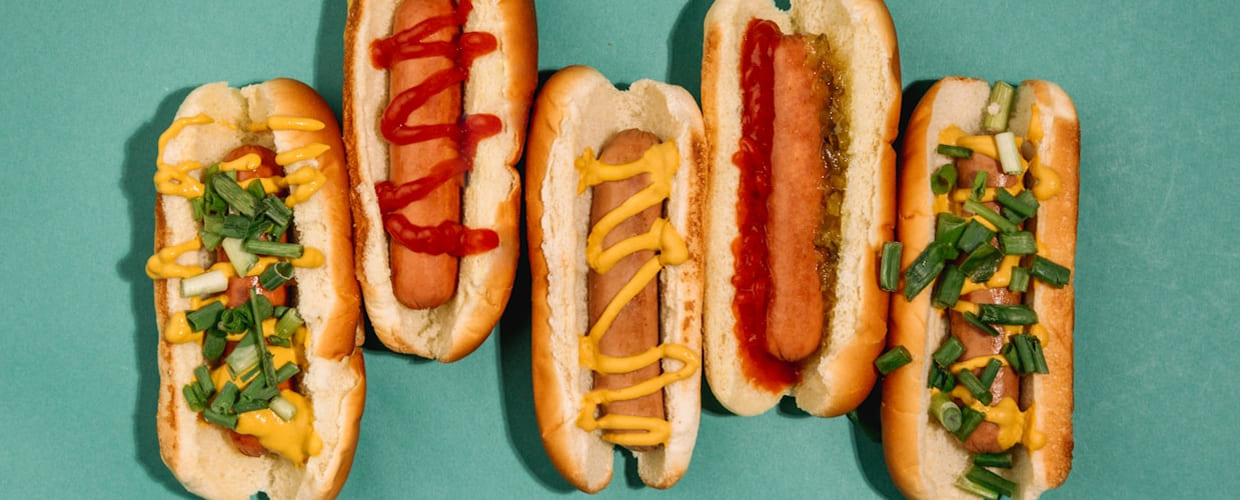
Corn dogs are a popular snack at fairs and parties, loved for their crunchy exterior and savory hot dog center. But when it comes to sharing human treats with your dog, understanding corn dog nutrition is essential. While a small bite may seem harmless, corn dogs are usually high in calories, fat, and sodium, which can affect your dog’s health. Pet parents need to be aware of what’s in this treat and how it fits into a dog’s diet. In this article, we’ll break down the key nutritional facts, discuss potential risks, and offer tips on how to safely handle corn dogs if you want to treat your furry friend. By knowing what to look for, you can enjoy the occasional treat without compromising your dog’s health.
Corn Dog Nutrition Facts
Knowing the nutritional content helps you make informed choices:
- Calories: One standard corn dog can have around 200–250 calories. This is a significant portion of a small dog’s daily intake.
- Protein: Contains protein from the hot dog center, but it may be processed and less ideal than natural sources.
- Fat content: Corn dogs are fried and often high in fat, which can contribute to weight gain or pancreatitis in sensitive dogs.
- Carbohydrates: The cornmeal coating adds extra carbs that dogs don’t necessarily need.
- Sodium: High salt levels can lead to sodium overload if fed in excess.
Risks of Feeding Corn Dogs to Dogs
Corn dogs are not designed for canine nutrition, so they come with risks:
- Digestive issues: Fried foods and additives may upset a dog’s stomach, causing vomiting or diarrhea.
- Obesity: High-calorie treats can lead to weight gain, especially in small breeds.
- Heart and kidney concerns: Excess sodium may strain the heart or kidneys over time.
- Choking hazard: The stick or large pieces can be dangerous for dogs if not given carefully.
Safe Ways to Treat Dogs with Human Snacks
If you want to share a bite:
- Small portions only: Tiny pieces of hot dog or plain meat can be safer than a whole corn dog.
- Avoid additives: Skip the stick, sugar, or batter. Plain boiled or baked meat is ideal.
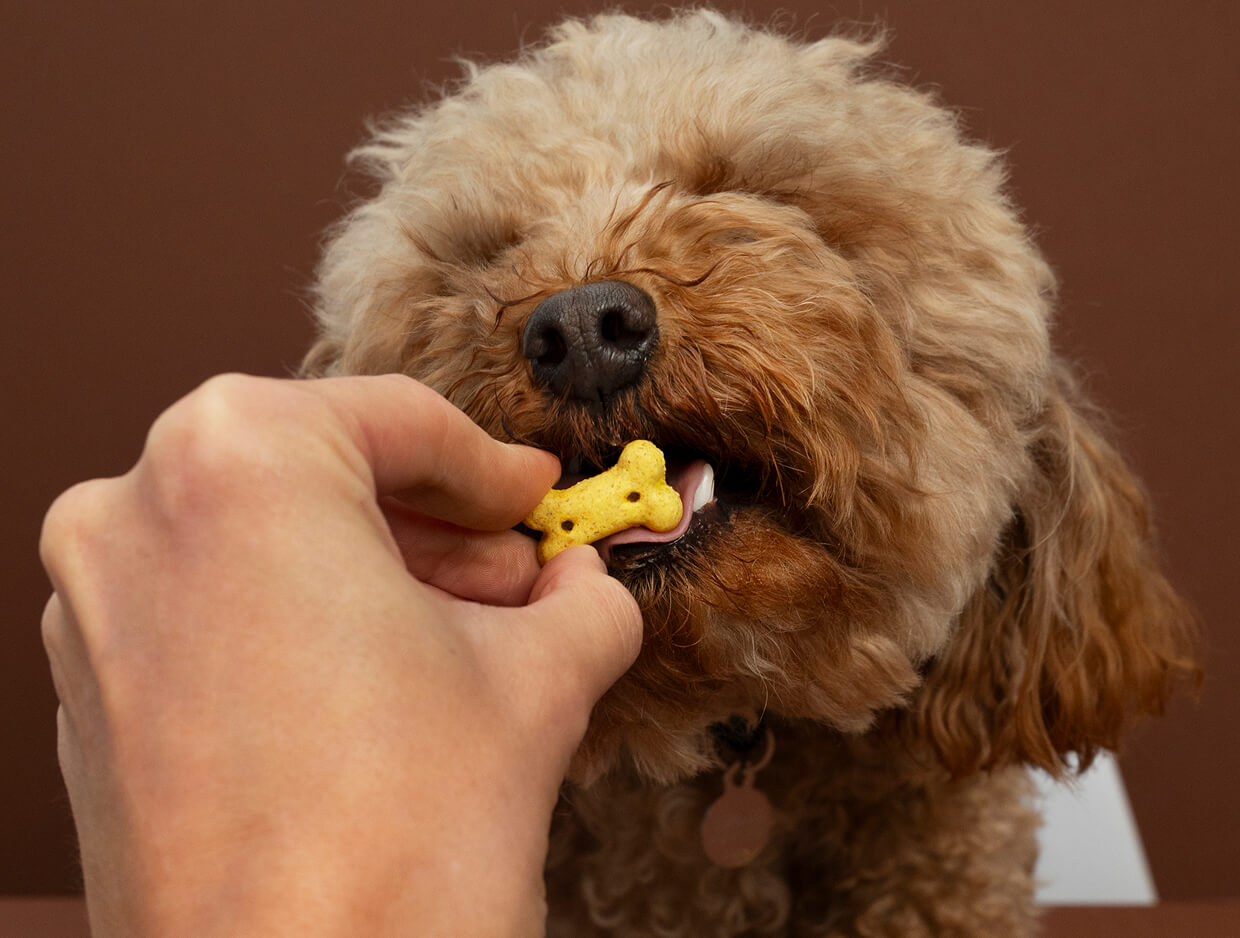
- Use as a training reward: Small bits can motivate your dog without overfeeding.
- Balance with dog-friendly foods: Treats should not exceed 10% of daily calories.
Dog-Friendly Alternatives to Corn Dogs
For dogs who love the taste but need a healthier option:
- Boiled chicken, turkey, or lean beef pieces
- Low-fat cheese cubes
- Freeze-dried meat treats
- Baby carrots or apple slices (without seeds)
These options are safer, lower in calories, and less likely to upset your dog’s digestive system.
Conclusion
Understanding corn dog nutrition is key to safely sharing treats with your dog. While it may be tempting to give them a bite, high calories, fat, and sodium make corn dogs unsuitable as a regular snack. Offering small, plain pieces occasionally or using dog-friendly alternatives ensures your dog stays healthy and happy. Moderation, awareness, and choosing safe treats are essential for every pet parent. Always consult your veterinarian if you’re unsure about introducing new foods to your dog’s diet.





Extra Deals & Recommendations From Our Partners
Discover exclusive offers, tools, and products from brands we collaborate with.


Purina Tidy Cats Breeze System — Best for Low Maintenance
These Tidy Cats Breeze Multi-Cat Pads are designed for the Breeze system, offering fast absorption and up to 7 days of ammonia odor control for two cats. Each pack includes 8 disposable pads that lock in moisture to keep the litter box dry and your home smelling fresh. Cleanup is simple with no urine clumps to scoop. Backed by a satisfaction guarantee for worry-free use.

Automatic Cat Feeder, 4L Cat Food Dispenser
This automatic pet feeder ensures smooth, clog-free feeding with a smart food distribution system, eliminating the need for shaking or manual fixes. It features programmable meal scheduling, dual power supply for reliability, a freshness-locking design with desiccant, an anti-theft lid, and a 10-second custom voice recording to call your pet at mealtime.

Dr. Elsey’s Ultra Unscented Clumping Clay Cat Litter
Low-dust, hard-clumping clay litter with strong odor control and low tracking for a cleaner, fresher home.

Instant Pot Duo 7-in-1 Electric Pressure Cooker
Enjoy 7 cooking functions in one appliance—pressure cook, slow cook, sauté, steam, make rice, yogurt, or keep food warm. With 13 smart one-touch programs, meals are easy and customizable. The Easy-Release switch provides safe steam release. Cook up to 70% faster, using the pro-grade stainless steel pot. A 6-quart size fits family meals, and the dishwasher-safe lid and pot make cleanup simple.

JustFoodForDogs Chicken & White Rice Fresh Frozen Dog Food
BLUE Wilderness Wet Dog Food Beef & Chicken Grill delivers high protein from quality meats to support your dog’s energy and activity. This grain-free recipe contains no poultry by-product meals, corn, wheat, soy, or artificial flavors and preservatives. With rich taste and texture, it helps dogs stay healthy and active with natural, premium nutrition.

Sleepypod Clickit Sport Crash-Tested Harness
This durable dog seat belt is made from heavy-duty nylon with reinforced stitching and strong metal hardware to prevent snapping or unbuckling. Its elastic bungee design absorbs sudden pulls for safer, more comfortable rides. The adjustable, tangle-free swivel clip fits most vehicles and attaches easily to any harness. Each pack includes two seat belts and a collapsible water bowl.

VetriScience Senior 27+ Active Health Chews
Senior cat multivitamin soft chews with 27+ essential nutrients to support healthy aging. Vet-formulated with taurine, antioxidants, and omega fatty acids for heart, brain, joint, skin, and coat health.

Zeus Fresh & Clear Elevated Drinking Fountain
Veken’s award-winning 2024 Pet Innovation Category Winner pet fountain delivers cleaner, safer hydration with an upgraded stainless steel build. Its large-capacity water tank reduces refills, while a 5-stage filtration system—featuring silver, scale inhibitors, and activated carbon—keeps water fresh for up to three weeks. All water-contact parts are BPA-free for added safety. An optional soft LED light enhances visibility, helping pets locate the fountain and allowing owners to monitor water levels with ease. Clean design, advanced hygiene, and trusted performance for healthier, happier pets.