


Dog Nutrition Course: A Complete Guide for Pet Parents
By PawHappiness Team | Updated | 3 minutes read | Dog Nutrition
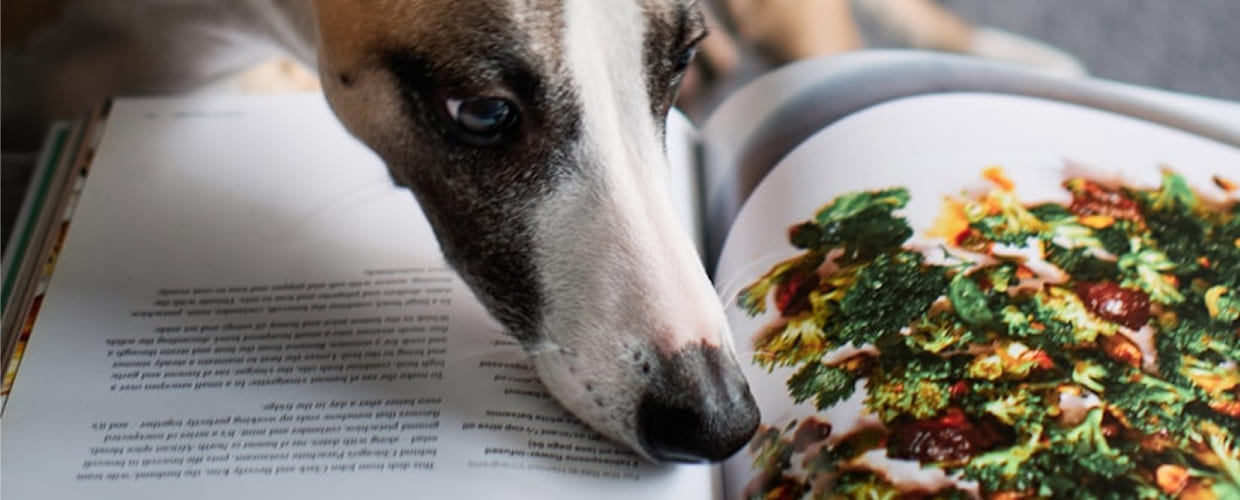
Every pet parent wants their dog to live a long, healthy, and happy life. But navigating the world of dog nutrition can feel overwhelming—there are so many diets, treats, and feeding strategies that it’s easy to get lost. A dog nutrition course is an excellent way to gain structured knowledge about your pet’s dietary needs, from essential nutrients to portion control and specialized diets. With the right guidance, you can make informed decisions that promote your dog’s overall well-being. In this article, we’ll explore the benefits of a dog nutrition course, what it typically covers, and how you can apply the lessons in everyday life to help your dog thrive.
Why Every Pet Parent Should Consider a Dog Nutrition Course
Understanding dog nutrition goes beyond simply filling a bowl with kibble:
- Tailored diets: Learn how to match your dog’s food to their age, breed, size, and activity level.
- Nutrient essentials: Courses cover proteins, fats, carbohydrates, vitamins, and minerals critical for your dog’s health.
- Health management: Proper nutrition can prevent obesity, joint problems, and other chronic conditions.
- Confident decision-making: Avoid fad diets or unsafe homemade meals.
What You’ll Learn in a Dog Nutrition Course
Most comprehensive courses include:
- Basic nutrition principles – Understanding calories, macronutrients, and micronutrients.
- Feeding strategies – Meal planning, portion sizes, and feeding schedules.
- Special dietary needs – Handling allergies, sensitivities, and breed-specific requirements.
- Human foods and treats – Which snacks are safe and which to avoid.
- Supplements and additives – Knowing what benefits your dog without risking harm.
- Interpreting labels – How to read commercial dog food packaging critically.
Practical Tips from a Dog Nutrition Course
Applying what you learn can make a big difference:
- Measure portions carefully: Use a kitchen scale or measuring cup to avoid overfeeding.
- Balance proteins and fats: Ensure each meal has the right ratio for your dog’s energy needs.
- Introduce new foods gradually: Monitor for digestive upset when changing diets.
- Avoid harmful ingredients: Chocolate, onions, garlic, and excessive salt can be toxic.
- Keep treats minimal: Treats should make up no more than 10% of daily calories.
How to Choose the Right Dog Nutrition Course
When selecting a course, consider:
- Expertise of instructors: Look for veterinarians, animal nutritionists, or certified trainers.
- Course format: Online, in-person, or hybrid options depending on your schedule.
- Reviews and testimonials: Previous students’ experiences can guide your choice.
- Comprehensive curriculum: Ensure it covers both theory and practical applications.
- Certification: While optional, certified courses may add credibility and structured learning.
Benefits Beyond Feeding
A dog nutrition course doesn’t just teach what to feed:
- Improved energy levels: Proper diet supports active and healthy behavior.
- Better coat and skin: Nutrient-rich meals reduce shedding and skin issues.
- Weight management: Learn how to prevent obesity and maintain a healthy body condition.
- Stronger bond: Feeding and caring for your dog responsibly strengthens your connection.
Conclusion
Investing in a dog nutrition course is one of the best ways to ensure your dog lives a long, happy, and healthy life. By learning the science behind proper feeding, portion control, and nutrient balance, you can make informed decisions and avoid common dietary pitfalls. Whether you’re a first-time pet parent or an experienced dog owner, a structured course offers valuable insights that can improve your dog’s health and wellbeing. Explore reputable courses today and take the first step toward making every meal a nourishing experience for your furry friend.




Extra Deals & Recommendations From Our Partners
Discover exclusive offers, tools, and products from brands we collaborate with.
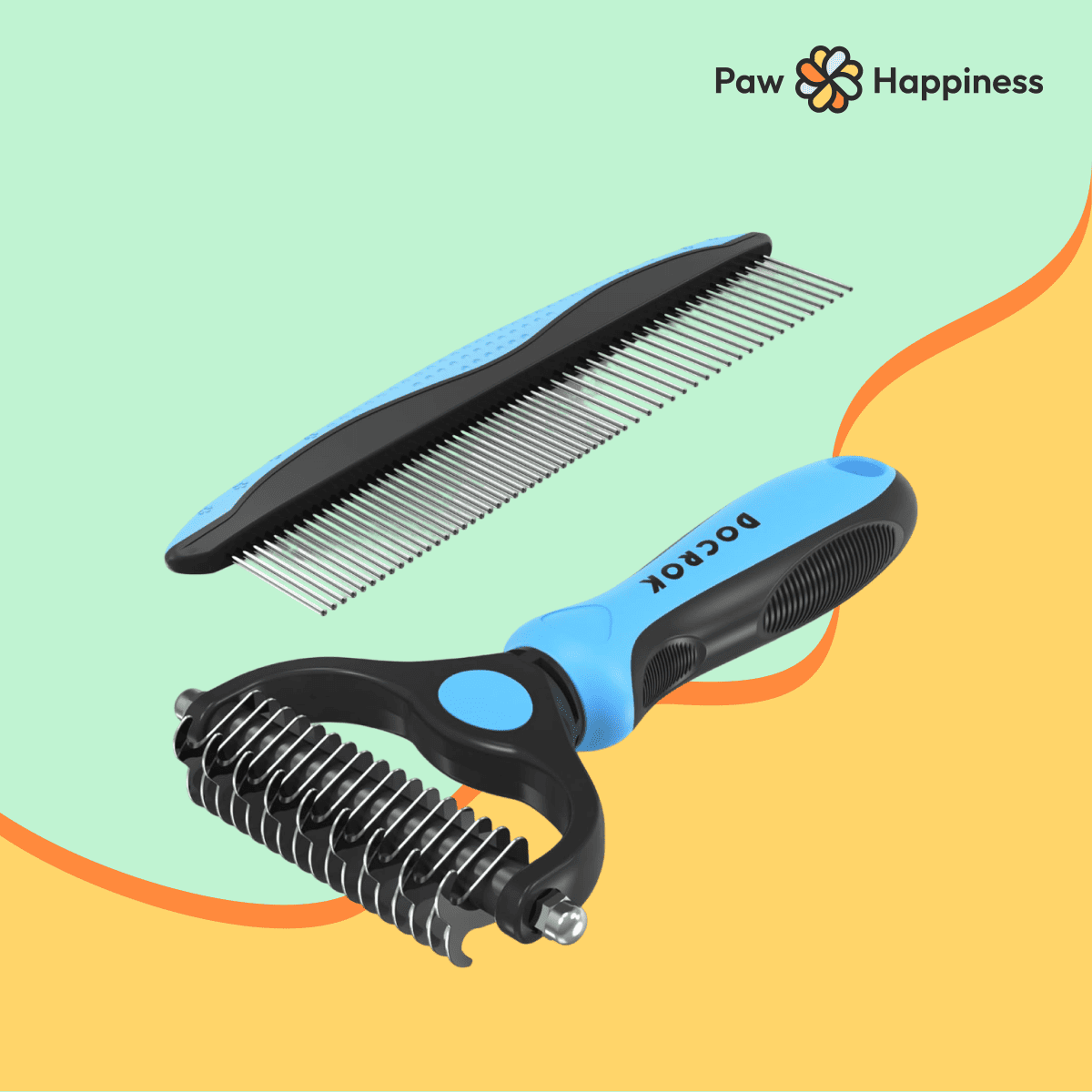

Pet Grooming Combo – Blue Deshedding Brush
This 2-in-1 grooming brush and comb set makes dematting and deshedding easy for dogs and cats. Designed with safe, rounded edges, it gently removes knots, loose fur, and undercoat without hurting your pet. The undercoat rake features wide and dense sides for dematting and shedding, while the dual-sided metal comb reaches legs, head, and tail. Durable stainless steel teeth and a lightweight, ergonomic handle ensure comfortable, long-lasting grooming.

Catit Senses 2.0 Play Circuit Interactive Cat Toy
Catit Senses 2.0 Circuits are designed for interactive, stimulating play that keeps cats mentally and physically engaged. The flexible system allows 100+ layout combinations and connects with other Catit Senses toys to create a customizable playground. Made from BPA-free materials, it’s easy to assemble, clean, and activates your cat’s natural senses for indoor enrichment.

Pet Electrolyte Solution for Dogs
Replenish supplements, created by a veterinarian, offer all-natural support for canine health. The Dog Water Supplement provides a chicken-flavored vitamin boost to restore strength after activity or illness. The Superfood Topper delivers allergen-free immunity support, while the Paw Healing Solution helps protect and soothe paws in harsh weather for overall wellness.

Omega 3 Fish Oil for Cats
Reduce Shedding + Improve Skin and Coat - Plano Paws Wild Caught Omega 3 for Cats is made with pure Anchovies, Herring, Mackerel, and Sardines from the clear ocean waters off the coast of Iceland.

Milk-Bone Soft & Chewy Dog Treats, Beef & Filet Mignon Recipe
Milk-Bone Soft & Chewy Beef & Filet Mignon Recipe dog treats are made with real chuck roast for a delicious, tender texture dogs love. Suitable for dogs of all sizes, these treats come in a 25-ounce container and are fortified with 12 essential vitamins and minerals. A trusted, feel-good reward dogs have loved since 1908.

Calming Chews for Cats
Cat calming treats that help reduce stress and anxiety from vet visits, travel, and separation. Made with L-theanine, chamomile, and vitamin B1 for relaxation cats love.

Dog Bowl Pet Collapsible Bowls
Collapsible dog bowls fold flat for easy storage and are perfect for travel, hiking, and daily outings. Lightweight and portable, each bowl includes a carabiner to attach to bags or leashes. Made of durable, odorless soft plastic, they hold up to 12 oz of water or 1.5 cups of food. Suitable for small to medium pets and easy to clean, with two colors for food and water.
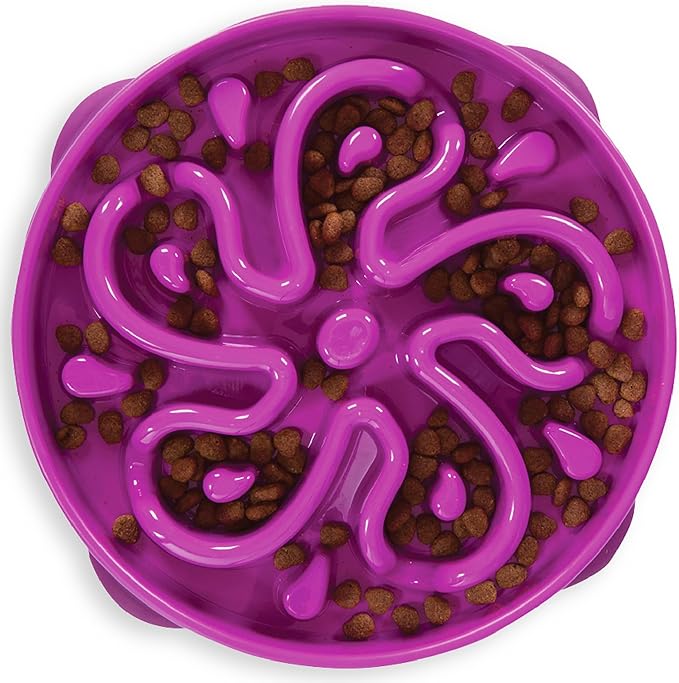
Outward Hound Fun Feeder Slow Bowl
Outward Hound Fun Feeder Slo Bowls use ridges and maze-like patterns to slow dogs’ eating by up to 10x, helping reduce bloat, obesity, and digestive issues. Available in various sizes, colors, and slow levels—including options for flat-faced breeds—these non-slip, food-safe bowls hold full meals, are dishwasher safe, and make mealtime healthier and more engaging.