


Protein for Dogs: Everything You Need to Know for a Healthy, Happy Pup
By PawHappiness Team | Updated | 5 minutes read | Dog Nutrition

Table of Contents
- Why Protein for Dogs Matters So Much
- How Much Protein Do Dogs Actually Need?
- Best Protein Sources for Dogs (Animal & Plant-Based)
- Is High-Protein Food Good for Dogs?
- Signs Your Dog is Getting Too Much Protein
- How to Choose the Right Protein Level in Dog Food
- Protein Deficiency in Dogs: What to Watch For
- Can Dogs Have Protein Allergies?
- Should You Supplement Your Dog’s Diet with Protein?
- Helpful Amazon Products for High-Quality Protein for Dogs
- Final Thoughts
Keeping your dog healthy starts with understanding what goes into their bowl—and one of the biggest components is protein. When searching for Protein for Dogs: Everything You Need to Know, many pet parents feel overwhelmed by labels, percentages, and endless food choices. Does your dog need high-protein food? What counts as a “good” protein source? And how do you know if you’re giving enough—or too much?
In everyday life, most dog owners simply want to make sure their furry friend has energy, shiny fur, and a strong body. Protein plays a huge role in all of that. It fuels muscles, supports immunity, helps repair tissues, and even keeps skin and coat looking great. But like any nutrient, it’s all about giving the right type and the right amount. This article breaks down everything in a simple, friendly way so you feel confident choosing what’s best for your pup.
Why Protein for Dogs Matters So Much
Protein isn’t just “one of the nutrients”—it’s the foundation of your dog’s body. From muscles and organs to enzymes and hormones, everything relies on protein. Dogs use the amino acids from protein to stay active, repair daily muscle wear, and maintain overall health.
Protein is especially important for:
- Puppies with fast-growing bodies
- Active dogs needing more energy
- Senior dogs maintaining lean muscle
- Pregnant or nursing dogs
A balanced diet ensures your pup gets the amino acids they can’t produce on their own. Without enough protein, dogs can experience fatigue, poor coat quality, and even weakened immunity.
This is why understanding the right amount and type of protein matters—especially with so many “high-protein” labels in pet stores.
How Much Protein Do Dogs Actually Need?
The amount of protein your dog needs depends on age, breed, lifestyle, and health conditions. There’s no one-size-fits-all, but here’s a simple breakdown to guide you.
General Protein Guidelines
AAFCO (Association of American Feed Control Officials) recommends:
- Adult dogs: minimum 18% protein
- Puppies & lactating dogs: minimum 22.5% protein
However, many good-quality dog foods offer 22–28% for adults and 28–32% for puppies.
Lifestyle-Based Needs
- Active dogs: 25–30%
- Working dogs (police, agility, hiking): 30–35%
- Senior dogs: 20–28% (depending on muscle mass)
If your dog runs around all day, they may need more protein than a quiet couch potato.
How to Know If Your Dog Needs More Protein
Signs include:
- Low energy or tired easily
- Muscle loss
- Dull or thinning coat
- Slow healing after injury
- Weight loss
If you notice these, talk to your vet before increasing protein too much.
Best Protein Sources for Dogs (Animal & Plant-Based)
Not all proteins are created equal. Dogs absorb some sources better than others—and some provide more complete amino acids.
Top High-Quality Animal Proteins
These are the most digestible and beneficial for dogs:
- Chicken
- Turkey
- Beef
- Fish (salmon, tuna, whitefish)
- Lamb
- Eggs (one of the most complete proteins)
Animal proteins generally offer the highest biological value, meaning your dog’s body uses them more effectively.
Plant-Based Proteins (Still Good When Balanced)
These can supplement animal proteins:
- Peas
- Lentils
- Chickpeas
- Soy
- Quinoa
Plant proteins aren’t bad—they just shouldn’t be the only protein source in your dog’s diet unless recommended by a vet.
What About Novel Proteins?
For dogs with allergies, these can help:
- Duck
- Venison
- Rabbit
- Kangaroo
Novel proteins reduce exposure to common allergens like chicken or beef.
Is High-Protein Food Good for Dogs?
High-protein diets have become popular, but they’re not ideal for every dog. Understanding the benefits and risks helps you make the best choice.
Benefits of High-Protein Dog Food
- Supports muscle growth
- Helps weight management
- Improves coat health
- Boosts energy for active dogs
When It Might NOT Be Ideal
Avoid high-protein diets for:
- Dogs with kidney disease
- Senior dogs with certain health issues
- Dogs with low activity levels
Your dog doesn’t need 40% protein if they nap all day. More protein doesn’t always mean better health.
Signs Your Dog is Getting Too Much Protein
We usually talk about deficiency, but excess protein can also cause problems.
Watch for:
- Digestive issues (soft stool or diarrhea)
- Weight gain
- Excessive thirst
- Bad breath
- Hyperactivity in some cases
If you see these symptoms and recently changed foods, try adjusting protein levels and monitor the changes.
How to Choose the Right Protein Level in Dog Food
Walking through the pet aisle can feel like navigating a jungle. Here’s how to simplify it.
1. Check the Ingredient List
Look for:
- First ingredient: real meat (e.g., “chicken” or “beef”)
- Avoid too many fillers
- Avoid foods that rely only on plant protein
2. Check the Guaranteed Analysis
Look for protein around:
- Adult dogs: 22–28%
- Puppies: 28–32%
3. Consider Your Dog’s Activity
An active dog = more protein
A calm, indoor dog = moderate protein
4. Look for AAFCO-compliant foods
This ensures the food meets basic nutritional standards.
Protein Deficiency in Dogs: What to Watch For
If your dog doesn’t get enough protein, the signs can be subtle at first. Paying attention helps prevent long-term problems.
Common symptoms:
- Dry or brittle coat
- Poor growth (in puppies)
- Slow wound healing
- Weak immune system
- Muscle loss
- Lethargy
If you notice multiple symptoms, consult your vet and evaluate your dog’s current diet.
Can Dogs Have Protein Allergies?
Yes! Dogs can develop allergies or sensitivities to protein sources—especially common ones like chicken or beef.
Signs of Protein Allergies
- Itchy skin
- Ear infections
- Paw licking
- Vomiting or diarrhea
- Hot spots
If this happens, try:
- Switching to a novel protein
- Trying an elimination diet (with vet supervision)
- Using hypoallergenic food
Should You Supplement Your Dog’s Diet with Protein?
Sometimes dogs need a little extra boost—especially active pups or those healing from injuries.
Safe Protein Supplements for Dogs
- Cooked lean meats
- Eggs (fully cooked)
- Fish
- Dog-safe protein toppers
Avoid giving:
- Raw meat (risk of bacteria)
- Seasoned meats
- Processed meats like sausage
If using supplements, keep the overall daily protein balanced.
Helpful Amazon Products for High-Quality Protein for Dogs
Here are trusted options that align with protein-focused diets

Taste of the Wild High-Protein Dog Food
Dogs still share the DNA of the wolf, even after years of domestication. While they’ve become our long-lived companions, their instinct for the taste of the wild remains. A balanced diet should honor their natural needs while delivering complete nutrition to help them thrive. Give your dog the flavors their wild past still craves.
Buy Now
Stella & Chewy’s Freeze- Dinner Patties (High Protein)
Stella & Chewy’s provides wholesome, natural nutrition with raw, simple, limited-ingredient recipes. Each batch starts with 85%+ meat, organs, and bone—often from a single protein source—ideal for pets with sensitivities. Proteins are grass-fed, cage-free, or wild-caught, and all produce is organic. Made in the USA, these raw, grain-free meals help pets thrive as nature intended.
Buy NowFinal Thoughts
Understanding Protein for Dogs: Everything You Need to Know helps you make confident decisions about your dog’s nutrition. Protein is essential for building muscles, supporting immunity, and keeping your dog energetic and healthy. The key is finding the right balance—high enough to support their body, but not so high that it causes unnecessary strain.
Whether you have a growing puppy, an active adult, or a gentle senior, there’s a protein level that fits their needs perfectly. Always observe how your dog reacts to their food and don’t hesitate to adjust when necessary.
If you want to dive deeper into pet nutrition or discover more trusted products, feel free to explore more resources on our site. Your dog will thank you with more tail wags and happy zoomies!








Extra Deals & Recommendations From Our Partners
Discover exclusive offers, tools, and products from brands we collaborate with.


FELIWAY Optimum Cat
FELIWAY Optimum is a patented, vet-recommended pheromone diffuser designed to reduce common cat stress behaviors such as scratching, urine spraying, hiding, and conflicts. Drug-free and non-sedating, it mimics natural calming messages to help cats feel safe and relaxed. Proven effective, cat owners reported over 70% improvement. The diffuser releases calming pheromones for up to 30 days and is safe for humans and other pets.
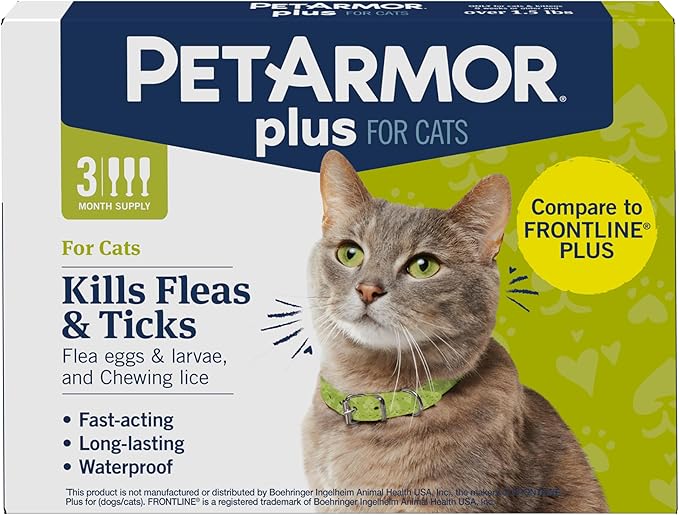
PetArmor Plus Flea and Tick Prevention for Cats
Active Ingredients: Friponil (9.80%), (S)-Methoprene (11.80%). Other Ingredients: (78.40%), Total (100.00%). Your pets are family, and PETARMOR helps you confidently care for your cat, especially when it comes to flea and tick control.

Pet Products Heated Cat Bed Indoor
This large heated cat bed features soft, flexible sidewalls and a 4-watt removable heater that warms to your pet’s body temperature for safe, energy-efficient comfort. Fully washable once the heater is removed, it’s ideal for large cats and small dogs. Designed by K&H with 25+ years of expertise, this safety-certified bed offers year-round coziness and reliable quality.

Catit Senses 2.0 Play Circuit Interactive Cat Toy
Catit Senses 2.0 Circuits are designed for interactive, stimulating play that keeps cats mentally and physically engaged. The flexible system allows 100+ layout combinations and connects with other Catit Senses toys to create a customizable playground. Made from BPA-free materials, it’s easy to assemble, clean, and activates your cat’s natural senses for indoor enrichment.

Virbac C.E.T. Enzymatic Toothpaste for Cats
Enzymatic toothpaste for dogs and cats with the C.E.T. Dual Enzyme System to reduce plaque and freshen breath. Its poultry flavor pets love makes brushing easier. Free of foaming agents, it's safe to swallow. Vet-recommended and made in the USA. For best results, use daily with a soft-bristled toothbrush or as directed by your veterinarian.

The Farmer’s Dog Fresh Beef Recipe Alternative
Blue Buffalo Homestyle Recipe Adult Wet Dog Food offers chicken and beef dinners made with real meat as the first ingredient, plus garden vegetables for a nutritious, home-cooked taste. Free from poultry by-product meals, corn, wheat, and soy, it’s ideal for picky eaters and mixes easily with dry food. A wholesome, flavorful meal that keeps your dog excited every time you open a can.

Fish Tank, 2.4 Gallon Fish Aquarium
This smart 2.4-gallon multi-functional aquarium combines a self-circulating 3-in-1 filtration pump, ultra-quiet oxygenation, and adjustable 7-color LED lighting for a relaxing display. Made with ultra-clear HD glass, it features a real-time temperature display, feeding port lid, decorative plants, and a built-in aromatherapy humidifier with three spray modes to enhance mood, reduce stress, and create a soothing indoor environment.

PETLIBRO Automatic Cat Feeder, 5G WiFi Automatic Dog Feeder
Control your pet’s meals anytime with this smart Wi-Fi automatic feeder (2.4GHz & 5GHz) via the PETLIBRO App. Schedule up to 10 meals daily, customize portions, and track feeding records. Features personalized voice meal calls, freshness-lock design with desiccant, stainless steel bowl, and smart alerts for jams, low food, or low battery.