


Switching Dog Food: Tips and Recommendations for a Smooth Transition
By PawHappiness Team | Updated | 5 minutes read | Dog Nutrition
Table of Contents
- Why Switching Dog Food Needs to Be Done Gradually
- Signs It’s Time to Switch Your Dog’s Food
- How to Transition Dog Food Safely (Step-by-Step)
- What to Look for in a New Dog Food
- Common Mistakes to Avoid When Switching Dog Food
- How to Handle Digestive Upset During the Transition
- When You Should Call the Vet
- Best Dog Foods to Consider for a Smooth Transition
- How to Know the New Dog Food Is Working
- Final Thoughts
Switching dog food can feel a bit scary, especially if your pup has a sensitive stomach or a picky personality. Whether you’re changing formulas for health reasons, shifting to a higher-quality brand, or simply because your dog’s taste has evolved, it’s important to do it right. Making a sudden change can lead to stomach upset, diarrhea, or your dog refusing to eat altogether—none of which makes mealtime fun. That’s why learning the best Switching Dog Food: Tips and Recommendations can make all the difference.
A smooth transition doesn’t just protect your dog’s digestion—it also helps you feel more confident as a pet parent. In this article, we’ll walk through clear steps, common mistakes to avoid, signs your dog is adjusting well, and when to call your vet. Plus, you’ll get some product suggestions that support digestive health during the process. Let’s make your dog’s food switch simple, safe, and stress-free!
Why Switching Dog Food Needs to Be Done Gradually
Changing your dog’s food isn’t like switching brands of cereal. Dogs rely heavily on consistency, especially with their digestive system. When you make a sudden change in their diet, their gut bacteria don’t have enough time to adjust.
A gradual transition helps prevent issues like:
- Soft stool or diarrhea
- Vomiting
- Gas or bloating
- Loss of appetite
Dogs thrive when changes happen slowly and gently. Think of it as letting their stomach “learn” the new food over several days instead of surprising it overnight.
Signs It’s Time to Switch Your Dog’s Food
Wondering whether you should switch foods at all? Here are common signs your pup might benefit from a new formula:
- Itchy skin or excessive shedding
- Chronic digestive issues such as loose stool
- Age-related needs, like switching to puppy, adult, or senior food
- Weight changes (too much gain or loss)
- Food boredom, where your dog seems uninterested in their current kibble
- Veterinarian recommendation (always a top reason)
If one or more of these sounds familiar, you may be on the right track by learning about Switching Dog Food: Tips and Recommendations to find a suitable alternative.
How to Transition Dog Food Safely (Step-by-Step)
Here’s the most recommended method by vets and canine nutritionists. It’s simple, gentle, and effective.
The 7–10 Day Transition Plan
Mix the old food with the new food in gradually increasing amounts:
- Day 1–2: 75% old food + 25% new food
- Day 3–4: 50% old food + 50% new food
- Day 5–6: 25% old food + 75% new food
- Day 7–10: 100% new food
Some dogs with extra-sensitive stomachs may need a 2-week transition. That’s perfectly okay—slow and steady is better than fast and messy!
Tips for a Smooth Switch
- Keep mealtimes consistent.
- Avoid giving new treats during the transition.
- Add a little warm water to enhance aroma if your dog hesitates.
- Stick to the same protein type at first (e.g., from chicken to chicken).
What to Look for in a New Dog Food
The right food depends on your dog’s age, breed, activity level, and health needs. But in general, a high-quality dog food should have:
1. Real Meat as the First Ingredient
This ensures your dog gets the protein they need for muscle, energy, and overall health.
2. Digestible Carbohydrates
Good options include brown rice, oatmeal, or sweet potato.
3. No Harsh Fillers
Avoid foods overloaded with corn, wheat, or by-products.
4. Balanced Vitamins and Minerals
Especially omega-3s for skin, coat, and joint health.
5. Probiotics for Gut Support
This is especially helpful while switching dog food.
Common Mistakes to Avoid When Switching Dog Food
Even with the best intentions, pet owners often run into avoidable problems. Here’s what to watch out for:
- Switching too quickly (the #1 cause of stomach upset)
- Mixing different protein types in one jump
- Ignoring early signs of intolerance
- Feeding table scraps during the transition
- Not measuring meals properly
When it comes to Switching Dog Food: Tips and Recommendations, avoiding these pitfalls keeps everything smoother and healthier.
How to Handle Digestive Upset During the Transition
Mild symptoms can happen even with a proper transition. A little soft stool isn’t unusual. But if your dog seems uncomfortable, here’s how to help:
Offer a Bland Meal
A meal of boiled chicken and white rice can soothe their stomach.
Add Pumpkin Purée
Not pie filling—just pure pumpkin. It helps regulate stool naturally.
Maintain Hydration
Make sure your dog drinks enough water, especially if stool is loose.
Consider Digestive Supplements
Probiotics or digestive enzymes can significantly ease discomfort.
This supplement helps strengthen gut health and reduce digestive issues, especially during food transitions.
When You Should Call the Vet
Most dogs adjust with little to no trouble, but it’s important to know when symptoms might indicate something more serious.
Contact your veterinarian if your dog experiences:
- Vomiting that lasts more than 24 hours
- Blood in stool
- Complete loss of appetite
- Severe lethargy
- Dehydration
A vet can help check for allergies, intolerances, or underlying conditions that affect food digestion.
Best Dog Foods to Consider for a Smooth Transition
Here are some well-reviewed, widely trusted dog foods that work well for different needs. These are not overly promoted—just genuinely solid options.
1. Purina Pro Plan Adult Shredded Blend Chicken & Rice
A good option for dogs needing highly digestible ingredients.

Purina Pro Plan Adult Shredded Blend Chicken & Rice
Give your dog the nutrition he needs with Purina Pro Plan Complete Essentials Shredded Blend Chicken & Rice. Made with real chicken as the first ingredient, this high-protein formula supports strong muscles and a healthy heart. Live probiotics and prebiotic fiber aid digestive and immune health, while omega-6 and vitamin A promote healthy skin and a shiny coat—all in crunchy kibble with tender shreds dogs love.
Buy Now2. Hill’s Science Diet Sensitive Stomach & Skin
Excellent for dogs with allergies or digestion issues.

Hill’s Science Diet Sensitive Stomach & Skin
Give your small or mini breed dog the precise nutrition they need with Hill’s Science Diet Small & Mini Adult. Made with easy-to-digest ingredients like pumpkin, it supports healthy digestion and stool quality. Balanced protein, fats, and carbs help maintain ideal weight, while a proprietary antioxidant blend boosts lifelong immune health in a kibble perfect for small dogs.
Buy Now3. Blue Buffalo Life Protection Formula
Uses real meat, whole grains, and includes LifeSource Bits for added nutrients.

The Farmer’s Dog Fresh Beef Recipe Alternative
Blue Buffalo Homestyle Recipe Adult Wet Dog Food offers chicken and beef dinners made with real meat as the first ingredient, plus garden vegetables for a nutritious, home-cooked taste. Free from poultry by-product meals, corn, wheat, and soy, it’s ideal for picky eaters and mixes easily with dry food. A wholesome, flavorful meal that keeps your dog excited every time you open a can.
Buy NowWhenever you pick a new food, make sure it aligns with your dog’s age and activity level.
How to Know the New Dog Food Is Working
Once you’ve completed the transition, look for these signs that the new food is a winner:
- Firmer, well-formed stool
- Shinier coat
- Better breath
- Increased energy
- More excitement at mealtime
- No itching or skin irritation
Positive changes usually appear within 2–4 weeks.
Final Thoughts
Switching dog food doesn’t have to be overwhelming. With a gradual transition, the right ingredients, and a close eye on your dog’s behavior, you can make the change smoothly and confidently. Every dog is unique, so don’t worry if the process takes time—what matters is keeping your pup healthy and happy. If you want to explore more resources, product guides, or nutrition tips, feel free to check out our other pet-care articles. Your dog’s next favorite food may be just a bowl away!


Extra Deals & Recommendations From Our Partners
Discover exclusive offers, tools, and products from brands we collaborate with.


Fish Tank, 2.4 Gallon Fish Aquarium
This smart 2.4-gallon multi-functional aquarium combines a self-circulating 3-in-1 filtration pump, ultra-quiet oxygenation, and adjustable 7-color LED lighting for a relaxing display. Made with ultra-clear HD glass, it features a real-time temperature display, feeding port lid, decorative plants, and a built-in aromatherapy humidifier with three spray modes to enhance mood, reduce stress, and create a soothing indoor environment.

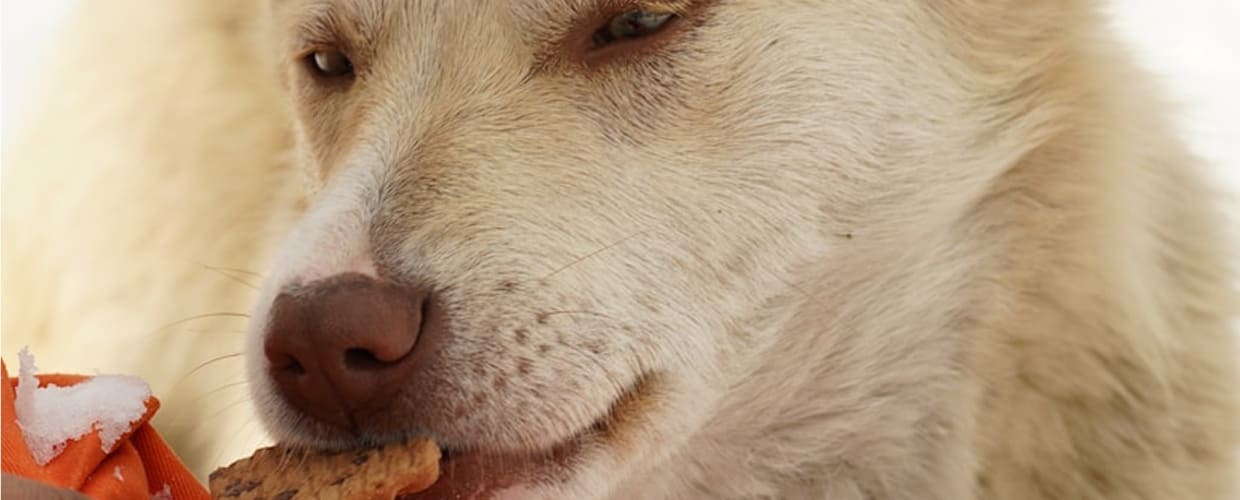
Milk-Bone Soft & Chewy Dog Treats, Beef & Filet Mignon Recipe
Milk-Bone Soft & Chewy Beef & Filet Mignon Recipe dog treats are made with real chuck roast for a delicious, tender texture dogs love. Suitable for dogs of all sizes, these treats come in a 25-ounce container and are fortified with 12 essential vitamins and minerals. A trusted, feel-good reward dogs have loved since 1908.

2 Pack Hemp Calming Chews for Dogs 300 Count with Melatonin-Stress & Anxiety Relief
Calming chews help dogs stay relaxed during thunder, fireworks, travel, vet visits, and separation. Premium ingredients like chamomile, valerian, vitamin B1, melatonin, L-tryptophan, and L-theanine ease tension, boost sleep, and support mood. Works in 30–45 minutes and lasts up to 12 hours. Made in the USA with natural, wheat- and corn-free ingredients in a tasty chicken-flavored soft chew.

Meow Mix Gravy Bursts Dry Cat Food, Chicken, 3 LB Bag
This pet food formula contains corn, wheat, soybean meal, and animal by-product meals, including chicken and turkey. It is preserved with mixed tocopherols and potassium sorbate, and fortified with essential vitamins, minerals, taurine, and amino acids to support overall nutrition. Added flavors, colors, and bone broth enhance taste and appeal.

Vet’s Best Natural Flea and Tick Home Spray
This natural flea & tick spray protects your dog and home by killing fleas, eggs, larvae, ticks, and mosquitoes. Gentle enough for dogs 12 weeks and older, it can be applied directly to skin and used on carpets or furniture without staining. Made with certified natural plant-based ingredients like peppermint oil and eugenol, it’s proven effective and proudly made in the USA.

Nutramax Denamarin Tablets for Dogs
Denamarin chewable tablets, made with SAMe and silybin, help support healthy liver function in dogs of all sizes. Research shows they are safe and effective, offering reliable liver support you can trust. Made by Nutramax Laboratories Veterinary Sciences—the #1 veterinarian-recommended supplement company—Denamarin provides quality care backed by expert confidence.

Petmate Open Top Litter Pan — Best for Easy Cleaning
This covered litter box provides cat privacy with high walls and a wide opening, perfect even for large cats. The grated top helps trap loose litter from paws to keep floors clean. Built-in handles make lifting easy, and a handy hook keeps your scoop within reach. Made in the USA from 95% post-industrial recycled materials, it’s an eco-friendly, practical choice for any home.
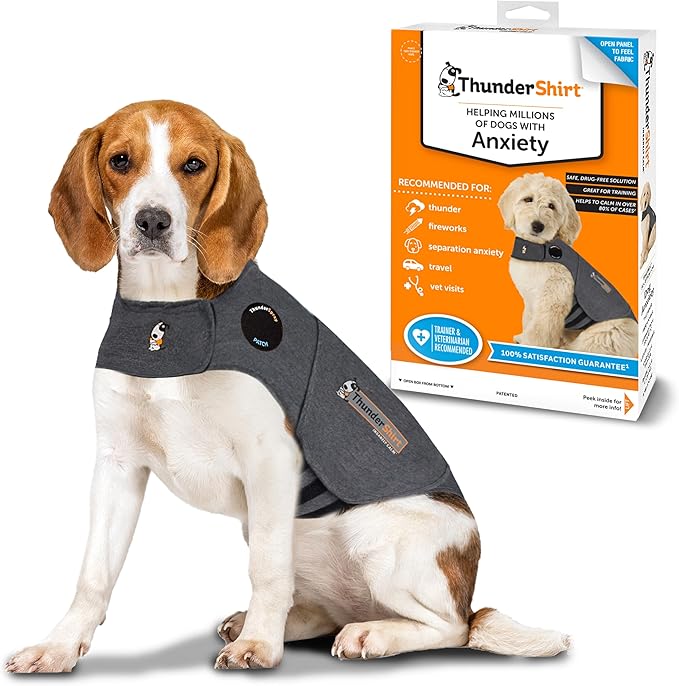
Thundershirt Classic Dog Anxiety Jacket
The ThunderShirt is a patented pressure wrap that naturally calms dogs by applying gentle, constant pressure—similar to swaddling a baby. With an 80% success rate, it helps reduce anxiety from thunder, fireworks, separation, travel, vet visits, and more. It’s easy to use, adjustable, comfortable, machine-washable, and made from soft, breathable fabric.