


Turkey Hot Dog Nutrition: What Pet Parents Should Know
By PawHappiness Team | Updated | 3 minutes read | Dog Nutrition
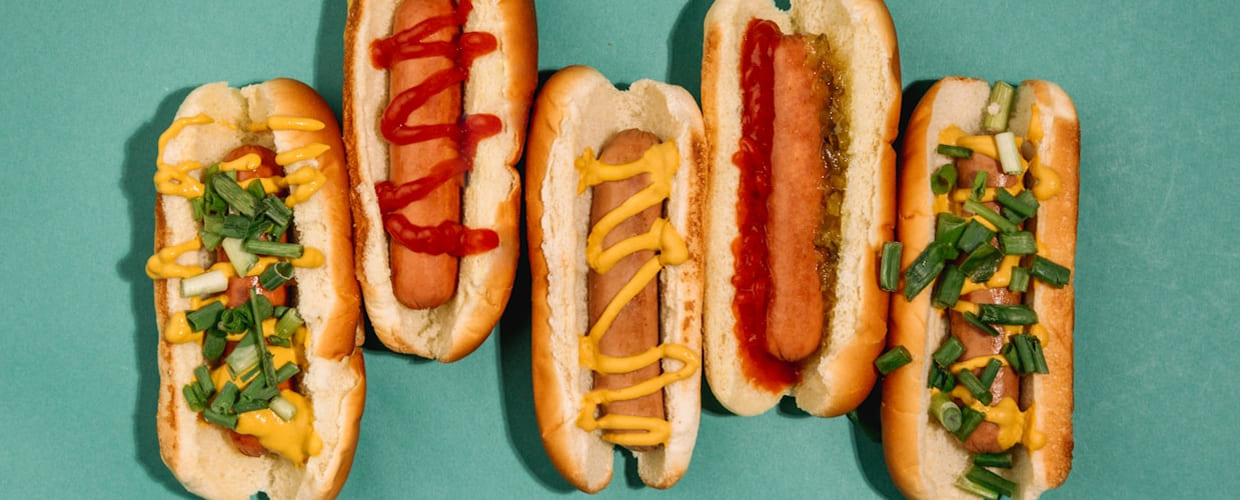
Turkey hot dogs are a popular alternative to traditional beef or pork hot dogs, offering a leaner option for humans. But as a pet parent, you may wonder if it’s safe to share a bite with your dog and what the nutritional impact might be. Understanding turkey hot dog nutrition is key to keeping your furry friend healthy while still allowing them a little taste of this treat. While turkey hot dogs are generally lower in fat and calories than regular hot dogs, they still contain sodium, preservatives, and spices that can affect your dog’s digestive system. In this article, we’ll explore the nutritional profile of turkey hot dogs, the potential risks, and safe ways to include them in your dog’s diet if you choose to share.
Turkey Hot Dog Nutrition Facts
Turkey hot dogs are considered a leaner choice, but it’s important to understand their nutritional content:
- Calories: Typically 120–150 calories per hot dog, depending on size.
- Protein: Provides 6–8 grams of protein, which supports muscle maintenance.
- Fat: Lower than beef hot dogs, often around 5–7 grams per link.
- Sodium: Can be high, usually 400–500 mg per hot dog.
- Additives: Some contain nitrates, preservatives, or seasoning blends.
For dogs, these factors matter—particularly sodium and additives that can lead to digestive upset.
Potential Risks for Dogs
Even though turkey hot dogs are leaner, certain ingredients can be harmful to dogs:
- High sodium: Too much can cause dehydration or strain kidneys.
- Spices or seasoning: Garlic, onion powder, or chili can irritate the stomach and be toxic in large amounts.
- Preservatives: Some dogs may be sensitive, leading to vomiting or diarrhea.
It’s best to limit the portion and avoid giving them frequently.
Safe Ways to Share Turkey Hot Dogs
If you want to give your dog a taste, follow these guidelines:
- Plain turkey hot dogs: Choose links without added spices, onions, or garlic.
- Small portions: Only give a tiny piece as an occasional treat.
- Cook thoroughly: Avoid raw or undercooked hot dogs to reduce bacterial risks.
- Pair with healthy sides: Serve with small amounts of dog-safe veggies like carrots or green beans.
These tips allow your dog to enjoy a special treat safely.
Alternatives for Healthy Treats
Instead of regular turkey hot dogs, consider:
- Homemade mini turkey sausages: Made with lean ground turkey and dog-safe ingredients.
- Freeze-dried turkey treats: Convenient, high in protein, and low in additives.
- Lean protein snacks: Small portions of cooked chicken or turkey breast.
These alternatives provide similar flavor and protein benefits without added risks.
Tips for Moderation
Even safe treats should be given mindfully:
- Limit treat calories: Keep treats under 10% of daily caloric intake.
- Monitor reactions: Watch for digestive upset or changes in energy.
- Hydration: Ensure plenty of water, especially when feeding salty foods.
- Rotate treats: Include a variety of healthy options to maintain balance.
Conclusion
Turkey hot dogs can be an occasional, fun treat for your dog, but understanding their nutrition and potential risks is essential. Leaner than beef hot dogs, they still contain sodium, preservatives, and seasonings that should be limited. By choosing plain options, giving small portions, and considering healthier alternatives, you can safely include turkey hot dogs in your dog’s diet without compromising their health. Moderation, awareness, and safe preparation are the keys to keeping your furry friends happy and healthy while letting them share in the fun occasionally.


Extra Deals & Recommendations From Our Partners
Discover exclusive offers, tools, and products from brands we collaborate with.


Zesty Paws Probiotics for Dogs
This supplement features a six-strain probiotic blend delivering 3 billion CFU, including Bacillus subtilis DE111® and multiple Lactobacillus strains to support digestive balance. Made with natural ingredients like coconut glycerin, flaxseed, pumpkin, papaya, and rosemary extract, it’s free from artificial additives and crafted for quality and effectiveness.

SHARLOVY Dog Squeaky Toys 5 Pack
5 pack dog squeaky toys, cute animal dog toy bundle includes squirrel, cow, fox, wolf, tiger dog toys, all in the long size and stuffing free, suitable for dogs of all breeds to carry. It’s the unique pack on the market, toys for dogs to keep them busy, design for your best furry friend.

Temptations Classic Crunchy and Soft Cat Treats Tasty Chicken Flavor
Cats can’t resist these crunchy-outside, soft-inside treats—just shake the tub and they’ll come running. With under 2 calories per treat, they’re perfect for daily rewards, snacks, meals, or food toppers. These treats are 100% complete and balanced for adult cats, and the resealable stay-fresh tub keeps them tasty and secure.

Love’s cabin Round Donut Cat and Dog Cushion Bed
Love’s cabin donut dog bed features cozy nest-like walls and 25% extra filling to better hold its shape. The round cuddler design lets pets curl up while the raised rim supports the head and neck, easing joint and muscle pain. Made with OEKO-TEX certified ultra-soft fabric, it’s warm, machine washable, and has a non-slip bottom.

FELIWAY Optimum Cat
FELIWAY Optimum is a patented, vet-recommended pheromone diffuser designed to reduce common cat stress behaviors such as scratching, urine spraying, hiding, and conflicts. Drug-free and non-sedating, it mimics natural calming messages to help cats feel safe and relaxed. Proven effective, cat owners reported over 70% improvement. The diffuser releases calming pheromones for up to 30 days and is safe for humans and other pets.

Hot Spot & Itch Relief Skin Cream for Dogs & Cats
Fast-acting skin cream for dogs, cats, and small pets that soothes itching, hot spots, rashes, and minor wounds. Made with natural ingredients, vet-approved, lick-safe, and promotes healthy skin and fur recovery.

Zuke’s Mini Training Treats
Zuke’s Mini Naturals Dog Treats give dogs healthy fuel for daily adventures. Made in the USA with real ingredients like chicken and cherries, they support overall well-being and work great as training rewards. These corn-, wheat-, and soy-free treats come in a resealable pouch for easy travel. Inspired by real adventures since 1995, Zuke’s helps dogs stay energized on every journey.

Life Extension Cat Mix, cat Food Supplements
Cat multivitamin that supports overall health with 10+ essential vitamins, probiotics for digestion, and amino acids like taurine and arginine for heart, eye, and organ health. Made with quality ingredients in the USA.