


Aggressive Dog Training: A Practical Guide for Pet Parents
By PawHappiness Team | Updated | 4 minutes read | Training
Table of Contents
- What Aggressive Dog Behavior Really Means
- Common Causes of Aggression in Dogs
- What Aggressive Dog Training Is — and Isn’t
- First Steps Pet Parents Should Take
- Positive Techniques Used in Aggressive Dog Training
- When to Work With a Professional Trainer
- What Progress Really Looks Like
- Common Mistakes Pet Parents Make
- Supporting Training at Home
- Managing Stress for You and Your Dog
- Long-Term Management and Success
- Conclusion
Living with a dog that shows aggressive behavior can be stressful, confusing, and even scary. One moment your dog is calm, and the next they’re growling, snapping, or lunging at people, other dogs, or everyday situations. Many pet parents feel overwhelmed and wonder where they went wrong. The truth is, aggression doesn’t mean your dog is “bad.” It’s usually a sign of fear, frustration, pain, or unmet needs.
This is where aggressive dog training becomes essential. Training isn’t about dominance or punishment. It’s about understanding what your dog is trying to communicate and teaching safer ways to respond to the world. With the right approach, aggressive behaviors can often be reduced and managed successfully.
In this guide, we’ll break down what aggressive dog training really means, why dogs become aggressive, and how pet parents can take practical, realistic steps toward improvement. Progress takes time, but with patience, consistency, and the right support, positive change is possible for both you and your dog.
What Aggressive Dog Behavior Really Means
Aggression is a behavior, not a personality trait. Dogs use aggressive signals to create distance when they feel threatened or overwhelmed.
Common aggressive behaviors include:
- Growling or snarling
- Snapping or biting
- Lunging on leash
- Guarding food or toys
These behaviors are often warning signs, not sudden attacks.
Common Causes of Aggression in Dogs
Understanding the root cause is a key part of aggressive dog training.
Fear-Based Aggression
Fear is one of the most common causes. Dogs may react aggressively if they feel trapped or unsafe.
Triggers may include:
- Strangers
- Loud noises
- Unfamiliar environments
Fearful dogs are trying to protect themselves.
Resource Guarding
Some dogs become aggressive around food, toys, or even people they value.
Signs include:
- Stiff body posture
- Growling near possessions
- Snapping when approached
This behavior can often be improved with structured training.
Frustration and Leash Reactivity
Dogs that want to greet others but are restrained may react aggressively out of frustration.
This is common during:
- Walks on leash
- Fence interactions
- Busy environments
Pain or Medical Issues
Pain can lower a dog’s tolerance and cause sudden aggression. A vet check is always a good first step.
What Aggressive Dog Training Is — and Isn’t
Aggressive dog training is not about forcing submission. Harsh methods often make aggression worse.
Effective training focuses on:
- Safety and management
- Reducing triggers
- Teaching alternative behaviors
- Building trust
Punishment may suppress behavior temporarily, but it doesn’t solve the root problem.
First Steps Pet Parents Should Take
Before starting any training plan, it’s important to create a safe foundation.
Prioritize Safety
Use tools that help prevent incidents:
- Leashes and harnesses
- Baby gates
- Muzzles (when introduced properly)
Safety protects both your dog and others.
Identify Triggers
Keep track of what sets your dog off.
Ask yourself:
- Who or what was present?
- How close was the trigger?
- What time of day did it happen?
Patterns help guide training decisions.
Positive Techniques Used in Aggressive Dog Training
Most modern trainers rely on science-based, force-free methods.
Desensitization
This means exposing your dog to triggers at a safe distance where they can stay calm.
Over time:
- The distance slowly decreases
- Calm behavior is rewarded
- Emotional responses change
Counterconditioning
This pairs a trigger with something positive, like treats.
For example:
- Dog sees another dog
- Dog gets a high-value treat
- Trigger starts predicting good things
Teaching Alternative Behaviors
Instead of reacting, dogs can learn new responses.
Common alternatives include:
- Looking at you
- Sitting calmly
- Moving away from the trigger
When to Work With a Professional Trainer
Some cases of aggression require expert guidance.
Look for trainers who:
- Specialize in aggressive dog training
- Use positive reinforcement
- Have certifications or experience
For severe cases, a veterinary behaviorist may be recommended.
What Progress Really Looks Like
Aggressive dog training is not a quick fix.
Real progress often looks like:
- Shorter reactions
- Faster recovery
- Increased focus on you
- Fewer intense outbursts
Set realistic expectations and celebrate small improvements.
Common Mistakes Pet Parents Make
Even with good intentions, some actions can slow progress.
Avoid:
- Punishing growls (they are warnings)
- Forcing your dog into scary situations
- Inconsistent rules at home
- Skipping training homework
Consistency matters more than perfection.
Supporting Training at Home
Daily routines play a big role in behavior.
Helpful habits include:
- Regular exercise
- Mental enrichment
- Predictable schedules
- Calm leadership
A fulfilled dog is better able to learn.
Managing Stress for You and Your Dog
Living with an aggressive dog can be emotionally draining.
Take care of yourself by:
- Seeking professional support
- Avoiding comparison to other dogs
- Giving yourself grace
Your calm energy helps your dog feel safer.
Long-Term Management and Success
Some dogs may always need management around certain triggers, and that’s okay.
Success means:
- Improved quality of life
- Safer interactions
- Better communication
- Stronger trust
Training is a journey, not a destination.
Conclusion
Aggressive dog training is about understanding, patience, and practical solutions—not blame or punishment. Aggression is often rooted in fear, frustration, or past experiences, and with the right approach, many dogs can learn safer ways to cope. By focusing on positive methods, identifying triggers, and seeking professional help when needed, pet parents can make meaningful progress. Small steps add up over time. If you’re feeling overwhelmed, remember that help is available, and you’re not alone. With consistency and compassion, a calmer and more confident future is possible for both you and your dog.
Related Articles
Extra Deals & Recommendations From Our Partners
Discover exclusive offers, tools, and products from brands we collaborate with.


The Farmer’s Dog Fresh Beef Recipe Alternative
Blue Buffalo Homestyle Recipe Adult Wet Dog Food offers chicken and beef dinners made with real meat as the first ingredient, plus garden vegetables for a nutritious, home-cooked taste. Free from poultry by-product meals, corn, wheat, and soy, it’s ideal for picky eaters and mixes easily with dry food. A wholesome, flavorful meal that keeps your dog excited every time you open a can.
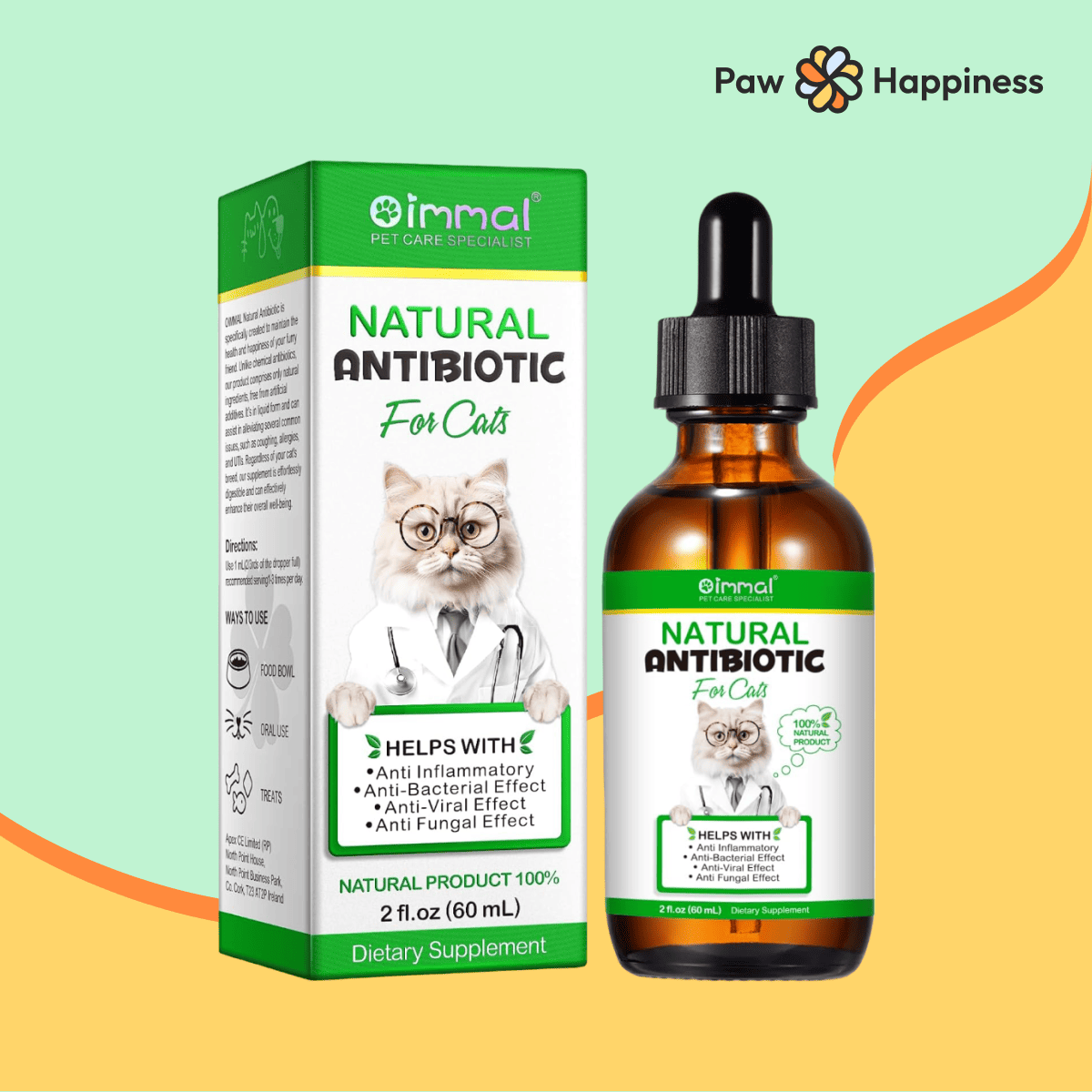
Antibiotics for Cats, Natural Antibiotic Pet
Herbal cat antibiotic drops support ear, skin, urinary, and respiratory infections with Apple Cider Vinegar, Pau D-Arco, Goldenseal & Echinacea. Non-GMO, sugar-free, fast-absorbing, safe for all cats.

Outward Hound Medium Slow Feeder Bowl
This medium slow feeder dog bowl is designed to slow eating up to 10X, making it ideal for fast eaters and small to medium dogs. Holding up to 2 cups of food, its deep, challenging maze helps reduce bloat, regurgitation, and obesity. Non-slip, food-safe, BPA-free, and top-rack dishwasher safe for easy cleaning.

Yaheetech Large Multi-Level Cat Tree
This cat tree offers a cozy, fun layout with a condo, hammock, scratching posts, ladder, perch, and detachable hanging ball. Rounded corners ensure safety, and the hammock hooks make removal easy. An anti-toppling kit adds extra stability by securing it to the wall. Includes a clear manual for easy assembly. A practical, stylish cat house for sleep, play, and relaxation.

Fashion’s Talk Cat Toys Variety Pack for Kitty 20 Pieces
This randomly assembled 20-pack cat toy bundle includes wands, balls, catnip mice, rattles, feathers, and more to keep your cat active and entertained, even when you're away. Helps release energy and reduce boredom. Always supervise play—some items are small. Not indestructible; replace if damaged. A perfect gift set for holidays, birthdays, or everyday fun.

PetSafe Healthy Pet Water Station
The PetSafe Healthy Pet Food Station features an automatic gravity-fed system that ensures your pet always has access to fresh, dry food. With a 4 lb capacity, it’s perfect for daily convenience. The removable stainless steel bowl and BPA-free hopper make cleaning simple, and the spill-locking lid keeps feeding areas tidy. Its slim, modern design fits seamlessly into any home. Backed by PetSafe’s 25 years of trusted innovation, this feeder reflects a global commitment to quality and a mission to support joyful, healthy pet living.

Amazon Basics Dog and Puppy Pee Pads
XL 5-layer leakproof puppy pads with quick-dry gel core, built-in attractant, and strong floor protection.

Rocco & Roxie Stain & Odor Eliminator
Certified gentle and safe, this pet carpet cleaner is chlorine-free and color-safe, approved by the CRI for all carpets. Its powerful enzymes eliminate tough stains and odors from urine, feces, vomit, and other organic spills. Works on carpets, floors, furniture, clothes, and pet areas. Effective, pet-friendly, and backed by a satisfaction guarantee for worry-free cleaning.