


Can You Train a Cat? Practical Tips That Actually Work for Everyday Pet Owners
By PawHappiness Team | Updated | 5 minutes read | Training
Table of Contents
- Why Training Cats Works (Yes, They’re Trainable!)
- Understanding How Cats Learn
- Training Basics for Everyday Cat Owners
- Teaching Basic Commands: Simple and Effective
- Litter Box Training and Behavior Correction
- Training a Cat to Follow Household Rules
- Social Training: Helping Your Cat Be Friendlier
- What Not to Do When Training a Cat
- Signs Your Cat Is Progressing
- Conclusion
If you’ve ever wondered, “Can you train a cat?” you’re definitely not alone. Many pet owners assume cats are too independent, stubborn, or unpredictable to learn commands the way dogs do. But here’s the truth: cats can be trained—just not in the exact same way. They’re smart, curious, and capable of learning routines and behaviors. They just need a different approach that matches their personality.
Maybe your cat scratches the couch, ignores the litter box, or treats the furniture like a playground at 3 a.m. Or maybe you simply want to teach fun tricks like “sit,” “high-five,” or “come.” With the right strategy and some patience, training isn’t just possible—it can strengthen your bond and make life easier for both of you. In this guide, we’ll walk through everything you need to know, from how cats learn to the best tools and techniques to help the process feel natural and fun.
Why Training Cats Works (Yes, They’re Trainable!)
Many people believe cats aren’t trainable because they seem independent. But training a cat isn’t about control—it’s about communication. Cats respond well to positive reinforcement, routine, and consistency. When they learn that good behavior earns rewards, they’re more than happy to repeat it.
Training helps with:
- Reducing unwanted behavior
- Improving mental stimulation
- Strengthening the bond between you and your cat
- Creating a calmer home environment
- Teaching fun tricks
So the question isn’t “Can you train a cat?” but rather, “How can we train them in a way that fits their natural behavior?”
Understanding How Cats Learn
Before diving into training, it helps to understand feline behavior. Cats are motivated by:
- Food rewards
- Play and hunting instincts
- Routine and predictability
- Safety and comfort
They don’t respond well to punishment, loud voices, or physical correction. Instead, cats need positive experiences and clear associations.
The Role of Positive Reinforcement
This is the #1 method in all cat training. When your cat does something good, you immediately reward them so the behavior sticks.
Rewards can include:
- Treats
- Praise
- Petting (if your cat likes it)
- Toys
- Clicker sound
Speaking of clickers, they’re one of the most effective tools in the early stages of training.
Training Basics for Everyday Cat Owners
Let’s walk through the core foundation you need before teaching commands or tricks.
Keep Sessions Short
Cats lose interest quickly. Aim for 3–5 minutes per session, once or twice a day.
Start in a Calm Environment
Choose a quiet room with no distractions.
Train Before Mealtime
Slight hunger = better motivation.
Use High-Value Treats
Not all treats are equal. Choose something your cat absolutely loves.
Be Consistent
Use the same cue words and gestures each time.
Teaching Basic Commands: Simple and Effective
Let’s go through a few common behaviors you can start with today.
Teaching Your Cat to Sit
- Hold a treat above your cat’s head.
- Slowly move it slightly backward.
- When they naturally sit, say “Sit” and reward immediately.
- Repeat until they understand the cue.
Teaching “Come”
This is incredibly useful for safety and daily routines.
- Start by calling their name in a happy tone.
- When they come, reward immediately.
- Repeat daily to build strong association.
Teaching High-Five
A fun trick many cats learn quickly.
- Hold a treat in your hand, letting your cat sniff.
- When they reach for it with their paw, say “High-five!”
- Reward right away.
- Practice until they lift their paw consistently.
Litter Box Training and Behavior Correction
The keyword “Can you train a cat?” also applies to everyday behavior—not just tricks. Here are some of the most common problems and how to solve them.
Fixing Litter Box Issues
If a cat stops using the litter box, it’s usually due to:
- Dirty litter
- Wrong box size
- Stress or territory issues
- Medical problems
Solutions:
- Keep the box clean daily
- Use an uncovered, spacious box
- Place it in a quiet spot
- Try a different type of litter
Stopping Furniture Scratching
Scratching is natural, but the couch shouldn’t be the victim.
Here’s how to redirect:
- Place scratching posts near furniture
- Reward your cat for using the post
- Use catnip to attract them
- Cover furniture temporarily with protective pads
Training a Cat to Follow Household Rules
Cats can learn boundaries—but you must be consistent.
No Counter Rule
- Never reward counter-jumping with food.
- Redirect your cat to an acceptable spot like a cat tree.
- Reward them only when they’re on the approved surface.
- Keep counters clean so there’s no incentive.
Redirecting Night Zoomies
Cats are naturally active at dawn and dusk. To reduce noisy nighttime behavior:
- Increase daytime play
- Feed a larger meal before bedtime
- Create a predictable nighttime routine
Play sessions can help burn excess energy and improve sleep.
Social Training: Helping Your Cat Be Friendlier
If your cat is shy or easily stressed, training can help build confidence.
Try:
- Slow exposure to new people
- Rewarding curious behavior
- Avoiding forced interactions
- Using calming pheromones
Calm cats are more open to learning and socializing.
👉 Amazon: Feliway Classic Cat Calming Diffuser
(A gentle, vet-recommended product for stress relief.)
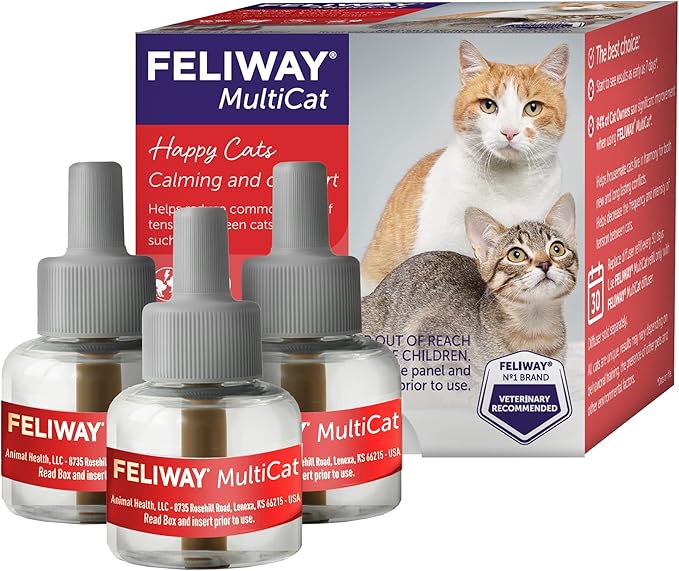
FELIWAY® MultiCat 3 x 30 Day Cat
FELIWAY MultiCat is a vet-recommended pheromone diffuser that helps reduce tension and conflict between cats, including fighting, chasing, and blocking. The drug-free formula provides up to 30 days of calming support per refill and covers up to 700 sq ft. Safe for all cats, it’s an easy, effective way to promote peace in multi-cat homes.
Buy NowWhat Not to Do When Training a Cat
To ensure success, avoid these common mistakes:
- Never yell or punish
- Don’t use spray bottles
- Don’t force physical contact
- Don’t compare cats to dogs
- Don’t expect instant results
Patience is the secret ingredient in all cat training.
Signs Your Cat Is Progressing
You’ll know training is working when your cat:
- Responds to cues
- Shows excitement during sessions
- Chooses good behavior more often
- Displays less stress
- Bonds more closely with you
Celebrate small wins—they add up over time.
Conclusion
So, can you train a cat? Absolutely. Cats are intelligent, capable, and eager to learn when the training style fits their natural instincts. With patience, consistency, and positive reinforcement, you can teach useful behaviors, fun tricks, and better household manners. Training not only makes life easier—it strengthens your bond and keeps your cat mentally happy.
If you want more guides on cat care, behavior, or training tools, feel free to explore our other pet-friendly articles. Your cat’s training journey can start today—one tiny paw-step at a time.
Related Articles






Extra Deals & Recommendations From Our Partners
Discover exclusive offers, tools, and products from brands we collaborate with.


Interactive Dog Treat Puzzle Toys for IQ Training & Mental Stimulating
10x10x1.2 inches. This interactive dog puzzle encourages pets to slide pieces to find treats, boosting IQ and reducing boredom. A built-in squeaker adds extra fun and engagement. Made of food-safe, durable PP (not for chewing), easy to wash and great for slowing eating. Helps ease anxiety and destructive behavior. Always supervise use, and contact us for replacement or refund if needed.

Zuke’s Mini Training Treats
Zuke’s Mini Naturals Dog Treats give dogs healthy fuel for daily adventures. Made in the USA with real ingredients like chicken and cherries, they support overall well-being and work great as training rewards. These corn-, wheat-, and soy-free treats come in a resealable pouch for easy travel. Inspired by real adventures since 1995, Zuke’s helps dogs stay energized on every journey.

Dog Allergy Chews 200ct
Soft allergy chews for dogs that relieve itching, hot spots, and rashes while supporting skin, immune, and gut health with omega-3 salmon oil, colostrum, and probiotics.

Dog Bowl Pet Collapsible Bowls
Collapsible dog bowls fold flat for easy storage and are perfect for travel, hiking, and daily outings. Lightweight and portable, each bowl includes a carabiner to attach to bags or leashes. Made of durable, odorless soft plastic, they hold up to 12 oz of water or 1.5 cups of food. Suitable for small to medium pets and easy to clean, with two colors for food and water.

Veterinary Formula Clinical Care Hot Spot & Itch Relief Spray
Fast-acting oatmeal and aloe shampoo quickly soothes irritated skin, reducing licking and scratching. This vet-recommended, pH-balanced formula softens the coat and helps calm hot spots from allergies, bites, or moisture. Free of parabens, soaps, and dyes, it hydrates and nourishes pets 12+ weeks. Use with the matching conditioner for complete, affordable skin relief.

Sleepypod Clickit Sport Crash-Tested Harness
This durable dog seat belt is made from heavy-duty nylon with reinforced stitching and strong metal hardware to prevent snapping or unbuckling. Its elastic bungee design absorbs sudden pulls for safer, more comfortable rides. The adjustable, tangle-free swivel clip fits most vehicles and attaches easily to any harness. Each pack includes two seat belts and a collapsible water bowl.

Activated Charcoal for Dogs – Ready-to-Use Liquid Formula
ReadyRESCUE activated charcoal keeps pets safe on the go—perfect for camping, hiking, travel, or home emergencies. This easy, vet-approved formula mixes with food, water, or treats for quick toxin binding and fast action. Safe for pets under 30 lbs, it neutralizes toxins before absorption and features a 5-year shelf life, offering reliable protection with no prescription needed.

The Farmer’s Dog Fresh Beef Recipe Alternative
Blue Buffalo Homestyle Recipe Adult Wet Dog Food offers chicken and beef dinners made with real meat as the first ingredient, plus garden vegetables for a nutritious, home-cooked taste. Free from poultry by-product meals, corn, wheat, and soy, it’s ideal for picky eaters and mixes easily with dry food. A wholesome, flavorful meal that keeps your dog excited every time you open a can.