


Four Proven Methods to Help Your Dog Fear Bust: Simple Ways to Build Confidence
By PawHappiness Team | Updated | 4 minutes read | Training
Table of Contents
- Understanding Fear in Dogs
- Method 1: Desensitization — Gradual Exposure Done Right
- Method 2: Counter-Conditioning — Rewriting Your Dog’s Emotional Response
- Method 3: Confidence-Building Activities — Fun Ways to Fear Bust
- Method 4: Comfort Tools & Calming Aids to Support Fear Busting
- Recommended Dog Calming Product (Amazon)
It’s never easy watching your dog struggle with fear—whether it’s loud noises, strangers, car rides, or even something as simple as a vacuum cleaner. Many pet parents search for effective ways to build their dog’s confidence and make daily life less stressful for both ends of the leash. If you’ve been wondering how to help, these Four Proven Methods to Help Your Dog Fear Bust can make a real difference. With the right tools and a little patience, your dog can learn to feel safer, calmer, and more in control of their world.
Every dog has its own personality, past experiences, and sensitivity levels. Some pups bounce back from scary moments quickly, while others carry the fear for days—or even years. In this article, we’ll break down proven, vet-backed techniques you can use at home. These methods are simple, practical, and designed for everyday situations. Whether your dog trembles during thunderstorms or hides when guests arrive, you’ll find strategies that help transform fear into confidence—step by step.
Understanding Fear in Dogs
Before diving into the four proven methods, it helps to understand where fear comes from. Dogs experience fear for many reasons—past trauma, lack of early socialization, genetics, or even sudden changes in their environment. Fear itself isn’t the bad guy; it’s a natural survival response. The goal is not to eliminate fear entirely but to give your dog the tools to cope and recover more quickly.
Signs of fear can include:
- Trembling or shaking
- Hiding or running away
- Pacing
- Panting when not hot
- Refusing treats
- Barking or growling
- Avoidance behavior
Your first step is to observe your dog calmly and identify what triggers their fear. Once you know the “why,” the “how to help” becomes much easier.
Method 1: Desensitization — Gradual Exposure Done Right
One of the Four Proven Methods to Help Your Dog Fear Bust is desensitization. This gradually exposes your dog to the fear trigger at a level so low that it doesn’t spike anxiety. Think of it as easing your dog into a situation instead of pushing them into it.
For example, if your dog is afraid of fireworks, you might:
- Start with low-volume recordings at home.
- Pair the sound with something positive (like treats or affection).
- Increase the volume slowly over days or weeks.
- Never jump too quickly; slow progress is still progress.
The key is consistency. If your dog reacts with fear, you simply lower the intensity and try again later. With time, your dog learns that the trigger isn’t dangerous. This method works well with noise anxiety, fear of cars, or sensitivity to household objects.
Method 2: Counter-Conditioning — Rewriting Your Dog’s Emotional Response
Counter-conditioning goes hand in hand with desensitization. While desensitization reduces fear, counter-conditioning replaces it with something positive. The goal is to create a new emotional connection to the trigger.
For example:
- If your dog is scared of strangers, every time a stranger appears (from a safe distance), you give your dog something amazing—like their favorite treat.
- If your dog is afraid of the vacuum cleaner, reward them any time it’s near but turned off.
- Gradually add movement or sound as your dog gets comfortable.
Over time, your dog begins to think, “Stranger = yummy snacks,” instead of “Stranger = scary.” This method is evidence-based and used by trainers and behaviorists worldwide.
Tips for effective counter-conditioning:
- Use high-value rewards only.
- Keep sessions short—around 2–5 minutes.
- Avoid overwhelming your dog with too much too soon.
- Celebrate small wins!
Method 3: Confidence-Building Activities — Fun Ways to Fear Bust
Confidence naturally reduces fear. When your dog feels capable, secure, and successful in everyday tasks, they’re more likely to bounce back from stressful situations. This is why adding structured, fun activities to your routine is one of the Four Proven Methods to Help Your Dog Fear Bust effectively.
Here are some great confidence-boosting ideas:
Puzzle Toys & Sniffing Games
These encourage mental stimulation and problem-solving. Try hiding treats around the house and letting your dog “hunt” for them.
Basic Training
Simple commands like sit, stay, touch, or leave it can enhance your dog’s sense of mastery. Training doesn’t just teach skills—it builds trust.
Obstacle Courses
Even makeshift obstacles—like stepping over a broomstick or weaving through pillows—can build confidence and body awareness.
Socialization Slowly & Safely
Introduce new environments, people, and objects at your dog’s pace. Positive experiences stack up and help reshape your dog’s feelings about the world.
Confidence-building is one of the most enjoyable ways for owners and dogs to bond while fighting fear.
Method 4: Comfort Tools & Calming Aids to Support Fear Busting
Sometimes, fear needs a little extra help. Tools and calming aids are not a “fix,” but they can help reduce anxiety when combined with the other three methods. These tools support your training and help your dog relax enough to learn and grow.
Common calming aids include:
- Anxiety wraps or vests
- Pheromone diffusers (like Adaptil)
- Calming supplements
- Soothing background noise or white noise
- Weighted blankets
- Soft crates or cozy dens
Used correctly, these tools can make stressful moments more manageable. For example, during thunderstorms, a calming vest paired with desensitization recordings can greatly reduce panic.
Recommended Dog Calming Product (Amazon)
If you’re looking for a simple and effective calming option, this product is widely recommended by dog owners:
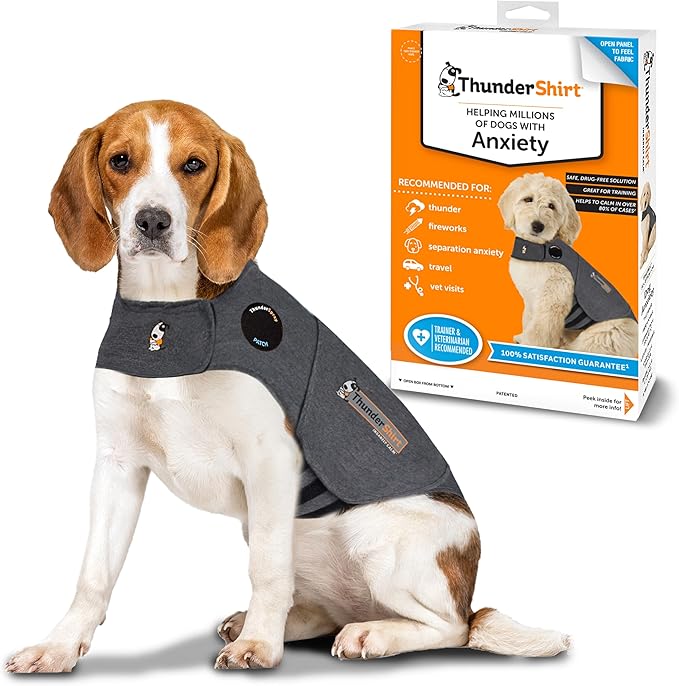
Thundershirt Classic Dog Anxiety Jacket
The ThunderShirt is a patented pressure wrap that naturally calms dogs by applying gentle, constant pressure—similar to swaddling a baby. With an 80% success rate, it helps reduce anxiety from thunder, fireworks, separation, travel, vet visits, and more. It’s easy to use, adjustable, comfortable, machine-washable, and made from soft, breathable fabric.
Buy NowRelated Articles



Extra Deals & Recommendations From Our Partners
Discover exclusive offers, tools, and products from brands we collaborate with.


Zymox Advanced Formula Otic
Gentle cat and dog ear cleaner that soothes itching and redness, targets biofilms from resistant bacteria, fungi, and yeast, no pre-cleaning needed, with LP3 Enzyme System and 1% hydrocortisone.

Vailge Waterproof Dog Hammock Car Seat Cover
This dog car seat cover features side flaps for full backseat and door protection, converting easily from hammock to bench cover or cargo liner. Waterproof 4-layer fabric keeps seats clean from mud, hair, and spills, while nonslip backing and anchors ensure safety. Made with no-smell material and fits most sedans, SUVs, and mid-size trucks. Easy to install and clean for stress-free travel.

Buddy Biscuits Trainers Training Bites Soft & Chewy Dog Treats, Beef, 10 oz. Bag
Buddy Training Bites are bite-sized, low-calorie dog treats made with real pork liver as the first ingredient. With only 1.5 calories per treat, they’re perfect for extended training sessions. Made in the USA with no corn, soy, artificial flavors, or preservatives, each bag includes about 500 tasty treats in recyclable packaging dogs love.

Portable Dog Small Animals Water Bottle
This foldable dog water bottle saves space while offering a larger drinking trough. Its double leak-proof design with sealing rings and a lock button prevents spills, and the one-touch release controls water flow efficiently. Easy to carry with a nylon lanyard, it’s made from safe, food-grade materials, fully removable for cleaning, and suitable for dogs and small pets.

Zesty Paws Dog Multivitamin
8-in-1 multifunctional dog supplement chews supporting joint, heart, immune, skin, gut, liver, and performance health with probiotics, antioxidants, MSM, glucosamine, and cod liver oil.

Activated Charcoal for Dogs – Ready-to-Use Liquid Formula
ReadyRESCUE activated charcoal keeps pets safe on the go—perfect for camping, hiking, travel, or home emergencies. This easy, vet-approved formula mixes with food, water, or treats for quick toxin binding and fast action. Safe for pets under 30 lbs, it neutralizes toxins before absorption and features a 5-year shelf life, offering reliable protection with no prescription needed.

LEVOIT Core P350 Pet Allergies Air Purifier
Choose AHAM-Verifide air purifiers for trusted, independently tested performance and safety. The activated carbon filter neutralizes pet odors, litter smells, and smoke with over 92% deodorization. Perfect for pet parents, Core P350-P reduces sneezing and congestion while eliminating odors. Its pre-filter traps fur, dust, and lint, keeping your home cleaner.

Automatic Cat Feeder, 4L Cat Food Dispenser
This automatic pet feeder ensures smooth, clog-free feeding with a smart food distribution system, eliminating the need for shaking or manual fixes. It features programmable meal scheduling, dual power supply for reliability, a freshness-locking design with desiccant, an anti-theft lid, and a 10-second custom voice recording to call your pet at mealtime.