


Psychiatric Dog: Pet Parents Need to Know About Mental Health
By PawHappiness Team | Updated | 4 minutes read | Training

Table of Contents
- What Is a Psychiatric Dog?
- Psychiatric Dog vs Emotional Support Dog
- Mental Health Conditions a Psychiatric Dog Can Support
- How a Psychiatric Dog Is Trained to Help
- Can Any Dog Become a Psychiatric Dog?
- Raising a Psychiatric Dog as a Pet Parent
- Common Challenges Pet Parents Face
- Legal Considerations Pet Parents Should Know
- Supporting Mental Health Alongside a Psychiatric Dog
- Daily Care and Well-Being of a Psychiatric Dog
- Signs a Psychiatric Dog Needs a Break
- Building a Strong Bond With Your Psychiatric Dog
- Conclusion
Living with anxiety, depression, PTSD, or other mental health challenges can make everyday life feel overwhelming. Many pet parents notice how their dog naturally offers comfort during tough moments—curling up beside them, sensing emotional shifts, or providing a calming presence. This is where the idea of a psychiatric dog often comes into the conversation.
A psychiatric dog is not just a pet that offers emotional comfort. These dogs are trained to support people with diagnosed mental health conditions by performing specific tasks that reduce symptoms and improve daily functioning. For pet parents, understanding what a psychiatric dog truly is—and what it isn’t—can prevent confusion, unrealistic expectations, and misinformation.
In this article, we’ll break down what a psychiatric dog does, how it differs from emotional support animals, and what it takes to raise or train one responsibly. Whether you’re considering a psychiatric dog or simply want to better understand the role these dogs play, this guide will help you make informed, compassionate decisions.
What Is a Psychiatric Dog?
A psychiatric dog is a type of service dog trained to assist individuals with mental health conditions such as PTSD, severe anxiety, panic disorders, or depression.
Unlike regular pets, these dogs are trained to perform specific tasks. These tasks are directly related to mitigating psychiatric symptoms, not just offering comfort.
Examples include:
- Interrupting panic attacks
- Grounding during dissociation
- Reminding owners to take medication
- Creating physical space in public settings
Psychiatric Dog vs Emotional Support Dog
This is one of the most common areas of confusion for pet parents.
Key Differences to Understand
A psychiatric dog:
- Is task-trained
- Has legal public access rights
- Assists with diagnosed mental health conditions
An emotional support animal:
- Provides comfort through presence
- Does not require task training
- Does not have the same public access rights
Understanding this difference helps set realistic expectations.
Mental Health Conditions a Psychiatric Dog Can Support
Psychiatric dogs can help with a range of conditions, depending on training and individual needs.
Common conditions include:
- Post-traumatic stress disorder (PTSD)
- Panic disorder
- Severe anxiety
- Major depressive disorder
- Obsessive-compulsive disorder (OCD)
Each dog is trained based on the handler’s specific symptoms.
How a Psychiatric Dog Is Trained to Help
Training a psychiatric dog focuses on both behavior and task performance.
Task-Based Training
Tasks may include:
- Interrupting repetitive behaviors
- Applying deep pressure therapy
- Guiding the handler to a safe space
- Alerting to rising anxiety
These tasks are taught gradually and reinforced consistently.
Public Access Training
Psychiatric dogs must remain calm in busy environments.
Training includes:
- Ignoring distractions
- Staying focused in crowds
- Responding reliably to commands
This level of training takes time and patience.
Can Any Dog Become a Psychiatric Dog?
Not every dog is suited for psychiatric service work.
Ideal Traits Include
- Calm temperament
- Low reactivity
- Strong bond with the handler
- Confidence in new environments
Breed matters less than personality and training consistency.
Raising a Psychiatric Dog as a Pet Parent
For pet parents involved in the process, daily routines matter.
Helpful habits include:
- Structured schedules
- Positive reinforcement
- Mental enrichment activities
- Regular rest and downtime
A well-balanced dog performs better emotionally and physically.
Common Challenges Pet Parents Face
Caring for a psychiatric dog comes with unique responsibilities.
Emotional Burnout
Training and handling expectations can feel overwhelming.
Public Misunderstanding
Not everyone understands psychiatric dogs or respects boundaries.
Consistency Requirements
Daily training and reinforcement are essential for long-term success.
Acknowledging these challenges early helps prevent frustration.
Legal Considerations Pet Parents Should Know
Psychiatric dogs are protected under service dog laws in many countries, including the U.S.
Important points:
- They are allowed in most public spaces
- Documentation is not always required
- Businesses may only ask limited questions
Knowing your rights helps you advocate respectfully.
Supporting Mental Health Alongside a Psychiatric Dog
A psychiatric dog is part of a broader support system, not a replacement for treatment.
Healthy support includes:
- Therapy or counseling
- Medical care when needed
- Lifestyle routines
- Stress management techniques
Dogs enhance treatment—they don’t replace it.
Daily Care and Well-Being of a Psychiatric Dog
A working dog still needs to be a dog.
Make sure your dog gets:
- Playtime
- Social interaction
- Exercise
- Time off-duty
A happy dog is a reliable partner.
Signs a Psychiatric Dog Needs a Break
Watch for:
- Increased fatigue
- Avoidance behavior
- Stress signals like yawning or pacing
Rest is essential for long-term performance.
Building a Strong Bond With Your Psychiatric Dog
Trust is the foundation of effective service work.
Strengthen your bond by:
- Training with kindness
- Respecting limits
- Celebrating progress
- Maintaining consistency
Strong bonds lead to better outcomes.
Conclusion
A psychiatric dog can be a powerful source of stability, support, and independence for individuals living with mental health conditions. For pet parents, understanding the role, training requirements, and responsibilities involved is essential. These dogs are not just companions—they are skilled partners that require patience, structure, and care. When supported properly, a psychiatric dog can enhance daily life while maintaining their own well-being. If you’re considering this path, take time to learn, plan, and seek professional guidance. With the right approach, the partnership can be deeply rewarding for both human and dog.
Related Articles




Extra Deals & Recommendations From Our Partners
Discover exclusive offers, tools, and products from brands we collaborate with.


Nutro Ultra Grain-Free Turkey Recipe
Nutro Ultra Wet Dog Food delivers a flavorful, nutrient-rich paté made with real chicken as the #1 ingredient, plus lamb and whitefish for a trio of high-quality proteins. Crafted with natural ingredients, vitamins, and minerals, it contains no artificial flavors, colors, or preservatives. This grain-free recipe provides the wholesome, premium nutrition your dog deserves.

300Pcs Dog Eye Wipes Biodegradable, Hypoallergenic Cat Dog Eye Cleaner
Biodegradable pet wipes made from natural materials that break down over time, keeping your pet clean while being eco-friendly. The gentle, paraben-free and fragrance-free formula soothes without irritating eyes, nose, or mouth and helps prevent tear stains. Pre-soaked and easy to use, each soft cotton pad removes dirt and odors and is safe for dogs, cats, rabbits, and more.
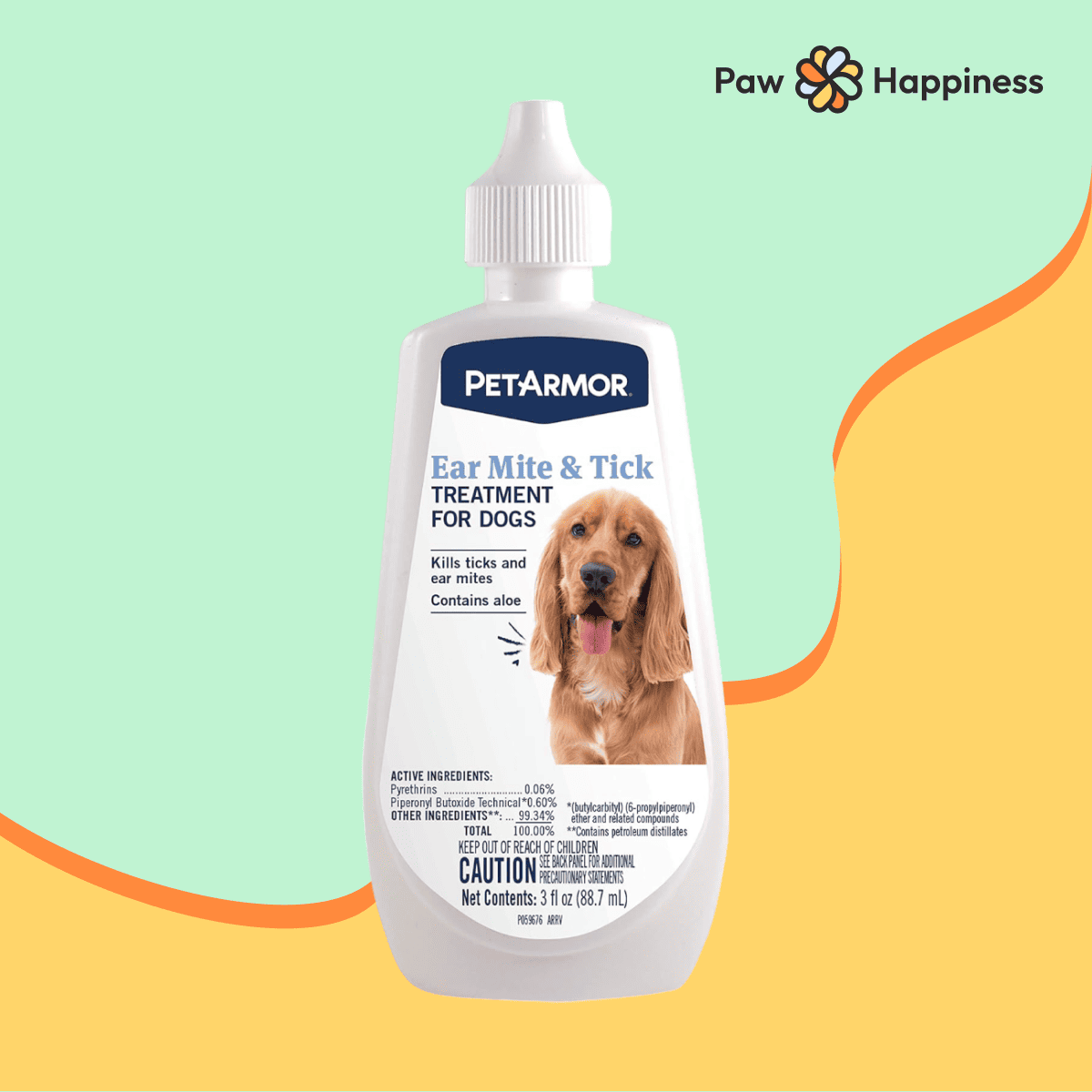
PetArmor Ear Mite Treatment for Dogs
PetArmor Ear Mite & Tick Treatment kills ear mites and ticks while soothing itchy ears with aloe. Safe for dogs 12 weeks and older; apply 5 drops per ear twice daily for effective relief.

INABA Churu Cat Treats, Grain-Free, Lickable
Made with human-grade ingredients like farm-raised chicken and wild-caught tuna, Churu treats keep cats hydrated with 91% moisture and only 6 calories per tube. They’re free from grains, preservatives, artificial colors, and carrageenan, with added taurine for health. These creamy, lickable tubes are perfect for hand-feeding, topping food, or hiding meds, and come in many tasty flavors.

PetSafe Viva Pet Fountain
The PetSafe Viva Pet Fountain encourages healthy hydration with a flowing design and double filtration for cleaner water. Made from BPA-free plastic and stainless steel, it features an LED water level indicator and auto-shutoff. Easy to clean and dishwasher safe, PetSafe delivers vet-recommended quality backed by 25 years of trusted innovation.

Fish Tank, 2.4 Gallon Fish Aquarium
This smart 2.4-gallon multi-functional aquarium combines a self-circulating 3-in-1 filtration pump, ultra-quiet oxygenation, and adjustable 7-color LED lighting for a relaxing display. Made with ultra-clear HD glass, it features a real-time temperature display, feeding port lid, decorative plants, and a built-in aromatherapy humidifier with three spray modes to enhance mood, reduce stress, and create a soothing indoor environment.

Zesty Paws Probiotics for Dogs
This supplement features a six-strain probiotic blend delivering 3 billion CFU, including Bacillus subtilis DE111® and multiple Lactobacillus strains to support digestive balance. Made with natural ingredients like coconut glycerin, flaxseed, pumpkin, papaya, and rosemary extract, it’s free from artificial additives and crafted for quality and effectiveness.

Omega 3 Fish Oil for Cats
Reduce Shedding + Improve Skin and Coat - Plano Paws Wild Caught Omega 3 for Cats is made with pure Anchovies, Herring, Mackerel, and Sardines from the clear ocean waters off the coast of Iceland.