


Why Do Cats Like Catnip? The Fun Science Behind Your Cat’s Favorite Plant
By PawHappiness Team | Updated | 4 minutes read | Wellness
Table of Contents
- What Is Catnip and Why Do Cats Love It?
- How Catnip Affects Your Cat’s Brain
- Different Forms of Catnip and How to Use Them Safely
- 1. Dried Catnip
- 2. Catnip Toys
- 3. Catnip Spray
- 4. Catnip Bubbles
- Safety Tips
- Why Some Cats Don’t React to Catnip
- Benefits of Catnip: More Than Just Fun
- Choosing the Best Catnip Products (With Amazon Link)
- Final Thoughts
When it comes to funny and adorable cat behaviors, few things beat watching your kitty roll, wiggle, purr, and zoom around after smelling catnip. But why do cats like catnip? What is it about this simple herb that makes even the calmest feline act like a playful kitten again? If you’ve ever gifted your cat a catnip-filled toy—or sprinkled a bit on their scratching post—you’ve probably seen their instant joy. And while it all looks hilarious, there’s actually some cool science behind this reaction.
In this article, we’ll explore why cats respond to catnip the way they do, what’s actually going on in their brains, and how you can use catnip safely as part of your cat’s playtime routine. Whether you’re a new cat parent or a long-time feline lover, understanding catnip can help you choose better toys, encourage healthier habits, and even reduce stress in your furry friend.
What Is Catnip and Why Do Cats Love It?
Catnip, also known as Nepeta cataria, is a plant from the mint family that contains a natural chemical called nepetalactone. This is the magical compound responsible for the funny behaviors we see in cats. When cats smell nepetalactone, it triggers receptors in their nose that send signals straight to their brain—specifically the part that controls emotions and behaviors.
Most cats respond with pure excitement. They rub their face on the source, roll around, jump, meow, and sometimes enter full-on zoomie mode. This reaction usually lasts for about 10–15 minutes before the effect wears off.
Not all cats react to catnip, and that’s completely normal. Catnip sensitivity is genetic, meaning some cats simply don’t have the receptors to enjoy it. About 60–70% of cats respond to catnip, while the rest may ignore it entirely.
How Catnip Affects Your Cat’s Brain
So, why do cats like catnip on a deeper level? It all comes down to how nepetalactone interacts with their brain.
When cats inhale the scent, it stimulates the olfactory system, which then activates the amygdala and hypothalamus—the brain regions responsible for emotions and instinctive behaviors. This creates a temporary state that resembles feline “happy excitement.”
Cats may show behaviors like:
- Rolling and rubbing their face
- Purring or chirping
- Zooming around the room
- Drooling
- Sitting in a relaxed daze
- Kicking toys with their back legs
It’s important to note that catnip isn’t harmful or addictive. The effects naturally fade, and cats cannot overdose through normal play. After the reaction stops, cats usually enter a short “reset” period where they won’t respond again temporarily.
Different Forms of Catnip and How to Use Them Safely
Catnip isn’t just limited to the dried leaves you sprinkle on scratching posts. There are various forms you can try depending on your cat’s personality and play preferences.
1. Dried Catnip
This is the most common type and can be sprinkled on:
- Toys
- Scratching posts
- Cat trees
- Cardboard scratchers
Start with a small amount—a little goes a long way.
2. Catnip Toys
These toys are stuffed with dried catnip or infused with the scent. They’re great for encouraging active play.
3. Catnip Spray
A super convenient option. Use it to refresh old toys or make new spaces more exciting.
4. Catnip Bubbles
A fun twist that many playful cats love. Great for interactive bonding.
Safety Tips
- Don’t give catnip more than once a day. Overexposure reduces sensitivity.
- Store catnip in an airtight container to maintain freshness.
- If your cat becomes overstimulated, give them space to calm down.
Why Some Cats Don’t React to Catnip
If you’re wondering, “Why does my cat ignore catnip completely?”—you’re not alone. Not all cats respond to catnip, and that’s totally normal.
Reasons may include:
Genetics
Some cats simply don’t have the gene required to respond. This is true for about 30–40% of cats.
Age
Kittens don’t react to catnip until they’re around 6 months old.
Different Preferences
Some cats prefer silvervine or valerian root, which have a stronger effect for non-catnip responders.
If your cat isn’t into catnip, try introducing these alternatives—you might be surprised by their reaction!
Benefits of Catnip: More Than Just Fun
Catnip isn’t only about entertainment. It can actually support your cat’s overall well-being.
1. Encourages Physical Activity
Catnip can motivate lazy or older cats to move more, helping them stay healthy and mentally sharp.
2. Helps Reduce Stress
When eaten (not just sniffed), catnip has a calming effect. It may help during:
- Travel
- Vet visits
- Introducing new pets
- Changes in routine
3. Supports Good Habits
Sprinkling catnip on a scratching post encourages use—keeping your furniture safe.
4. Bonding Time
Using catnip toys or bubbles can create fun moments between you and your cat.
Choosing the Best Catnip Products (With Amazon Link)
If you’re planning to introduce catnip or upgrade your current toys, look for high-quality, organic options. Freshness plays a big role in how strong the effect will be.
Here’s a trusted catnip product that cat owners love:
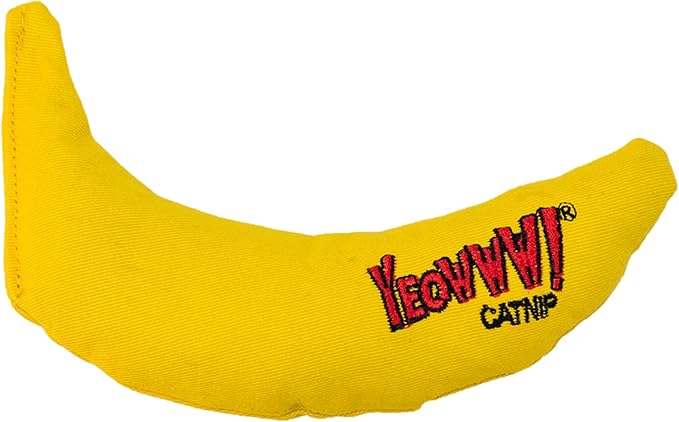
Yeowww! Organic Catnip
Yeowww! Banana Catnip Toy is a capnip toy that actually works! This banana shaped toy is filled with 100% organically grown catnip. Your cat will love the curve of the Yeowww! Banana Catnip Toy and you will love to watch them play with it. 7″ in length Filled with 100% organic catnip Stronger aroma
Buy NowThis product is known for its strong scent and long-lasting freshness—perfect for picky or experienced catnip users.
Final Thoughts
Understanding why cats like catnip helps you provide better enrichment, healthier playtime habits, and a more stress-free environment for your furry friend. Whether your cat responds with zoomies, happy rolling, or quiet relaxation, catnip can be a great tool to improve their daily life. As with anything, moderation is key, but most cats can safely enjoy catnip as part of their play routine.
If your cat turns out to be one of the few that don’t respond, don’t worry—silvervine or valerian root may be the perfect alternative. Explore different options, pay attention to how your cat reacts, and enjoy discovering what makes them happiest.
If you’d like more tips on cat behavior, enrichment ideas, or product recommendations, feel free to explore more of our articles!


Extra Deals & Recommendations From Our Partners
Discover exclusive offers, tools, and products from brands we collaborate with.


PetSafe Healthy Pet Water Station
The PetSafe Healthy Pet Food Station features an automatic gravity-fed system that ensures your pet always has access to fresh, dry food. With a 4 lb capacity, it’s perfect for daily convenience. The removable stainless steel bowl and BPA-free hopper make cleaning simple, and the spill-locking lid keeps feeding areas tidy. Its slim, modern design fits seamlessly into any home. Backed by PetSafe’s 25 years of trusted innovation, this feeder reflects a global commitment to quality and a mission to support joyful, healthy pet living.

Loving Pets Bella Dog Bowls
A durable 27 oz stainless steel bowl with a poly-resin exterior that’s dishwasher-safe and hygienic. Includes a removable rubber base to prevent slipping and spills. Its award-winning design comes in vibrant colors and multiple sizes for dogs and cats. Vet-recommended and perfect for food or water at home or on the go.

Yaheetech Large Multi-Level Cat Tree
This cat tree offers a cozy, fun layout with a condo, hammock, scratching posts, ladder, perch, and detachable hanging ball. Rounded corners ensure safety, and the hammock hooks make removal easy. An anti-toppling kit adds extra stability by securing it to the wall. Includes a clear manual for easy assembly. A practical, stylish cat house for sleep, play, and relaxation.

Dog Bowl Pet Collapsible Bowls
Collapsible dog bowls fold flat for easy storage and are perfect for travel, hiking, and daily outings. Lightweight and portable, each bowl includes a carabiner to attach to bags or leashes. Made of durable, odorless soft plastic, they hold up to 12 oz of water or 1.5 cups of food. Suitable for small to medium pets and easy to clean, with two colors for food and water.

Greenies Veterinarian-Recommended Adult Natural Dental Dog Treats Regular Size
According to the AVMA, 80% of dogs develop dental disease by age 3. Greenies Adult Dental Dog Treats help fight plaque, tartar, bad breath, and support healthy gums. Their chewy, toothbrush-like design cleans down to the gumline, reducing tartar by 47% and plaque by 40% in 28 days. Made with natural ingredients, vitamins, and minerals, these rawhide-free chews are easy to digest and ideal for dogs 25–50 lbs.

FELIWAY Optimum Cat
FELIWAY Optimum is a patented, vet-recommended pheromone diffuser designed to reduce common cat stress behaviors such as scratching, urine spraying, hiding, and conflicts. Drug-free and non-sedating, it mimics natural calming messages to help cats feel safe and relaxed. Proven effective, cat owners reported over 70% improvement. The diffuser releases calming pheromones for up to 30 days and is safe for humans and other pets.

Benebone Wishbone Durable Dog Chew Toy
Built for super chewers, Benebone Wishbone is tougher than real bones and lasts for weeks. Made with 100% real bacon for irresistible flavor dogs love. Its curved, paw-friendly shape makes it easy to grip and chew. Proudly made and sourced in the USA, and backed by a happiness guarantee for you and your pup.

Vailge Waterproof Dog Hammock Car Seat Cover
This dog car seat cover features side flaps for full backseat and door protection, converting easily from hammock to bench cover or cargo liner. Waterproof 4-layer fabric keeps seats clean from mud, hair, and spills, while nonslip backing and anchors ensure safety. Made with no-smell material and fits most sedans, SUVs, and mid-size trucks. Easy to install and clean for stress-free travel.