


Cat Food for Cats with Kidney Disease: A Practical Guide for Pet Parents
By PawHappiness Team | Updated | 4 minutes read | Cat Health
Table of Contents
- Understanding Kidney Disease in Cats
- Why Cat Food for Cats with Kidney Disease Matters So Much
- Key Nutrients to Look for in Cat Food for Cats with Kidney Disease
- Why Low Phosphorus Is So Important
- Wet Food vs Dry Food for Cats with Kidney Disease
- Prescription Diets vs Over-the-Counter Options
- How to Transition to Cat Food for Cats with Kidney Disease
- What If My Cat Refuses Kidney Diet Food?
- Feeding Tips to Support Kidney Health at Home
- Signs the Diet Is Helping Your Cat
- When to Revisit Your Cat’s Diet with a Vet
- Supporting Your Cat Beyond Food
- Final Thoughts on Cat Food for Cats with Kidney Disease
Finding out that your cat has kidney disease can be overwhelming. Many pet parents feel worried, confused, and unsure of what to do next—especially when it comes to food. Choosing the right cat food for cats with kidney disease is one of the most important steps you can take to support your cat’s health and comfort.
Kidney disease, especially chronic kidney disease (CKD), is common in older cats. While it can’t be cured, the right diet can slow progression, reduce symptoms, and help your cat feel better day to day. The challenge is that not all cat food is created with kidney health in mind, and some common ingredients can actually make things worse.
The good news is that with a better understanding of what your cat’s kidneys need—and what they don’t—you can make informed, confident food choices. This guide breaks everything down in a clear, practical way so you can focus on what matters most: helping your cat live a happier, more comfortable life.
Understanding Kidney Disease in Cats
Kidneys play a vital role in filtering waste, balancing fluids, and maintaining overall health.
When a cat has kidney disease, those filters don’t work as well. Waste products build up in the body, leading to symptoms like increased thirst, frequent urination, weight loss, and reduced appetite.
Chronic kidney disease usually develops slowly, which is why diet becomes such a powerful long-term management tool.
Why Cat Food for Cats with Kidney Disease Matters So Much
Diet directly affects how hard the kidneys have to work.
Specially formulated cat food for cats with kidney disease helps by:
- Reducing waste buildup in the bloodstream
- Supporting hydration
- Maintaining muscle mass without overloading the kidneys
Food isn’t just fuel—it’s part of your cat’s treatment plan.
Key Nutrients to Look for in Cat Food for Cats with Kidney Disease
Not all nutrients affect kidneys the same way. Some need to be limited, while others become even more important.
Look for food that focuses on:
- Controlled protein levels (high quality, not excessive)
- Low phosphorus content
- Added omega-3 fatty acids for inflammation support
- Balanced electrolytes
Quality matters more than quantity when it comes to protein.
Why Low Phosphorus Is So Important
Phosphorus is one of the biggest dietary concerns for cats with kidney disease.
High phosphorus levels can:
- Speed up kidney damage
- Increase nausea and poor appetite
- Worsen overall symptoms
Most kidney-support diets significantly reduce phosphorus to protect remaining kidney function.
Wet Food vs Dry Food for Cats with Kidney Disease
Hydration is critical for kidney health.
Wet food benefits:
- Higher moisture content
- Helps prevent dehydration
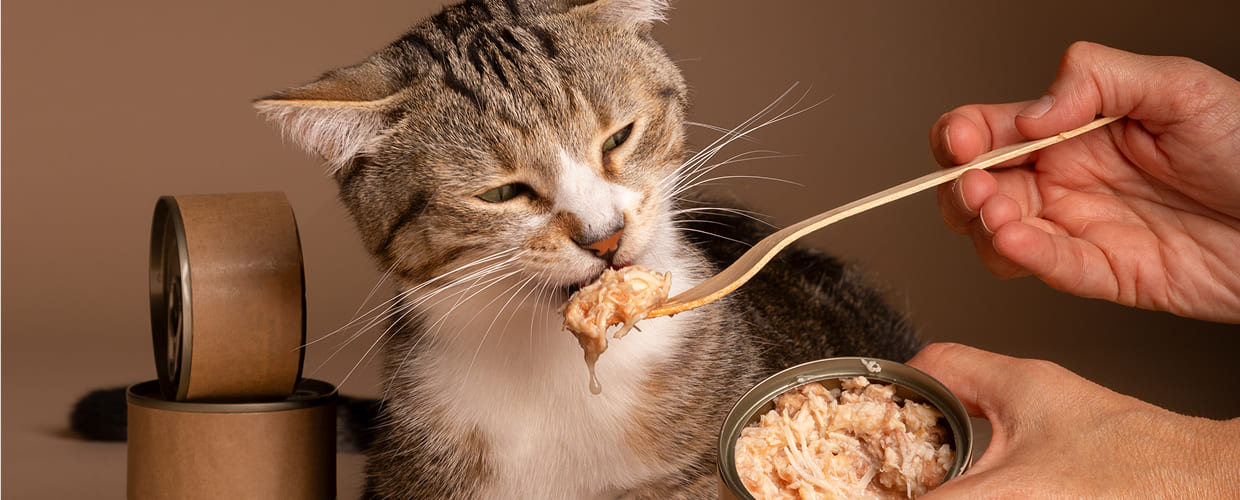
- Easier for many cats to eat
Dry food benefits:
- Convenient
- Longer shelf life
Many vets recommend wet food or a mixed approach to support fluid intake.
Prescription Diets vs Over-the-Counter Options
Prescription kidney diets are often recommended for a reason.
They are:
- Carefully formulated for kidney support
- Clinically tested
- Balanced for long-term use
Some over-the-counter foods can work, but always compare phosphorus and protein levels—and talk to your vet before switching.
How to Transition to Cat Food for Cats with Kidney Disease
Cats are sensitive to sudden food changes.
A gentle transition helps prevent stomach upset:
- Mix a small amount of the new food with the old
- Slowly increase over 7–10 days
- Watch appetite and litter box habits
Patience is key, especially for picky eaters.
What If My Cat Refuses Kidney Diet Food?
This is very common—and very frustrating.
Try:
- Warming wet food slightly
- Offering smaller, more frequent meals
- Trying different textures or flavors
- Mixing approved toppers recommended by your vet
Eating something kidney-friendly is better than eating nothing at all.
Feeding Tips to Support Kidney Health at Home
Daily habits can make a real difference.
Helpful tips include:
- Always provide fresh, clean water
- Use water fountains to encourage drinking
- Measure portions to avoid under- or overfeeding
- Keep feeding routines consistent
Small changes add up over time.
Signs the Diet Is Helping Your Cat
You may not see overnight changes, but improvements often appear gradually.
Positive signs include:
- Improved appetite
- More stable weight
- Better energy levels
- Reduced vomiting or nausea
Regular vet checkups help confirm progress internally.
When to Revisit Your Cat’s Diet with a Vet
Kidney disease changes over time.
Talk to your vet if your cat:
- Loses interest in food
- Loses weight rapidly
- Shows new symptoms
- Has changes in lab results
Diet adjustments are often needed as the disease progresses.
Supporting Your Cat Beyond Food
While diet is crucial, it’s only one part of care.
Additional support may include:
- Medications
- Phosphate binders
- Fluid therapy
- Regular blood and urine tests
A team approach helps maintain quality of life.
Final Thoughts on Cat Food for Cats with Kidney Disease
Choosing the right cat food for cats with kidney disease is one of the most loving and impactful decisions you can make for your pet. While kidney disease can feel scary, proper nutrition gives you a powerful way to support your cat’s comfort, energy, and well-being every day.
Focus on low phosphorus, controlled protein, and hydration. Take transitions slowly, watch your cat closely, and work with your vet as needs change. With patience and the right choices, many cats with kidney disease continue to enjoy good quality of life for years.
If you’d like to learn more about managing kidney disease or exploring diet options, trusted resources and professional guidance can help you feel more confident every step of the way.
Related Articles



Extra Deals & Recommendations From Our Partners
Discover exclusive offers, tools, and products from brands we collaborate with.


Stella & Chewy’s Freeze- Dinner Patties (High Protein)
Stella & Chewy’s provides wholesome, natural nutrition with raw, simple, limited-ingredient recipes. Each batch starts with 85%+ meat, organs, and bone—often from a single protein source—ideal for pets with sensitivities. Proteins are grass-fed, cage-free, or wild-caught, and all produce is organic. Made in the USA, these raw, grain-free meals help pets thrive as nature intended.

TheraTears Omega 3 Supplement for Eye Care
TheraTears Omega-3 supplements provide 1200mg of key nourishment to support eye health. This clinically tested blend of triglyceride fish oil, organic flaxseed oil, and vitamin E delivers 450mg EPA, 300mg DHA, and 450mg ALA per serving to promote eye comfort. Created by an ophthalmologist and recommended by doctors, TheraTears helps restore balance and hydration to dry eyes.

Nutricost Taurine Powder 250 Grams
This taurine supplement provides 250 grams per bottle with a convenient 2-gram serving size and included scoop for easy dosing. It is Non-GMO, gluten-free, and third-party tested to ensure quality and purity. Manufactured in an NSF-certified, GMP-compliant, and FDA-registered facility, it offers a reliable and high-quality option for daily supplementation.

Temptations Classic Crunchy and Soft Cat Treats Tasty Chicken Flavor
Cats can’t resist these crunchy-outside, soft-inside treats—just shake the tub and they’ll come running. With under 2 calories per treat, they’re perfect for daily rewards, snacks, meals, or food toppers. These treats are 100% complete and balanced for adult cats, and the resealable stay-fresh tub keeps them tasty and secure.

NaturVet – ArthriSoothe-Gold Advanced Care Liquid
Liquid joint supplement for dogs & cats with glucosamine, MSM, chondroitin,and antioxidants to support mobility, cartilage health, and joint comfort. Vet-approved, made in the USA.

Instant Pot Duo 7-in-1 Electric Pressure Cooker
Enjoy 7 cooking functions in one appliance—pressure cook, slow cook, sauté, steam, make rice, yogurt, or keep food warm. With 13 smart one-touch programs, meals are easy and customizable. The Easy-Release switch provides safe steam release. Cook up to 70% faster, using the pro-grade stainless steel pot. A 6-quart size fits family meals, and the dishwasher-safe lid and pot make cleanup simple.

Nutramax Denamarin Tablets for Dogs
Denamarin chewable tablets, made with SAMe and silybin, help support healthy liver function in dogs of all sizes. Research shows they are safe and effective, offering reliable liver support you can trust. Made by Nutramax Laboratories Veterinary Sciences—the #1 veterinarian-recommended supplement company—Denamarin provides quality care backed by expert confidence.

Portable Dog Small Animals Water Bottle
This foldable dog water bottle saves space while offering a larger drinking trough. Its double leak-proof design with sealing rings and a lock button prevents spills, and the one-touch release controls water flow efficiently. Easy to carry with a nylon lanyard, it’s made from safe, food-grade materials, fully removable for cleaning, and suitable for dogs and small pets.