


Healthy Cat Food: How to Choose the Best Diet for a Happier
By PawHappiness Team | Updated | 4 minutes read | Cat Health
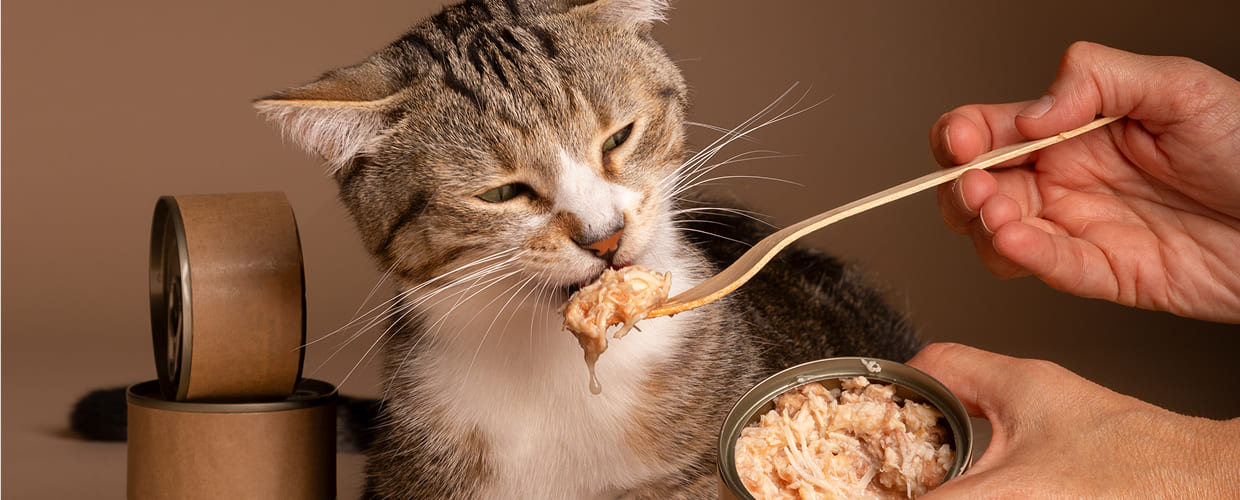
Table of Contents
- What Does Healthy Cat Food Really Mean?
- Why Nutrition Matters So Much for Cats
- Key Ingredients to Look for in Healthy Cat Food
- Ingredients to Avoid in Cat Food
- Wet Food vs Dry Food: Which Is Healthier?
- How Healthy Cat Food Supports Weight Management
- Choosing Healthy Cat Food for Different Life Stages
- Common Feeding Mistakes Pet Parents Make
- How to Transition to Healthy Cat Food Safely
- Signs Your Cat Is Eating the Right Food
- When to Talk to Your Vet About Cat Nutrition
- Final Thoughts on Choosing Healthy Cat Food
Choosing healthy cat food can feel overwhelming for many pet parents. You walk down the pet food aisle or scroll online, and suddenly you’re faced with endless options—grain-free, high-protein, organic, raw, wet, dry, and everything in between. Every brand claims to be the best, but your cat can’t exactly tell you which one makes them feel their best.
The truth is, food plays a huge role in your cat’s overall health. The right diet supports strong immunity, a shiny coat, healthy digestion, and steady energy levels. On the flip side, poor nutrition can lead to weight issues, digestive upset, dull fur, and long-term health problems that are costly and stressful.
The good news? You don’t need to be a feline nutrition expert to make better choices. With a little guidance and a better understanding of ingredients and feeding habits, you can confidently choose food that truly supports your cat’s well-being. This guide will help you understand what healthy cat food really means—and how to find the best option for your furry companion.
What Does Healthy Cat Food Really Mean?
Healthy cat food is more than just a trendy label.
Cats are obligate carnivores, which means their bodies are designed to thrive on animal-based protein. A healthy diet focuses on meeting those natural needs rather than filling bowls with unnecessary fillers.
At its core, healthy cat food should:
- Provide high-quality animal protein
- Include essential vitamins and minerals
- Be easy to digest
- Support your cat’s life stage and lifestyle
Why Nutrition Matters So Much for Cats
What your cat eats affects nearly every part of their body.
Good nutrition supports:
- Muscle strength and healthy weight
- Strong immune system
- Healthy skin and glossy coat
- Proper digestion and gut health
Over time, feeding low-quality food can contribute to obesity, urinary issues, and chronic inflammation.
Key Ingredients to Look for in Healthy Cat Food
Reading ingredient labels can feel confusing, but a few basics go a long way.
Look for:
- Named animal proteins (chicken, turkey, salmon, beef) as the first ingredient
- Animal-based fats for energy and skin health
- Taurine, an essential amino acid cats must get from food
- Balanced vitamins and minerals
The shorter and clearer the ingredient list, the better.
Ingredients to Avoid in Cat Food
Not all ingredients are harmful, but some offer little nutritional value.
Try to limit or avoid foods with:
- Excessive fillers like corn, wheat, or soy
- Artificial colors and flavors
- Added sugars or sweeteners
- Unnamed meat by-products
These ingredients don’t support your cat’s long-term health.
Wet Food vs Dry Food: Which Is Healthier?
Both wet and dry food can be part of a healthy diet.
Wet food benefits:
- Higher moisture content
- Better hydration
- Often higher protein
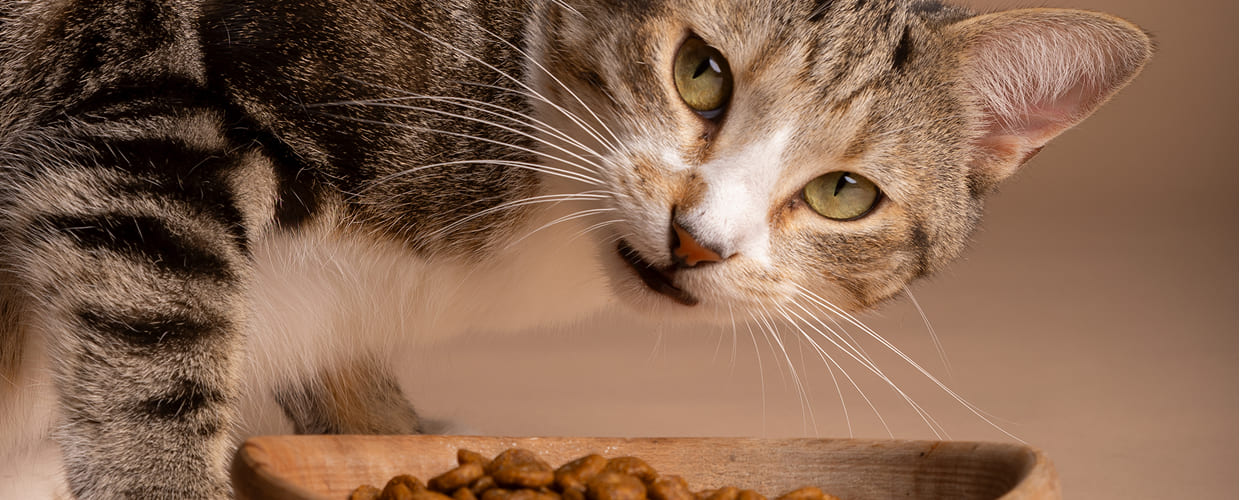
Dry food benefits:
- Convenient and budget-friendly
- Helps with dental wear (to a small extent)
Many pet parents choose a combination to balance hydration and convenience.
How Healthy Cat Food Supports Weight Management
Maintaining a healthy weight is one of the biggest challenges for indoor cats.
Healthy cat food helps by:
- Providing protein that keeps cats fuller longer
- Reducing unnecessary carbohydrates
- Supporting lean muscle instead of fat gain
Portion control matters just as much as food quality.
Choosing Healthy Cat Food for Different Life Stages
Cats have different nutritional needs as they age.
Kittens need:
- Higher calories
- Extra protein and fat
- Nutrients for growth
Adult cats need:
- Balanced maintenance diets
- Weight and digestion support
Senior cats benefit from:
- Easily digestible protein
- Joint-supporting nutrients
Always check the label for life-stage suitability.
Common Feeding Mistakes Pet Parents Make
Even with healthy food, habits matter.
Common mistakes include:
- Overfeeding treats
- Free-feeding without portion control
- Sudden food changes
- Ignoring your cat’s activity level
Small adjustments can make a big difference over time.
How to Transition to Healthy Cat Food Safely
Cats can be picky, and sudden changes may upset their stomachs.
A slow transition works best:
- Mix a small amount of new food with the old
- Gradually increase over 7–10 days
- Monitor appetite and litter box habits
Patience helps avoid digestive issues.
Signs Your Cat Is Eating the Right Food
Healthy cat food shows results you can see.
Positive signs include:
- Consistent energy levels
- Shiny, soft coat
- Healthy weight
- Regular digestion
If your cat seems happier and more active, you’re on the right track.
When to Talk to Your Vet About Cat Nutrition
Every cat is unique.
Consult your vet if your cat:
- Has allergies or sensitivities
- Suffers from chronic conditions
- Experiences sudden weight changes
- Refuses food consistently
Professional guidance helps tailor nutrition to your cat’s needs.
Final Thoughts on Choosing Healthy Cat Food
Choosing healthy cat food doesn’t have to be complicated or stressful. By focusing on quality ingredients, proper portions, and your cat’s individual needs, you’re already doing a great job as a pet parent. Small, thoughtful choices add up over time and can greatly improve your cat’s comfort, energy, and overall health.
Remember, the best food is one that your cat enjoys and that supports their long-term well-being. If you’re unsure where to start, take it one step at a time and don’t hesitate to learn more or ask for expert advice. Your cat depends on you—and the effort you put into their nutrition truly matters.
Related Articles




Extra Deals & Recommendations From Our Partners
Discover exclusive offers, tools, and products from brands we collaborate with.


Milk-Bone Soft & Chewy Dog Treats, Beef & Filet Mignon Recipe
Milk-Bone Soft & Chewy Beef & Filet Mignon Recipe dog treats are made with real chuck roast for a delicious, tender texture dogs love. Suitable for dogs of all sizes, these treats come in a 25-ounce container and are fortified with 12 essential vitamins and minerals. A trusted, feel-good reward dogs have loved since 1908.

Hill’s Science Diet Sensitive Stomach & Skin
Give your small or mini breed dog the precise nutrition they need with Hill’s Science Diet Small & Mini Adult. Made with easy-to-digest ingredients like pumpkin, it supports healthy digestion and stool quality. Balanced protein, fats, and carbs help maintain ideal weight, while a proprietary antioxidant blend boosts lifelong immune health in a kibble perfect for small dogs.

Zesty Paws Probiotics for Dogs
This supplement features a six-strain probiotic blend delivering 3 billion CFU, including Bacillus subtilis DE111® and multiple Lactobacillus strains to support digestive balance. Made with natural ingredients like coconut glycerin, flaxseed, pumpkin, papaya, and rosemary extract, it’s free from artificial additives and crafted for quality and effectiveness.
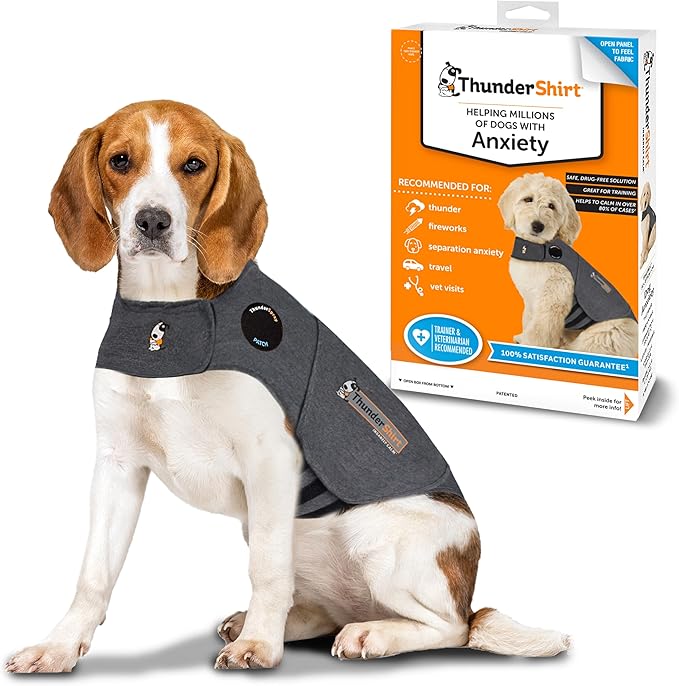
Thundershirt Classic Dog Anxiety Jacket
The ThunderShirt is a patented pressure wrap that naturally calms dogs by applying gentle, constant pressure—similar to swaddling a baby. With an 80% success rate, it helps reduce anxiety from thunder, fireworks, separation, travel, vet visits, and more. It’s easy to use, adjustable, comfortable, machine-washable, and made from soft, breathable fabric.

Natural Hemp Calming Chews for Dogs Maximum Strength
This natural calming formula blends Valerian Root, Chamomile, Passion Flower, Hemp Seed, Ashwagandha, and Lemon Balm to help reduce stress and anxiety. L-Theanine, L-Tryptophan, Magnesium, and Melatonin support relaxation and restful sleep, while ginger aids digestion. Made with wholesome ingredients like pumpkin, sweet potato, coconut oil, and natural duck flavor for a tasty, gentle, and effective calming supplement.

Instant Pot Duo 7-in-1 Electric Pressure Cooker
Enjoy 7 cooking functions in one appliance—pressure cook, slow cook, sauté, steam, make rice, yogurt, or keep food warm. With 13 smart one-touch programs, meals are easy and customizable. The Easy-Release switch provides safe steam release. Cook up to 70% faster, using the pro-grade stainless steel pot. A 6-quart size fits family meals, and the dishwasher-safe lid and pot make cleanup simple.
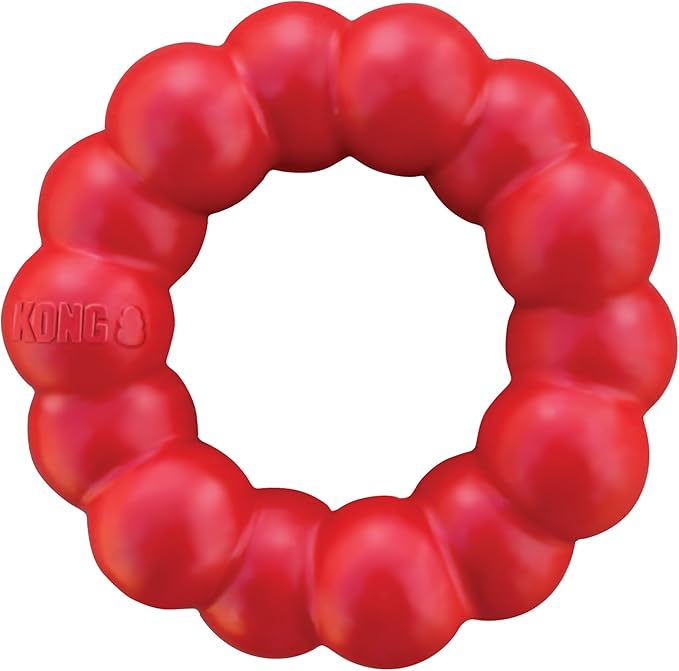
KONG Puppy Toy for Stress Relief
The KONG Ring is a durable chew toy made from KONG’s natural red rubber, designed for long-lasting chewing sessions. Its added nubs enhance the chewing experience while helping clean teeth and support healthy gums. This toy provides enrichment, satisfies natural chewing instincts, and encourages healthy chewing habits.

Amazon Basics Dog and Puppy Pee Pads
XL 5-layer leakproof puppy pads with quick-dry gel core, built-in attractant, and strong floor protection.