


Healthy Cat Weight: How to Tell If Your Cat Is at a Healthy Size
By PawHappiness Team | Updated | 4 minutes read | Cat Health
Table of Contents
- What Does a Healthy Cat Weight Really Mean?
- Why Maintaining a Healthy Cat Weight Matters
- Signs Your Cat May Be Overweight
- Signs Your Cat May Be Underweight
- Common Causes of Unhealthy Cat Weight
- How to Check Your Cat’s Weight at Home
- Feeding Tips to Support a Healthy Cat Weight
- The Role of Play in Maintaining a Healthy Cat Weight
- Healthy Cat Weight for Indoor Cats
- Weight Management for Senior Cats
- When to Talk to Your Veterinarian
- Final Thoughts on Maintaining a Healthy Cat Weight
If you’ve ever picked up your cat and wondered, “Are you supposed to feel this heavy?”—you’re not alone. Many pet parents struggle to understand what a healthy cat weight really looks like. Cats are masters at hiding health issues, and weight changes often happen so gradually that they’re easy to miss.
An unhealthy weight, whether too high or too low, can affect your cat’s energy, comfort, and long-term health. Extra weight can put stress on joints and organs, while being underweight may signal illness or nutritional problems. The good news is that with a few simple habits and the right information, keeping your cat at a healthy weight is very achievable.
In this guide, we’ll break down how to tell if your cat’s weight is healthy, what factors influence it, and practical steps you can take at home. Small changes can make a big difference in helping your cat live a longer, happier life.
What Does a Healthy Cat Weight Really Mean?
A healthy cat weight isn’t a single number. It depends on your cat’s breed, age, body type, and lifestyle.
Most average adult cats weigh between 8 and 12 pounds, but that doesn’t apply to every cat. Larger breeds may naturally weigh more, while smaller cats may be healthy at a lower number.
Instead of focusing only on the scale, vets often look at body condition. A healthy cat should have:
- A visible waist when viewed from above
- Ribs you can feel but not see
- A small fat pad on the belly (not a swinging pouch)
Why Maintaining a Healthy Cat Weight Matters
Keeping your cat at a healthy weight isn’t just about appearance. It directly affects their quality of life.
Cats at a healthy weight are more likely to:
- Stay active and playful
- Have healthier joints and mobility
- Lower their risk of diabetes and heart disease
- Live longer, more comfortable lives
Weight issues often lead to chronic conditions that are harder to manage later on.
Signs Your Cat May Be Overweight
Cat weight gain often happens slowly, making it easy to overlook.
Common signs include:
- Difficulty jumping onto furniture
- Less interest in play
- Heavy breathing after minimal activity
- A round body shape with no visible waist
If your cat feels solid or you can’t feel their ribs easily, weight gain may be an issue.
Signs Your Cat May Be Underweight
Being underweight can be just as concerning as being overweight.
Watch for:
- Visible ribs or spine
- Low energy levels
- Dull or thinning coat
- Increased hunger without weight gain
Sudden weight loss should always be discussed with a veterinarian.
Common Causes of Unhealthy Cat Weight
Several everyday factors can affect your cat’s weight.
Diet Choices
Free-feeding or high-calorie treats can quickly lead to weight gain.
Lack of Activity
Indoor cats may not get enough movement without encouragement.
Age and Metabolism
Older cats often slow down and burn fewer calories.
Medical Conditions
Thyroid issues, diabetes, or digestive problems can affect weight.
How to Check Your Cat’s Weight at Home
You don’t need special tools to monitor your cat’s weight.
Try these simple steps:
- Gently feel along your cat’s ribs and spine.
- Look at their body shape from above and the side.
- Weigh your cat monthly using a home scale.
Consistency matters more than perfection.
Feeding Tips to Support a Healthy Cat Weight
What and how much your cat eats plays a big role in weight management.
Helpful feeding tips include:
- Measure food portions instead of guessing
- Follow feeding guidelines based on your cat’s age and activity
- Limit treats to no more than 10% of daily calories
- Choose high-quality food with clear nutrition labels
Small portion adjustments can lead to steady, healthy changes.
The Role of Play in Maintaining a Healthy Cat Weight
Exercise doesn’t have to be complicated.
Simple ways to keep your cat moving:
- Use interactive toys like feather wands or laser pointers
- Schedule short play sessions 2–3 times a day
- Encourage climbing with cat trees or shelves
Even 10 minutes of play can make a difference.
Healthy Cat Weight for Indoor Cats
Indoor cats are more prone to weight gain due to limited space.
To support indoor cats:
- Rotate toys to keep them interesting
- Add puzzle feeders for mental stimulation
- Create vertical spaces to climb and explore
Mental engagement often leads to more physical activity.
Weight Management for Senior Cats
Senior cats need special attention when it comes to weight.
Older cats may:
- Lose muscle mass
- Need more protein
- Have dental or joint issues affecting eating
Regular vet checkups help ensure weight changes are age-related and not medical.
When to Talk to Your Veterinarian
You should consult your vet if:
- Your cat gains or loses weight quickly
- Diet changes aren’t helping
- Your cat shows signs of illness
A vet can help set a realistic healthy cat weight goal and rule out underlying issues.
Final Thoughts on Maintaining a Healthy Cat Weight
Keeping your cat at a healthy weight is one of the most loving things you can do as a pet parent. It supports their comfort, energy, and long-term health while helping prevent many common medical problems. By paying attention to portion sizes, encouraging regular play, and monitoring changes early, you can make weight management part of your daily routine.
Every cat is unique, and healthy weight looks different for each one. If you’re ever unsure, a quick check with your veterinarian can provide clarity and peace of mind. With consistent care and small adjustments, your cat can enjoy a balanced, active, and happy life for years to come.
Related Articles


Extra Deals & Recommendations From Our Partners
Discover exclusive offers, tools, and products from brands we collaborate with.


Amazon Basics Cat Scratcher – Indoor Classic Single Cat
This cat scratching post gives your feline a dedicated place to sharpen claws and maintain healthy nails. Made with natural jute fiber, it offers an ideal scratching surface while the sturdy base helps prevent tipping. It includes a replaceable dangling toy for added fun and helps redirect scratching away from furniture and carpets. Perfect for everyday use and easy to spot clean.

Vet’s Best Natural Flea and Tick Home Spray
This natural flea & tick spray protects your dog and home by killing fleas, eggs, larvae, ticks, and mosquitoes. Gentle enough for dogs 12 weeks and older, it can be applied directly to skin and used on carpets or furniture without staining. Made with certified natural plant-based ingredients like peppermint oil and eugenol, it’s proven effective and proudly made in the USA.
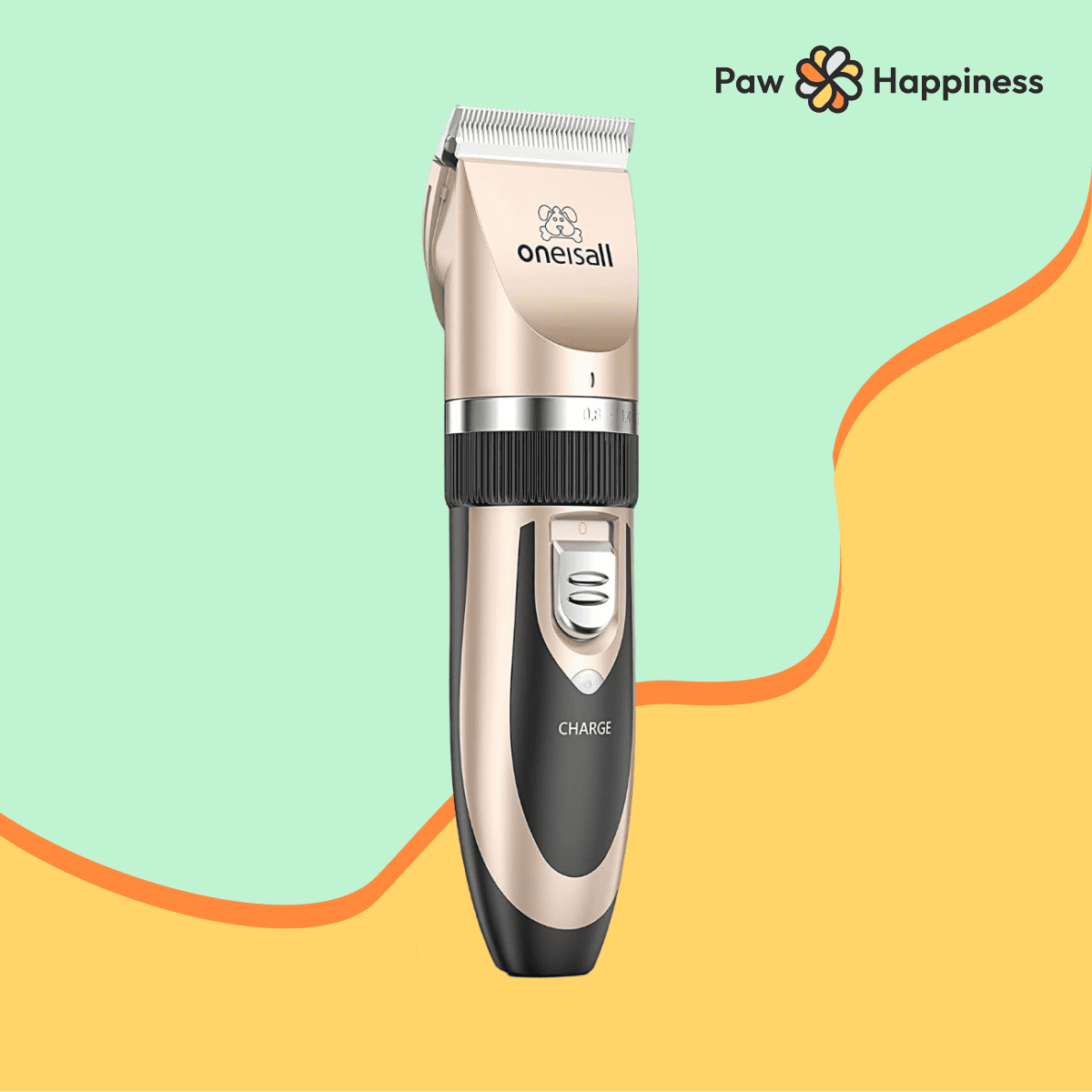
oneisall Dog Clipper Low Noise
The Oneisall silent motor reduces noise by 17%, ensuring that even the most sensitive pets won't be scared, allowing them to enjoy a comfortable grooming experience

Taste of the Wild High-Protein Dog Food
Dogs still share the DNA of the wolf, even after years of domestication. While they’ve become our long-lived companions, their instinct for the taste of the wild remains. A balanced diet should honor their natural needs while delivering complete nutrition to help them thrive. Give your dog the flavors their wild past still craves.

NaturVet – ArthriSoothe-Gold Advanced Care Liquid
Liquid joint supplement for dogs & cats with glucosamine, MSM, chondroitin,and antioxidants to support mobility, cartilage health, and joint comfort. Vet-approved, made in the USA.

Buddy Biscuits Trainers Training Bites Soft & Chewy Dog Treats, Beef, 10 oz. Bag
Buddy Training Bites are bite-sized, low-calorie dog treats made with real pork liver as the first ingredient. With only 1.5 calories per treat, they’re perfect for extended training sessions. Made in the USA with no corn, soy, artificial flavors, or preservatives, each bag includes about 500 tasty treats in recyclable packaging dogs love.
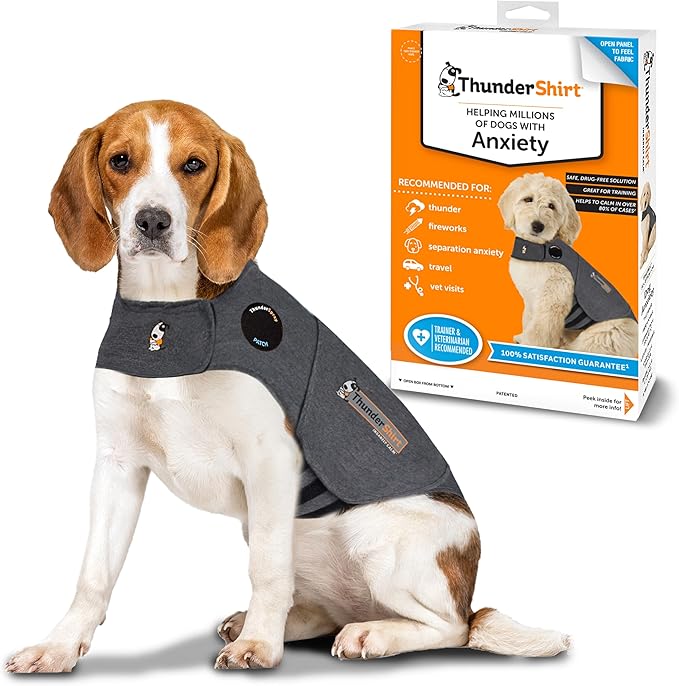
Thundershirt Classic Dog Anxiety Jacket
The ThunderShirt is a patented pressure wrap that naturally calms dogs by applying gentle, constant pressure—similar to swaddling a baby. With an 80% success rate, it helps reduce anxiety from thunder, fireworks, separation, travel, vet visits, and more. It’s easy to use, adjustable, comfortable, machine-washable, and made from soft, breathable fabric.

Vailge Waterproof Dog Hammock Car Seat Cover
This dog car seat cover features side flaps for full backseat and door protection, converting easily from hammock to bench cover or cargo liner. Waterproof 4-layer fabric keeps seats clean from mud, hair, and spills, while nonslip backing and anchors ensure safety. Made with no-smell material and fits most sedans, SUVs, and mid-size trucks. Easy to install and clean for stress-free travel.