


Best Allergy Supplements for Dogs: Pup Find Lasting Itch Relief
By PawHappiness Team | Updated | 5 minutes read | Dog Health

Table of Contents
- Why Dogs Develop Allergies
- Common Signs Your Dog May Have Allergies
- Why Allergy Supplements Can Help
- Key Ingredients to Look For in Dog Allergy Supplements
- The Link Between Gut Health and Allergies
- Skin Health Starts From the Inside
- When Diet Alone Isn’t Enough
- How Dog Allergy Chews Fit Into a Daily Routine
- What to Expect When Starting Allergy Supplements
- Tips for Managing Dog Allergies More Effectively
- Are Allergy Supplements Safe for Long-Term Use?
- How to Choose the Best Allergy Supplements for Dogs
- Final Thoughts on Supporting Dogs With Allergies

Dog Allergy Chews 200ct
Soft allergy chews for dogs that relieve itching, hot spots, and rashes while supporting skin, immune, and gut health with omega-3 salmon oil, colostrum, and probiotics.
Buy NowIf your dog is constantly scratching, licking their paws, or dealing with red, irritated skin, you’re not alone. Allergies are one of the most common issues pet parents face, and they can show up in frustrating ways that affect your dog’s comfort and mood. Finding the best allergy supplements for dogs can feel confusing, especially when symptoms seem to come and go without a clear cause.
Dog allergies can be triggered by many things—food ingredients, seasonal pollen, dust, or even everyday environmental changes. While vet visits and diet adjustments are important, many pet parents look for additional, gentle ways to support their dog’s skin and immune health. That’s where allergy supplements can help.
The right supplement doesn’t just mask itching. It works from the inside out to support the immune system, skin barrier, and gut health—all key players in allergy management. In this article, we’ll break down why dogs develop allergies, what ingredients actually help, and how supplements can be part of a practical, everyday solution for keeping your dog comfortable and happy.
Why Dogs Develop Allergies
Allergies happen when a dog’s immune system overreacts to something that’s usually harmless. Instead of ignoring pollen, food proteins, or dust mites, the body treats them like threats.
Common allergy triggers include:
- Environmental allergens like pollen or mold
- Food sensitivities
- Flea bites
- Household irritants such as cleaning products
These reactions often show up through the skin, causing itching, redness, hot spots, or recurring ear issues.
Common Signs Your Dog May Have Allergies
Dogs can’t tell us what’s bothering them, but their behavior and skin often give clear signals.
Watch for signs like:
- Constant scratching or chewing
- Licking paws frequently
- Red or flaky skin
- Hot spots or rashes
- Recurrent ear infections
If these symptoms keep coming back, it’s often a sign that your dog needs extra support beyond basic grooming or diet changes.
Why Allergy Supplements Can Help
While avoiding triggers is helpful, it’s not always realistic. That’s where supplements come in as part of a long-term strategy.
The best allergy supplements for dogs work by:
- Supporting immune balance
- Strengthening the skin’s natural barrier
- Promoting healthy digestion
- Reducing inflammation linked to itching
Instead of acting like quick fixes, quality supplements help the body respond more calmly to allergens over time.
Key Ingredients to Look For in Dog Allergy Supplements
Not all supplements are created equal. The ingredient list matters more than flashy packaging.
Some of the most helpful ingredients include:
- Omega-3 fatty acids – Support skin hydration and help reduce inflammation
- Probiotics – Promote gut health, which plays a big role in immune response
- Colostrum – Supports immune regulation and digestive health
- Natural anti-inflammatory compounds – Help calm irritated skin
These ingredients work together to address allergies at their root, not just on the surface.
The Link Between Gut Health and Allergies
Many pet parents don’t realize how connected the gut and immune system are. In dogs, a large portion of immune function starts in the digestive tract.
When gut bacteria are balanced, the immune system is better at telling the difference between real threats and harmless allergens. When digestion is off, allergic reactions can become more intense.
That’s why supplements with probiotics can be especially helpful for dogs with ongoing skin or allergy issues.
Skin Health Starts From the Inside
Topical sprays and shampoos can offer temporary relief, but they don’t always prevent allergies from returning.
Supporting skin health internally helps:
- Strengthen the skin barrier
- Reduce dryness and flaking
- Make skin less reactive to allergens
Healthy skin is better equipped to defend against irritants, leading to fewer flare-ups over time.
When Diet Alone Isn’t Enough
Switching dog food can help some allergy symptoms, but it’s not always a complete solution. Even dogs on limited-ingredient diets may still react to environmental allergens.
In these cases, supplements add an extra layer of support without requiring major changes to your dog’s routine. They’re especially helpful for dogs with seasonal allergies or sensitive skin year-round.
How Dog Allergy Chews Fit Into a Daily Routine
Some supplements are easier to give than others. Soft chews are popular because they feel more like treats than medicine.
Dog Allergy Chews 200ct are designed to be part of a daily routine, offering:
- Omega-3 salmon oil to support skin health
- Colostrum to help immune balance
- Probiotics to support gut health
Because they’re soft and tasty, many dogs take them willingly, which makes consistency easier for pet parents.
What to Expect When Starting Allergy Supplements
Supplements don’t work overnight. Most dogs need consistent use for a few weeks before noticeable changes appear.
You may start to see:
- Less frequent scratching
- Calmer, less inflamed skin
- Improved coat condition
- Better overall comfort
Results vary depending on the dog and the severity of allergies, but gradual improvement is a good sign the supplement is doing its job.
Tips for Managing Dog Allergies More Effectively
Supplements work best when combined with smart daily habits.
Helpful tips include:
- Wipe paws after outdoor walks
- Bathe with gentle, dog-safe shampoos
- Wash bedding regularly
- Maintain a balanced diet
These small steps reduce allergen exposure and help supplements work more effectively.
Are Allergy Supplements Safe for Long-Term Use?
Most high-quality allergy supplements are designed for daily, long-term use. They focus on nutritional support rather than harsh medications.
That said, it’s always a good idea to:
- Follow recommended serving sizes
- Introduce new supplements gradually
- Check with your vet if your dog has health conditions
Consistency and moderation are key to safe, effective use.
How to Choose the Best Allergy Supplements for Dogs
When comparing options, focus on quality and purpose rather than price alone.
Look for supplements that:
- Clearly list active ingredients
- Address skin, immune, and gut health together
- Are made for dogs of all sizes
- Avoid unnecessary fillers
Reading reviews and ingredient labels can help narrow down trustworthy options.
Final Thoughts on Supporting Dogs With Allergies
Dealing with allergies can be frustrating for both dogs and pet parents. The good news is that with the right approach, symptoms don’t have to control your dog’s life. The best allergy supplements for dogs support the body from the inside out—helping reduce itching, calm skin, and promote immune balance over time.
When paired with good hygiene, a balanced diet, and consistent care, allergy supplements can make a noticeable difference in your dog’s comfort and quality of life. If you’re exploring ways to support your dog’s skin and immune health, learning more about allergy-friendly nutrition and supplements is a great place to start.





Extra Deals & Recommendations From Our Partners
Discover exclusive offers, tools, and products from brands we collaborate with.


Life Extension Cat Mix, cat Food Supplements
Cat multivitamin that supports overall health with 10+ essential vitamins, probiotics for digestion, and amino acids like taurine and arginine for heart, eye, and organ health. Made with quality ingredients in the USA.

Swihauk Self Cleaning Slicker Brush
Swihauk’s self-cleaning pet brush makes deshedding easy with a quick-release bottom and soft, rounded bristles that groom without hurting your pet. Made with durable stainless steel and a lightweight, ergonomic handle, it removes loose fur effectively for dogs and cats of all hair types. Perfect for puppies, long-haired pets, and daily grooming.

TheraTears Omega 3 Supplement for Eye Care
TheraTears Omega-3 supplements provide 1200mg of key nourishment to support eye health. This clinically tested blend of triglyceride fish oil, organic flaxseed oil, and vitamin E delivers 450mg EPA, 300mg DHA, and 450mg ALA per serving to promote eye comfort. Created by an ophthalmologist and recommended by doctors, TheraTears helps restore balance and hydration to dry eyes.

Bousnic Dog Shock Collar
Humane dog training collar with beep, vibration, and safe shock modes. Features 3300ft range, fits dogs 5–120 lbs, IP67 waterproof receiver, dual-dog training, and long-lasting battery life.

Loving Pets Bella Dog Bowls
A durable 27 oz stainless steel bowl with a poly-resin exterior that’s dishwasher-safe and hygienic. Includes a removable rubber base to prevent slipping and spills. Its award-winning design comes in vibrant colors and multiple sizes for dogs and cats. Vet-recommended and perfect for food or water at home or on the go.

Petsfit Dog Car Seat Carrier
This dog booster car seat fits medium dogs up to 45 lbs or two small pets. Made from durable oxford with a removable, washable pad, it offers comfort and support for anxious or carsick dogs. Adjustable straps, safety clips, and anti-slip buckles reduce distracted driving, while the elevated design gives pets a clear window view. It’s easy to install, fold, store, and includes storage pockets.
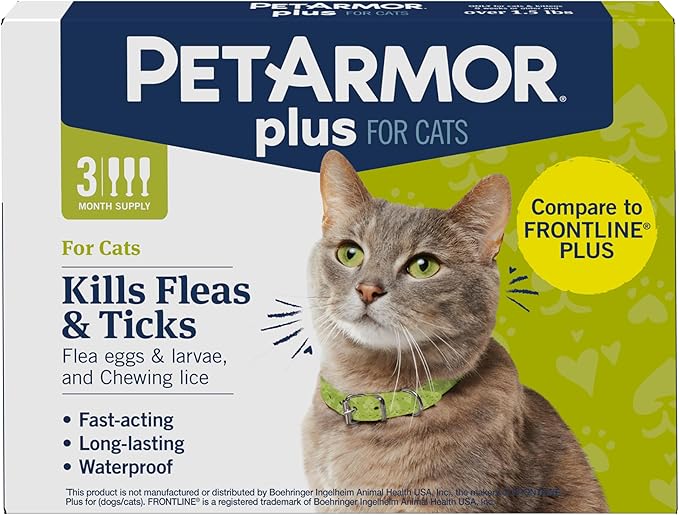
PetArmor Plus Flea and Tick Prevention for Cats
Active Ingredients: Friponil (9.80%), (S)-Methoprene (11.80%). Other Ingredients: (78.40%), Total (100.00%). Your pets are family, and PETARMOR helps you confidently care for your cat, especially when it comes to flea and tick control.

Nutro Ultra Grain-Free Turkey Recipe
Nutro Ultra Wet Dog Food delivers a flavorful, nutrient-rich paté made with real chicken as the #1 ingredient, plus lamb and whitefish for a trio of high-quality proteins. Crafted with natural ingredients, vitamins, and minerals, it contains no artificial flavors, colors, or preservatives. This grain-free recipe provides the wholesome, premium nutrition your dog deserves.