


Best Dog Food for Urinary Health: Dog’s Bladder the Right
By PawHappiness Team | Updated | 5 minutes read | Dog Health
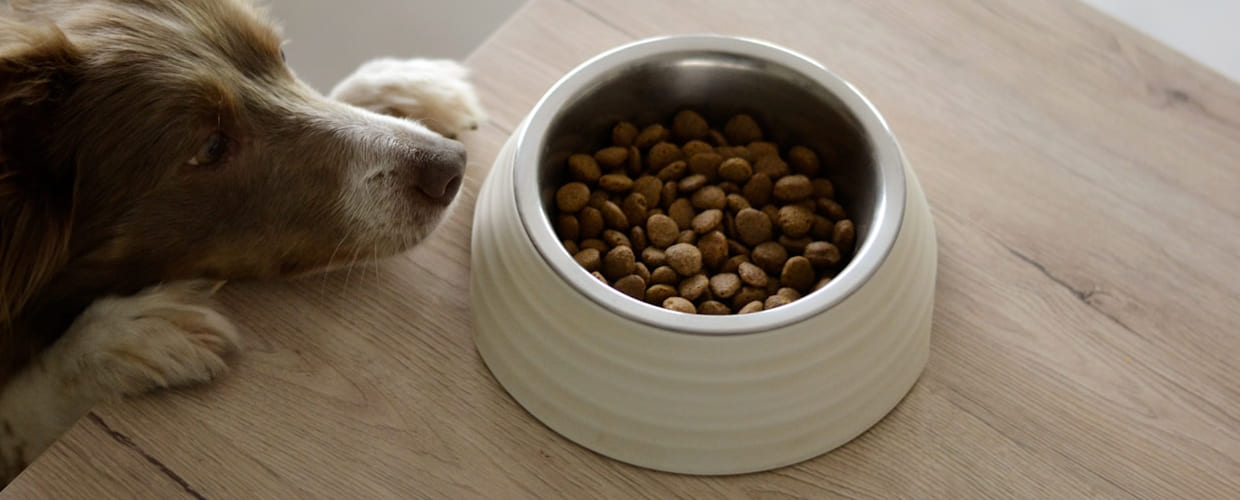
Table of Contents
- Understanding Urinary Health in Dogs
- Common Urinary Problems in Dogs
- Signs Your Dog May Have Urinary Issues
- Why Diet Matters for Urinary Health
- How Urinary Dog Food Works
- Moisture Intake and Its Role
- Protein Isn’t the Enemy—Quality Matters
- The Role of Veterinary Diets in Urinary Care
- When Should You Consider Urinary Dog Food?
- Daily Habits That Support Urinary Health
- Can Treats Affect Urinary Health?
- Transitioning to a Urinary-Support Dog Food
- How Long Does It Take to See Results?
- Myths About Urinary Dog Food
- Choosing the Best Dog Food for Urinary Health
- Final Thoughts on Supporting Your Dog’s Urinary Health

Purina Pro Plan Veterinary Diets
Veterinary dry dog food that helps dissolve sterile struvite stones and reduce recurrence of struvite and calcium oxalate crystals, with high-quality protein and antioxidants for adult dogs.
Buy NowUrinary health problems in dogs can be stressful for any pet parent. Seeing your dog strain to pee, have accidents indoors, or deal with recurring urinary tract issues is worrying—and often confusing. Many owners don’t realize that diet plays a huge role in managing and even preventing these problems. Choosing the best dog food for urinary health can make a real difference in your dog’s comfort and long-term wellbeing.
Urinary issues often develop quietly. Crystals or stones may form over time, sometimes without obvious symptoms at first. By the time signs appear, your dog may already be uncomfortable. That’s why proactive care matters. A balanced, urinary-supportive diet helps maintain proper urine pH, reduces mineral buildup, and supports healthy bladder function.
In this article, we’ll break down what urinary health means for dogs, common causes of urinary problems, and how the right food supports prevention and recovery. We’ll also discuss what to look for in urinary dog food and how veterinary diets can fit into a practical, everyday care plan.
Understanding Urinary Health in Dogs
Urinary health refers to how well your dog’s bladder, kidneys, and urinary tract function together. When everything is balanced, urine flows easily, waste is filtered properly, and harmful crystals don’t form.
Problems arise when urine becomes too concentrated or unbalanced. This can lead to crystal formation, bladder stones, or infections that cause discomfort and frequent vet visits.
Common Urinary Problems in Dogs
Urinary issues are more common than many pet parents think, especially in adult and senior dogs.
Some common conditions include:
- Struvite crystals or stones
- Calcium oxalate stones
- Urinary tract infections
- Frequent or painful urination
Certain breeds, dogs with low water intake, and those with past urinary issues are often at higher risk.
Signs Your Dog May Have Urinary Issues
Dogs can’t tell us when something feels wrong, but their behavior often gives clues.
Watch for signs like:
- Straining or taking longer to urinate
- Frequent trips outside with little output
- Blood in urine
- Accidents indoors
- Excessive licking of the genital area
If you notice these symptoms, a vet visit is essential. Diet changes often follow as part of the treatment plan.
Why Diet Matters for Urinary Health
Food directly affects urine composition. Certain minerals, protein levels, and moisture content influence how urine forms and whether crystals develop.
The best dog food for urinary health is designed to:
- Balance urine pH
- Control mineral levels linked to stones
- Encourage healthy hydration
- Support overall kidney and bladder function
Diet isn’t just supportive—it’s often preventative.
How Urinary Dog Food Works
Urinary-support dog foods are carefully formulated to reduce the risk of stone formation. They don’t simply remove nutrients; they balance them.
Key goals include:
- Lowering excess minerals like magnesium and phosphorus
- Promoting urine dilution
- Supporting a healthy urinary environment
This approach helps dissolve certain types of stones and reduces the chance of recurrence.
Moisture Intake and Its Role
Hydration is one of the biggest factors in urinary health. When dogs don’t drink enough, urine becomes concentrated, increasing the risk of crystal formation.
Ways to support hydration include:
- Offering fresh water at all times
- Using water fountains
- Feeding moisture-balanced or veterinary diets
Even dry food formulated for urinary health is designed to encourage better hydration patterns.
Protein Isn’t the Enemy—Quality Matters
Some pet parents worry that protein causes urinary problems. In reality, it’s about quality and balance.
High-quality protein supports muscle health without overloading the urinary system. Veterinary-formulated diets use controlled protein levels to support adult dogs without increasing stone risk.
The Role of Veterinary Diets in Urinary Care
In many cases, vets recommend prescription or veterinary diets when urinary issues are diagnosed. These foods are backed by research and clinical testing.
Purina Pro Plan Veterinary Diets are designed to support dogs dealing with urinary challenges by:
- Helping dissolve sterile struvite stones
- Reducing recurrence of struvite and calcium oxalate crystals
- Providing high-quality protein and antioxidants
These diets are often part of a complete urinary health management plan guided by a veterinarian.
When Should You Consider Urinary Dog Food?
Not every dog needs a specialized diet, but some situations call for it.
Urinary-support food may be recommended if your dog:
- Has a history of bladder stones or crystals
- Experiences recurring urinary infections
- Shows abnormal urine pH levels
- Is advised by a veterinarian after testing
Early dietary support can help prevent repeat issues.
Daily Habits That Support Urinary Health
Diet works best when paired with good daily routines.
Helpful habits include:
- Regular bathroom breaks
- Encouraging water intake
- Keeping feeding schedules consistent
- Monitoring urine habits
Small lifestyle changes can significantly reduce urinary stress.
Can Treats Affect Urinary Health?
Yes, treats matter more than most people realize. High-mineral or salty treats can interfere with a urinary-support diet.
If your dog is on urinary food:
- Limit treats not approved by your vet
- Avoid table scraps
- Choose compatible snacks when possible
Consistency is key for long-term success.
Transitioning to a Urinary-Support Dog Food
Switching foods should always be done gradually to avoid digestive upset.
A slow transition usually looks like:
- Mix 25% new food with 75% old food
- Increase new food over 7–10 days
- Monitor appetite, stool, and urination
Patience helps your dog adjust comfortably.
How Long Does It Take to See Results?
Results vary depending on the issue, but many dogs show improvement within weeks.
You may notice:
- Easier urination
- Fewer accidents
- Improved comfort
- Reduced recurrence of symptoms
Long-term feeding helps maintain stability and prevent future problems.
Myths About Urinary Dog Food
There are a few common misconceptions worth clearing up.
- Urinary diets are not low-quality food
- They are not only for senior dogs
- They don’t weaken the immune system
These foods are carefully balanced to support overall health while targeting urinary needs.
Choosing the Best Dog Food for Urinary Health
When evaluating options, look for foods that:
- Are vet-recommended or vet-formulated
- Address specific crystal or stone types
- Provide balanced nutrition for adult dogs
- Clearly explain their urinary benefits
Always consult your vet before making major dietary changes.
Final Thoughts on Supporting Your Dog’s Urinary Health
Urinary issues can be uncomfortable, recurring, and stressful—but they’re also manageable with the right care. Choosing the best dog food for urinary health is one of the most effective steps you can take to support your dog’s bladder and overall wellbeing. A thoughtful diet, proper hydration, and consistent routines work together to reduce risks and improve quality of life.
If your dog has experienced urinary problems or you want to stay proactive, learning more about urinary-support nutrition is a smart move. With guidance from your vet and the right dietary choices, many dogs go on to live comfortable, happy, and active lives.



Extra Deals & Recommendations From Our Partners
Discover exclusive offers, tools, and products from brands we collaborate with.


Cat Skin & Coat Health Chews – Omegas, Vitamin C & E, Biotin
For animal use only. Keep away from children. If your pet’s condition worsens, stop use and consult a vet. Not proven safe for pregnant or breeding animals. Give 1 chew per 1 lb of body weight, starting with half the dose and increasing gradually. Feed during or after meals to reduce stomach upset.

Purina Tidy Cats Breeze System — Best for Low Maintenance
These Tidy Cats Breeze Multi-Cat Pads are designed for the Breeze system, offering fast absorption and up to 7 days of ammonia odor control for two cats. Each pack includes 8 disposable pads that lock in moisture to keep the litter box dry and your home smelling fresh. Cleanup is simple with no urine clumps to scoop. Backed by a satisfaction guarantee for worry-free use.

Yaheetech Large Multi-Level Cat Tree
This cat tree offers a cozy, fun layout with a condo, hammock, scratching posts, ladder, perch, and detachable hanging ball. Rounded corners ensure safety, and the hammock hooks make removal easy. An anti-toppling kit adds extra stability by securing it to the wall. Includes a clear manual for easy assembly. A practical, stylish cat house for sleep, play, and relaxation.

Hartz Powdered Puppy Milk Replacer – 12oz
Precisely formulated to mirror a mother dog’s milk, this puppy milk replacer supports healthy growth during the first 6 weeks of life. The quick-mix powder blends easily with room-temperature water for convenient feeding. Enriched with calcium, magnesium, vitamins, and essential nutrients, it also works as a supplement for pregnant, nursing, or recovering dogs.

Pet Electrolyte Solution for Dogs
Replenish supplements, created by a veterinarian, offer all-natural support for canine health. The Dog Water Supplement provides a chicken-flavored vitamin boost to restore strength after activity or illness. The Superfood Topper delivers allergen-free immunity support, while the Paw Healing Solution helps protect and soothe paws in harsh weather for overall wellness.

Rocco & Roxie Stain & Odor Eliminator
Certified gentle and safe, this pet carpet cleaner is chlorine-free and color-safe, approved by the CRI for all carpets. Its powerful enzymes eliminate tough stains and odors from urine, feces, vomit, and other organic spills. Works on carpets, floors, furniture, clothes, and pet areas. Effective, pet-friendly, and backed by a satisfaction guarantee for worry-free cleaning.

PetSafe Healthy Pet Water Station
The PetSafe Healthy Pet Food Station features an automatic gravity-fed system that ensures your pet always has access to fresh, dry food. With a 4 lb capacity, it’s perfect for daily convenience. The removable stainless steel bowl and BPA-free hopper make cleaning simple, and the spill-locking lid keeps feeding areas tidy. Its slim, modern design fits seamlessly into any home. Backed by PetSafe’s 25 years of trusted innovation, this feeder reflects a global commitment to quality and a mission to support joyful, healthy pet living.

Puppia Soft Dog Harness No Choke Over
The authentic Puppia Soft Dog Harness is made from 100% polyester for lightweight comfort and durability. It features an adjustable chest belt, quick-release buckle, and a padded neck opening to ensure a secure yet comfortable fit. Machine washable for easy care, though hand washing and air drying are recommended. For proper sizing, use the two-finger rule at the neck and chest to ensure a safe, comfortable fit for your dog.