


Healthy Diet for Dogs: A Simple Guide to Feeding Your Dog
By PawHappiness Team | Updated | 4 minutes read | Dog Health
Table of Contents
- Why a Healthy Diet for Dogs Matters
- Signs Your Dog’s Diet May Need Improvement
- What Makes a Healthy Diet for Dogs?
- Protein: The Foundation of Dog Nutrition
- Healthy Fats and Why Dogs Need Them
- Carbohydrates in a Balanced Dog Diet
- Vitamins and Minerals That Support Daily Health
- Commercial Dog Food vs Homemade Diets
- Reading Dog Food Labels the Right Way
- How Portion Control Supports a Healthy Diet for Dogs
- Feeding Puppies vs Adult Dogs
- Senior Dogs and Special Dietary Needs
- Common Mistakes Pet Parents Make with Dog Diets
- Treats and Snacks: Keeping Them Healthy
- Transitioning to a Healthier Dog Diet Safely
- Hydration and Its Role in a Healthy Diet for Dogs
- Special Diets and When They’re Needed
- How a Healthy Diet Impacts Long-Term Wellness
- When to Talk to Your Veterinarian About Diet
- Final Thoughts on a Healthy Diet for Dogs
Feeding your dog shouldn’t feel confusing, but with so many food options, trends, and opinions online, it often does. Many pet parents wonder if they’re doing the right thing or if their dog’s food is really supporting their health. Questions like “Is this food balanced?” or “Why is my dog always tired or gaining weight?” are more common than you might think.
A healthy diet for dogs plays a huge role in how your dog feels, moves, and ages. Just like people, dogs need the right balance of nutrients to stay active, maintain a healthy weight, and support their immune system. Poor nutrition can show up in subtle ways—dull coats, low energy, digestive issues, or frequent vet visits.
The good news is that feeding your dog well doesn’t have to be complicated. With a little knowledge and a few smart choices, pet parents can build a diet that truly supports their dog’s overall wellness. This guide breaks down what a healthy diet looks like, why it matters, and how you can make confident feeding decisions that work for both you and your dog.
Why a Healthy Diet for Dogs Matters
Food fuels everything your dog does.
A balanced diet helps:
- Support strong muscles and joints
- Maintain a healthy weight
- Improve digestion
- Strengthen the immune system
When dogs eat well, they tend to feel better and live more comfortably.
Signs Your Dog’s Diet May Need Improvement
Dogs can’t tell us what’s wrong, but their bodies give clues.
Common signs include:
- Low energy or sluggish behavior
- Frequent digestive issues
- Dull coat or itchy skin
- Weight gain or loss
These issues often point back to nutrition.
What Makes a Healthy Diet for Dogs?
A healthy dog diet is all about balance.
It should include:
- Quality protein
- Healthy fats
- Carbohydrates for energy
- Vitamins and minerals
Every nutrient plays a role in your dog’s overall health.
Protein: The Foundation of Dog Nutrition
Protein helps build and maintain muscles.
Good protein sources include:
- Chicken
- Turkey
- Fish
- Beef
Look for named meat sources rather than vague terms like “meat by-products.”
Healthy Fats and Why Dogs Need Them
Fats aren’t bad—in fact, they’re essential.
Healthy fats:
- Support skin and coat health
- Provide energy
- Help absorb vitamins
Omega-3 and omega-6 fatty acids are especially beneficial.
Carbohydrates in a Balanced Dog Diet
Carbs provide energy and fiber.
Common healthy carb sources include:
- Brown rice
- Sweet potatoes
- Oats
Not all dogs need the same amount, but carbs can support digestion when used properly.
Vitamins and Minerals That Support Daily Health
Vitamins and minerals help keep body systems running smoothly.
They support:
- Bone health
- Immune response
- Organ function
A complete and balanced diet ensures dogs get these nutrients daily.
Commercial Dog Food vs Homemade Diets
Both options can work if done correctly.
Commercial dog food benefits:
- Convenient
- Nutritionally balanced
- Vet-approved formulas available
Homemade diets require careful planning to avoid nutrient gaps.
Reading Dog Food Labels the Right Way
Labels can be confusing at first.
Helpful tips:
- Check the first ingredient for real protein
- Look for AAFCO nutritional statements
- Avoid excessive fillers
Understanding labels helps you make informed choices.
How Portion Control Supports a Healthy Diet for Dogs
Even healthy food can cause issues if overfed.
Overfeeding can lead to:
- Obesity
- Joint strain
- Lower energy levels
Follow feeding guidelines and adjust based on activity level.
Feeding Puppies vs Adult Dogs
Dogs need different nutrition at different life stages.
Puppies need:
- Higher calories
- Extra protein and fat
Adult dogs benefit from balanced maintenance diets.
Senior Dogs and Special Dietary Needs
As dogs age, their needs change.
Senior dogs may need:
- Fewer calories
- Joint-support nutrients
- Easier-to-digest foods
A healthy diet can support aging comfortably.
Common Mistakes Pet Parents Make with Dog Diets
Even well-meaning owners can slip up.
Common mistakes include:
- Too many treats
- Feeding table scraps
- Sudden food changes
Consistency is key for digestive health.
Treats and Snacks: Keeping Them Healthy
Treats should support, not replace, nutrition.
- Keep treats under 10% of daily calories
- Choose simple, natural options
- Avoid sugary or salty snacks
Treats are best used in moderation.
Transitioning to a Healthier Dog Diet Safely
Changing food should always be gradual.
Try this approach:
- Mix new food with old food
- Increase new food over 7–10 days
- Watch for digestive changes
Slow transitions prevent stomach upset.
Hydration and Its Role in a Healthy Diet for Dogs
Water is just as important as food.
Proper hydration:
- Supports digestion
- Helps regulate body temperature
- Supports kidney health
Always provide fresh, clean water.
Special Diets and When They’re Needed
Some dogs need tailored nutrition.
Examples include:
- Weight management diets
- Sensitive stomach formulas
- Allergy-friendly foods
Always consult your vet before switching to a specialized diet.
How a Healthy Diet Impacts Long-Term Wellness
Nutrition affects more than daily energy.
Long-term benefits include:
- Fewer health issues
- Better mobility
- Improved quality of life
Food choices today can shape your dog’s future health.
When to Talk to Your Veterinarian About Diet
Your vet is a key partner in nutrition.
Talk to your vet if:
- Your dog shows sudden weight changes
- Digestive issues persist
- You’re considering major diet changes
Professional guidance ensures safe choices.
Final Thoughts on a Healthy Diet for Dogs
A healthy diet for dogs doesn’t have to be complicated or overwhelming. It’s about choosing balanced nutrition, feeding the right portions, and paying attention to your dog’s unique needs. When dogs eat well, it shows in their energy, coat, digestion, and overall happiness.
By understanding what goes into a healthy diet and avoiding common feeding mistakes, pet parents can support their dog’s health at every life stage. Whether you’re feeding commercial food, exploring fresh options, or adjusting portions, consistency and balance matter most. If you ever feel unsure, your veterinarian can help guide you toward the best choices. Small, thoughtful changes can make a big difference—one meal at a time.
Extra Deals & Recommendations From Our Partners
Discover exclusive offers, tools, and products from brands we collaborate with.


TUG 360° Tangle-Free Retractable Dog Leash
This retractable dog leash is designed for dogs of all sizes, with Small for pets under 35 lbs, Medium under 55 lbs, and Large under 110 lbs. Featuring a durable 16 ft retractable tape with a 360° tangle-free design, it offers smooth retraction and control. The quick lock and unlock button allows easy one-handed operation, while the ergonomic anti-slip handle ensures comfort on long walks. A heavy-duty internal coil provides reliable, consistent recoil for safe outdoor adventures.
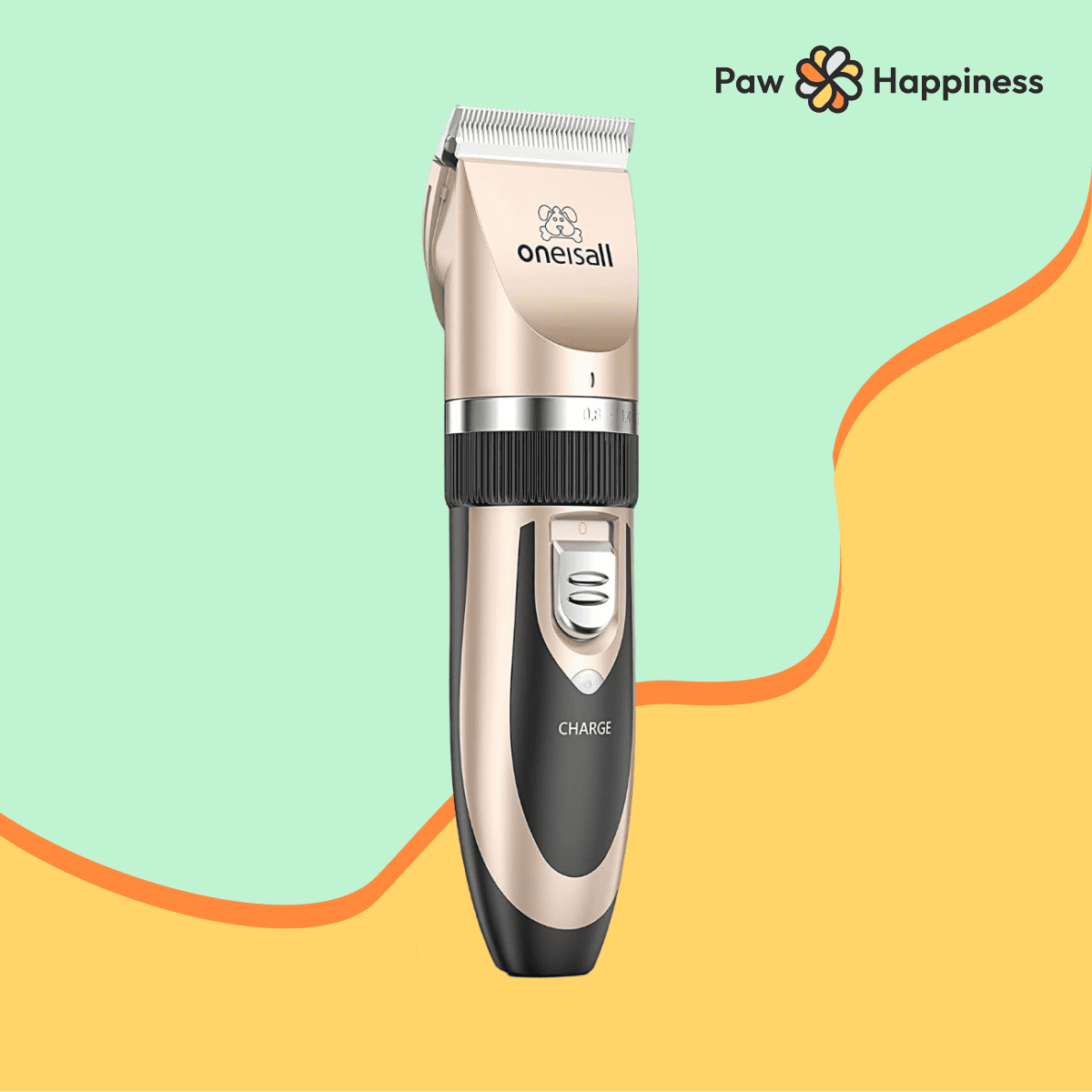
oneisall Dog Clipper Low Noise
The Oneisall silent motor reduces noise by 17%, ensuring that even the most sensitive pets won't be scared, allowing them to enjoy a comfortable grooming experience

K&H Pet Products Bucket Booster Seat
This dog booster car seat offers enhanced safety with adjustable leashes, shoulder straps, and a bottom harness channel for stability. Its ultra-soft surface, memory foam cushion, and raised sponge base keep pets comfortable while enjoying the view. Designed for small to medium dogs, it’s fully detachable for easy cleaning and installs in three simple steps. Support is available for any after-sales concerns.

Loving Pets Bella Dog Bowls
A durable 27 oz stainless steel bowl with a poly-resin exterior that’s dishwasher-safe and hygienic. Includes a removable rubber base to prevent slipping and spills. Its award-winning design comes in vibrant colors and multiple sizes for dogs and cats. Vet-recommended and perfect for food or water at home or on the go.

Omega 3 Fish Oil for Cats
Reduce Shedding + Improve Skin and Coat - Plano Paws Wild Caught Omega 3 for Cats is made with pure Anchovies, Herring, Mackerel, and Sardines from the clear ocean waters off the coast of Iceland.

Buddy Biscuits Trainers Training Bites Soft & Chewy Dog Treats, Beef, 10 oz. Bag
Buddy Training Bites are bite-sized, low-calorie dog treats made with real pork liver as the first ingredient. With only 1.5 calories per treat, they’re perfect for extended training sessions. Made in the USA with no corn, soy, artificial flavors, or preservatives, each bag includes about 500 tasty treats in recyclable packaging dogs love.
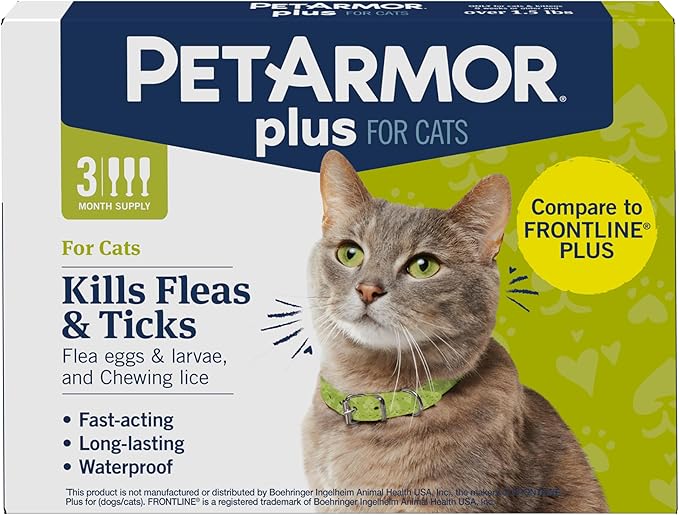
PetArmor Plus Flea and Tick Prevention for Cats
Active Ingredients: Friponil (9.80%), (S)-Methoprene (11.80%). Other Ingredients: (78.40%), Total (100.00%). Your pets are family, and PETARMOR helps you confidently care for your cat, especially when it comes to flea and tick control.

Purina Pro Plan Large Breed Dry Puppy Food, Chicken and Rice Formula
Formulated to support an appropriate growth rate for large breed puppies, High protein formula, with real chicken as the first ingredient, Vitamin A and omega-6 fatty acids to nourish skin and coat, DHA from omega-rich fish oil nourishes brain and vision development. Glucosamine supports developing joints and cartilage