


Hot Spots on Dogs: Causes, Treatment & Prevention Every Pet Owner Should Know
By PawHappiness Team | Updated | 5 minutes read | Dog Health
Table of Contents
- What Are Hot Spots on Dogs?
- Common Causes of Hot Spots on Dogs
- Allergies (Environmental, Food, or Flea Allergies)
- Moisture Trapped in the Fur
- Parasites
- Skin Irritation
- Stress or Anxiety
- How to Treat Hot Spots on Dogs at Home
- 1. Trim the Fur Around the Area
- 2. Clean the Wound Gently
- 3. Apply a Soothing, Vet-Recommended Hot Spot Treatment
- 4. Prevent Licking
- 5. Keep the Area Dry
- 6. Monitor Daily
- When Hot Spots on Dogs Need Veterinary Attention
- How to Prevent Hot Spots on Dogs: Practical Tips
- 1. Keep Your Dog’s Coat Clean and Brushed
- 2. Dry Your Dog Thoroughly After Baths or Swimming
- 3. Manage Allergies Before They Become a Problem
- 4. Use Flea and Tick Prevention Consistently
- 5. Reduce Stress and Boredom
- 6. Keep Your Dog’s Skin Healthy
- Best Amazon Products to Help Treat or Prevent Hot Spots on Dogs
- Conclusion
When you notice your dog suddenly licking, chewing, or scratching one area nonstop, there’s a good chance you’re dealing with hot spots on dogs. These irritated patches seem to appear overnight, and they can turn into painful, oozing wounds if not treated quickly. Many pet owners panic the first time they see one—because it looks worse than it is. The good news? Hot spots are common, treatable, and usually preventable with a little extra care and understanding.
In this article, we’ll break down what causes hot spots, how to treat them safely at home, when to involve a vet, and how to prevent them from coming back. Think of this as your everyday guide—written in simple language—to help you manage this itchy situation with confidence and calm. By the end, you’ll know exactly what steps to take so your dog feels relief fast.
What Are Hot Spots on Dogs?
Hot spots, also known as acute moist dermatitis, are irritated, inflamed skin lesions that often appear red, wet, and painful. They’re typically caused by excessive licking, chewing, or scratching that breaks the skin and invites bacteria to grow.
Some common signs include:
- A moist, red, irritated patch of skin
- Hair loss around the area
- A foul smell from the infected skin
- Sudden obsessive licking or biting at one spot
- Swelling or heat around the patch
Hot spots on dogs tend to develop quickly—sometimes within hours—especially in warm, humid weather. Dogs with thick coats, allergies, or anxiety are more prone to them, but any dog can develop hot spots under the right conditions.
Common Causes of Hot Spots on Dogs
Understanding what triggers hot spots makes treatment much easier. Here are the most common reasons dogs develop these painful patches:
Allergies (Environmental, Food, or Flea Allergies)
Allergies make your dog itchy. When they scratch too hard, the skin becomes damaged and vulnerable to infection. Flea allergy dermatitis is one of the biggest culprits—even one flea bite can trigger days of scratching.
Moisture Trapped in the Fur
Dogs that swim often, get bathed frequently, or have thick undercoats may trap moisture close to their skin. Bacteria thrive in warm, damp environments, making hot spots more likely.
Parasites
Fleas, ticks, and mites cause intense itching. Dogs may chew or bite at the spot until the skin breaks, creating the perfect setup for a hot spot.
Skin Irritation
This can come from grooming issues, matted fur, irritants like grass or pollen, or even insect bites.
Stress or Anxiety
Some dogs lick themselves for comfort. Over time, constant licking of one area can create an open wound that becomes infected.
How to Treat Hot Spots on Dogs at Home
If you’ve spotted a hot spot early, home treatment can be very effective. The main goals are to clean the area, keep it dry, reduce itching, and prevent further licking.
Here’s a simple, vet-approved approach:
1. Trim the Fur Around the Area
Carefully trim the hair around the hot spot so air can reach it.
No need to shave too close—just enough to prevent moisture buildup.
2. Clean the Wound Gently
Use a mild antiseptic solution like:
- diluted chlorhexidine
- diluted povidone-iodine
Avoid harsh chemicals like hydrogen peroxide, which can irritate the skin further.
3. Apply a Soothing, Vet-Recommended Hot Spot Treatment
Look for sprays or ointments that:
- reduce itching
- dry out the area
- soothe inflammation
- prevent bacterial growth
A good example is Veterinary Formula Hot Spot & Itch Relief Spray (Amazon link below).
4. Prevent Licking
This part is huge. If your dog keeps licking, the wound won’t heal.
Use:
- an e-collar
- a soft cone
- recovery suit for dogs
5. Keep the Area Dry
Moisture = bacteria = more problems.
Avoid swimming, baths, or humid conditions during healing.
6. Monitor Daily
If the hot spot keeps spreading, smells bad, or leaks pus, contact your vet. Some cases need oral antibiotics.
When Hot Spots on Dogs Need Veterinary Attention
Hot spots are usually manageable at home, but certain signs mean it’s time for a vet visit.
Seek professional care if:
- The hot spot is large (bigger than a golf ball)
- Your dog is in visible pain
- The wound smells foul
- There’s thick discharge or pus
- Your dog has a fever or low energy
- The spot keeps growing even with treatment
- Your dog has multiple hot spots
Vets may prescribe:
- stronger topical medications
- oral antibiotics
- anti-inflammatory drugs
- allergy medications
- parasite preventatives
This ensures the underlying issue is treated—not just the wound.
How to Prevent Hot Spots on Dogs: Practical Tips
Prevention is easier (and cheaper!) than treatment. Here are everyday habits that can reduce your dog’s chances of getting hot spots:
1. Keep Your Dog’s Coat Clean and Brushed
Regular grooming prevents mats, removes irritants, and improves airflow.
Short-haired dogs also benefit from regular brushing, especially during shedding seasons.
2. Dry Your Dog Thoroughly After Baths or Swimming
Moisture trapped against the skin is a major hot-spot trigger.
Use:
- a towel
- a pet-safe blow dryer (low heat)
- a dry-off mitt
3. Manage Allergies Before They Become a Problem
If your dog has itching related to:
- pollen
- dust
- grass
- food ingredients
- fleas
then controlling the cause is key. Talk to your vet about allergy testing or seasonal treatments.
4. Use Flea and Tick Prevention Consistently
Parasites are one of the biggest causes of hot spots.
Monthly preventatives help stop the itch before it starts.
5. Reduce Stress and Boredom
Mental stimulation can stop dogs from compulsive licking.
Try:
- interactive toys
- puzzle feeders
- regular walks
- playtime routines
6. Keep Your Dog’s Skin Healthy
Supplementing with omega-3 fatty acids is often recommended for coat and skin health. It reduces itchiness and inflammation naturally.
Best Amazon Products to Help Treat or Prevent Hot Spots on Dogs
Below are helpful (non-salesy) product suggestions relevant to hot spot care. You can replace these links with your affiliate ID.
Veterinary Formula Clinical Care Hot Spot & Itch Relief Spray

Veterinary Formula Clinical Care Hot Spot & Itch Relief Spray
Fast-acting oatmeal and aloe shampoo quickly soothes irritated skin, reducing licking and scratching. This vet-recommended, pH-balanced formula softens the coat and helps calm hot spots from allergies, bites, or moisture. Free of parabens, soaps, and dyes, it hydrates and nourishes pets 12+ weeks. Use with the matching conditioner for complete, affordable skin relief.
Buy NowConclusion
Hot spots on dogs can look alarming, but with the right care and a little understanding, they’re usually easy to treat and prevent. The key is catching them early, keeping the area clean and dry, and preventing your dog from licking or scratching. Most importantly, address the root cause—whether it’s allergies, moisture, parasites, or stress—so the problem doesn’t come back.
If you want to dive deeper into dog health topics or explore more pet-friendly guides, feel free to check out additional resources on our site. Your dog’s comfort starts with knowledge, and you’re already off to a great start.

Extra Deals & Recommendations From Our Partners
Discover exclusive offers, tools, and products from brands we collaborate with.


LEVOIT Core P350 Pet Allergies Air Purifier
Choose AHAM-Verifide air purifiers for trusted, independently tested performance and safety. The activated carbon filter neutralizes pet odors, litter smells, and smoke with over 92% deodorization. Perfect for pet parents, Core P350-P reduces sneezing and congestion while eliminating odors. Its pre-filter traps fur, dust, and lint, keeping your home cleaner.

ANWA 2 Pack Cat Recovery Suit
This cat recovery suit prevents licking and scratching after surgery, promoting faster healing and lowering infection risk. Made from breathable, gentle fabric, it offers a secure fit with adjustable elastic and Velcro. Ideal for spay recovery, wounds, skin issues, or overgrooming, it’s a comfortable, washable alternative to cones, allowing free movement and reduced stress.

NaturVet – ArthriSoothe-Gold Advanced Care Liquid
Liquid joint supplement for dogs & cats with glucosamine, MSM, chondroitin,and antioxidants to support mobility, cartilage health, and joint comfort. Vet-approved, made in the USA.

Amazon Basics Cat Scratcher – Indoor Classic Single Cat
This cat scratching post gives your feline a dedicated place to sharpen claws and maintain healthy nails. Made with natural jute fiber, it offers an ideal scratching surface while the sturdy base helps prevent tipping. It includes a replaceable dangling toy for added fun and helps redirect scratching away from furniture and carpets. Perfect for everyday use and easy to spot clean.
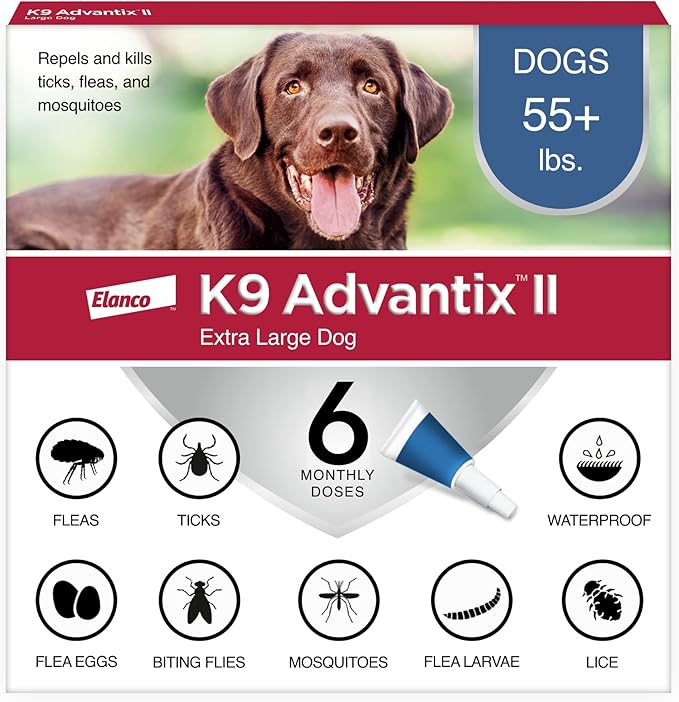
K9 Advantix II (Flea & Tick Prevention)
Imidacloprid 8.80% Permethrin* 44.00% Pyriproxyfen 0.44% Other Ingredients 46.76%.
K9 Advantix II protects extra-large dogs from fleas, ticks, mosquitoes, biting flies, and lice. It kills and repels pests fast, is easy to apply, waterproof, and offers monthly, prescription-free protection.

Zuke’s Mini Training Treats
Zuke’s Mini Naturals Dog Treats give dogs healthy fuel for daily adventures. Made in the USA with real ingredients like chicken and cherries, they support overall well-being and work great as training rewards. These corn-, wheat-, and soy-free treats come in a resealable pouch for easy travel. Inspired by real adventures since 1995, Zuke’s helps dogs stay energized on every journey.
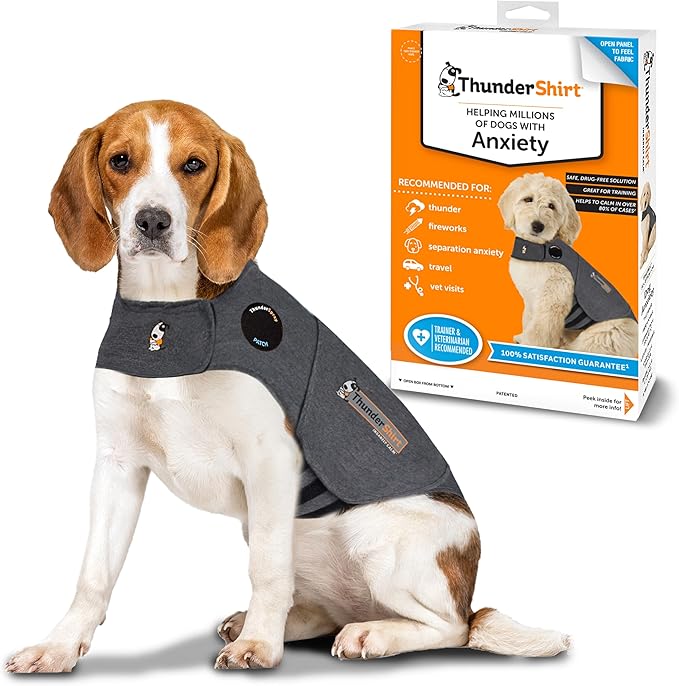
Thundershirt Classic Dog Anxiety Jacket
The ThunderShirt is a patented pressure wrap that naturally calms dogs by applying gentle, constant pressure—similar to swaddling a baby. With an 80% success rate, it helps reduce anxiety from thunder, fireworks, separation, travel, vet visits, and more. It’s easy to use, adjustable, comfortable, machine-washable, and made from soft, breathable fabric.
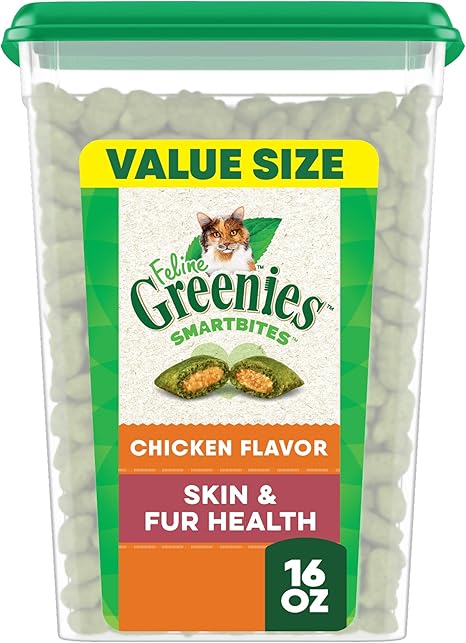
Greenies Pill Pockets for Cats
These Feline Greenies Smartbites are vet-designed cat treats made with omega-3–rich fish oil and flaxseed to support healthy skin and fur. They include added vitamins and minerals for balanced nutrition, and come in a tasty chicken flavor with a crunchy-soft texture. Perfect as daily treats or for use in treat-dispensing toys to keep adult cats happy and engaged.