


Kidney Care Dog Food: Helping Your Dog Live Comfortably
By PawHappiness Team | Updated | 5 minutes read | Dog Health

Table of Contents
- Understanding Kidney Problems in Dogs
- Common Signs of Kidney Issues in Dogs
- Why Diet Plays a Big Role in Kidney Health
- What Is Kidney Care Dog Food?
- How Kidney Care Dog Food Supports Kidney Function
- Protein: Finding the Right Balance
- The Importance of Low Phosphorus
- Why Moisture Matters in Kidney Diets
- Wet Food vs Dry Food for Kidney Care
- Transitioning to Kidney Care Dog Food Safely
- When Dogs Resist Kidney Care Food
- Can Kidney Care Dog Food Slow Disease Progression?
- Early vs Late-Stage Kidney Disease Nutrition
- Reading Labels on Kidney Care Dog Food
- Prescription vs Non-Prescription Kidney Diets
- Treats and Snacks for Dogs with Kidney Issues
- Monitoring Your Dog After Switching Diets
- The Role of Your Veterinarian in Kidney Care
- Supporting Kidney Health Beyond Food
- Final Thoughts on Kidney Care Dog Food
Watching your dog slow down, drink more water than usual, or lose interest in food can be worrying. For many pet parents, these changes lead to a difficult diagnosis: kidney disease. It’s one of the more common health issues in older dogs, but it can also affect younger ones due to genetics, infections, or other medical conditions.
One of the first things vets often recommend is a change in diet. That’s where kidney care dog food comes in. This type of food isn’t about fancy trends or labels—it’s about supporting your dog’s kidneys so they don’t have to work as hard. When kidneys struggle, waste builds up in the body, making dogs feel tired, nauseous, and uncomfortable.
The good news is that the right nutrition can make a real difference. Kidney-friendly diets are designed to support kidney function while still giving your dog the energy and nutrients they need. In this guide, we’ll break down what kidney care dog food is, why it matters, and how pet parents can choose and use it confidently to support their dog’s quality of life.
Understanding Kidney Problems in Dogs
The kidneys act as the body’s natural filters.
They help:
- Remove waste from the blood
- Balance fluids and minerals
- Support blood pressure and hydration
When kidneys don’t work properly, toxins build up, which can affect your dog’s entire body.
Common Signs of Kidney Issues in Dogs
Kidney disease often develops slowly.
Pet parents may notice:
- Increased thirst and urination
- Loss of appetite
- Weight loss
- Low energy
- Vomiting or nausea
Early signs can be subtle, which is why regular vet checkups matter.
Why Diet Plays a Big Role in Kidney Health
Food directly affects how hard the kidneys work.
A regular diet may contain:
- Too much protein
- High phosphorus levels
- Excess sodium
These can strain damaged kidneys and worsen symptoms over time.
What Is Kidney Care Dog Food?
Kidney care dog food is specially formulated to support kidney function.
It’s designed to:
- Reduce kidney workload
- Manage waste buildup
- Support overall comfort and energy
This doesn’t mean low quality—it means targeted nutrition.
How Kidney Care Dog Food Supports Kidney Function
The right formula can help in several ways.
Kidney-friendly diets often:
- Limit phosphorus to protect kidney tissue
- Use moderate, high-quality protein
- Control sodium to support blood pressure
Together, these adjustments help dogs feel better day to day.
Protein: Finding the Right Balance
Protein is important, but too much can be harmful for kidney dogs.
Kidney care dog food focuses on:
- Moderate protein levels
- High-quality, easily digestible sources
This helps maintain muscle without overwhelming the kidneys.
The Importance of Low Phosphorus
Phosphorus is a key concern in kidney disease.
High phosphorus levels can:
- Speed up kidney damage
- Make dogs feel unwell
Kidney diets carefully control phosphorus to slow disease progression.
Why Moisture Matters in Kidney Diets
Hydration is critical for dogs with kidney issues.
Many kidney care diets include:
- Wet food options
- Higher moisture content
This helps support hydration, especially for dogs who don’t drink much water.
Wet Food vs Dry Food for Kidney Care
Both options can work, depending on your dog.
Wet food benefits:
- Higher moisture
- Often more appealing
Dry food benefits:
- Convenient
- Easier for some feeding routines
Some pet parents even combine both.
Transitioning to Kidney Care Dog Food Safely
Diet changes should always be gradual.
Helpful tips:
- Mix new food with old food over 7–10 days
- Monitor appetite and stool
- Be patient with picky eaters
Sudden changes can upset digestion.
When Dogs Resist Kidney Care Food
It’s common for dogs with kidney disease to be picky.
You can try:
- Warming wet food slightly
- Adding approved toppers recommended by your vet
- Offering smaller, more frequent meals
Always check with your vet before adding extras.
Can Kidney Care Dog Food Slow Disease Progression?
While it’s not a cure, diet can help.
Studies show kidney diets may:
- Slow disease progression
- Reduce symptoms
- Improve quality of life
Many dogs feel better within weeks of switching.
Early vs Late-Stage Kidney Disease Nutrition
Nutritional needs change over time.
Early stages may need:
- Mild dietary adjustments
Later stages often require:
- Strict kidney care formulas
- Closer vet monitoring
Your vet will guide these changes.
Reading Labels on Kidney Care Dog Food
Understanding labels helps you choose wisely.
Look for:
- Clear phosphorus levels
- Moderate protein percentages
- Veterinary or clinical nutrition backing
Avoid vague claims without nutritional details.
Prescription vs Non-Prescription Kidney Diets
Some kidney diets require a prescription.
Prescription diets:
- Are tailored for medical conditions
- Are often recommended for advanced cases
Non-prescription options may suit early support but still need vet approval.
Treats and Snacks for Dogs with Kidney Issues
Treats matter too.
Safer options include:
- Vet-approved kidney treats
- Small portions of suitable foods recommended by your vet
Avoid high-protein or salty snacks.
Monitoring Your Dog After Switching Diets
Watch how your dog responds.
Positive signs include:
- Improved appetite
- Better energy
- Fewer stomach issues
Regular blood work helps track progress.
The Role of Your Veterinarian in Kidney Care
Diet should never be chosen alone.
Your vet helps:
- Confirm diagnosis
- Recommend the right food
- Adjust nutrition as needed
Teamwork leads to better outcomes.
Supporting Kidney Health Beyond Food
Nutrition is only one part of care.
Also focus on:
- Fresh water access
- Regular vet visits
- Medication if prescribed
- Stress-free routines
Small changes can add up.
Final Thoughts on Kidney Care Dog Food
Kidney disease can feel overwhelming, but the right nutrition can make a meaningful difference in your dog’s comfort and quality of life. Kidney care dog food is designed to support kidney function, reduce strain on the body, and help dogs feel more like themselves again.
While it’s not a cure, a kidney-friendly diet can slow disease progression and ease everyday symptoms when paired with proper veterinary care. The key is choosing the right formula, transitioning slowly, and monitoring your dog’s response. If you’re unsure where to start, your veterinarian is always the best guide.
By staying informed and proactive, pet parents can give their dogs the support they need to live happier, more comfortable lives—one bowl at a time.





Extra Deals & Recommendations From Our Partners
Discover exclusive offers, tools, and products from brands we collaborate with.


A pet-proof trash can can prevent dumpster diving.
This durable trash can lock turns nearly any hinged-lid bin into an animal-proof solution, keeping raccoons, pets, and even bears out. Built for all-weather protection with adjustable straps for a universal fit, it installs easily with the included hardware. The one-hand release design offers quick, convenient access while keeping your yard clean and critter-free.
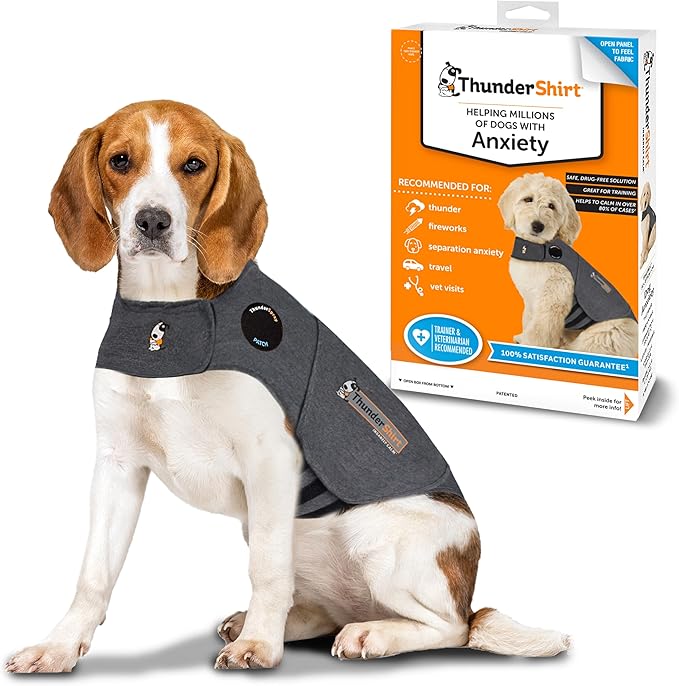
Thundershirt Classic Dog Anxiety Jacket
The ThunderShirt is a patented pressure wrap that naturally calms dogs by applying gentle, constant pressure—similar to swaddling a baby. With an 80% success rate, it helps reduce anxiety from thunder, fireworks, separation, travel, vet visits, and more. It’s easy to use, adjustable, comfortable, machine-washable, and made from soft, breathable fabric.

Beastron Electric Food Processor
The stack & press design makes chopping simple—just press the lid to chop and release to stop, with no tricky locking needed. This 3-cup chopper is ideal for daily use and easy to store. Stainless steel blades chop, purée, and emulsify with ease, while the lid’s oil dispenser helps create dressings and dips. With dishwasher-safe parts and a powerful 350W motor, it handles tough ingredients effortlessly.

LEVOIT Core P350 Pet Allergies Air Purifier
Choose AHAM-Verifide air purifiers for trusted, independently tested performance and safety. The activated carbon filter neutralizes pet odors, litter smells, and smoke with over 92% deodorization. Perfect for pet parents, Core P350-P reduces sneezing and congestion while eliminating odors. Its pre-filter traps fur, dust, and lint, keeping your home cleaner.
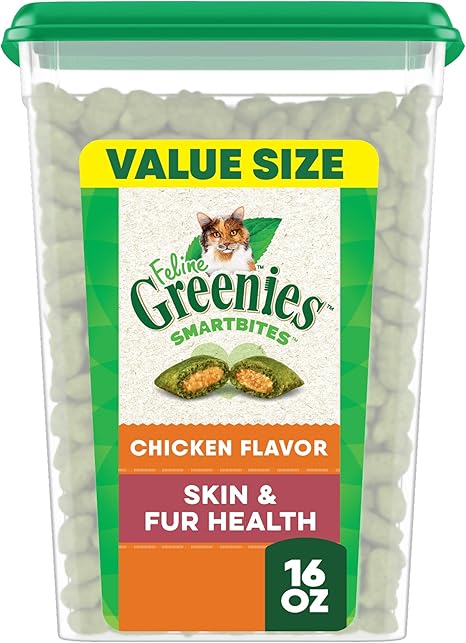
Greenies Pill Pockets for Cats
These Feline Greenies Smartbites are vet-designed cat treats made with omega-3–rich fish oil and flaxseed to support healthy skin and fur. They include added vitamins and minerals for balanced nutrition, and come in a tasty chicken flavor with a crunchy-soft texture. Perfect as daily treats or for use in treat-dispensing toys to keep adult cats happy and engaged.

Whiskas Catmilk Plus Drink for Cats
Cats love milk, but lactose can upset their stomachs. WHISKAS CATMILK PLUS is a 98% lactose-reduced, protein-rich drink made by expert nutritionists as a gentle, easy-to-digest alternative. Enriched with essential nutrients and naturally high in calcium, it supports strong teeth and bones. Give your cat the creamy milk taste they crave—made safely just for cats and kittens.

Automatic Cat Feeder, 4L Cat Food Dispenser
This automatic pet feeder ensures smooth, clog-free feeding with a smart food distribution system, eliminating the need for shaking or manual fixes. It features programmable meal scheduling, dual power supply for reliability, a freshness-locking design with desiccant, an anti-theft lid, and a 10-second custom voice recording to call your pet at mealtime.

Veterinary Formula Clinical Care Hot Spot & Itch Relief Spray
Fast-acting oatmeal and aloe shampoo quickly soothes irritated skin, reducing licking and scratching. This vet-recommended, pH-balanced formula softens the coat and helps calm hot spots from allergies, bites, or moisture. Free of parabens, soaps, and dyes, it hydrates and nourishes pets 12+ weeks. Use with the matching conditioner for complete, affordable skin relief.