


Puppy Probiotics: Matter for Your Puppy’s Gut and Overall Health
By PawHappiness Team | Updated | 5 minutes read | Dog Health
Table of Contents
- What Are Puppy Probiotics?
- Why Puppies Have Sensitive Digestive Systems
- Common Signs Your Puppy May Benefit from Probiotics
- How Puppy Probiotics Support Digestive Health
- Puppy Probiotics and Immune System Support
- When Puppy Probiotics Are Especially Helpful
- Puppy Probiotics During Food Transitions
- Types of Puppy Probiotics Available
- What to Look for in a Quality Puppy Probiotic
- Are Puppy Probiotics Safe?
- How to Introduce Puppy Probiotics Properly
- Can Puppy Probiotics Prevent Diarrhea?
- Puppy Probiotics vs. Prebiotics: What’s the Difference?
- Natural Sources of Probiotics for Puppies
- How Long Should Puppies Take Probiotics?
- Signs Puppy Probiotics Are Working
- When to Talk to Your Vet About Puppy Probiotics
- Supporting Your Puppy’s Gut Health Beyond Probiotics
- Final Thoughts on Puppy Probiotics
Bringing a new puppy home is exciting, but it also comes with plenty of questions—especially when it comes to health. From loose stools to picky eating and sudden tummy troubles, many pet parents quickly discover that puppies have sensitive digestive systems. That’s where puppy probiotics often come into the conversation.
A puppy’s gut is still developing, and stress from weaning, vaccinations, new environments, or diet changes can easily throw digestion off balance. When the gut isn’t happy, it can affect everything from stool quality to energy levels and even immunity. You might notice diarrhea, gas, or a puppy that just doesn’t seem quite comfortable.
Probiotics are often recommended as a gentle way to support gut health, especially during these early stages of life. While they’re not a cure-all, they can play an important role in helping puppies maintain a healthy digestive system. In this guide, we’ll break down what puppy probiotics are, how they work, when they’re helpful, and how pet parents can use them safely and effectively.
What Are Puppy Probiotics?
Puppy probiotics are beneficial bacteria that support digestive health.
They help maintain a healthy balance of gut microbes, which is essential for:
- Proper digestion
- Nutrient absorption
- Immune system support
These “good bacteria” naturally live in your puppy’s gut, but stress or illness can reduce their numbers.
Why Puppies Have Sensitive Digestive Systems
Puppies are still developing from the inside out.
Their digestive systems are sensitive because:
- Gut bacteria are still forming
- Diet changes happen frequently
- Stress levels are often higher
Even small disruptions can lead to tummy upset during the first year of life.
Common Signs Your Puppy May Benefit from Probiotics
Not every puppy needs probiotics all the time.
However, they may help if your puppy experiences:
- Frequent diarrhea or soft stools
- Gas or bloating
- Upset stomach after antibiotics
- Digestive issues during food transitions
These signs often point to an imbalance in gut bacteria.
How Puppy Probiotics Support Digestive Health
A balanced gut makes digestion smoother.
Puppy probiotics work by:
- Supporting healthy stool consistency
- Reducing harmful bacteria in the gut
- Helping break down food more efficiently
This can lead to fewer digestive upsets and better overall comfort.
Puppy Probiotics and Immune System Support
Did you know most of your puppy’s immune system lives in the gut?
Healthy gut bacteria:
- Help defend against harmful pathogens
- Support immune responses
- Reduce inflammation
This is especially important during puppyhood, when immunity is still developing.
When Puppy Probiotics Are Especially Helpful
There are times when probiotics can be particularly useful.
Common situations include:
- After antibiotic treatment
- During weaning
- When switching puppy food
- After stressful events like travel or vet visits
In these moments, probiotics can help restore balance more quickly.
Puppy Probiotics During Food Transitions
Changing food is one of the most common causes of tummy trouble.
Probiotics may help by:
- Supporting digestion during diet changes
- Reducing diarrhea or gas
- Helping the gut adjust more smoothly
Always transition food gradually, even with probiotic support.
Types of Puppy Probiotics Available
Puppy probiotics come in different forms.
Common options include:
- Powders you mix into food
- Chewable treats
- Probiotic-enhanced puppy food
Each option works differently, so choosing what fits your routine matters.
What to Look for in a Quality Puppy Probiotic
Not all probiotics are created equal.
Pet parents should look for:
- Strains made specifically for dogs
- Clear labeling of bacterial strains
- Products designed for puppies, not adult dogs
Your veterinarian can help guide the best choice for your puppy.
Are Puppy Probiotics Safe?
For most puppies, probiotics are considered safe.
Still, it’s important to:
- Follow recommended serving sizes
- Introduce them slowly
- Monitor your puppy’s response
If symptoms worsen, stop use and consult your vet.
How to Introduce Puppy Probiotics Properly
Start slow and observe.
Helpful tips:
- Begin with a small amount
- Mix with familiar food
- Watch stool and behavior changes
Most puppies tolerate probiotics well within a few days.
Can Puppy Probiotics Prevent Diarrhea?
Probiotics aren’t a guaranteed fix, but they can help.
They may:
- Reduce the severity of diarrhea
- Shorten recovery time
- Support gut balance during stress
Persistent diarrhea still requires veterinary attention.
Puppy Probiotics vs. Prebiotics: What’s the Difference?
These two are often confused.
- Probiotics = beneficial bacteria
- Prebiotics = food for good bacteria
Some products include both for added digestive support.
Natural Sources of Probiotics for Puppies
Some foods contain natural probiotics.
However:
- Many human probiotic foods aren’t safe for puppies
- Dairy-based probiotics may cause upset
Always check with your vet before offering food-based options.
How Long Should Puppies Take Probiotics?
Duration depends on the situation.
Some puppies benefit from:
- Short-term use during stress
- Ongoing support for sensitive digestion
Your vet can recommend the right timeline.
Signs Puppy Probiotics Are Working
Positive changes may include:
- Firmer, more regular stools
- Less gas
- Improved appetite
- Better overall energy
These signs often appear within one to two weeks.
When to Talk to Your Vet About Puppy Probiotics
Always consult your vet if:
- Digestive issues persist
- Your puppy seems lethargic
- There’s vomiting or blood in stool
Probiotics are supportive, not a replacement for medical care.
Supporting Your Puppy’s Gut Health Beyond Probiotics
Probiotics work best as part of a bigger picture.
Gut health also depends on:
- High-quality puppy food
- Consistent feeding schedules
- Stress reduction
- Routine vet care
Small daily habits make a big difference.
Final Thoughts on Puppy Probiotics
Puppy probiotics can be a helpful tool for supporting digestive health during the early, sensitive stages of life. From easing tummy troubles to supporting immunity, they offer gentle support when puppies need it most. While not every puppy needs probiotics daily, they can be especially useful during food changes, stress, or recovery from illness.
The key is choosing a quality product designed for puppies and using it thoughtfully. Always pay attention to your puppy’s response and involve your veterinarian when needed. By combining probiotics with good nutrition, routine care, and a calm environment, pet parents can help set their puppies up for a healthier, happier start.
If you’d like to learn more about puppy nutrition and digestive health, explore trusted veterinary resources or talk directly with your vet for personalized guidance.



Extra Deals & Recommendations From Our Partners
Discover exclusive offers, tools, and products from brands we collaborate with.


Calming Chews for Cats
Cat calming treats that help reduce stress and anxiety from vet visits, travel, and separation. Made with L-theanine, chamomile, and vitamin B1 for relaxation cats love.
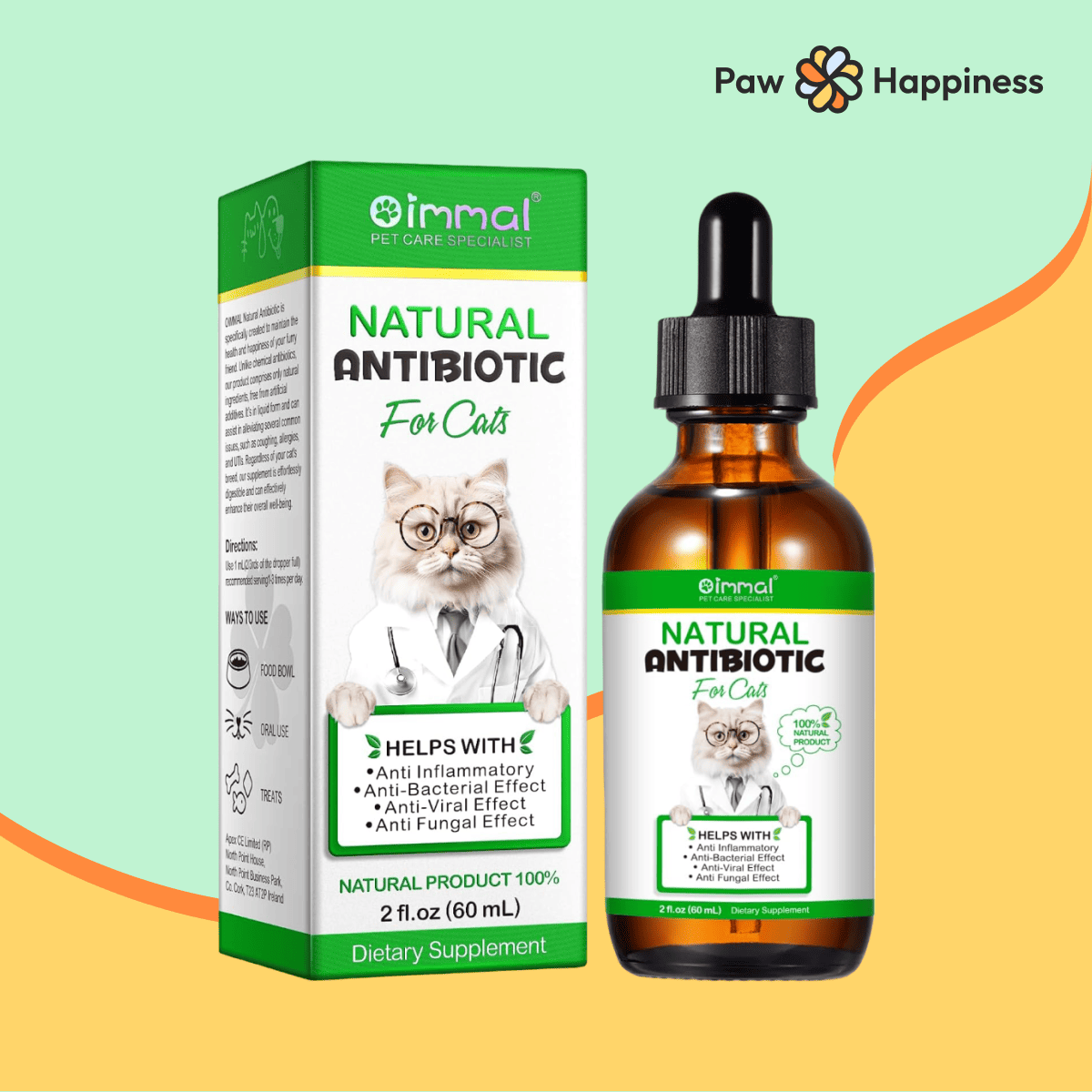
Antibiotics for Cats, Natural Antibiotic Pet
Herbal cat antibiotic drops support ear, skin, urinary, and respiratory infections with Apple Cider Vinegar, Pau D-Arco, Goldenseal & Echinacea. Non-GMO, sugar-free, fast-absorbing, safe for all cats.

Zesty Paws Dog Multivitamin
8-in-1 multifunctional dog supplement chews supporting joint, heart, immune, skin, gut, liver, and performance health with probiotics, antioxidants, MSM, glucosamine, and cod liver oil.

Dog Treat Pouch with Training Clicker
Train like a pro with this compact dog treat pouch and clicker kit. The 5×4×2" food-grade silicone pouch holds 1.67 cups, with a small magnetic opening that prevents spills and keeps treats fresh. Easy one-hand access makes rewarding fast. Includes a versatile clicker for training any pet. The adjustable 25–47" waist belt ensures secure, worry-free use during walks or sessions.

Snoozer Luxury Console Car Seat
This center-console dog car seat is designed for small pets up to 9 lbs, featuring side safety hooks and adjustable bottom straps for a secure, no-slip fit. Made from waterproof PU leather with plush rabbit-velvet lining, it includes a harness hook, shoulder straps, storage pocket, and a reversible washable cushion. Its elevated design gives anxious pets a calming window view during travel.

Nutro Ultra Grain-Free Turkey Recipe
Nutro Ultra Wet Dog Food delivers a flavorful, nutrient-rich paté made with real chicken as the #1 ingredient, plus lamb and whitefish for a trio of high-quality proteins. Crafted with natural ingredients, vitamins, and minerals, it contains no artificial flavors, colors, or preservatives. This grain-free recipe provides the wholesome, premium nutrition your dog deserves.

A pet-proof trash can can prevent dumpster diving.
This durable trash can lock turns nearly any hinged-lid bin into an animal-proof solution, keeping raccoons, pets, and even bears out. Built for all-weather protection with adjustable straps for a universal fit, it installs easily with the included hardware. The one-hand release design offers quick, convenient access while keeping your yard clean and critter-free.
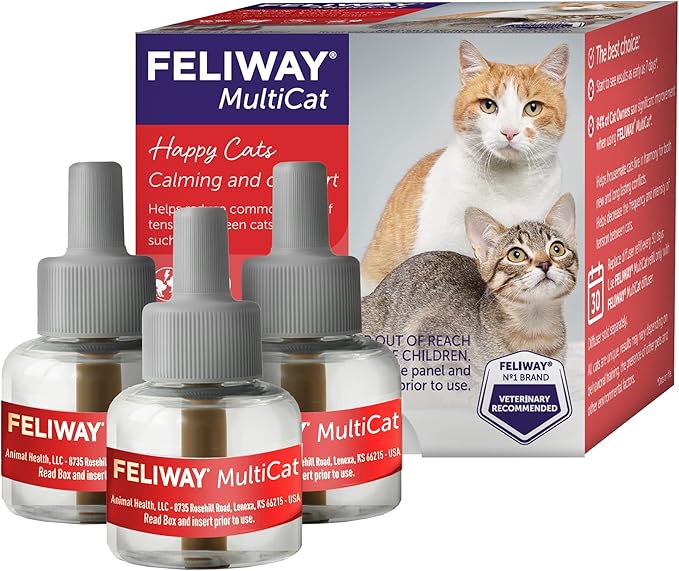
FELIWAY® MultiCat 3 x 30 Day Cat
FELIWAY MultiCat is a vet-recommended pheromone diffuser that helps reduce tension and conflict between cats, including fighting, chasing, and blocking. The drug-free formula provides up to 30 days of calming support per refill and covers up to 700 sq ft. Safe for all cats, it’s an easy, effective way to promote peace in multi-cat homes.