


Giardia in Dogs: Symptoms, Causes, and Effective Treatment Tips
By PawHappiness Team | Updated | 3 minutes read | Parasites

Giardia in dogs is a common intestinal parasite that can cause digestive upset and discomfort for your furry friend. Many pet parents may not realize that even healthy-looking dogs can carry giardia, making awareness crucial. This microscopic parasite spreads through contaminated water, soil, or feces, and puppies or dogs with weaker immune systems are particularly vulnerable. Symptoms can range from mild digestive issues to more persistent diarrhea and weight loss. Understanding the signs, causes, and treatment options can help you protect your dog and ensure they stay happy and healthy. In this article, we’ll explore everything you need to know about giardia in dogs—from recognizing symptoms to practical prevention strategies—so you can feel confident in caring for your pet.
What Is Giardia in Dogs?
Giardia is a microscopic parasite that infects the small intestine of dogs, leading to digestive problems.
- Transmission: Dogs can contract giardia by ingesting cysts from contaminated water, food, or surfaces.
- Life cycle: Giardia cysts pass in feces, survive in the environment, and can infect other dogs or even humans in some cases.
- Risk factors: Puppies, older dogs, and dogs with weakened immune systems are at higher risk.
Signs and Symptoms of Giardia Infection
Giardia infections can be mild or severe, depending on the dog’s health and parasite load. Common symptoms include:
- Diarrhea that may be watery, foul-smelling, or contain mucus
- Weight loss despite a normal appetite
- Vomiting or nausea
- Lethargy and decreased energy
- Occasional greasy or soft stools
Some dogs may appear healthy but still carry the parasite, making regular check-ups important.
Diagnosing Giardia in Dogs
Veterinarians diagnose giardia through a combination of methods:
- Fecal examination: Detects giardia cysts under a microscope. Multiple stool samples may be required for accuracy.
- ELISA or SNAP tests: Detect giardia antigens in stool for faster results.
- Physical exam: Checks for dehydration, weight loss, or other signs of digestive distress.
Early diagnosis is key to preventing complications and controlling the spread to other pets.
Treatment Options for Giardia in Dogs
Giardia is treatable, and a veterinarian will recommend the best approach based on your dog’s condition:
- Medication: Common treatments include metronidazole or fenbendazole, usually administered over 5–10 days.
- Hydration and diet: Dogs may need supportive care, including plenty of water and a bland diet, to recover from diarrhea and nutrient loss.
- Environmental cleaning: Disinfect bowls, bedding, and living areas to prevent reinfection.
Follow your vet’s instructions carefully, as incomplete treatment can lead to recurring infections.
Preventing Giardia Infections
Preventing giardia is easier than treating it. Pet parents can take several precautions:
- Provide clean water: Avoid stagnant water, puddles, or untreated lakes.
- Hygiene: Regularly clean bowls, bedding, and living spaces.
- Prompt waste disposal: Pick up dog feces immediately to limit environmental contamination.
- Avoid high-risk areas: Limit contact with dog parks or kennels where giardia has been reported.
- Routine vet visits: Regular check-ups and fecal tests can catch infections early.
Prevention is key to keeping your dog healthy and reducing the risk of giardia spread.
Can Humans Catch Giardia from Dogs?
While giardia can occasionally infect humans, the strains that infect dogs are generally different from those affecting people. However, practicing good hygiene—like washing hands after cleaning up dog waste—helps minimize any risk.
Conclusion
Giardia in dogs is a manageable intestinal parasite, but early detection and proper care are crucial for a smooth recovery. By understanding the symptoms, practicing good hygiene, and keeping up with routine vet visits, pet parents can protect their furry friends from digestive discomfort and recurring infections. Remember, prevention is always better than cure, and a few simple measures can go a long way in keeping your dog happy, healthy, and giardia-free.



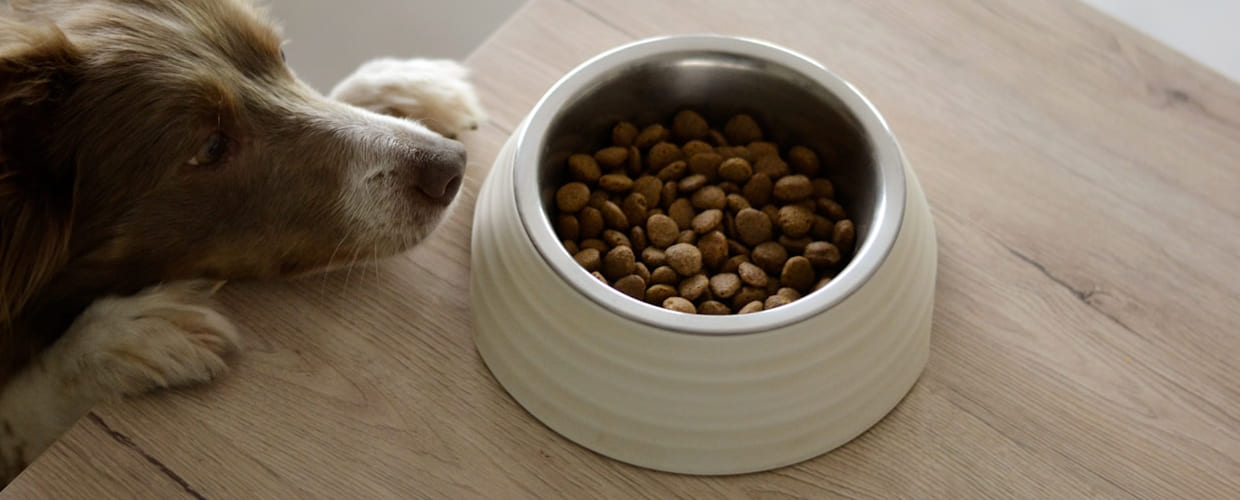
Extra Deals & Recommendations From Our Partners
Discover exclusive offers, tools, and products from brands we collaborate with.


Outward Hound Granby Splash Dog Life Jacket
This high-performance dog life jacket offers strong buoyancy for swimmers of all levels, keeping your pup safe and supported in the water. Adjustable straps with quick-release buckles ensure a secure, comfortable fit. Bright colors with reflective trim enhance visibility, while dual grab handles and a front neck float add safety. Durable, lightweight ripstop material allows natural movement and all-day comfort.

Petmate Open Top Litter Pan — Best for Easy Cleaning
This covered litter box provides cat privacy with high walls and a wide opening, perfect even for large cats. The grated top helps trap loose litter from paws to keep floors clean. Built-in handles make lifting easy, and a handy hook keeps your scoop within reach. Made in the USA from 95% post-industrial recycled materials, it’s an eco-friendly, practical choice for any home.

Interactive Dog Treat Puzzle Toys for IQ Training & Mental Stimulating
10x10x1.2 inches. This interactive dog puzzle encourages pets to slide pieces to find treats, boosting IQ and reducing boredom. A built-in squeaker adds extra fun and engagement. Made of food-safe, durable PP (not for chewing), easy to wash and great for slowing eating. Helps ease anxiety and destructive behavior. Always supervise use, and contact us for replacement or refund if needed.

Temptations Classic Crunchy and Soft Cat Treats Tasty Chicken Flavor
Cats can’t resist these crunchy-outside, soft-inside treats—just shake the tub and they’ll come running. With under 2 calories per treat, they’re perfect for daily rewards, snacks, meals, or food toppers. These treats are 100% complete and balanced for adult cats, and the resealable stay-fresh tub keeps them tasty and secure.

Instant Pot Duo 7-in-1 Electric Pressure Cooker
Enjoy 7 cooking functions in one appliance—pressure cook, slow cook, sauté, steam, make rice, yogurt, or keep food warm. With 13 smart one-touch programs, meals are easy and customizable. The Easy-Release switch provides safe steam release. Cook up to 70% faster, using the pro-grade stainless steel pot. A 6-quart size fits family meals, and the dishwasher-safe lid and pot make cleanup simple.
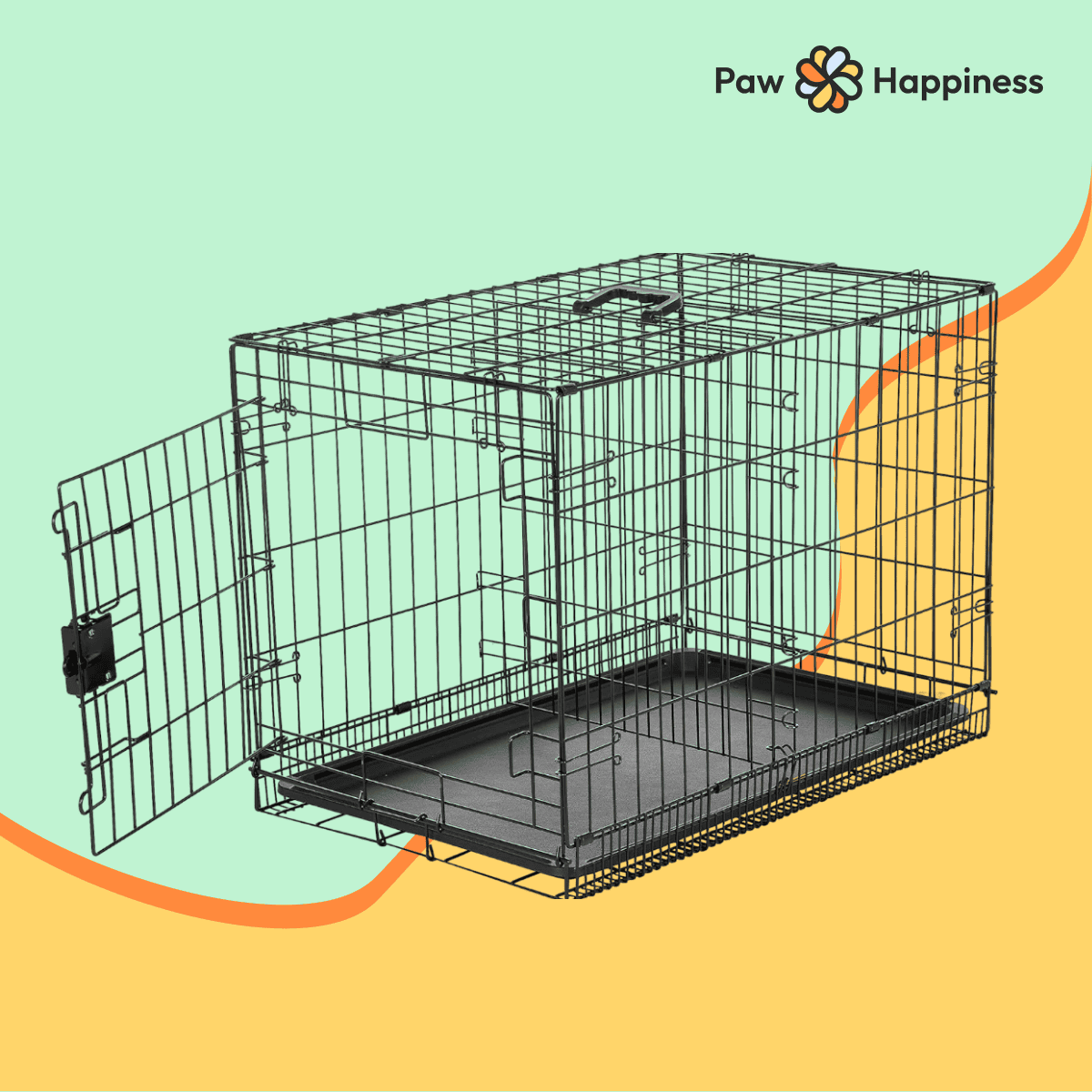
Dog Cage Amazon Basics Durable
24-inch dog crate for pets under 20 x 15.25 inches (LxH), like a Havanese or Pug

Pet Grooming Combo – Blue Deshedding Brush
This 2-in-1 grooming brush and comb set makes dematting and deshedding easy for dogs and cats. Designed with safe, rounded edges, it gently removes knots, loose fur, and undercoat without hurting your pet. The undercoat rake features wide and dense sides for dematting and shedding, while the dual-sided metal comb reaches legs, head, and tail. Durable stainless steel teeth and a lightweight, ergonomic handle ensure comfortable, long-lasting grooming.

Snoozer Luxury Console Car Seat
This center-console dog car seat is designed for small pets up to 9 lbs, featuring side safety hooks and adjustable bottom straps for a secure, no-slip fit. Made from waterproof PU leather with plush rabbit-velvet lining, it includes a harness hook, shoulder straps, storage pocket, and a reversible washable cushion. Its elevated design gives anxious pets a calming window view during travel.