


Hookworms in Dogs: How to Keep Your Pet Safe
By PawHappiness Team | Updated | 3 minutes read | Parasites
Hookworms in dogs are a common intestinal parasite that many pet parents worry about. These tiny worms can cause discomfort, anemia, and even serious health issues if left untreated. Puppies and older dogs alike are susceptible, and since hookworms can survive in soil, your dog may be exposed during a walk or playtime outdoors. Recognizing the signs early and understanding the causes can help you protect your dog and ensure they stay healthy. In this article, we’ll break down what hookworms are, how they affect dogs, common symptoms to watch for, and practical strategies for prevention and treatment. By the end, you’ll have a clear guide to keeping your furry friend safe and happy.
What Are Hookworms?
Hookworms are small, thin parasites that live in a dog’s intestines. They attach to the intestinal lining and feed on blood, which can lead to health problems if infections are severe.
- Common species in dogs: Ancylostoma caninum, Ancylostoma braziliense.
- Transmission: Dogs can get hookworms by ingesting larvae from contaminated soil, through the skin, or from their mother’s milk (for puppies).
- Life cycle: Hookworms lay eggs in the dog’s intestines, which pass into feces. Larvae hatch in the environment, continuing the cycle.
Understanding this cycle is key to preventing reinfection.
Signs and Symptoms of Hookworms in Dogs
Hookworm infections can range from mild to severe depending on the number of worms and the dog’s age or health. Common symptoms include:
- Diarrhea, sometimes with blood or dark tar-like stool
- Weight loss and decreased appetite
- Lethargy and weakness
- Pale gums due to anemia
- Visible worms in stool (rare, usually in severe cases)
Puppies are especially vulnerable, and infections can be life-threatening if not treated promptly.
Diagnosing Hookworms
If you suspect your dog has hookworms, a veterinarian can confirm the infection through:
- Fecal examination: Detects hookworm eggs in stool.
- Blood tests: Identifies anemia caused by blood loss.
- Physical exam: Checks for weakness, pale gums, or other signs of infection.
Early diagnosis improves outcomes and prevents further complications.
Treatment Options
Hookworms are treatable, and your vet will recommend the best approach based on your dog’s condition:
- Deworming medications: Commonly prescribed oral or topical treatments include fenbendazole, pyrantel pamoate, and milbemycin.
- Supportive care: Puppies or severely affected dogs may require fluids, iron supplements, or special diets to recover from anemia.
- Environmental control: Regularly clean your dog’s living space and dispose of feces properly to prevent reinfection.
Always follow your veterinarian’s instructions for dosage and follow-up treatments.
Preventing Hookworm Infections
Preventing hookworm infections is easier than treating them. Pet parents can take several precautions:
- Regular deworming: Puppies often need monthly treatments; adult dogs may require routine check-ups.
- Proper hygiene: Pick up dog waste promptly and disinfect outdoor areas.
- Avoid contaminated areas: Keep your dog away from soil or sand that may be contaminated with feces.
- Flea and tick control: Some flea treatments help prevent parasite transmission.
- Routine vet visits: Annual or biannual exams help catch infections early.
Prevention is the best strategy for keeping your dog healthy and parasite-free.
Can Humans Get Hookworms?
While hookworms primarily affect dogs, humans can occasionally get infected through contact with contaminated soil. This usually results in skin irritation called cutaneous larva migrans. Basic hygiene, such as washing hands after playing outdoors or cleaning up after pets, greatly reduces the risk.
Conclusion
Hookworms in dogs are common but manageable with proper care, early detection, and treatment. By understanding the signs, maintaining a clean environment, and keeping up with regular vet visits and deworming, pet parents can protect their dogs from these parasites. Remember, prevention is always better than cure, and taking simple steps can keep your furry friend healthy, happy, and free from the discomfort caused by hookworms. Stay vigilant, and don’t hesitate to consult your veterinarian if you notice symptoms or have concerns about your dog’s health.






Extra Deals & Recommendations From Our Partners
Discover exclusive offers, tools, and products from brands we collaborate with.


PETKIT Ultra Quiet Smart Water Fountain
The upgraded cat water fountain uses a safer wireless 3.0 pump with foam filtering to extend pump life. A separable tank and base make refilling and cleaning easy. PETKIT Filter 3.0 offers better filtration, while dry-burn protection stops the pump when water is low. An indicator light alerts you to refill, and the quiet gushing flow encourages pets to drink more.
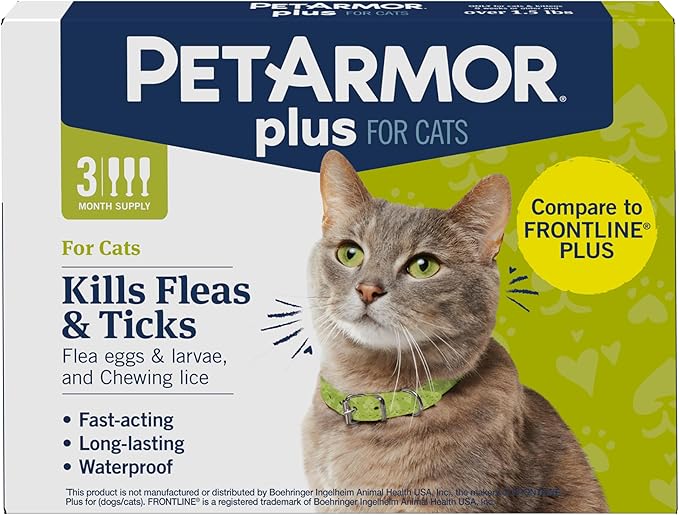
PetArmor Plus Flea and Tick Prevention for Cats
Active Ingredients: Friponil (9.80%), (S)-Methoprene (11.80%). Other Ingredients: (78.40%), Total (100.00%). Your pets are family, and PETARMOR helps you confidently care for your cat, especially when it comes to flea and tick control.

TUG 360° Tangle-Free Retractable Dog Leash
This retractable dog leash is designed for dogs of all sizes, with Small for pets under 35 lbs, Medium under 55 lbs, and Large under 110 lbs. Featuring a durable 16 ft retractable tape with a 360° tangle-free design, it offers smooth retraction and control. The quick lock and unlock button allows easy one-handed operation, while the ergonomic anti-slip handle ensures comfort on long walks. A heavy-duty internal coil provides reliable, consistent recoil for safe outdoor adventures.

Outward Hound Granby Splash Dog Life Jacket
This high-performance dog life jacket offers strong buoyancy for swimmers of all levels, keeping your pup safe and supported in the water. Adjustable straps with quick-release buckles ensure a secure, comfortable fit. Bright colors with reflective trim enhance visibility, while dual grab handles and a front neck float add safety. Durable, lightweight ripstop material allows natural movement and all-day comfort.

IRIS USA Large Hooded Litter Box — Best for Odor Control
This enclosed litter box keeps odors contained with an easy-access flap door that prevents spills and messes. The spacious 9.25" x 9" opening gives cats privacy and comfort. A sturdy handle and secure buckles make transport simple, while the included scoop hangs neatly under the hood for quick access. Measuring 21" x 18.75" x 17", it offers ample room for small to medium cats.

Kurgo Dog Car Seat Belt Tether + Harness
The Kurgo Auto Zip Line keeps your dog safely secured in the backseat while allowing controlled freedom during car rides. It installs easily between two fixed points in most vehicles and includes a tether that can double as a short lead. Built with durable steel hardware and rugged materials, it’s designed for real-world travel and backed by Kurgo’s lifetime warranty.

300Pcs Dog Eye Wipes Biodegradable, Hypoallergenic Cat Dog Eye Cleaner
Biodegradable pet wipes made from natural materials that break down over time, keeping your pet clean while being eco-friendly. The gentle, paraben-free and fragrance-free formula soothes without irritating eyes, nose, or mouth and helps prevent tear stains. Pre-soaked and easy to use, each soft cotton pad removes dirt and odors and is safe for dogs, cats, rabbits, and more.

Zuke’s Mini Training Treats
Zuke’s Mini Naturals Dog Treats give dogs healthy fuel for daily adventures. Made in the USA with real ingredients like chicken and cherries, they support overall well-being and work great as training rewards. These corn-, wheat-, and soy-free treats come in a resealable pouch for easy travel. Inspired by real adventures since 1995, Zuke’s helps dogs stay energized on every journey.