


Worms in Dog Poop: Causes, Symptoms, and Treatment Tips
By PawHappiness Team | Updated | 3 minutes read | Parasites
Finding worms in your dog’s poop can be alarming, but it’s a common issue that many pet parents encounter. These worms are typically intestinal parasites, and they can cause discomfort, poor nutrition, and even serious health problems if left untreated. Puppies are especially vulnerable, but adult dogs can get infected too. Understanding why these worms appear, what symptoms to look for, and how to treat them effectively is crucial for keeping your dog healthy. In this article, we’ll break down the types of worms that commonly infect dogs, how they affect your pet’s health, and practical steps to treat and prevent infestations. Armed with the right knowledge, you can take confident action to protect your furry friend.
Common Types of Worms Found in Dog Poop
There are several types of intestinal worms that can appear in dog feces:
- Roundworms: Long, spaghetti-like worms; very common in puppies.
- Tapeworms: Flat, segmented worms that may look like grains of rice.
- Hookworms: Small, thin worms that latch onto the intestinal wall.
- Whipworms: Thin at one end and thicker at the other; can cause diarrhea and weight loss.
Each type of worm has its own life cycle and method of transmission, which influences how you treat and prevent infections.
Symptoms That Indicate Worm Infestation
Even if you don’t visibly see worms in your dog’s poop, other signs may suggest an intestinal parasite:
- Vomiting or diarrhea
- Weight loss despite normal appetite
- Scooting on the floor or rubbing their rear
- Bloated or potbellied appearance, especially in puppies
- Lethargy or decreased energy
Observing these symptoms early allows for timely veterinary intervention.
How Dogs Get Worms
Dogs can contract worms in several ways:
- Ingesting contaminated soil or feces: Common in parks or backyards.
- Fleas: Tapeworms often spread when dogs ingest fleas during grooming.
- From their mother: Puppies can get worms through the placenta or milk.
- Hunting or scavenging: Eating rodents or raw meat can introduce parasites.
Understanding these transmission routes helps pet parents prevent reinfections.
Diagnosis and Veterinary Care
A veterinarian will usually diagnose worms through:
- Fecal examination: Microscopic analysis to identify worm eggs.
- Blood tests: For certain types of parasites that affect organs.
- Physical exam: To assess overall health and check for dehydration or malnutrition.
Accurate diagnosis ensures the proper medication and dosage are administered for effective treatment.
Treatment Options for Worms in Dogs
Worm infestations are treatable, and timely action prevents complications. Treatment usually includes:
- Deworming medications: Common drugs include fenbendazole, pyrantel pamoate, and praziquantel, depending on the worm type.
- Follow-up treatments: Multiple doses may be necessary to eliminate all life stages of the worms.
- Supportive care: Dogs with severe diarrhea or malnutrition may need fluids or special diets to recover.
Always follow the veterinarian’s instructions carefully to prevent reinfection.
Preventing Worm Infestations
Preventing worms is easier than treating them. Pet parents can adopt these strategies:
- Regular deworming: Follow a schedule recommended by your vet.
- Maintain hygiene: Clean your dog’s living area and promptly dispose of feces.
- Avoid contaminated areas: Limit access to places where other dogs defecate or where wildlife frequents.
- Flea control: Prevent tapeworms by controlling flea infestations.
- Routine vet check-ups: Regular fecal exams catch parasites early.
A combination of preventative care and good hygiene reduces the risk of worms in your dog’s poop.
When to Call the Vet Immediately
Contact your veterinarian promptly if your dog shows:
- Persistent vomiting or diarrhea
- Blood in stool
- Extreme lethargy or weakness
- Sudden weight loss
These signs may indicate a severe worm infestation or other underlying health issues requiring urgent care.
Conclusion
Worms in dog poop are more than just unpleasant—they can impact your dog’s health if not addressed promptly. By recognizing the types of worms, understanding transmission routes, monitoring symptoms, and following proper treatment and prevention strategies, pet parents can keep their dogs healthy and comfortable. Routine veterinary care and preventive measures go a long way in ensuring that your furry friend enjoys a happy, parasite-free life.





Extra Deals & Recommendations From Our Partners
Discover exclusive offers, tools, and products from brands we collaborate with.


Pet-safe flameless candles
These flameless LED tea lights feature a flickering warm glow and melted-edge design for a realistic candle look. Each light offers 200+ hours of runtime thanks to its 240mAh battery. Safe and mess-free, they eliminate fire risks and wax drips—perfect for homes with kids or pets. Made with secure, sealed battery compartments and UN38.8-certified CR2032 batteries for reliable performance.
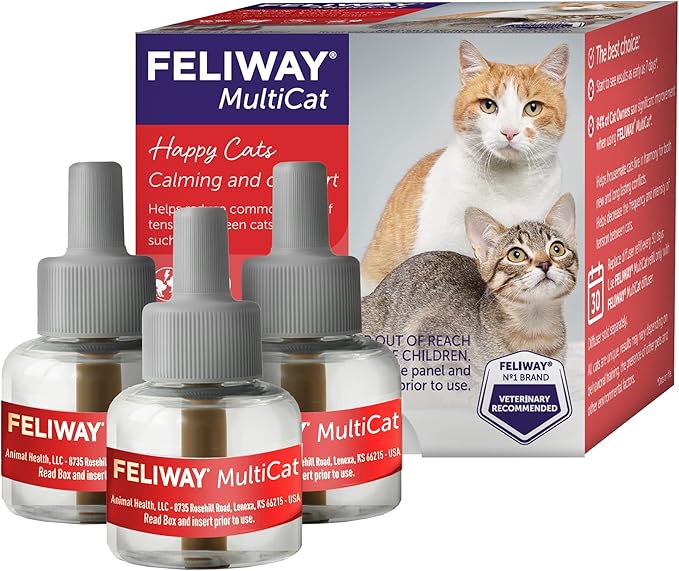
FELIWAY® MultiCat 3 x 30 Day Cat
FELIWAY MultiCat is a vet-recommended pheromone diffuser that helps reduce tension and conflict between cats, including fighting, chasing, and blocking. The drug-free formula provides up to 30 days of calming support per refill and covers up to 700 sq ft. Safe for all cats, it’s an easy, effective way to promote peace in multi-cat homes.

Activated Charcoal for Dogs – Ready-to-Use Liquid Formula
ReadyRESCUE activated charcoal keeps pets safe on the go—perfect for camping, hiking, travel, or home emergencies. This easy, vet-approved formula mixes with food, water, or treats for quick toxin binding and fast action. Safe for pets under 30 lbs, it neutralizes toxins before absorption and features a 5-year shelf life, offering reliable protection with no prescription needed.

Vet’s Best Natural Flea and Tick Home Spray
This natural flea & tick spray protects your dog and home by killing fleas, eggs, larvae, ticks, and mosquitoes. Gentle enough for dogs 12 weeks and older, it can be applied directly to skin and used on carpets or furniture without staining. Made with certified natural plant-based ingredients like peppermint oil and eugenol, it’s proven effective and proudly made in the USA.

VetriScience Senior 27+ Active Health Chews
Senior cat multivitamin soft chews with 27+ essential nutrients to support healthy aging. Vet-formulated with taurine, antioxidants, and omega fatty acids for heart, brain, joint, skin, and coat health.

Nature’s Miracle Cat Calming Spray, 8 Ounces, Stress-Reducing Formula for Cats
Nature’s Miracle Calming Spray uses soothing, natural scents to help reduce anxiety in cats. Ideal for easing stress from routine changes, travel, or separation, it helps skittish cats feel secure and relaxed—without sedatives. The comforting scent creates a sense of safety, making it easier for your cat to stay calm in stressful situations.

Calming Chews for Cats
Cat calming treats that help reduce stress and anxiety from vet visits, travel, and separation. Made with L-theanine, chamomile, and vitamin B1 for relaxation cats love.

Hot Spot & Itch Relief Skin Cream for Dogs & Cats
Fast-acting skin cream for dogs, cats, and small pets that soothes itching, hot spots, rashes, and minor wounds. Made with natural ingredients, vet-approved, lick-safe, and promotes healthy skin and fur recovery.